 Français
 English
 العربية
 Bosanski jezik
 Čeština
 Dansk
 Nederlands
 Wikang Filipino
 Suomi
 Deutsch
 Magyar
 Íslenska
 Bahasa Indonesia
 Italiano
 日本語
 한국어
 Bahasa Melayu
 Polski
 Português
 Русский
 Cрпски језик
 Español
 ภาษาไทย
 Türkçe
 Tiếng Việt

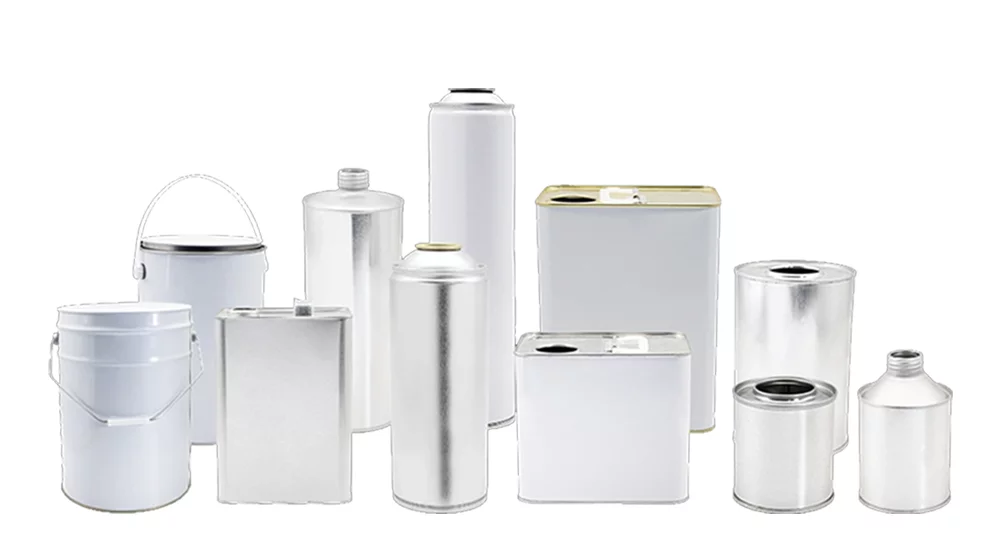
A dent on a pail rim can change how its lid seats. For a U.S. hazardous-material shipment, check the rules for packaging compatibility and closure against the actual contents and shipping conditions.
Send FANXUN your diameter, height and product chemistry when requesting a quote for seaux en métal. Include the fill temperature and closing equipment so both sides can review the same specification.
Quick Answers on Large Tin Containers With Lids
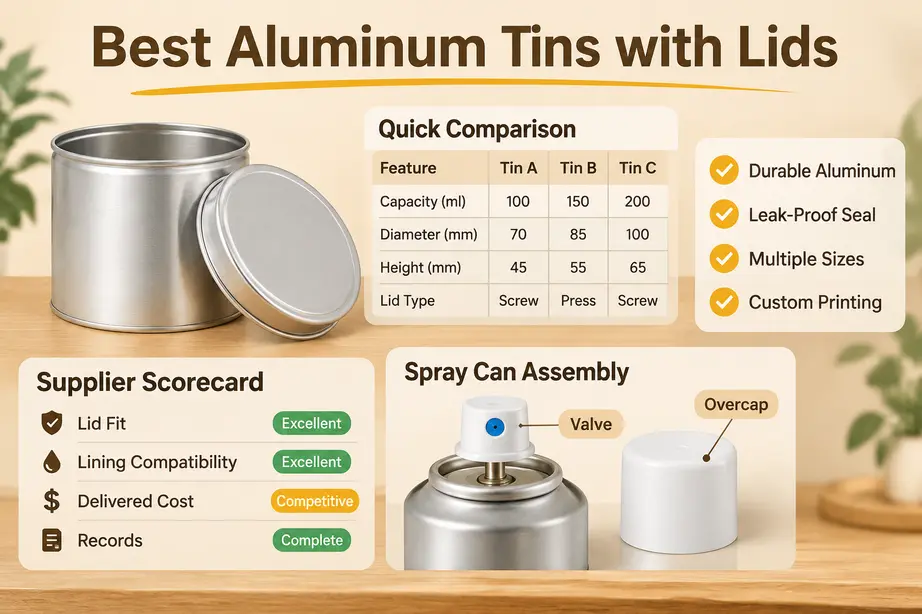
- Size follows diameter and height. Check working capacity against the planned fill.
- Lever-lid, lug-cover, or press-fit closures differ in tooling and cycle time; pick by filler speed and reseal need.
- Specify the body seam, end seam and closure separately.
- Before you buy, request salt spray reports, batch leak data and thickness tolerances relevant to your order.
- For food contact, request documents for the particular lining and intended use.
Types of Large Tin Containers With Lids
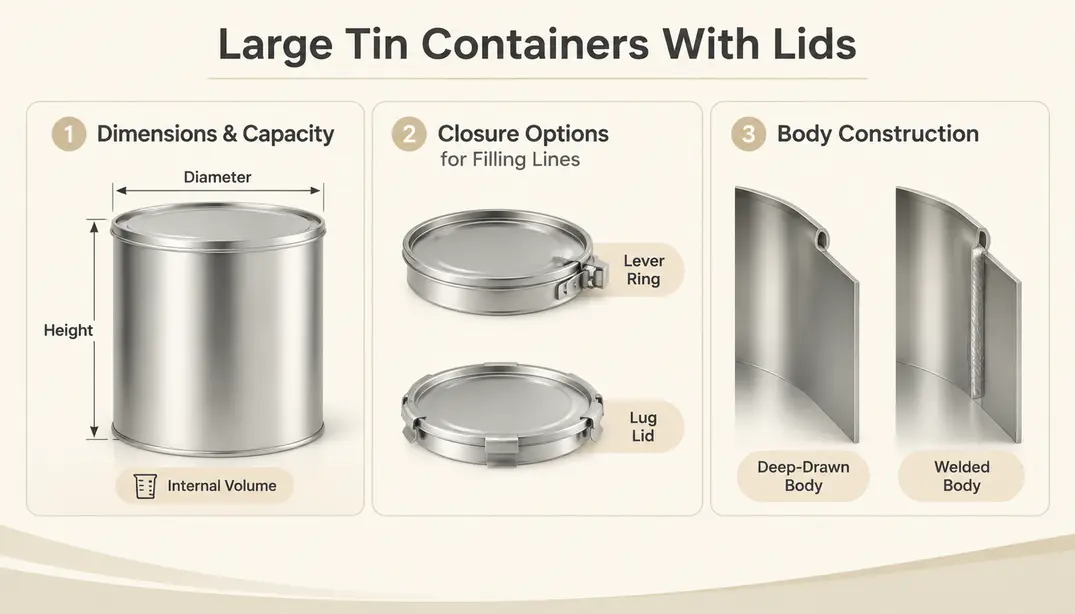
Picking a pail sounds dull until a leaky lid ruins a shipment. Here are three quick angles on large tin containers with lids — sizing math, closure choices, and how the body gets built — so the next order from FANXUN lands on the dock without surprises.
Diamètre, Hauteur, and Internal Volume Explained
Width across the drum and wall height settle how much goes in. Most large tin containers with lids get bought by the liter, not the millimeter, so check two things:
- capacité read at the fill mark, never off the label
- mesures taken inside the rim — the bead eats a few millimeters
Vérifiez le pail diameter at the widest point when planning conveyor clearance. For capacity, use the supplier’s working-volume drawing. Count espace de stockage as part of the budget too; compare the actual pallet layouts for your shortlisted sizes.
Which Lid Closure Type Fits Your Filling Line?
Closure choice trails filler speed and reseal habits:
- Remplissage automatisé configurations
- Pour peindre des boîtes de conserve, check whether the press head fits the lid profile.
- Time a sample run with the proposed closure and inspect the rim after sealing.
- Hand packing runs
- Compare how operators seat a lever ring and close a lug cover.
- If buyers reopen the pail, test the reseal with the intended contents.
Comparer seaux en métal avec couvercles using the required seal, reopening frequency and available tooling. Line up machines d'emballage against the die before ordering.
Deep Drawing Stamping and Seam Welding at a Glance
A drawn body and a body formed from rolled sheet have different seam layouts. Pour les États-Unis. specification steel drums, le body seam requirements depend on capacity and whether the contents are liquid or solid. Ask for a cross-section showing where the sidewall, base and lid meet.
Large Tin Containers With Lids Vs. Fûts en plastique
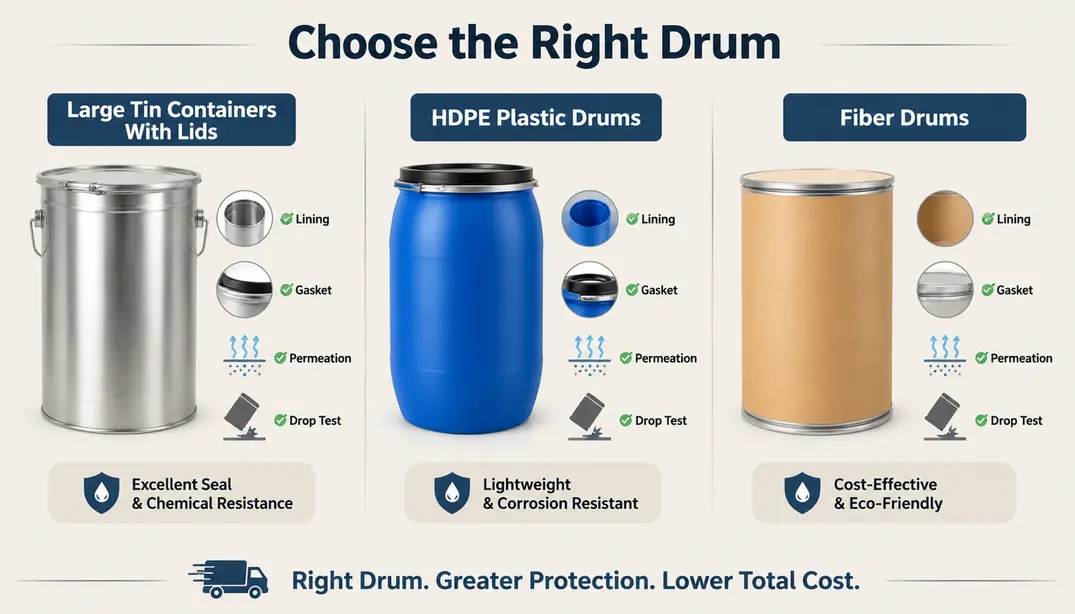
Pick the wrong drum and your fill ends up on the floor. Three container types show up in most plant quotes, each with a genuine trade-off. Here’s the plain talk on what holds, what leaks, and what trims freight — plus where FANXUN earns its keep.
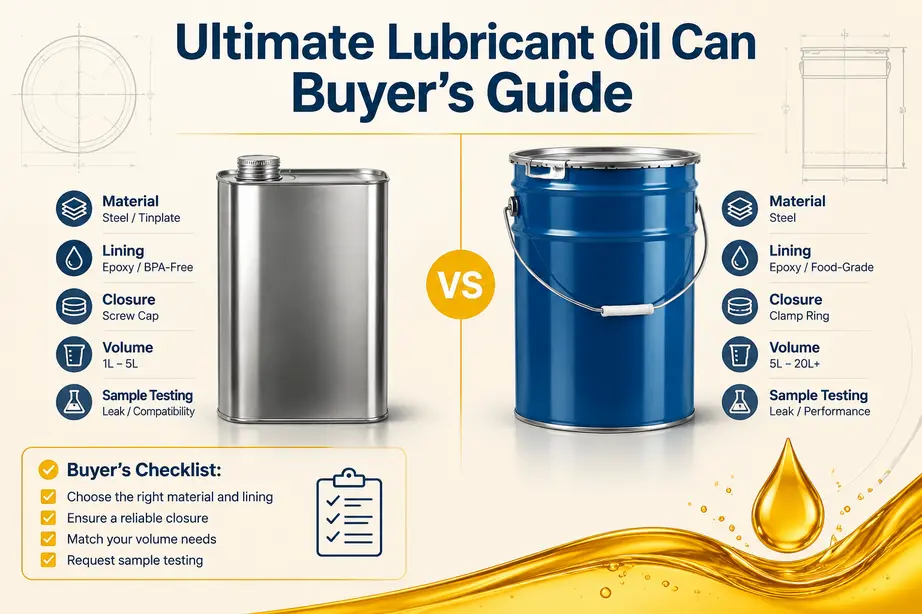
Large Tin Containers With Lids
- Shell and closure
- Steel blocks light. Check the assembled closure for leakage.
- Match the lining and gasket to the product and fill temperature.
- Payoff and cost
- Assess the coating for the intended food, paint or lubricant.
- Inspect rims for dents before deciding whether a pail can be reused.
For a liquid fill, ask which surfaces touch the product when the pail tips. The side seam, lid underside and gasket may need separate compatibility checks.
Fûts en plastique
HDPE brings léger manutention. Pour les États-Unis. specification plastic drums, resistance to the contents and control of permeation are part of the construction requirements. Check the resin and formulation before selecting a drum.
Use these questions to compare supplier quotes:
| Taper | What to verify before ordering |
|---|---|
| Lined steel | Compatibility of the lining, seam coating and gasket |
| Unlined steel | Compatibility of exposed steel with the fill |
| HDPE drum | Permeation data for the actual liquid and temperature |
| Fiber drum | Wall construction, protective layers and intended use |
Demander drop test records for the applicable design if the shipment requires qualification. Compare the tested configuration with the proposed drum, including its head and closure.
Fûts en fibre
For a U.S. specification 1G drum, le fiber drum body uses bonded layers of heavy paper or noncorrugated fiberboard and may include protective layers. Check the complete package specification before selecting it for a moisture-sensitive powder.
Why Do Large Tin Containers With Lids Stay Airtight?
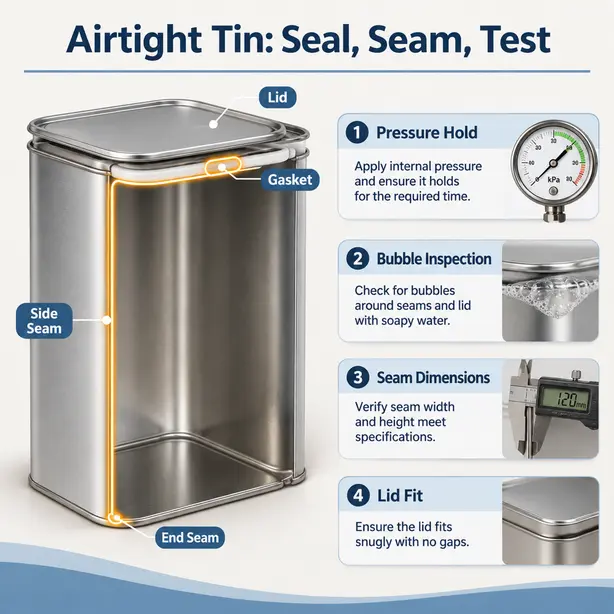
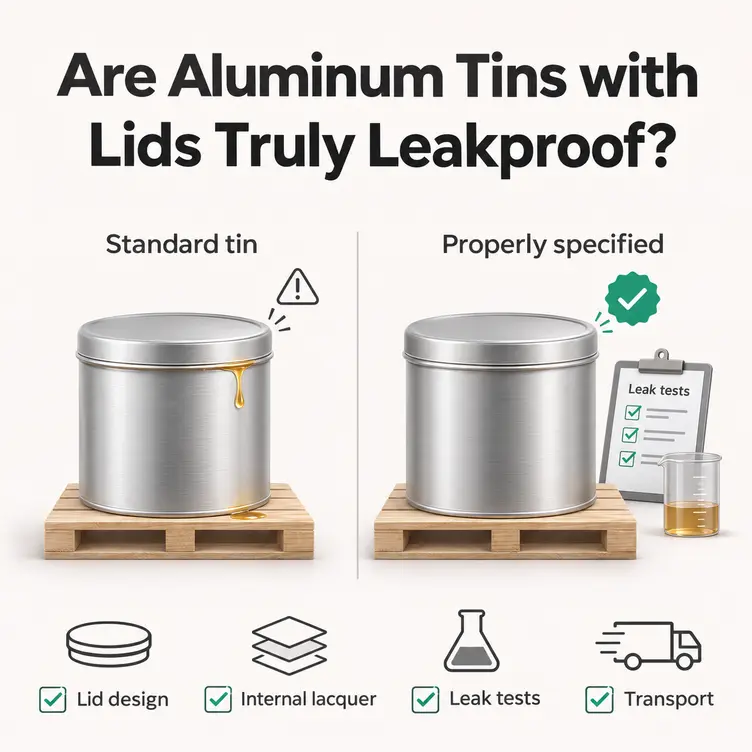
The sidewall, end seam and lid each provide a possible leak path. A buyer evaluating shelf life needs test results for the assembled container under the proposed storage conditions.
Electrolytic Tinplate and Anti-Corrosion Coating as the First Barrier
Start with the sheet itself. Ask for the tinplate gauge, interior coating designation and exterior finish. Check coating coverage at the rim and weld as well as on the flat panel.
How to Check a Welded Side Seam
A welded side seam joins the overlap. Inspect the joint and its protective coating, then verify the end seams and closure on the complete pack.
Leakage Inspection Protocol: What Happens on the Line
Ask which parts are fitted during the leakproofness test. Under the U.S. rule for applicable liquid packagings, removable heads can be left off during production testing. That distinction matters when the buying decision depends on lid performance.
| Vérifier | Que demander |
|---|---|
| Maintien de la pression | Applied pressure, hold time and acceptance criterion |
| Bubble inspection | Method and location of any leak |
| Inspection des coutures | Drawing limits and measured dimensions |
| Ajustement du couvercle | Closure instructions and sample configuration |
For a failed sample, ask how the supplier identifies the affected lot and documents the disposition before shipment.
Gasket Compression and Lid Closure Precision
UN bague d'étanchéité only holds if it is squeezed the same amount all the way around. Inspect gasket seating at the handle lugs and around the entire rim. Verify the closing procedure with a filled sample.
5 Checks Before Buying Large Tin Containers With Lids
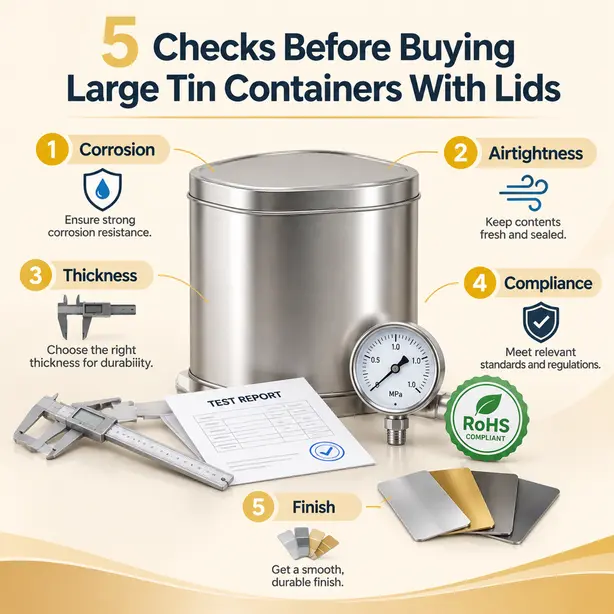
Bulk-ordering large tin containers with lids shouldn’t feel like a coin flip. A few paper checks and one quick caliper pass can save months of headaches down the road. Here’s the short list of what to ask for, en langage clair, before money changes hands and the pallet lands on your dock.
Salt Spray Corrosion Test Results to Request
Essai au brouillard salin reports should state hours-to-red-rust in plain numbers. Push into the details:
- Steel and coating claims:
- Hours logged before red rust shows
- Tinplate coating weight per area
- Oxidation prevention notes for humid sea freight
- Le metallurgical report sitting behind those accelerated weathering figures
Vague answers on résistance à la corrosion mean somebody is hoping you won’t ask.
Airtightness Verification and Pressure Resistance Data
Batch-level records, tied to a production date. Pour les États-Unis applicables. liquid packaging designs, ask for the hydrostatic pressure test report and check that its design identifier matches the quote. Request production leak results separately.
Is the Tinplate Thickness Within Tolerance?
Grab a micrometer and hit three spots on any large tin containers échantillon:
- Body wall — micrometer measurement de épaisseur du fer blanc.
- Base plate — compare the measured thickness with the drawing.
- Seam — inspect the specified seam dimensions separately from sheet gauge.
Compare each reading with the agreed tolerance and record the measurement location.
ISO Compliance Certification and Food-Grade Lacquer Documents
If ISO certification is part of the purchase specification, check the certificate’s scope and site. Pour les États-Unis. food packaging using revêtements résineux et polymères, ask which conditions of use cover the food, contact time and temperature. Garder regulatory document copies on file.
Surface Lithography and Spray Coating Finish Inspection
Hold proofs and samples side by side in daylight. Surface lithography registration drifts; revêtement par pulvérisation coverage goes thin near rims; embossed logos flatten. Agree on an adhesion test and scratch criterion before signing the proof. Vérifier vernis protecteur sheen last and compare it with the approved finish.
Emballage chimique: Matching Metal Containers to the Fill
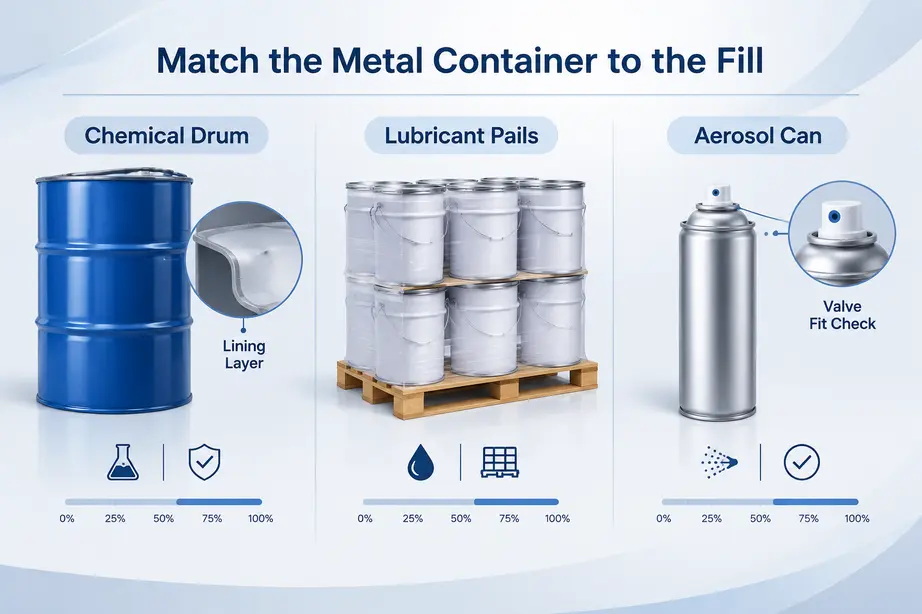
Choosing a can for aggressive liquids isn’t guesswork. A bad lining ruins the tambour en métal and the product with it. Doublures, load handling, valve fit — that’s where large tin containers with lids earn their keep.
Chemical Solvent Containment and Lacquer Compatibility
Faites correspondre le revêtement de laque to the solvent, not the reverse.
- Identify the full solvent blend, including additives.
- Specify fill temperature and expected contact time.
- Ask for immersion data covering the lining and seam protection.
UN résistant aux solvants stamp means little without a résistance chimique enregistrer. Request soak results before approving a run. If the line needs a smaller dispensing opening, comparer canettes de monotop with the open-head option.
Industrial Lubricant Storage in Palletized Bulk Shipments
Pour palletized storage, compare the filled mass and pallet pattern with the supplier’s load data. Les États-Unis. transport stacking test evaluates load on a particular packaging design. In a U.S. entrepôt, secure tiered storage also requires a stable stack. When comparing pails with smaller canettes d'huile moteur, calculate the filled pallet weight for each format.
Compressed Propellant Gas, Valve Cup Fit, and Private Label Printing
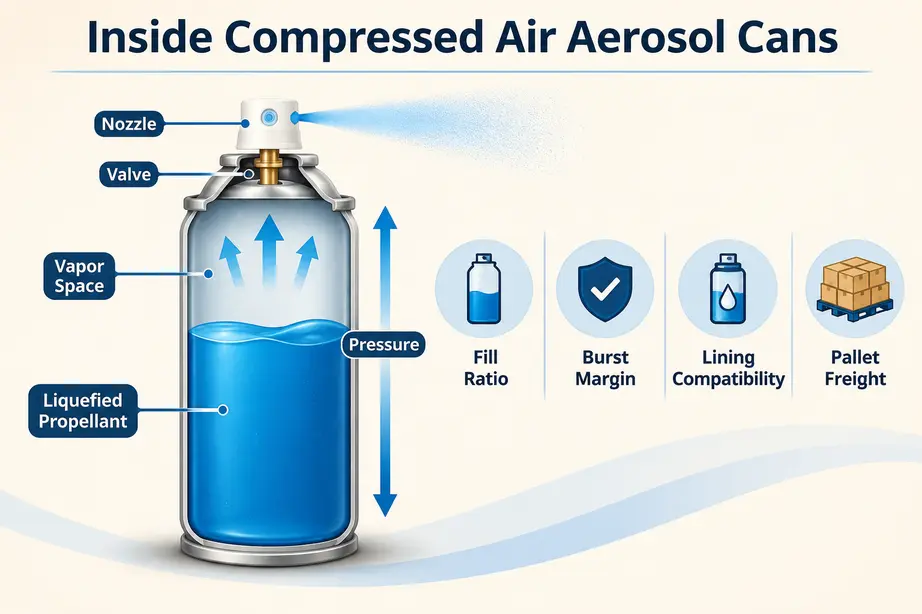
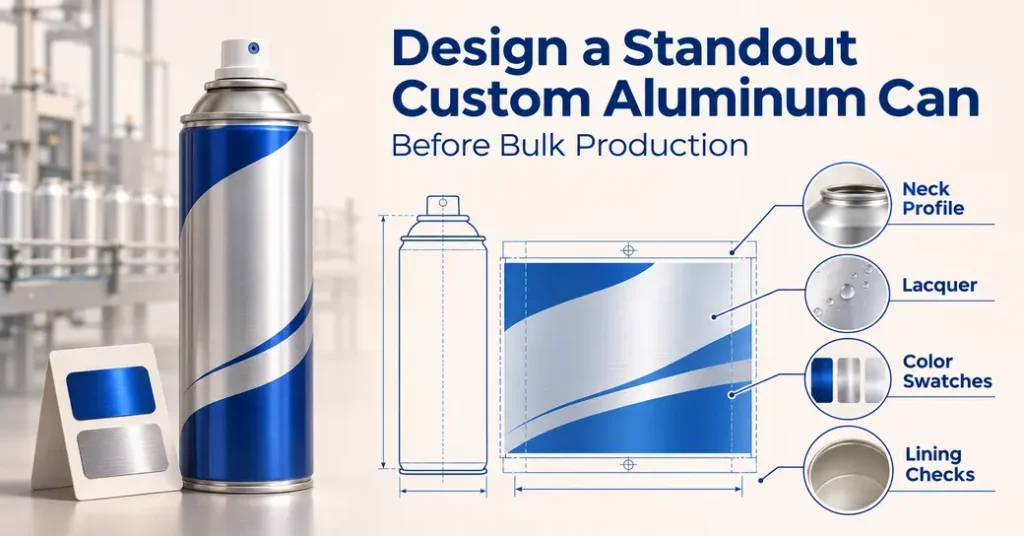
Propellant fills require a separate packaging specification. NOUS. limited-quantity compressed gas provisions set conditions for eligible aerosol shipments. For a pressurized line, ask FANXUN to match its bombes aérosols en fer blanc et vannes d'aérosol to your filling equipment. Approve the valve fit and print proof separately.
Références
- 49 CFR § 173.24 – General requirements for packagings and packages. — Institut d'information juridique de Cornell
- 49 CFR § 178.504 – Standards for steel drums. — Institut d'information juridique de Cornell
- 49 CFR § 178.509 – Standards for plastic drums and jerricans. — Institut d'information juridique de Cornell
- 49 CFR § 178.603 – Test de chute. — Institut d'information juridique de Cornell
- 49 CFR § 178.508 – Standards for fiber drums. — Institut d'information juridique de Cornell
- 49 CFR § 178.604 – Leakproofness test. — Institut d'information juridique de Cornell
- 49 CFR § 178.605 – Hydrostatic pressure test. — Institut d'information juridique de Cornell
- 21 CFR § 175.300 – Revêtements résineux et polymères. — Institut d'information juridique de Cornell
- 49 CFR § 178.606 – Stacking test. — Institut d'information juridique de Cornell
- 1910.176 – Handling materials – général. — Occupational Safety and Health Administration
- 49 CFR § 173.306 – Quantités limitées de gaz comprimés. — Institut d'information juridique de Cornell