
 Türkçe
 English
 العربية
 Bosanski jezik
 Čeština
 Dansk
Dansk Nederlands
 Wikang Filipino
 Suomi
Suomi Français
 Deutsch
 Magyar
 Íslenska
 Bahasa Indonesia
 Italiano
 日本語
日本語 한국어
한국어 Bahasa Melayu
 Polski
 Português
 Русский
 Cрпски језик
 Español
 ภาษาไทย
 Tiếng Việt
Whether you’re fixing a squeaky hinge, maintaining machinery, or protecting metal tools from rust, there’s a good chance you’ve reached for a lubricant spray aerosol at some point. These convenient, pressurized cans of multi-use lubricant have become a household and industrial staple. But what do you really know about them? Nasıl çalışıyorlar?, are they safe, do they expire, and how do you pick the right one for your needs?
This comprehensive guide is written from the user’s perspective to answer all of your questions. We’ll explore the history, kimya, başvuru, emniyet, son kullanma tarihi, and how to select the ideal aerosol lubricant for your situation. İster DIYer olun, mechanic, üretici, or just someone with a squeaky door, this article is for you.
The History of Lubricant Spray Aerosols
Lubricant sprays have a fascinating backstory that begins in the mid-20th century. The innovation of aerosol delivery technology actually dates back to 1926, when Norwegian engineer Erik Rotheim patented the first aerosol can. Fakat, it wasn’t until the 1950s that this technology was commercially adapted to household and industrial products.
One of the first and most iconic lubricant spray products is WD-40, which was created in 1953 by the Rocket Chemical Company. Originally intended to prevent corrosion on missiles and aerospace parts, WD-40 quickly found widespread commercial success as a household lubricant.
Since then, the market has diversified significantly. Bugün, lubricant sprays serve thousands of applications—from automotive maintenance to electronics, deniz, tarım, and manufacturing sectors. The aerosol format offers ease of application, taşınabilirlik, ve hassasiyet, making it ideal for users in various industries.
What is Lubricant Spray Aerosol?

A lubricant spray aerosol is a liquid lubricant suspended in a pressurized can using a propellant gas. Nozula bastığınızda, the propellant pushes the lubricant out in a fine spray or stream.
There are typically three components:
-
Base lubricant – The functional substance, which may be oil-based, silikon, PTFE (Teflon), or dry film.
-
Carrier/solvent – Helps spread the lubricant evenly, then evaporates.
-
İtici gaz – A gas like propane, bütan, or CO₂ that pushes the contents out of the can.
Lubricant sprays can be:
-
Çok amaçlı (WD-40 gibi)
-
Uzmanlaşmış (Örn., chain lubricant, silicone lube, graphite lube)
-
Environmentally friendly (water-based or low-VOC options)
Ortak Kullanımlar ve Uygulamalar
One of the reasons these products are so popular is their versatility. Here are some of the most common use cases:
Ev
-
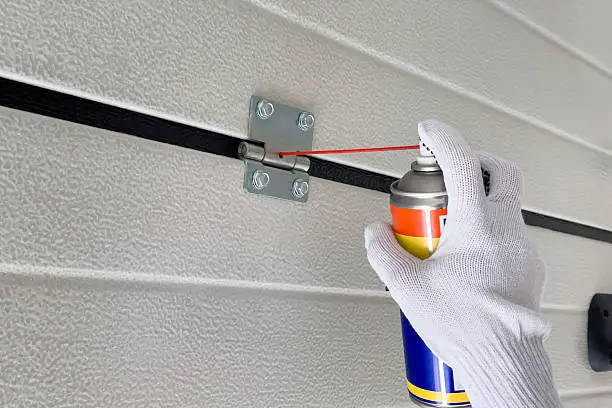
Gıcırdayan menteşeleri ve kilitleri sabitleme
-
Sıkışmış cıvataları veya fermuarları gevşetmek
-
Bahçe aletlerini pastan korumak
Otomotiv
-
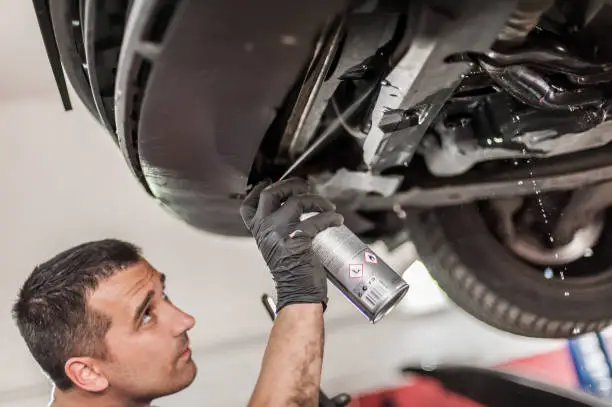
Araba kapı menteşelerinin yağlanması, koltuk rayları, ve akü terminalleri
-
Motor parçalarının temizlenmesi ve korunması
-
Aşınmış somun ve cıvataların serbest bırakılması
Endüstriyel ve Mekanik
-
Makine ve dişlilerin bakımı
-
Metal bileşenlerin oksidasyondan korunması
-
Yüksek stresli uygulamalarda sürtünmenin azaltılması
Denizcilik ve Havacılık
-
Tuzlu su ortamlarında korozyon koruması
-
Uçak bakımında yağlama
Elektronik ve Hassas Aletler
-
Hassas hareketli parçaların kalıntı bırakmadan yağlanması
-
Nem oluşumunun önlenmesi
Her uygulama, yağlayıcıda farklı özellikler gerektirir; bazıları suya dayanıklılık gerektirir, bazılarının iletken olmaması gerekir, diğerlerinin kalıntı bırakmadan kuruması gerekir. Doğru türü seçmek çok önemlidir.
Yağlayıcı Aerosoller Güvenli midir??
This is one of the most frequently asked questions—and a very valid one.
Yanıcılık
Most aerosols are flammable due to the propellants or solvent bases. Always check the label and avoid using near open flames or high heat.
Cilt teması
Generally safe in small amounts, but prolonged contact may irritate skin. Always wash your hands after use.
İnhalasyon
Use in well-ventilated areas to avoid inhaling fumes. Prolonged exposure may cause respiratory issues.
Çevresel Kaygılar
While traditional aerosols used harmful CFCs, modern versions use safer propellants. Hala, opt for low-VOC or water-based sprays when possible.
İmha etmek
Do not puncture or incinerate empty cans. Follow local hazardous waste guidelines for disposal.
İşyeri Güvenliği
Endüstriyel ortamlarda, ensure compliance with OSHA or local health and safety regulations. Material Safety Data Sheets (MSDS'ler) are essential for understanding risks.
Do Lubricant Sprays Expire?
Evet, onlar yaparlar, though the timeline varies depending on the formulation and storage conditions.
Son kullanma tarihi belirtileri:
-
Loss of pressure (the propellant escapes or degrades)
-
Change in spray pattern
-
Thickening or separation of ingredients
-
Foul smell or discoloration
Raf ömrü:
Most aerosol lubricants have a shelf life of 3 ile 5 yıllar, but some can last up to 10 düzgün bir şekilde saklanırsa yıl.
Depolama İpuçları:
-
Sakin ol, kuru yer
-
Avoid extreme heat or freezing
-
Store upright to prevent clogging
Always check the can for a manufacturer’s date or best-by label.
How to Choose the Right Lubricant Spray
Bu kadar çok seçenek varken, choosing the right one can feel overwhelming. Here’s a breakdown of what to consider:
1. Temel tip
-
Silikon: Water-resistant and non-staining. Great for rubber, plastik, and wood.
-
PTFE (Teflon): Excellent for reducing friction. Great for metal and high-speed moving parts.
-
Lithium Grease: Daha kalın, good for heavy-duty and long-lasting lubrication.
-
Dry Lubricants (Graphite or Molybdenum): Leave no residue. Perfect for locks and dusty environments.
-
Penetrating Oil: Ideal for loosening rusted parts.
2. Uygulama ortamı
-
Kapalı vs. Dış mekan: Outdoor sprays need water and UV resistance.
-
Sıcaklık aralığı: Choose high-temp formulations for engines or machinery.
3. Surface Material
-
Ensure compatibility with metal, plastik, lastik, veya kompozitler.
4. Ambalajlama & Nozzle Design
-
Some cans come with straw applicators or 360-degree spray mechanisms. These are useful for hard-to-reach areas.
5. Çevre Dostu
-
Su bazlı olanı arayın, toksik olmayan, biodegradable options.
How to Use Lubricant Spray Aerosols Effectively
Adım Adım Kılavuz:
-
Yüzeyi Temizleyin: Remove dirt and debris for better adhesion.
-
Kutuyu Sallayın: Ensures even mixing.
-
Test Spreyi: Try on a small area first.
-
Eşit Püskürtme: Hold 6–10 inches away.
-
Let it Penetrate: Especially for rusted parts.
-
Wipe Excess: Prevents dust accumulation.
-
Reapply as Needed: Depending on frequency of use and exposure.
İpucu için: Always store the can with the nozzle clean to avoid clogging.
FAQs About Lubricant Spray Aerosols
Q: Elektronik cihazlarda yağlayıcı spreyler kullanabilir miyim??
A: Yalnızca elektronik için özel olarak etiketlenmiş olanları kullanın; iletken değildir, düşük kalıntılı türler.
Q: Yağlayıcı spreyler kauçuk ve plastik üzerinde güvenli midir??
A: Bazıları, silikon bazlı spreyler gibi. Petrol bazlı yağlayıcılar kauçuğu veya plastiği bozabilir.
Q: Bunu temizleyici olarak kullanabilir miyim??
A: Nüfuz eden yağlar ve çok amaçlı spreyler kiri ve hafif pası temizleyebilir, ancak özel temizlikçilerin yerini almazlar.
Q: Beyaz lityum gres ile silikon sprey arasında fark var mı?
A: Evet. Lityum gres daha kalındır ve ağır metal-metal kullanımı için daha iyidir. Silikon daha hafiftir ve daha çok yönlüdür.
Q: Yağlayıcı spreyler donabilir mi??
A: Tipik olarak katı bir şekilde donmasalar da, performansları soğuk havalarda etkilenebilir.
Q: Arabada veya garajda spreyler bozulur mu??
A: Evet, ısı ve nem ürünü bozabilir. Mümkünse kapalı alanda saklayın.
Q: Are there food-safe versions?
A: Evet! For machinery in food processing, look for NSF H1-certified lubricants.
What to Avoid When Using Aerosol Lubricants
-
Don’t use around flames or sparks.
-
Don’t spray on painted surfaces without testing first.
-
Don’t use expired cans—they may not perform and could be dangerous.
-
Don’t mix different types (Örn., silicone and PTFE) on the same surface without cleaning first.
-
Don’t assume all lubricants are equal—each has specific uses.
Real-World User Tips

-
For bike chains: Use a dry lube to avoid dust buildup.
-
For locks: Graphite works better than oil—it won’t attract grime.
-
For garage doors: Lithium grease is ideal for long-lasting effect.
-
For squeaky fan motors: Use a non-residual, non-conductive lubricant.
-
For stuck bolts: Apply penetrating oil and let it sit for a few minutes before wrenching.
Çözüm: Trust FANXUN for Premium-Quality Lubricant Spray Aerosols
Choosing the right lubricant spray aerosol involves more than grabbing the first can on t he shelf. It’s about understanding your needs, the environment, and the specific surfaces you’re working with. Proper selection, kullanım, and storage will ensure better performance and longer-lasting results.
When it comes to manufacturing excellence and product diversity, FANXUN olarak öne çıkıyor birinci sınıf üretici ve tedarikçi of aerosol lubricant sprays. Whether you’re looking for products in varied specifications, base formulations, or packaging shapes, FANXUN can deliver precisely what you need—safely, effectively, and reliably.
No matter your industry or application, FANXUN'lar commitment to quality and innovation makes it the ideal partner for aerosol solutions.



