
 Türkçe
 English
 العربية
 Bosanski jezik
 Čeština
 Dansk
Dansk Nederlands
 Wikang Filipino
 Suomi
Suomi Français
 Deutsch
 Magyar
 Íslenska
 Bahasa Indonesia
 Italiano
 日本語
日本語 한국어
한국어 Bahasa Melayu
 Polski
 Português
 Русский
 Cрпски језик
 Español
 ภาษาไทย
 Tiếng Việt
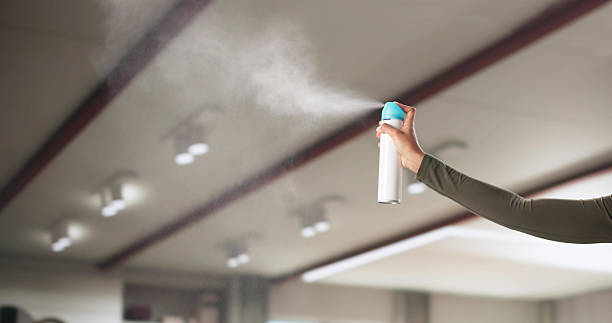
Bunu hayal et: unexpected guests are minutes away, the lingering scent of last night’s dinner hangs in the air, or maybe your living room just feels a bit… stale. What’s the quickest fix? Birçoğumuz için, the instinctive reach is towards an aerosol room spray. Bu tatmin edici psssshht sound is often followed by an immediate wave of fragrance, transforming the atmosphere in seconds.
Aerosol room sprays are ubiquitous. They line supermarket shelves, pop up in bathroom cabinets, and sit discreetly on office desks. They promise instant freshness, odor elimination, and a touch of ambiance with minimal effort. But how much do we Gerçekten know about these convenient cans?
What’s actually inside them? How do they work their magic so quickly? Are they safe to use freely around our homes, families, ve evcil hayvanlar? Çevresel etkileri ne olacak?? And are there alternatives if we have concerns?
If you’ve ever pondered these questions, Doğru yerdesin. This article is your comprehensive guide to the world of aerosol room sprays. We’ll delve into the science behind the spray, artılarını ve eksilerini keşfedin, discuss safety precautions, consider environmental factors, and help you make informed choices about freshening up your space. Sonunda, you’ll have everything you need to know, demystifying that familiar can and empowering you to use it wisely – or choose an alternative that suits you better.
Tam olarak ne öyle mi an Aerosol Room Spray?
Özünde, an aerosol room spray is a self-contained dispensing system. It holds a liquid product (the fragrance mixture) under pressure and uses a propellant gas to expel it as a fine mist or spray when you press the nozzle.
Think of it like a tiny, pressurized world inside a can, usually made of aluminum or steel. The key components are:
- Ürün Konsantresi: This is the ‘active’ part – what you actually want to spray into the room. It primarily consists of:
- Koku: Doğal esansiyel yağlar, synthetic fragrance compounds, or a blend of both, designed to create a pleasant scent.
- Çözücüler: Liquids like ethanol, isopropanol, or water that dissolve the fragrance oils and help them disperse evenly. They also aid in evaporation once sprayed.
- Diğer Katkı Maddeleri: Bazen, ingredients are added to neutralize odors (rather than just mask them), stabilize the formula, or prevent corrosion of the can.
- İtici: This is the crucial ingredient that makes it an aerosol. It’s a gas that is liquefied under pressure inside the can. Nozula bastığınızda, the pressure difference forces the liquid product and propellant mixture up a dip tube and out through the valve. Çıktıkça, the propellant rapidly expands back into a gas, shattering the liquid product into tiny droplets – the fine mist we see. Common propellants include:
- Liquefied Petroleum Gases (LPGs): Bütan, izobutan, and propane are very common due to their effectiveness and low cost. Fakat, they are highly flammable.
- Sıkıştırılmış Gazlar: Nitrogen or carbon dioxide are sometimes used. They are not flammable but may produce a coarser spray.
- Hidroflorokarbonlar (HFC'ler): Once used more widely, some types (like HFC-152a) are still found in certain products. While they don’t deplete the ozone layer like older CFCs, they are potent greenhouse gases.
- The Container: A pressure-resistant can, typically aluminum or steel.
- Vana ve Aktüatör (Nozul): The mechanism at the top that controls the release of the product when pressed. The design of the actuator helps determine the spray pattern and droplet size.
Bu yüzden, an aerosol room spray isn’t just “perfume in a can.” It’s a carefully engineered system designed for one purpose: to disperse a scented liquid quickly and efficiently into the air.
How Do Aerosol Room Sprays Work? The Science Behind the Spritz
Understanding the mechanics helps appreciate both the convenience and the potential concerns associated with aerosols. Here’s a step-by-step breakdown of what happens when you press that nozzle:
- Pressure Equilibrium: Kapalı kutunun içinde, the liquefied propellant exists in equilibrium with its gaseous state in the headspace (the empty space above the liquid). This creates significant pressure inside the can, much higher than the atmospheric pressure outside.
- Opening the Valve: Aktüatöre basmak (nozul) opens a valve. This valve connects the high-pressure interior of the can to the low-pressure environment outside.
- Up the Dip Tube: The high internal pressure forces the liquid mixture (product concentrate dissolved in liquefied propellant) up a plastic tube called the dip tube, which extends nearly to the bottom of the can.
- Through the Nozzle: The liquid mixture travels through the valve mechanism and into the narrow channels of the actuator.
- Atomizasyon: As the mixture exits the nozzle into the open air, the sudden drop in pressure causes the liquefied propellant to instantly boil and revert to its gaseous state. This rapid expansion violently breaks apart the product concentrate liquid into millions of tiny droplets. This process is called atomization.
- Dağılım: The force of the expanding propellant gas ejects these fine droplets into the air, creating the mist or spray cloud. The solvents help the fragrance droplets hang in the air for a short time before evaporating, releasing the scent molecules into the room.
Sonuç? A near-instantaneous release of fragrance that quickly diffuses throughout the immediate area. The fineness of the mist, determined by the propellant type, formülasyon, and nozzle design, allows the scent to spread effectively.
Why Do We Love Aerosol Room Sprays?
Despite growing awareness of potential downsides, aerosol room sprays remain incredibly popular. Their enduring appeal boils down to several key advantages:
- Instant Gratification: This is arguably the biggest draw. Nothing freshens a room faster. A quick spray delivers an immediate burst of fragrance, instantly changing the perceived atmosphere. Perfect for last-minute tidying or combating sudden unpleasant odors.
- Convenience and Ease of Use: No setup required, no water to add, no waiting for wax to melt or reeds to saturate. Sadece kutuyu al, nokta, ve sprey. It’s incredibly simple and requires minimal effort.
- Wide Variety of Scents: Piyasa seçeneklerle dolu, catering to virtually every preference. From light florals and crisp linens to warm vanillas, exotic spices, and seasonal specials, there’s a scent for every mood, room, and occasion.
- Effective Odor Masking: While some sprays claim odor neutralization, most excel at quickly maskeleme unwanted smells like cooking odors, pet smells, or bathroom staleness with a more pleasant fragrance.
- Mood Enhancement: Scent has a powerful connection to mood and memory. A pleasant fragrance can make a space feel cleaner, more welcoming, relaxing, or invigorating. Aerosol sprays offer an easy way to manipulate the olfactory environment.
- Taşınabilirlik: The self-contained cans are easy to move from room to room or even take on the go (though caution is needed during transport).
- Uygun fiyat: Compared to some high-end diffusers or premium candles, many aerosol room sprays are relatively inexpensive, making them accessible fragrance options.
These benefits combine to make aerosol room sprays a staple in many households, offering a quick, kolay, and effective solution for managing home fragrance and immediate odor issues.
Understanding the Ingredients and Potential Concerns
While the convenience is undeniable, it’s important to understand what we’re actually spraying into our homes. The ingredients in aerosol room sprays can have implications for health and the environment.
1. İtici gazlar:
- LPGs (Bütan, Propan, İzobütan):
- Profesyonel: Etkili, ucuz.
- Eksileri: Highly Flammable. This is the primary safety hazard. Aerosol cans must never be used or stored near open flames, kıvılcımlar, pilot ışıkları, or high heat. They are also Volatile Organic Compounds (VOC'ler).
- HFC'ler (Örn., HFC-152a):
- Profesyonel: Not ozone-depleting (unlike older CFCs, now banned). Often less flammable than LPGs.
- Eksileri: Potent sera gazları, contributing to climate change. Also VOCs. Regulations are increasingly targeting HFCs.
- Sıkıştırılmış Gazlar (Azot, Karbon Dioksit):
- Profesyonel: Yanıcı değildir, do not deplete ozone, low global warming potential.
- Eksileri: May produce a wetter, coarser spray. Can lose pressure more easily if propellant leaks.
2. Çözücüler (Etanol, İzopropanol, Glycols, su):
- These help dissolve fragrances and aid dispersion.
- Alcohols like ethanol and isopropanol are also VOC'ler and can be yanıcı.
- They evaporate quickly, releasing the fragrance but also contributing to indoor air pollutants.
3. Kokular:
- This is the most complex part. Fragrances can be blends of dozens or even hundreds of chemicals, both natural (uçucu yağlar) and synthetic.
- Potential Allergens: Many common fragrance ingredients (Örn., limonene, linalool, geraniol) can cause allergic reactions or skin sensitization in susceptible individuals. Regulations often require listing specific known allergens if they exceed certain concentrations, Ancak “koku” veya “parfum” on a label can hide a complex mixture.
- Respiratory Irritants: Strong scents or specific fragrance chemicals can irritate the airways, potentially triggering symptoms in people with asthma, alerji, veya kimyasal hassasiyetler.
- Ftalatlar: Some synthetic fragrances use phthalates (like DEP – diethyl phthalate) to make scents last longer. Concerns exist about potential endocrine-disrupting effects of certain phthalates, though DEP is generally considered safer than others that have been phased out of many consumer products.
4. Uçucu organik bileşikler (VOC'ler):
- This is a broad category of carbon-containing chemicals that easily evaporate at room temperature.
- İtici gazlar (LPGs, HFC'ler) ve çözücüler (alkoller) are major sources of VOCs in aerosol sprays. Many fragrance components are also VOCs.
- Sağlık Etkileri: VOC'ler iç mekan hava kirliliğine katkıda bulunabilir. Short-term exposure can cause headaches, baş dönmesi, bulantı, and irritation of the eyes, burun, and throat. Long-term exposure to high levels of certain VOCs has been linked to more serious health issues.
- Environmental Effects: Açık havada, VOCs react with nitrogen oxides in the presence of sunlight to form ground-level ozone (duman), insan sağlığına ve ekosistemlere zararlı önemli bir hava kirleticidir.
Understanding these components highlights the need for caution and responsible use. The convenience of the spray comes with potential trade-offs for indoor air quality and, depending on the ingredients, broader environmental impact.
Önce güvenlik: Using Aerosol Room Sprays Responsibly
Given the ingredients and the pressurized nature of the can, safety is paramount when using aerosol room sprays. Following these guidelines can significantly minimize risks:
- Havalandırma Önemlidir: ALWAYS use aerosol room sprays in well-ventilated areas. Open windows or doors after spraying to allow fresh air to circulate and disperse the chemicals and fragrance. Bunları küçük boyutlarda kullanmaktan kaçının, enclosed, unventilated spaces.
- Isıdan ve Alevden Uzak Tutun: Bu yeterince vurgulanamaz. Aerosol kutuları, especially those using LPG propellants, var olan highly flammable. Asla açık alevlerin yakınına püskürtmeyin (mum, şömineler, gas stoves), pilot ışıkları, kıvılcımlar (Statik elektrik dahil), sigaralar, or hot surfaces. Püskürtme sırasında sigara içmeyin.
- Düzgün Saklayın: Kutuları serin bir yerde saklayın, dry place away from direct sunlight and heat sources (like radiators or ovens). Temperatures above 120°F (50° C) can cause the can to burst. Never leave them in a hot car.
- Avoid Spraying Directly on Surfaces: The solvents and fragrance oils can damage, stain, or leave residues on furniture, kumaşlar, plastics, ahşap kaplamalar, painted surfaces, and electronics. If accidental spraying occurs, wipe the surface immediately.
- Do Not Spray Towards People or Pets: Avoid spraying directly at faces, gözler, veya cilt. Intentional inhalation is dangerous. Keep sprays out of reach of children and pets, who may be more sensitive to the ingredients. Spray upwards into the center of the room, away from living beings.
- Be Mindful of Sensitivities: If you or someone in your household has asthma, alerji, respiratory problems, veya kimyasal hassasiyetler, use aerosol sprays with extreme caution or avoid them altogether. Fragrances and VOCs can trigger adverse reactions. Consider fragrance-free options or alternative methods if sensitivity is a concern.
- Delmeyin veya Yakmayın: Hatta bir “boş” artık itici gaz ve basınç içerebilir. Never try to puncture the can or dispose of it in a fire or incinerator, as it could explode.
- Follow Label Instructions: Always read and follow the specific warnings and usage instructions provided on the product label.
- Uygun bertaraf: Disposal regulations vary. Many communities consider aerosol cans hazardous waste due to their pressurized nature and flammable contents. Check with your local waste management authority for proper disposal procedures. Do not simply toss them in the regular trash or recycling unless explicitly permitted.
Responsible use involves being aware of the potential hazards and taking simple precautions to mitigate them.
The Impact Beyond Your Walls
The convenience of aerosol room sprays also comes with an environmental footprint that’s worth considering:
- VOC Emisyonları: Tartışıldığı gibi, VOCs contribute to indoor air pollution and the formation of ground-level ozone (duman) açık havada. While regulations have tightened on VOC content in consumer products in some regions, they remain a significant component.
- Sera Gazları: HFC itici gazları, although not ozone-depleting, have a high Global Warming Potential (GWP), contributing to climate change. Choosing products with non-HFC propellants (like LPGs or compressed gases) avoids this specific issue, though LPGs have their own VOC impact.
- Ozonun tükenmesi (Historical Context): Older aerosol products used Chlorofluorocarbons (CFC'ler) itici gaz olarak, which were found to severely damage the Earth’s protective ozone layer. Following the Montreal Protocol, CFCs have been phased out globally in aerosols and replaced with alternatives like LPGs, HFC'ler, veya sıkıştırılmış gazlar. Modern room sprays do not deplete the ozone layer.
- Atık Üretimi: Aerosol kutuları genellikle çelik veya alüminyumdan yapılır., which are recyclable materials. Fakat, the mix of residual product, itici gaz, and the pressurized nature of the can often complicates recycling. Many municipalities classify them as hazardous waste, meaning they require special handling and may end up in landfills if not disposed of correctly. The plastic components (kap, aktüatör) also contribute to plastic waste.
- Kaynak Tüketimi: Kutuları üretmek, sourcing the chemical ingredients, and transporting the final products all consume energy and resources, contributing to the overall carbon footprint.
While the direct impact of a single can might seem small, the cumulative effect of billions of aerosol products used globally is significant. Awareness of these factors can motivate consumers to use products more mindfully or seek out more sustainable alternatives.
Choosing the Right Aerosol Room Spray: Dikkate Alınacak Faktörler
If you decide that aerosol room sprays are the right choice for your needs, here are some factors to consider when Browse the shelves:
- Scent Profile: What kind of fragrance do you enjoy? Floral, meyveli, citrus, odunsu, baharatlı, taze (like linen or ocean breeze), or gourmand (like vanilla or baked goods)? Consider the room and the desired mood. A relaxing lavender might be great for the bedroom, while a zesty citrus could work well in the kitchen.
- Amaç: Are you primarily looking to quickly mask an unpleasant odor, or do you want to create a specific ambiance? Some sprays are marketed specifically for odor elimination, potentially containing neutralizing ingredients, while others focus purely on delivering a pleasant scent.
- Ingredient Sensitivity: If you or household members have sensitivities, carefully check the ingredient list (if available – full disclosure isn’t always required for fragrance components). Gibi terimleri arayın “hypoallergenic,” “boyasız,” veya “phthalate-free,” although these aren’t regulated guarantees. Consider sprays using essential oils eğer you know you tolerate them, but remember natural doesn’t automatically mean non-irritating. Spot test in a small area first.
- İtici Madde Tipi: Çevresel etki önemli bir endişe ise, look for sprays using compressed gases (azot, CO2) or be aware of the trade-offs between flammable but lower GWP LPGs and potentially less flammable but high GWP HFCs. This information is often on the label.
- Brand Reputation and Reviews: Check online reviews to see what other users say about the scent longevity, verimlilik, and whether the fragrance smells true to its description.
- Size and Price: Consider the can size and price point relative to how often you plan to use it.
By thinking through these factors, you can select a product that best aligns with your preferences, ihtiyaçlar, and values.
Exploring Alternative Ways to Freshen Your Home
If the safety or environmental concerns of aerosol sprays outweigh their convenience for you, or if you simply prefer other methods, there are numerous alternatives for adding fragrance to your home:
- Non-Aerosol Pump Sprays: These use a simple mechanical pump to dispense a liquid fragrance spray. They don’t contain propellants, eliminating flammability and pressurized can issues. The spray might be slightly wetter than an aerosol mist.
- Esansiyel Yağ Difüzörleri:
- Ultrasonic Diffusers: Use water and ultrasonic vibrations to create a cool mist of water and essential oil droplets. They double as humidifiers and allow you to customize scents using pure essential oils.
- Nebulizing Diffusers: Use pressurized air to atomize essential oils directly without water, delivering a more potent scent.
- Kamış Difüzörler: Use rattan reeds placed in a container of fragrance oil. The oil travels up the reeds and evaporates, slowly releasing scent over weeks or months. No electricity or flame needed.
- Scented Candles: A classic choice for ambiance and fragrance. Choose candles made with natural waxes (soya, beeswax, Hindistan cevizi) and high-quality fragrance or essential oils for a cleaner burn. Always follow candle safety rules (trim wicks, never leave unattended, keep away from flammable items).
- Wax Melts / Tarts: Used with electric or tea-light warmers, these scented wax pieces melt to release fragrance without an open flame (unless using a tea-light warmer, which requires caution). Offer a wide variety of scents and easy cleanup.
- Potpuri: Kurutulmuş çiçekler, otlar, baharat, and botanicals, often enhanced with fragrance oils. Provides a gentle, decorative scent source.
- Solid Air Fresheners: Gels or cones that slowly release fragrance as they evaporate. Discreet and require no power or flame.
- Doğal Yöntemler:
- Opening Windows: The simplest way to clear stale air and bring in natural freshness.
- Kaynatma Tencereleri: Gently simmer water on the stovetop with citrus peels, tarçın çubukları, karanfil, otlar (like rosemary or mint), or vanilla extract. Creates a wonderful, natural aroma throughout the home.
- Ev bitkileri: Certain houseplants can help purify indoor air naturally over time (though their fragrance effect is minimal).
- Karbonat: Mükemmel bir doğal koku emici. Place open boxes or bowls in refrigerators, dolaplar, or rooms to neutralize smells.
Each alternative has its own set of pros and cons regarding scent intensity, uzun ömürlülük, maliyet, emniyet, çevresel etki, and effort required. Exploring these options allows you to find the perfect fit for your lifestyle and fragrance preferences.
Sık sorulan sorular (SSS) About Aerosol Room Sprays
Çeyrek: Are aerosol room sprays safe to use around pets and children?
- A: Dikkatli kullanın. Evcil hayvanlar, özellikle kuşlar ve kediler, can be very sensitive to airborne chemicals and fragrances. Children, particularly infants, also have more sensitive respiratory systems. Never spray directly on or near pets or children. Ensure excellent ventilation during and after use. If pets or children have respiratory issues or allergies, it’s best to avoid aerosol sprays or consult a vet/pediatrician. Keep cans stored safely out of reach.
Çubuk: How long does the scent from an aerosol room spray typically last?
- A: This varies greatly depending on the product formulation, the specific scent molecules (lighter top notes fade faster than heavier base notes), püskürtülen miktar, oda büyüklüğü, ve havalandırma. Genel olarak, the noticeable fragrance from an aerosol spray is relatively short-lived, often lasting from 30 minutes to a few hours.
Çeyrek: Can aerosol room sprays damage furniture, kumaşlar, or walls?
- A: Evet, potansiyel olarak. The solvents and oils in the spray can stain, discolor, or damage delicate surfaces like wood finishes, deri, ipek, certain plastics, and painted walls if sprayed too closely or allowed to settle heavily. Always spray towards the center of the room, away from surfaces, and wipe up any accidental overspray immediately.
Çeyrek: Are aerosol room sprays bad for the environment?
- A: Çevresel etkileri var. Modern sprays don’t deplete the ozone layer (no CFCs), but they do release VOCs (duman oluşumuna katkıda bulunmak) and potentially greenhouse gases (HFC'ler). The cans also contribute to waste streams and require resources to produce and transport. Choosing propellant types wisely and ensuring proper disposal can mitigate some impact, but alternatives generally have a lower footprint.
Q5: Can I recycle empty aerosol cans?
- A: Yerel geri dönüşüm programınıza bağlıdır. Because they are pressurized and may contain flammable residues, many programs consider them hazardous waste. Some specialized programs accept boş cans if specific preparation steps are followed (like ensuring they are completely empty and sometimes removing the plastic cap/nozzle). Always check with your local waste management provider. Never put them in regular recycling unless explicitly instructed to do so.
Q6: Do aerosol room sprays eliminate odors or just mask them?
- A: Most primarily mask odors by overpowering them with a stronger, daha hoş bir koku. Some products claim to contain odor neutralizers or eliminators that chemically react with and break down odor molecules. The effectiveness of these can vary. For persistent odor problems, addressing the source is usually more effective than relying solely on sprays.
Çeyrek: What are VOCs, and why are they a concern in room sprays?
- A: VOC'ler (Uçucu organik bileşikler) are chemicals that easily turn into gas at room temperature. In aerosol room sprays, itici gazlar (like LPGs, HFC'ler) ve çözücüler (like alcohol) are common VOCs, as are many fragrance components. They are a concern because they contribute to indoor air pollution, can cause short-term health effects (baş ağrısı, tahriş), potentially trigger asthma or allergy symptoms, and contribute to outdoor smog formation.
Çözüm: Freshening Your Space Wisely
Aerosol room sprays offer unparalleled speed and convenience for instantly changing the scent of a room or masking unpleasant odors. Their mechanism is a clever piece of engineering, delivering fragrance in a fine, easily dispersed mist. Fakat, bu kolaylık sorumlulukları da beraberinde getiriyor. Understanding the flammable nature of many propellants, the potential health effects of VOCs and fragrances, and the environmental considerations associated with their production and disposal is crucial for safe and informed use.
Her zaman güvenliğe öncelik verin: ventilate well, keep away from heat and flames, store properly, and be mindful of sensitivities in your household. Consider the environmental footprint and explore the wide array of alternative home fragrance options available if aerosols don’t align with your health priorities or values.
Nihayetinde, the choice of how to fragrance your home is personal. By understanding the full picture of aerosol room sprays – the good, the bad, and the science behind the spritz – you are empowered to make choices that keep your home smelling pleasant while also prioritizing safety, sağlık, and environmental consciousness.
And when seeking high-quality aerosol products, remember that reliable manufacturing is key. FANXUN stands out as a world-class manufacturer and supplier in the aerosol industry, capable of providing expertly crafted products in a wide variety of specifications and container shapes to meet diverse market needs. They represent the kind of expertise that goes into creating the aerosol products found on shelves worldwide.



