
 English
 العربية
 Bosanski jezik
 Čeština
 Dansk
Dansk Nederlands
 Wikang Filipino
 Suomi
Suomi Français
 Deutsch
 Magyar
 Íslenska
 Bahasa Indonesia
 Italiano
 日本語
日本語 한국어
한국어 Bahasa Melayu
 Polski
 Português
 Русский
 Cрпски језик
 Español
 ภาษาไทย
 Türkçe
 Tiếng Việt
Scaling a product line without the right tin container supplier is like building a food truck with a paper engine—looks fine at launch, stalls when the lunch rush hits. Orders spike, deadlines shrink, and suddenly your packaging partner can’t keep up. Dents show up. Coatings flake. Shipments drift. That’s not just a supply hiccup—that’s your brand’s reputation wobbling on a shaky shelf. For OEM buyers and procurement leads, the pressure is real: quality has to hold, costs can’t balloon, and timelines must behave.
The right partner isn’t just stamping metal; it’s guarding your margins, your safety standards, and your good name—quietly, consistently, at scale.
Key Points: Tin Container Supplier Guide
➔ Manufacturing Mastery: Deep drawing, impact extrusion, welding, and lithography ensure durable, precise cans.
➔ Material Expertise: Tinplate steel to aluminum alloys balance weight, corrosion resistance, and compliance.
➔ Flexible Fulfillment: Custom tooling, just-in-time delivery, private-label warehousing meet OEM demands.
➔ Quality Assurance: ISO 9001, leak detection, pressure testing, and dimensional checks safeguard performance and reputation.
What Sets The Best Tin Container Supplier Apart?

Choosing the right tin container supplier is not just about price. It’s about trust, process control, and real engineering muscle. A serious tin container supplier understands metal packaging standards, pressure, and compliance like the back of their hand.
Expertise in Deep Drawing and Impact Extrusion
A high-level tin container supplier builds strength from the inside out through advanced deep drawing and impact extrusion within precise metal forming systems.
- Core manufacturing processes
1.1 Controlled blank preparation
1.2 Multi-stage deep drawing for uniform wall thinning
1.3 High-speed impact extrusion for monobloc shaping
1.4 Trim, necking, and dome profiling
- Engineering control
2.1 Real-time thickness monitoring
2.2 Tooling calibration under micron-level tolerance
2.3 Structural pressure simulation before mass container production
- Output performance
- Stable burst resistance
- Even lacquer adhesion
- Smooth valve compatibility
When a tin can manufacturers masters precision engineering, aerosol cans stay consistent under high internal pressure. That’s the difference between average and elite.
Mastery of Tinplate Steel to Aluminum Alloy Materials
Material choice is where a reliable tin container supplier quietly proves its value.
Key focus areas include:
- Tinplate steel purity and coating weight
- Electrolytic tinplate consistency
- Lightweight aluminum alloy optimization
- Smart alloy selection based on filling media
Performance comparison used in actual sourcing decisions:
| Material Type | Thickness (mm) | Corrosion Resistance (hrs salt spray) | Weight Reduction (%) | Typical Application |
|---|---|---|---|---|
| Standard tinplate steel | 0.20 | 96 | 0 | Industrial aerosol |
| Electrolytic tinplate | 0.18 | 120 | 5 | Food-grade spray |
| Aluminum alloy 1070 | 0.45 | 240 | 18 | Personal care |
| Aluminum alloy 3003 | 0.50 | 260 | 22 | Pharma aerosol |
| Reinforced tinplate | 0.23 | 110 | -3 | High-pressure gas |
Strong material science and disciplined metal sourcing protect against internal corrosion and product contamination.
“Metal packaging demand in aerosol applications continues to rise due to pressure resistance and recyclability advantages,” notes Smithers in its global metal packaging outlook.
FANXUN applies this data-driven approach, balancing material properties with regulatory limits for global markets.
Rigorous ISO 9001, Leak Detection, and Dimensional Accuracy
A trusted tin container supplier never cuts corners on ISO 9001 and measurable quality management.
- System foundation
1.1 Documented SOP under manufacturing standards
1.2 Traceable batch coding
1.3 Continuous audit review
- Inspection layers
2.1 Automated leak testing (air pressure + water bath)
2.2 100% visual product inspection
2.3 Statistical dimensional control
- Tolerance governance
- Neck diameter within ±0.05 mm
- Wall thickness variance <3%
- Dome height strict tolerance control
A serious tin container supplier protects filling lines from downtime. FANXUN builds its reputation on stable output, tight specs, and cans that seal right the first time. When a tin container supplier aligns engineering, material control, and inspection discipline, global buyers stick around.
High Minimum Orders? Flexible OEM Tin Can Fulfillment
Finding a reliable tin container supplier can feel like a grind when Minimum Order Quantities look sky-high. Brands want flexibility, steady quality, and fair pricing. This is where a smart tin container supplier setup makes life easier. With FANXUN, customization builds and volume runs stay practical, not overwhelming.

Custom Tooling and Prototype Development
When working with a tin container supplier, early-stage accuracy saves serious money later.
- Design & Engineering
- Concept alignment
- Design sketches reviewed with client specs
- 3D previews through 3D modeling for fast feedback
- Technical validation
- Feasibility study on wall thickness and necking limits
- Stress testing for aerosol and three-piece formats
- Concept alignment
- Tooling & Mold Creation
- Precision mold creation
- Die-line confirmation
- Tolerance calibration
- Material trials
- Smart material selection for corrosion resistance
- Coating compatibility checks
- Precision mold creation
- Sample Production
- Pilot batch via controlled sample production
- Functional review
- Seam strength
- Print adhesion
- Fit with valves or lids
A dependable tin container supplier shortens this loop. FANXUN keeps tooling in-house, so revisions move fast and costs stay predictable.
Volume Production with Just-in-Time Delivery
Scaling up with a tin container supplier should not mean drowning in inventory.
- Manufacturing & Assembly
- High-speed manufacturing
- Automated assembly line integration
- Real-time quality control checkpoints
- Batch traceability
- Code tracking
- Defect isolation
- High-speed manufacturing
- Production Scheduling
- Rolling production scheduling
- Linked to filler demand
- Adjusted for seasonal spikes
- Capacity planning
- Shift balancing
- Downtime forecasting
- Rolling production scheduling
- Logistics & Shipment
- Coordinated logistics
- Pallet optimization
- Container loading plans
- Global dispatch
- Timely shipment windows
- Export documentation control
- Coordinated logistics
A skilled tin container supplier with solid supply chain management keeps goods moving. That’s how FANXUN supports brands that need steady output without warehouse overload.
Private-Label Solutions and Warehousing Options
Not every brand wants to run its own storage game. A flexible tin container supplier helps fill that gap.
- Branding & Packaging Design
- Custom branding
- Logo embossing
- Color matching
- Retail-focused packaging design
- Shelf-ready trays
- Multi-pack bundles
- Custom branding
- Storage & Inventory
- Secure storage
- Climate monitoring
- Batch separation
- Smart inventory management
- FIFO rotation
- Digital stock alerts
- Secure storage
- Distribution & Fulfillment
- Regional distribution
- Domestic hubs
- Overseas staging
- Full fulfillment services
- Pick and pack
- Custom labeling
- Regional distribution
As a seasoned aerosol can manufacturer and trusted tin container supplier, FANXUN blends private label work with warehousing support. Brands get breathing room, smoother launches, and fewer late-night supply chain headaches.
5 Factors To Vet Your Tin Container Supplier

Finding the right tin container supplier can feel tricky. One bad batch and your whole filling machine line slows down. A solid tin container supplier keeps quality tight, timelines clear, and costs steady. Below are five practical ways to size up a tin can supplier without the guesswork.
Manufacturing Processes: Welding Seams to Lithography Printing
When screening a tin container supplier, start on the factory floor.
- Metal forming and die cutting
- Sheet alignment accuracy
- Burr control after trimming
- Tolerance tracking records
- Body construction
- Inspection of welding seams strength
- Automated seam monitoring systems
- Internal coating coverage after welding
- Decoration and protection
- Precision in lithography printing color layers
- Uniform coating application thickness
- Final assembly compatibility with valves
A reliable tin container manufacturer will show aerosol can manufacturing process flow charts and real samples. If your tin container supplier can walk you from raw steel to finished aerosol can without dodging questions, that’s a good sign.
Material Specifications: Electrolytic Tinplate and Corrosion Resistance
Material quality separates an average tin container supplier from a long-term partner.
- Electrolytic tinplate source certification
- Verified steel grade documentation
- Measured tin coating thickness per batch
Check corrosion data and chemical compatibility reports for your formula. Food and pharma buyers should confirm FDA compliance for food-grade materials.
- Key focus
- Substrate
- Mill certificate review
- Surface cleanliness check
- Protection layer
- Internal lacquer type
- Claimed corrosion resistance hours in salt spray tests
A serious tin can wholesale supplier shares lab results without drama. That’s how a dependable tin container supplier earns trust.
Quality Standards: Pressure Testing and Surface Finish Inspection
Quality control is where promises meet numbers. Ask your tin container supplier for real testing data, not just claims.
Core inspections include:
- Pressure testing for burst and buckle limits
- Leak testing after crimp simulation
- Surface finish inspection for scratches
- Verification of dimensional accuracy
- Monitoring color consistency
- Review of coating integrity
| Test Item | Standard Value | Sample Size | Pass Rate (%) |
|---|---|---|---|
| Burst Pressure (bar) | ≥18 | 200 cans | 99.6 |
| Buckle Pressure (bar) | ≥13 | 200 cans | 99.2 |
| Leak Testing (kPa) | 0 leakage | 500 cans | 99.8 |
| Diameter Tolerance (mm) | ±0.10 | 300 cans | 99.5 |
Numbers like these help you compare one tin container supplier to another. Brands such as FANXUN back up reports with routine SGS audits, which keeps surprises off your production line.
Supply Chain Logistics: Palletized Shipments and Global Distribution
Production is only half the job. A capable tin container supplier also handles logistics smoothly.
- Packing method
- Palletized shipments with corner protection
- Stretch wrapping density control
- Transport planning
- Chosen shipping methods by urgency
- Optimized container loading ratio
- Cross-border handling
- Efficient customs clearance files
- Regional warehousing options
Ask about average lead times and backup routes. A global tin container supplier with stable global distribution reduces stock-outs and rush air freight costs.
OEM Requirements: Design Specifications and Technical Support
OEM buyers need more than standard cans. A flexible tin container supplier should support:
- Clear design specifications review
- In-house custom tooling development
- Early-stage prototyping samples
The flow often looks like this:
- Concept sketch
- Engineering drawing review
- Product development testing
- Trial filling
- Mass production with ongoing engineering assistance
Strong technical support speeds up approvals and cuts rework. FANXUN, for example, aligns its tin container supplier services with private label timelines, helping brands move from idea to shelf without drama.
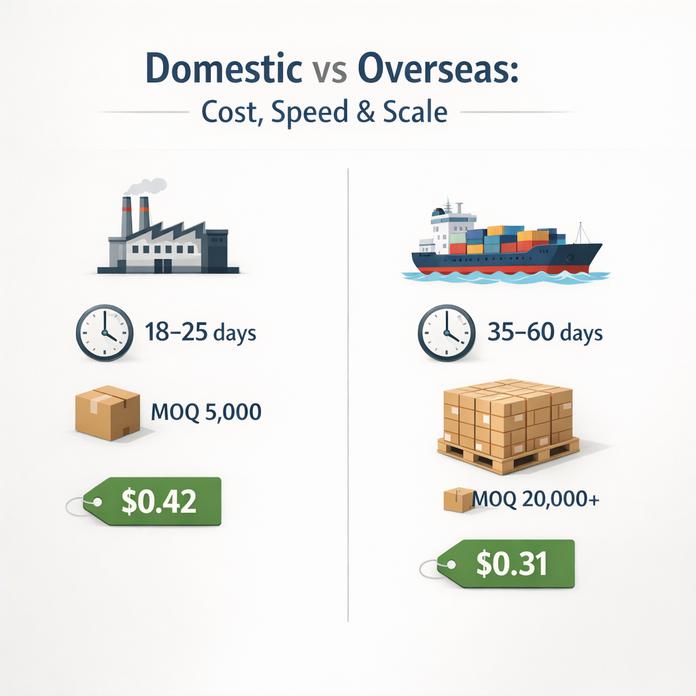
Domestic Vs. Overseas Tin Container Suppliers
Choosing the right tin container supplier can feel like picking a long-term partner. Cost matters, sure. But so do speed, quality, and how smoothly things run when deadlines get tight. Let’s break down domestic and overseas options in a practical, no-nonsense way.

Domestic Suppliers
A domestic tin container supplier often works best for brands that value control and quick turnarounds.
- Operations & Speed
- local manufacturing
- Shorter shipping times
- Reduced freight risk
- Faster lead times
- Easier production scheduling
- Lower safety stock pressure
- local manufacturing
- Communication & Compliance
- Clear communication ease
- Same time zone
- Fewer language gaps
- Stronger quality control
- On-site audits
- Faster corrective action
- Built-in regulatory alignment
- Clear communication ease
- Support & Flexibility
- Responsive support
- Quick sampling
- Small-batch runs
- Ideal for startups testing packaging with a nearby tin supplier
- Responsive support
Brands working with FANXUN as a trusted tin container supplier often highlight how local coordination simplifies artwork revisions and compliance checks. When speed beats pure price, domestic packaging solutions usually win.
Overseas Suppliers
An overseas tin container supplier shines when volume and pricing drive the decision.
- Cost & Scale
- Clear cost savings
- Massive production capacity
- Competitive tooling rates
- Logistics & Trade Factors
| Factor | Domestic Avg. | Overseas Avg. | Impact Level |
|---|---|---|---|
| Unit Cost (10k pcs) | $0.42 | $0.31 | High |
| Lead Time (days) | 18–25 | 35–60 | High |
| MOQ (pcs) | 5,000 | 20,000+ | Medium |
| Freight Cost/CBM | Low | Variable | Medium |
- Complex global logistics
- Exposure to import duties
- Longer supply chain planning cycles
- Possible cultural differences in negotiation and documentation
For high-volume programs, FANXUN also supports international aerosol can supplier strategies, helping buyers balance overseas tin container supplier pricing with risk control.
At the end of the day, picking a tin container supplier isn’t just about price tags. It’s about fit, timing, and how much operational stress you’re willing to carry.
Industrial Coatings: Robust Aerosol Cans
Aerosol packaging has to handle pressure, chemicals, and rough shipping without breaking a sweat. For any serious tin container supplier, coating choice isn’t cosmetic—it’s survival. From food safety to heavy-duty sprays, smart finishes keep metal containers safe, compliant, and long-lasting.

Powder Coating Versus Liquid Coating Applications
For a professional tin container supplier, selecting between powder coating and liquid coating depends on use, branding, and performance goals.
- Performance Priorities
- Durability
- Powder systems create thicker films.
- Higher chip resistance during transport.
- Surface finish
- Liquid systems allow smoother gradients.
- Better for high-detail logos on metal containers.
- Durability
- Technical Comparison
| Property | Powder Coating | Liquid Coating | Typical Film Thickness (µm) |
|---|---|---|---|
| Adhesion Strength | High | Moderate-High | 40–120 |
| VOC Emissions | Very Low | Higher | 15–40 |
| Cure Method | Heat Fusion | Solvent Evaporation | — |
| Environmental Impact | Lower | Moderate | — |
- Application Factors
- Application methods
- Electrostatic spray (powder)
- Air spray or dip (liquid)
- Cost and waste control
- Powder overspray recyclable
- Liquid requires solvent management
- Application methods
A trusted tin container supplier like FANXUN balances appearance with chemical resistance. That’s where smart coating strategy meets real-world packaging.
Food-Grade Coatings for Pharmaceutical Aerosols
When dealing with pharmaceutical aerosols, there’s zero room for guesswork. A reliable tin container supplier focuses on:
- Food-grade coating with certified biocompatibility
- Proven inertness to prevent formula reactions
- Full regulatory compliance for EU and FDA markets
Here’s how it typically flows:
- Material screening for extractables.
- Internal lining validation tests.
- Migration analysis to protect product integrity.
Short and simple: no leaching, no odor shift, no contamination.
FANXUN works closely with brands that need a food-safe tin food cans product solution. As a global tin container supplier, the team aligns coatings with spray formulas—saline, antiseptic, even nutraceutical mists. A dependable tin container partner understands that one coating flaw can compromise an entire batch.
Corrosion-Resistant Finishes for Industrial Sprays
Industrial sprays face moisture, solvents, and rough storage. A seasoned tin container supplier approaches corrosion resistance in layers.
- Environmental Exposure Risks
- High humidity warehouses
- Coastal salt air
- Chemical splash zones
- Protective Strategy
- Base Treatment
- Phosphate or passivation layer
- Mid Layer
- Epoxy lining for metal protection
- Topcoat
- External varnish for scratch control
- Base Treatment
- Longevity Outcomes
- Extended shelf life
- Stable pressure retention
- Reduced leakage claims
For automotive cleaners and heavy-duty industrial sprays, protective finishes are non-negotiable. A skilled tin container supplier ensures coating thickness matches the formula’s aggressiveness. FANXUN supports clients needing durable monotop cans that survive transport, storage, and daily shop-floor abuse without rust creeping in.
In the end, coating decisions shape product trust. And trust keeps containers moving.
FAQs
What sets a reliable tin container supplier apart in OEM production?
A good supplier feels the pressure of your launch date and treats your brand like their own.
- Craft skills: deep drawing and impact extrusion keep aerosol cans, aluminum aerosol cans, and three-piece cans strong and even
- Material judgment: tinplate steel, electrolytic tinplate, and aluminum alloy chosen by use, not habit
- Discipline: ISO 9001 certification, pressure testing, leak detection, dimensional accuracy, surface finish inspection
- Partnership tone: custom tooling, prototype development, private label solutions, steady technical support
How does material choice shape can performance and safety?
Material decisions carry real consequences once the can is filled and sealed.
| Application | Common Choice | Human Reason |
|---|---|---|
| Personal care aerosols | Aluminum cans | Light in hand, clean look |
| Automotive aerosols | Tinplate containers | Trustworthy corrosion resistance |
| Pharmaceutical aerosols | Electrolytic tinplate + food-grade coatings | Calm assurance of purity |
| Industrial sprays | Thicker tinplate steel | Confidence under pressure |
Material thickness, coating application, and necking operations quietly decide shelf life and user trust.
Why does ISO 9001 certification still matter so much?
Quality systems show character under stress.
- ISO 9001 certification anchors daily habits
- Aerosol industry standards guide pressure testing and welding seams
- Leak detection and surface finish inspection catch mistakes before markets do
- Dimensional accuracy keeps spray cans running smoothly on filling lines
This discipline protects both product and reputation.
How well can a tin container supplier support logistics and global demand?
Strong suppliers think beyond the factory gate.
- Bulk packaging and palletized shipments reduce transit damage
- Just-in-time delivery eases cash flow pressure
- Warehousing solutions soften seasonal swings
- Container freight and global distribution keep aluminum cans and aerosol cans moving across regions
Behind the steel and ink, calm logistics keep promises intact.
References
- Why Metal Packaging Matters – metalpackagingeurope.org
- Basics of Deep Draw Stamping – thefabricator.com
- Impact Extrusion Process – sciencedirect.com
- The Future of Metal Packaging to 2027 – smithers.com
- ISO 9001 Quality Management – iso.org
- Understanding Minimum Order Quantities (MOQ) – investopedia.com
- Supply Chain Management Definitions – ascm.org
- World Steel Standards – worldsteel.org
- Packaging Food Contact Substances – fda.gov
- Quality Control and Assurance Services – sgs.com
- US Customs and Border Protection: Basic Import/Export – cbp.gov
- Shipping and Packaging Regulations – packaginglaw.com
- What is Powder Coating? – powdercoating.org
- EudraLex: Medicinal Products Rules – health.ec.europa.eu
- Aerosol Standards and Legislation – bama.co.uk



