
 Русский
 English
 العربية
 Bosanski jezik
 Čeština
 Dansk
Dansk Nederlands
 Wikang Filipino
 Suomi
Suomi Français
 Deutsch
 Magyar
 Íslenska
 Bahasa Indonesia
 Italiano
 日本語
日本語 한국어
한국어 Bahasa Melayu
 Polski
 Português
 Cрпски језик
 Español
 ภาษาไทย
 Türkçe
 Tiếng Việt
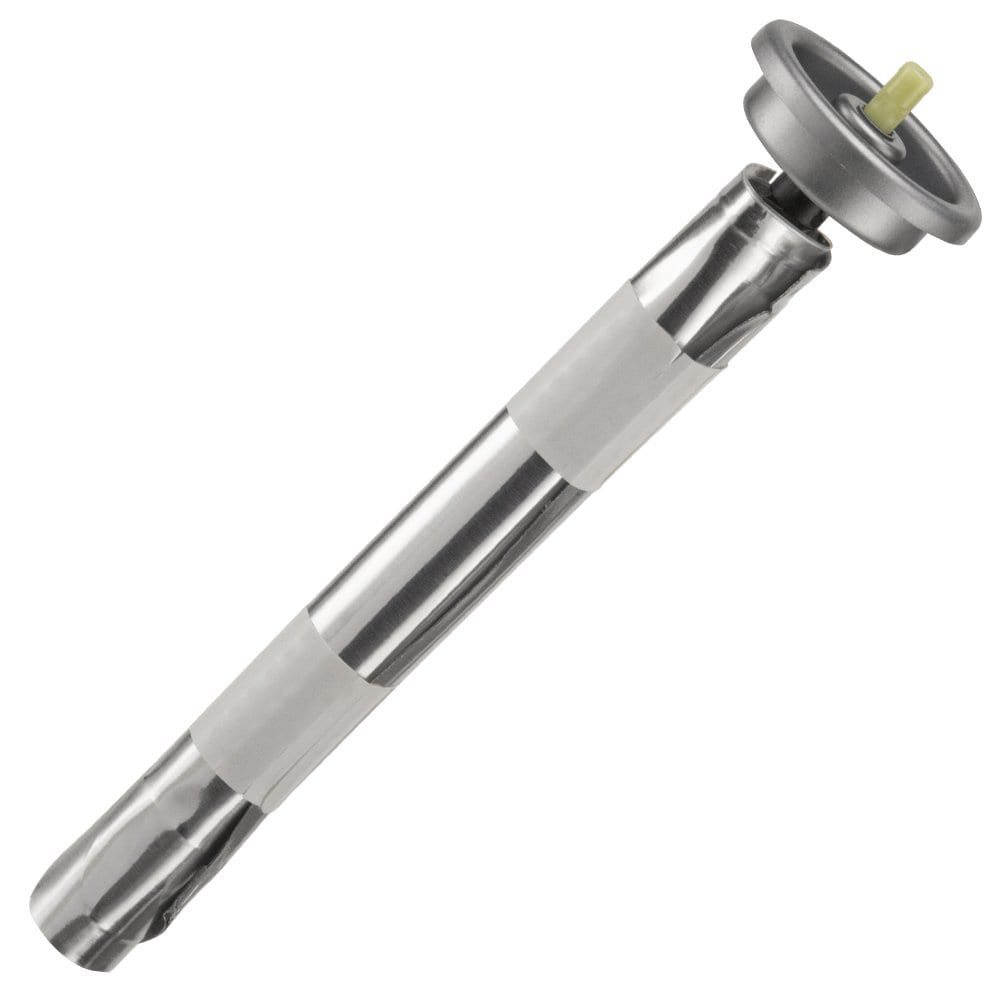
Аэрозольные баллончики. Они повсюду, не так ли?? From the hairspray on your vanity to the lubricant in your garage, the air freshener in your living room, or the paint for your weekend project. They promise convenience with a simple press of a button. But have you ever stopped to think about the can itself? Выбор верно aerosol can – or rather, продукт в the right can – goes beyond just picking the product you need. It involves considering performance, безопасность, воздействие на окружающую среду, and even cost-effectiveness.
It can feel overwhelming. You see rows upon rows of similar-looking cans. Some shout “экологически чистый,” others boast “professional results,” and many just contain the product you think you need. How do you navigate this? How do you choose лучше?
You’re not alone in feeling this way. Many of us grab a can off the shelf without a second thought, only to be disappointed by the spray pattern, worried about fumes, unsure how to dispose of it, or simply unaware of the technology and choices packed into that seemingly simple container.
This guide is for you. We’ll break down everything you need to know to become a more informed consumer of aerosol products. We’ll explore the different components of an aerosol can, the factors you should consider, how to use them safely, dispose of them responsibly, и в конечном итоге, make choices that are better for you, your task, и потенциально, планета. Let’s demystify the aerosol can together.
Что именно Является an Aerosol Spray Can?
Before we dive into choosing лучше банки, let’s quickly understand what they are. По своей сути, an aerosol can is a self-contained dispensing system. Обычно он состоит из:
- Контейнер: Обычно изготавливается из стали или алюминия, designed to withstand pressure.
- Продукт: The actual substance you want to dispense (краска, чище, лак для волос, и т. д.).
- Пропеллент: A gas (or liquefied gas) that is pressurized inside the can. Its job is to push the product out when the valve is opened.
- Клапан: A mechanism at the top that regulates the release of the product and propellant mixture.
- Привод (or Button/Nozzle): The part you press, which opens the valve and often shapes the spray pattern (туман, мыло, транслировать).
Когда вы нажимаете на актуатор, он открывает клапан. The higher pressure inside the can forces the mixture of product and propellant up a dip tube (a straw reaching near the bottom of the can) and out through the nozzle. По мере выхода смеси, the propellant rapidly expands into gas (if it was liquefied), helping to atomize the product into a fine spray or foam.
Why Does Choosing the Верно Aerosol Can Matter So Much?
You might think, “It’s just a can, does it really matter?” Да, it absolutely does, и вот почему:
- Product Performance: The can, клапан, and propellant system are specifically designed for the product inside. The wrong combination can lead to poor spray patterns (плеваться, uneven coverage), засорение, or inconsistent delivery. A high-viscosity product like paint needs a different setup than a low-viscosity product like an air freshener.
- Безопасность: Aerosol cans contain pressurized contents, and often flammable propellants or products. Choosing cans with appropriate safety features (like sturdy construction, clear warnings, sometimes pressure relief valves) and understanding safe handling practices is crucial to prevent accidents like bursts, пожары, or unintended exposure.
- Воздействие на окружающую среду: The type of propellant used, the material of the can, and its recyclability all contribute to the environmental footprint. Early aerosols used Chlorofluorocarbons (CFCS), which damaged the ozone layer. While CFCs are banned in most aerosols now, current propellants like Hydrocarbons (сжиженный нефтяной газ) or Dimethyl Ether (ДМЕ) can be Volatile Organic Compounds (Вокал) способствуя образованию смога, and some Hydrofluorocarbons (HFCS) have high Global Warming Potential (ПГП). Сжатые газы (like nitrogen or air) are often seen as greener alternatives. The can material (steel vs. алюминий) also affects recyclability.
- Экономическая эффективность: A well-designed aerosol system ensures you can use most, if not all, of the product inside. Poorly designed systems might lose pressure prematurely or have nozzles that clog easily, leaving you with a half-full but unusable can – a waste of money and product.
- Пользовательский опыт: Features like ergonomic actuators, specific nozzle types for targeted application (like a straw for lubricants), or even the overall feel and weight of the can contribute to how easy and pleasant the product is to use.
Choosing better isn’t just about being eco-conscious; it’s about getting a product that works well, is safe to use, and gives you value for your money.
Key Factors to Consider When Choosing Aerosol Products
Сейчас, let’s get practical. When you’re faced with a choice, what should you look for?
1. The Product Inside (The Most Crucial Factor)
This might seem obvious, but the nature of the product dictates much about the can design:
- Тип: Is it a paint, a lubricant, a cleaner, a cosmetic, a food product, или что-то еще? Each has specific requirements. Food products, например, need food-grade linings and propellants.
- Вязкость & Формулировка: Thick paints need different valve/nozzle systems and potentially higher pressure than thin liquids like glass cleaner. Some formulations might react with certain can materials or propellants.
- Химическая совместимость: The product must not corrode the can material or the internal lining, nor should it react negatively with the propellant. Manufacturers spend significant time ensuring compatibility, but it’s why you generally can’t (and shouldn’t try to) refill aerosol cans with different products.
What this means for you: While you can’t usually choose the can independently of the product, understanding that the can is адаптированный to the product helps explain why performance varies. If a specific brand consistently clogs or sprays poorly, it might be an issue with the can system’s compatibility or design for that particular формулировка.
2. Может Материал: Сталь против. Алюминий
Most aerosol cans you encounter are either steel (specifically tinplate steel) или алюминий.
- Сталь (Жестяная пластинка) Банки:
- Плюс: Very strong and durable, cost-effective to produce, widely recycled (magnetic separation makes sorting easy). They often form the bulk of aerosol cans for household cleaners, краски, и промышленные продукты.
- Минусы: Heavier than aluminum. Typically made from three pieces (тело, вершина, нижний), meaning they have seams. If the internal coating is damaged, the steel can rust, potentially contaminating the product.
- Алюминиевые банки:
- Плюс: Легкий вес, бесшовный (typically extruded, meaning no side seam), устойчивый к коррозии (naturally forms a protective oxide layer), excellent for shaping and printing, often preferred for cosmetics, Фармацевтические препараты, and food products where aesthetics and product integrity are paramount. Высокая переработка.
- Минусы: Generally more expensive to produce than steel cans. Less puncture-resistant than steel of similar thickness (though aerosol cans are designed to be robust).
What this means for you: Both materials are widely used and effective. Aluminum might signal a premium product (common in personal care) and is inherently more corrosion-resistant. Steel is the workhorse, strong and economical. Оба подлежат вторичной переработке когда пусто – a crucial point we’ll revisit.
3. Тип пороха: The Driving Force
The propellant is perhaps the most complex and environmentally relevant component. Here’s a breakdown of common types:
- Сжиженный нефтяной газ (сжиженный нефтяной газ): A blend of propane, бутан, и изобутан.
- Плюс: Excellent propellant properties, provides consistent pressure throughout the can’s life (as liquid boils to replace gas used), relatively inexpensive.
- Минусы: Легковоспламеняющийся. They are Volatile Organic Compounds (Вокал) that contribute to ground-level ozone (смог). Low Global Warming Potential (ПГП) compared to older HFCs. The most common type in many household aerosols.
- Диметиловый эфир (ДМЕ): Another liquefied gas.
- Плюс: Good solvent properties (can help keep product mixed), provides consistent pressure. Miscible with water, making it useful for water-based formulations.
- Минусы: Легковоспламеняющийся. Also a VOC. Its GWP is very low.
- Гидрофторуглероды (HFCS): E.g., ГФУ-152а.
- Плюс: Non-flammable or low flammability, good performance.
- Минусы: Can have very high Global Warming Potential (ПГП). Regulations are phasing them out globally (like the Kigali Amendment to the Montreal Protocol). Less common now in consumer products due to environmental concerns and regulations, but still found in some technical or medical aerosols.
- Гидрофторолефины (ГФО): Newer generation refrigerants/propellants.
- Плюс: Low GWP and zero Ozone Depletion Potential (ОДП). Designed as replacements for HFCs.
- Минусы: Can be more expensive. Still relatively new in the aerosol market.
- Сжатые газы: Азот (), Углекислый газ (), Сжатый воздух.
- Плюс: Невоспламеняющийся, zero ODP, very low GWP, environmentally benign compared to liquefied gases. Often used in “Мешок на клапане” системы (см. ниже) or for specific spray patterns (НАПРИМЕР., cooking sprays often use или ).
- Минусы: Pressure drops as the product is used up (doesn’t maintain constant pressure like liquefied gases unless in specific systems). May not produce as fine a mist. Can be less efficient in expelling все the product in traditional aerosol setups.
What this means for you:
- Check the label for propellant type if you have concerns (especially flammability or environment).
- Recognize that “легковоспламеняющийся” is common due to LPG/DME – handle accordingly.
- Products using compressed gases might be marketed as “air powered” или “nitrogen powered” and are generally a greener choice from a GWP/VOC perspective, though performance might differ.
- Be wary of older products potentially containing HFCs.
A Note on Мешок на клапане (БоВ): This is a more advanced aerosol system. The product is inside a sealed bag в пределах the can. Пропеллент (usually compressed air or nitrogen) is filled in the space между the bag and the can. When you spray, the propellant squeezes the bag, forcing the product out.
- Плюс: Product and propellant never mix (good for sensitive products), can spray at any angle (даже вверх ногами), около 100% эвакуация продукта, uses environmentally friendly compressed gas propellants. Often used for creams, гели, and some food products.
- Минусы: More complex and expensive can system.
4. Клапан и привод (Сопло) Система
This is the interface between you and the product.
- Клапан: Controls the flow. Different valves are designed for different flow rates and product types (НАПРИМЕР., for foams vs. mists). You don’t usually see the valve itself, but its performance is critical.
- Привод (Сопло): This determines the spray pattern and usability.
- Spray Pattern: Мелкий туман (лак для волос, освежитель воздуха), грубое распыление (чистящие средства), транслировать (смазочные материалы), мыло (крем для бритья, cleaning foam). Some actuators are adjustable.
- Эргономика: How comfortable is it to press? Is it a simple button or an integrated trigger?
- Special Features: Удлинительные трубки (straws) for precise application (как WD-40), child-resistant designs, пломбы с защитой от несанкционированного вскрытия.
What this means for you: Think about how you need to apply the product. Do you need broad coverage or a targeted stream? Is ease of use over long periods important (trigger sprayers can be more comfortable)? If a nozzle clogs easily, it might be poorly designed for the product viscosity.
5. Размер и форма банки
Aerosol cans come in various standard diameters and heights, determining the volume of product they hold. Shapes can also vary, from standard cylinders to more ergonomically shaped cans, particularly in the personal care market.
What this means for you: Choose a size appropriate for your needs to avoid waste or running out too quickly. Consider storage space. Unique shapes might be easier to hold but harder to store.
6. Linings and Coatings
- Internal Lining: A thin coating inside the can (often epoxy, polyamide, or vinyl based) protects the can material from corrosion by the product and prevents the metal from contaminating or reacting with the product. The choice of lining is critical for product stability and shelf life.
- External Coating/Printing: Provides branding, инструкции, предупреждения, and some protection against external corrosion or scuffing.
What this means for you: While you can’t see the internal lining, it’s a vital component ensuring the product remains effective and safe throughout its shelf life. High-quality printing and clear information on the outside are signs of a reputable manufacturer.
7. Safety Features and Labeling
Reputable aerosol products will have clear safety information:
- Предупреждения: Flammability symbols, предупреждения о давлении (“Contents under pressure. Do not puncture or incinerate container. Do not expose to heat or store at temperatures above 120°F 1 / 50°C.”), first aid information.
1. books.google.com
- Инструкции: How to use the product correctly and safely (НАПРИМЕР., “Используйте в хорошо проветриваемом помещении.”).
- Ингредиенты: Including the propellant type (often listed).
- Child-Resistant Features: Some products may have caps or actuators designed to be difficult for young children to operate.
What this means for you: Всегда read the label before use. Pay attention to warnings and follow instructions carefully. The presence of comprehensive safety information is a good sign.
8. Экологические соображения (Summarized)
Выбор “лучше” can often involves weighing environmental factors:
- Переработка: Both steel and aluminum are highly recyclable когда пусто. Choosing products in these materials supports circularity.
- Propellant Choice: Favor products using compressed air, азот, или if available and suitable for your needs. Be aware of VOC content (сжиженный нефтяной газ, ДМЕ) and avoid HFCs if possible. Look for labels indicating low VOC content or lower GWP propellants (like HFOs).
- “Экологичный” Claims: Be critical. What makes it eco-friendly? Is it the propellant? Recycled content in the can? A BoV system? Vague claims without specifics might be “greenwashing.”
- Product Concentration: Иногда, choosing a non-aerosol concentrate or solid form of a product can significantly reduce packaging waste and transport emissions.
Understanding Labels and Certifications
Reading the label is your best tool:
- Identify the Propellant: Look in the ingredients list.
- Note the Warnings: Воспламеняемость, давление, inhalation risks.
- Check for Instructions: Proper use, ventilation requirements.
- Look for Disposal Info: It usually directs you to check local regulations but might specify “Recycle if empty.”
- Recycling Symbols: Look for the standard steel or aluminum recycling symbols.
- VOC Information: Some regions (как Калифорния) require VOC content limits for certain products, which might be indicated.
- Сертификаты: While less common for the can itself, some products might have eco-certifications related to their formulation or overall impact.
Safe Handling and Storage of Aerosol Cans
Safety is paramount with pressurized products:
- Вентиляция: Always use aerosols in well-ventilated areas, especially paints, чистящие средства, и инсектициды. Avoid inhaling the spray.
- Heat and Flames: Keep cans away from heat sources, искры, Открытое пламя, и прямые солнечные лучи. Never store them in places that can get very hot, like a car trunk in summer or near a furnace. The recommended maximum storage temperature is usually 50°C (120°Ф).
- Puncturing/Incinerating: Never puncture or burn an aerosol can, even if you think it’s empty. Residual propellant can cause it to explode.
- Хранилище: Храните банки вертикально в прохладном месте., сухой, safe place, в недоступном для детей и домашних животных месте.
- Use Correctly: Don’t spray near eyes, лицо, or food unless the product is specifically designed for that purpose (НАПРИМЕР., cosmetic facial spray, кулинарный спрей).
Правильная утилизация и переработка: A Critical Step
Improper disposal is dangerous and wasteful. Вот как это сделать правильно:
- Убедитесь, что банка пуста: This is the MOST important step for recycling. A can is generally considered empty if it no longer sprays and you can’t hear any liquid or feel pressure when pressing the nozzle. Do NOT puncture it to release residual pressure. Use the product completely according to its purpose.
- Check Local Regulations: This is crucial as rules vary significantly. Contact your local waste management authority, municipality, or check their website. They will tell you if empty aerosol cans are accepted in your curbside recycling bin, need to be taken to a special drop-off location (like a household hazardous waste facility), or have other specific instructions.
- Переработка (If Permitted Locally):
- If your locality accepts пустой aerosol cans in recycling:
- Make sure it’s completely empty.
- Remove any loose plastic caps or nozzles (check if these are recyclable separately).
- Place the empty metal can in your recycling bin.
- Steel and aluminum are valuable materials, so recycling them saves energy and resources.
- If your locality accepts пустой aerosol cans in recycling:
- Утилизация (If Not Recyclable Locally or Not Empty):
- If the can is нет empty or your area doesn’t recycle them, it’s often treated as household hazardous waste (ХХВ).
- Take it to an HHW collection event or facility. Do NOT put pressurized or partially full cans in your regular trash, as they can pose risks to sanitation workers and equipment.
Never assume – always check your local rules!
Are There Alternatives to Aerosols?
Хотя аэрозоли обеспечивают удобство, sometimes alternatives are worth considering:
- Насосные спреи: Manually operated pumps for liquids like cleaners or hairsprays. No propellant needed.
- Trigger Sprayers: Similar to pump sprays, often used for larger volume cleaning products.
- Concentrates: Products you dilute with water in a reusable spray bottle. Reduces packaging waste significantly.
- Solid or Stick Forms: Дезодоранты, полирует, cleaning bars.
- Лосьоны, Кремы, Гели: For personal care products.
- Мешок на клапане (БоВ): Как упоминалось ранее, this is still an aerosol technology but uses compressed air/nitrogen and separates product from propellant, offering environmental benefits over traditional aerosols.
Choosing an alternative often depends on whether the specific delivery method of an aerosol (мелкий туман, мыло) is essential for the product’s function.
Часто задаваемые вопросы (Часто задаваемые вопросы)
- Q1: Are all aerosol cans bad for the environment?
- А: Не обязательно “плохой,” but they have an environmental footprint. Modern aerosols don’t use ozone-depleting CFCs. Однако, common propellants like LPG/DME are VOCs contributing to smog, and some alternatives (HFCS) have high GWP. Сжатый газ-вытеснитель (воздух, , ) are much better in terms of GWP/VOCs. The cans themselves (steel/aluminum) are recyclable when empty. Choosing cans with greener propellants and recycling empty cans helps mitigate the impact.
- Q2: Can I recycle aerosol cans?
- А: Да, пустой steel and aluminum aerosol cans are recyclable. Однако, you MUST check your local recycling program rules. Some accept them in curbside bins, while others require drop-off at special facilities. Never recycle partially full cans.
- Q3: What does VOC mean on an aerosol can?
- А: VOC stands for Volatile Organic Compound. These are chemicals that easily evaporate into the air and can react with sunlight to form ground-level ozone (смог), which is harmful to human health and the environment. Many common propellants (сжиженный нефтяной газ, ДМЕ) and some product ingredients are VOCs. Regulations often limit VOC content in certain aerosol product categories.
- Q4: Why do some cans stop spraying even if they feel full?
- А: This can happen for several reasons: the nozzle is clogged (try cleaning it according to product instructions, perhaps by soaking in warm water if appropriate), the dip tube is blocked, the valve mechanism has failed, или, sometimes with compressed gas propellants, the pressure has dropped too low to expel the remaining product effectively. Using the can at extreme angles can also sometimes cause propellant loss without product delivery.
- Q5: Являются “air powered” aerosols really better?
- А: From an environmental perspective regarding the propellant, да. They use compressed air or nitrogen, which have negligible GWP and are not VOCs. This often involves Bag-on-Valve technology, which can also lead to less product waste. The performance (ощущение распыления) might be different from traditional aerosols.
- Q6: What’s the main difference between aluminum and steel aerosol cans for me as a user?
- А: Функционально, both work well. Aluminum is lighter, бесшовный, and often used for personal care/food products due to corrosion resistance and aesthetics. Steel is heavier, very strong, often used for paints/industrial products, and is easily sorted for recycling due to being magnetic. Both are recyclable when empty.
- Q7: How do I know for sure if an aerosol can is empty?
- А: Нажмите на сопло. If nothing comes out (no product, no propellant hiss) and you cannot hear or feel any liquid sloshing inside when you shake it gently, it’s generally considered empty. Do not rely on shaking alone, as liquefied propellant can feel like liquid product. Never puncture the can to check. Если есть сомнения, treat it as non-empty and take it to an HHW facility.
Заключение: Making Informed Aerosol Choices
Выбор “лучше” aerosol spray can involves looking beyond the label promises and understanding the components inside. By considering the product itself, the can material (сталь или алюминий), тип используемого топлива (and its environmental implications), the valve and nozzle system, функции безопасности, and proper disposal methods, you can make more informed decisions.
It’s about finding a product that not only performs the task well but also aligns with your priorities regarding safety, Экологическая ответственность, and usability. Внимательно читайте этикетки, prioritize safety in handling and storage, and always check your local regulations for proper disposal and recycling of empty cans. Every small, informed choice contributes to a better overall experience and impact.
And when sourcing aerosol cans for commercial or industrial needs, partnering with a reliable manufacturer is key. Такие компании, как ФАНЬСУНЬ stand out as world-class manufacturers and suppliers in the aerosol can industry. They possess the capability to provide high-quality aerosol cans in a wide variety of specifications, материалы (including aluminum and tinplate), and shapes, tailored to meet diverse product requirements and industry standards. Whether you need standard sizes or custom solutions, established suppliers like FANXUN offer the expertise and range to deliver reliable and effective aerosol packaging.



