
 Русский
 English
 العربية
 Bosanski jezik
 Čeština
 Dansk
Dansk Nederlands
 Wikang Filipino
 Suomi
Suomi Français
 Deutsch
 Magyar
 Íslenska
 Bahasa Indonesia
 Italiano
 日本語
日本語 한국어
한국어 Bahasa Melayu
 Polski
 Português
 Cрпски језик
 Español
 ภาษาไทย
 Türkçe
 Tiếng Việt
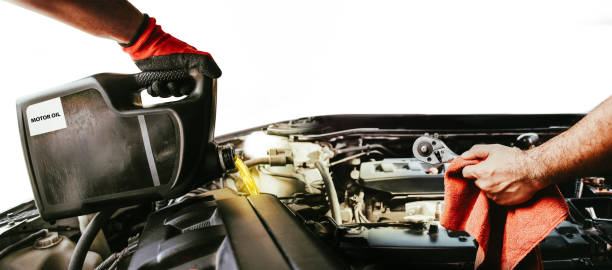
It’s a scenario many of us have faced. Maybe the low oil pressure light flickered on during a drive, or perhaps you remembered you haven’t checked the oil in a while right after arriving home from a long trip. Ты открываешь капюшон, feel the heat radiating from the engine block, and the question hits you: Can I actually put oil in my engine while it’s this hot?
Кажется, простой вопрос, but like many things with car maintenance, the answer isn’t just a straightforward “да” или “нет.” There’s nuance involved, considerations for safety, and best practices that ensure you’re doing right by your vehicle. As someone who’s pondered this exact question while staring at a steaming engine, I wanted to dive deep, explore all the angles, and create a definitive guide to solve this common dilemma once and for all.
Короткий ответ: Да, Но…
Технически, да, ты может add oil to a hot engine. Modern engine oils are specifically designed to withstand extremely high operating temperatures (often well over или ). Adding room-temperature or even cool oil (from your garage shelf) in the relatively small quantities needed for a top-up won’t usually cause catastrophic thermal shock to the massive, hot metal engine block.
Однако, just because you может doesn’t always mean it’s the лучший или самый безопасный способ. There are significant caveats, primarily concerning безопасность и точность.
When is the Идеально Time to Check and Add Engine Oil?
The consensus among mechanics and automotive experts is that the ideal time to check your oil level is when the engine is warm, but not scorching hot, and has been turned off for about 5-15 минуты.
Here’s why this “warm and settled” approach is preferred:
- Точность: When your engine is running, oil is actively circulating, lubricating all the moving parts. If you check the dipstick immediately after shutting the engine off, much of the oil will still be in the upper parts of the engine and hasn’t had time to drain back into the oil pan (отстойник) at the bottom. This will give you an artificially low reading, potentially leading you to overfill the engine if you add oil based on this inaccurate measurement. Waiting 5-15 minutes allows most of the oil to settle back into the pan, giving you a much more accurate reading on the dipstick.
- Безопасность: While still warm, the engine components won’t be at their absolute peak operating temperature after sitting for a few minutes. This slightly reduces the immediate risk of severe burns compared to working on an engine that was только turned off after heavy use. Key components like the exhaust manifold can remain dangerously hot for much longer, однако.
- Вязкость масла: Warm oil flows more easily than cold oil. While this is more critical for changing масло (to ensure complete draining), checking the level when warm ensures the oil on the dipstick is representative of its operating state. Checking stone-cold oil (НАПРИМЕР., first thing in the morning) is also accurate for level после it has settled overnight, но “warm and settled” method is often more practical as people frequently check after a drive.
Так, the hierarchy looks like this:
- Best: Warm engine, turned off for 5-15 минуты.
- Хороший: Cold engine (НАПРИМЕР., first thing in the morning before starting). The level reading will be accurate as all oil has drained back.
- Хорошо, but with Caution: Hot engine (just turned off), provided you wait a few minutes for settling and are extremely careful.
- Не рекомендуется: Checking while the engine is running (dangerous and inaccurate).
Безопасность превыше всего! Working Around a Hot Engine is No Joke
This is the most critical part if you делать decide to add oil when the engine is genuinely hot. Engine bays contain numerous components that reach incredibly high temperatures.
Potential Hazards:
- Выпускной коллектор: Often made of cast iron, this gets extremely hot and can cause instant, severe burns. It can stay hot long after the engine is off.
- Radiator and Hoses: Contain hot coolant under pressure. Avoid touching.
- Engine Block and Cylinder Head: The main metal parts of the engine retain significant heat.
- Oil Filler Cap and Dipstick: Can be hot to the touch. Hot oil might splash out when opening the cap.
- Other Components: Alternator, belts, pulleys, and various sensors can also be hot or pose entanglement risks if the engine were accidentally started.
Safety Precautions Checklist:
- Turn the Engine OFF: Never attempt to add oil while the engine is running. Ensure the keys are out of the ignition.
- Паркуйтесь на ровном месте: This is crucial for an accurate oil level reading and prevents the car from potentially rolling. Задействовать стояночный тормоз.
- Allow Some Cooling Time: Even if you can’t wait the ideal 10-15 минуты, letting it sit for even 2-5 minutes can slightly reduce the temperature of some surfaces and allow oil to start draining back.
- Носите защитное снаряжение:
- Перчатки: Heat-resistant work gloves are highly recommended.
- Защита глаз: Safety glasses can protect your eyes from potential splashes.
- Long Sleeves: Protect your arms from accidental contact with hot surfaces.
- Be Aware of Your Surroundings: Know where the hottest parts (like the exhaust manifold) are and keep your hands and arms clear.
- Remove Loose Clothing/Jewelry: Ties, scarves, necklaces, or loose sleeves can get caught in engine parts if it were to somehow start, or simply get dirty.
- Open the Oil Filler Cap Slowly and Carefully: Use a rag or glove to grip the cap. Turn it slowly to release any potential pressure before fully removing it. Angle your face away as you open it.
- Use a Funnel: Always use a clean funnel to add oil. This prevents spills onto hot engine components, which can create smoke, unpleasant smells, and even a potential fire hazard (хотя моторное масло has a relatively high flash point, spilled oil on a very hot exhaust manifold is still risky).
Помнить: Burns from hot engine components can be severe. If you are uncomfortable working around the hot engine, wait until it cools down further. There’s rarely a situation so urgent that you must add oil to a scalding hot engine immediately.
Adding Oil vs. Changing Oil: A Key Distinction
It’s important to differentiate between добавление a small amount of oil to top it off and performing a full замена масла.
- Adding Oil (Topping Off): This involves adding maybe half a quart/liter or less to bring the level from the “Добавлять” mark up to the “Полный” mark on the dipstick. Adding this relatively small volume of cooler oil to the large volume of hot oil already in the sump is generally considered safe and poses minimal risk of thermal shock.
- Changing Oil: This involves draining все the old oil out and replacing it with several quarts/liters of new oil. Mechanics often prefer to drain the oil when it’s warm because warm oil flows out more quickly and completely, carrying more contaminants with it. Однако, draining large quantities of горячий oil is significantly more dangerous due to the risk of large spills and severe burns. Refilling with several quarts of cold oil into a very hot, пустой двигатель мощь theoretically pose a slightly higher (though still generally low) risk of thermal stress compared to just topping off, but the main concern with hot oil changes is the draining process.
Поэтому, the advice and precautions for добавление oil to a hot engine are focused mainly on the immediate safety of working around hot components and ensuring an accurate level check, rather than significant concerns about damaging the engine with the new oil itself.
Пошаговое руководство: How to Safely Add Oil to a Warm/Hot Engine
Хорошо, let’s walk through the process, assuming your engine is warm or hot, and you’ve decided it’s necessary to add oil now, following safety guidelines.
- Park Safely: Ensure your car is on a level surface and the parking brake is engaged.
- Turn Off Engine: Make sure the engine is completely off.
- Ждать (If Possible): Allow the engine to sit for at least 5-10 минуты. This helps with accuracy and slightly reduces temperatures. Use this time to gather your oil, a clean funnel, rags/paper towels, and put on your protective gloves and eyewear.
- Open the Hood: Securely prop it open.
- Locate the Dipstick: This usually has a brightly colored (часто желтый или оранжевый) loop handle. Если не уверен, обратитесь к руководству пользователя.
- Проверьте уровень масла (Initial Check):
- Carefully pull the dipstick out completely. Be mindful it might be hot.
- Wipe the end clean with a rag or paper towel.
- Fully re-insert the dipstick, making sure it goes all the way in.
- Вытащите его снова осторожно.
- Hold it horizontally or slightly angled down to prevent oil from running up the stick.
- Observe the oil level. There will be markings like ‘MIN’/’MAX’, ‘ADD’/’FULL’, or a cross-hatched area. Note where the oil film ends.
- Locate the Oil Filler Cap: This cap usually has an oil can symbol on it. Снова, check your owner’s manual if unsure. It’s often on the valve cover on top of the engine.
- Remove the Filler Cap: Using a gloved hand or a rag, slowly twist the cap counter-clockwise to remove it. Place it somewhere clean where it won’t get lost or contaminated with dirt.
- Insert the Funnel: Place a clean funnel securely into the filler opening. Ensure it’s stable.
- Add the Correct Oil: Double-check that you have the manufacturer-recommended oil type and viscosity (НАПРИМЕР., 5W-30, 0W-20 – check your owner’s manual!).
- Add Oil Incrementally: Это очень важно! Don’t just dump a whole quart/liter in. If the dipstick shows the level is at the ‘ADD’ or ‘MIN’ отметка, start by adding about half a quart (or half a liter). The distance between ‘MIN’ and ‘MAX’ on most dipsticks represents approximately one quart (or one liter), but it varies by car.
- Wait a Moment: Allow a minute or two for the added oil to flow down into the oil pan.
- Re-Check the Level: Remove the funnel, re-insert the dipstick, wipe it, re-insert it fully, and pull it out again to check the new level.
- Add More if Needed: If the level is still below the ‘FULL’ or ‘MAX’ отметка, add a smaller amount (НАПРИМЕР., a quarter of a quart/liter) and repeat the checking process. Sneak up on the correct level. It’s much easier to add a little more than it is to remove excess oil.
- Stop at Full: Do NOT fill beyond the ‘FULL’ or ‘MAX’ отметка.
- Replace Cap and Dipstick: Once the level is correct, remove the funnel, securely replace the oil filler cap (turn clockwise until tight), and ensure the dipstick is fully re-inserted.
- Clean Up: Wipe away any minor drips or spills with a rag. Dispose of oily rags properly.
- Wash Your Hands: Even if you wore gloves, wash your hands afterward.
Why Using the Верно Oil Matters More Than Temperature
While we’re focused on the время of adding oil, it’s vital not to forget the тип нефти. Using the wrong oil can cause far more long-term damage than adding oil at a less-than-ideal temperature.
- Вязкость: This refers to the oil’s thickness and ability to flow at different temperatures. It’s represented by numbers like 5W-30, 0W-20, и т. д.. The ‘W’ stands for ‘Winter,’ indicating its cold-flow properties, while the second number indicates its viscosity at high operating temperatures. Использование неправильной вязкости может привести к недостаточной смазке., повышенный износ двигателя, and reduced fuel efficiency.
- Тип масла: Общепринятый, Синтетическая смесь, or Full Synthetic? Современные двигатели, especially turbocharged or high-performance ones, often require synthetic oil due to its superior stability at high temperatures, better flow in cold weather, and enhanced cleaning properties.
- Технические характеристики: Look for API (Американский нефтяной институт) or ILSAC (Международный консультативный комитет по спецификациям смазочных материалов) ratings (like API SP or ILSAC GF-6) specified in your manual. These ensure the oil meets current performance standards.
Всегда, всегда, всегда consult your vehicle’s owner’s manual to find the exact type, вязкость, and specification of oil required for your engine. Keep a quart/liter of the correct oil in your trunk for emergencies – this avoids having to guess or use the wrong type if you need a top-up on the road.
The Dangers Lurking Beneath: Overfilling and Underfilling
Getting the oil level right is crucial. Both too much and too little oil can harm your engine.
Consequences of Overfilling:
- Oil Foaming: If the oil level is too high, the crankshaft whipping through it can churn the oil into a froth, like whisking egg whites. Aerated, foamy oil lubricates very poorly.
- Increased Oil Pressure: Can potentially strain seals and gaskets, приводящие к утечкам.
- Oil Consumption/Burning: Excess oil can be forced past piston rings or overwhelm the crankcase ventilation system, leading to blue smoke from the exhaust and potential damage to the catalytic converter.
- Reduced Performance: The increased drag from the crankshaft hitting the oil can slightly decrease engine power and fuel economy.
Consequences of Underfilling (Running Low):
- Повышенное трение и износ: Insufficient oil means metal parts don’t have an adequate lubricating film between them, приводит к быстрому износу.
- Перегрев: Oil plays a significant role in cooling engine components. Low oil levels reduce this cooling capacity, увеличивается риск перегрева.
- Нефтяное голодание: During cornering, braking, or acceleration, the remaining oil might slosh away from the oil pump pickup tube, temporarily starving the engine of lubrication. This can cause severe damage very quickly.
- Complete Engine Failure: Running an engine completely out of oil will lead to catastrophic seizure and destruction.
This is why regularly checking your oil level (ideally every couple of fuel fill-ups or at least once a month) is one of the most important pieces of preventative maintenance you can do.
Часто задаваемые вопросы (Часто задаваемые вопросы)
Let’s tackle some common related questions:
- Q1: Is it better to add oil when the engine is hot or cold?
- А: А идеальный time is when the engine is warm (not scorching hot) and has been off for 5-15 минут, чтобы дать маслу стечь обратно в поддон для получения точных показаний и немного более безопасного обращения.. Проверка/добавление в холодном состоянии (после ночевки) также является точным и безопасным. Добавление в очень горячем состоянии возможно, но менее идеально из-за риска для безопасности и потенциальной неточности, если вы не дождетесь, пока масло осядет..
- Q2: Что будет, если залить холодное масло в горячий двигатель? Есть ли риск расколоть блок?
- А: Для небольшого количества масла, необходимого для дозаправки (обычно кварта/литр или меньше), риск возникновения термического удара, достаточно значительного, чтобы повредить основные компоненты двигателя, такие как блок или головка, чрезвычайно низок. Моторное масло предназначено для того, чтобы выдерживать резкие перепады температур., а большая тепловая масса блока цилиндров быстро рассеивает разницу температур.. While theoretically possible under extreme and unlikely circumstances, it’s not a practical concern for routine top-offs.
- Q3: How long точно should I wait after driving to add oil?
- А: 5-15 minutes is a good rule of thumb. Less than 5 минуты, and the reading might be inaccurately low. Much longer, and the engine cools completely (which is also fine for checking/adding, just not “теплый”). The key is allowing time for the oil to drain back to the sump.
- Q4: Can I check the oil level immediately after turning the engine off?
- А: It’s not recommended for accuracy. Much of the oil will still be in the upper engine, giving a false low reading. Подожди хотя бы 5 минуты.
- Q5: What are the signs I definitely need to add oil?
- А: The primary sign is the oil level being at or below the ‘ADD’ or ‘MIN’ mark on your dipstick. Another urgent sign is the oil pressure warning light illuminating on your dashboard (the icon often looks like an old-fashioned oil can). If this light comes on while driving, pull over safely as soon as possible, turn off the engine, wait a few minutes, and check the oil level. Do not continue driving with the oil pressure light on, as severe engine damage can occur very quickly.
- Q6: I spilled a little oil on the engine while filling. Is that bad?
- А: Wipe it up as best you can with a rag. Small amounts will likely just burn off, creating some smoke and smell for a short time. A larger spill, especially onto the very hot exhaust manifold, carries a small fire risk and should be cleaned thoroughly. Using a funnel prevents most spills.
Заключение: Add Oil Wisely, Drive Confidently
Так, can you put oil in a hot car engine? Да, ты можешь, но лучше всего это делать осторожно и желательно после того, как двигатель немного остынет от максимальной рабочей температуры.. Идеальным подходом остается проверка и доливка масла, когда двигатель прогрет и простоял некоторое время. 5-15 минуты, обеспечение как точности, так и большего запаса прочности.
Всегда уделяйте приоритетное внимание своей безопасности, надев перчатки., помните о горячих компонентах, и осторожно открываем крышку заливной горловины. Используйте правильный тип и вязкость масла, указанные в руководстве пользователя., и добавляйте его постепенно, используя воронку, чтобы избежать переполнения. Регулярная проверка уровня масла имеет основополагающее значение для здоровья двигателя., предотвращение потенциально катастрофических последствий слишком низкого уровня.
Понимая простые шаги и меры предосторожности, изложенные здесь, вы можете уверенно контролировать уровень масла в двигателе, горячий или холодный, чтобы ваш автомобиль работал плавно и надежно на протяжении многих миль. Приятного вождения!



