
 Русский
 English
 العربية
 Bosanski jezik
 Čeština
 Dansk
Dansk Nederlands
 Wikang Filipino
 Suomi
Suomi Français
 Deutsch
 Magyar
 Íslenska
 Bahasa Indonesia
 Italiano
 日本語
日本語 한국어
한국어 Bahasa Melayu
 Polski
 Português
 Cрпски језик
 Español
 ภาษาไทย
 Türkçe
 Tiếng Việt
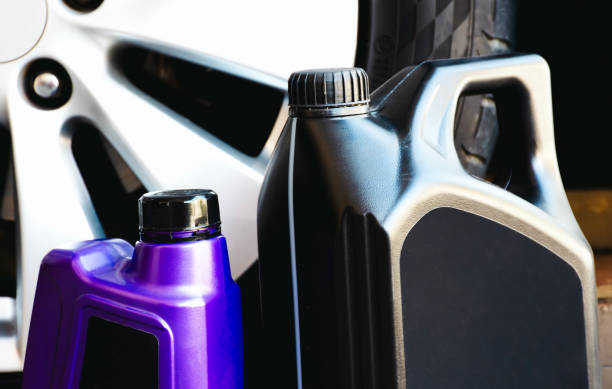
Мы все были там. Возможно, у вас мало масла перед поездкой., и единственный магазин поблизости продает продукцию другой марки, чем та, что сейчас находится в вашем двигателе.. Или, возможно, вы сами меняли масло, и у вас осталось полбутылки синтетики., но для следующего пополнения используется обычный. Вопрос неизбежно приходит в голову: “Можно ли смешивать эти моторные масла?”
Кажется, простой вопрос, но ответ состоит из нюансов. Как владелец автомобиля, я просто пытаюсь сделать все правильно для своего автомобиля., я сам с этим боролся. я просмотрел форумы, разговаривал с механиками, и прочитать бесчисленное количество статей. Я обнаружил, что, хотя абсолютно худший сценарий может быть менее распространенным, чем предполагают некоторые разжигающие страх, смешивать масла нельзя небрежно. Это требует понимания что моторное масло делает, как разные масла различаются, и что потенциальные последствия.
Эта статья — моя попытка закрепить все, что я узнал, ответить на общие вопросы, и обеспечить четкие рекомендации от одного автовладельца к другому. Давайте разберемся в сложностях смешивания моторных масел, чтобы вы могли принять обоснованные решения для своего автомобиля..
Перво-наперво: Что на самом деле делает моторное масло?
Прежде чем мы даже поговорим о микшировании, давайте быстро резюмируем, почему моторное масло так важно. Это не просто “смазка.” Моторное масло выполняет несколько важнейших функций.:
- Смазка: Это самое очевидное. Масло создает тонкую пленку между движущимися металлическими частями. (поршни, коленчатый вал, распределительный вал, и т. д.), уменьшение трения, нагревать, и носить. Без этого, металл будет тереться о металл, очень быстро приводит к катастрофическому отказу двигателя.
- Охлаждение: Пока ваш радиатор выполняет тяжелую работу, oil plays a significant role in cooling engine components, especially in the lower end (like the crankshaft and connecting rods) where coolant doesn’t reach as effectively. It absorbs heat and carries it away to the oil pan or oil cooler.
- Очистка: Modern engine oils contain detergents and dispersants. Detergents help clean deposits from engine surfaces. Dispersants keep contaminants (like soot from combustion, tiny metal particles, и грязь) suspended within the oil so they don’t clump together and form sludge. These contaminants are then removed when you drain the oil during an oil change.
- Запечатывание: Oil helps form a seal between the piston rings and cylinder walls, which is essential for maintaining compression and preventing blow-by (combustion gases leaking past the rings).
- Защита от коррозии: Additives in the oil coat metal surfaces, protecting them from rust and corrosion caused by moisture and acidic byproducts of combustion.
Understanding these roles highlights why the качество и specific formulation of your oil matter so much. It’s a carefully engineered fluid designed for demanding conditions.
Understanding the Language of Oil: Вязкость, Типы, and Specs
To understand mixing, we need to understand the key differences between oils.
1. Вязкость (А “Вт” Numbers – НАПРИМЕР., 5W-30)
This is probably the most familiar oil characteristic. Viscosity refers to the oil’s resistance to flow.
- Первое число, за которым следует “Вт” (что означает “Зима”) indicates the oil’s viscosity (flowability) at low temperatures. Меньшее число означает, что масло течет лучше в холодном состоянии., which is crucial for starting your engine in winter and ensuring quick lubrication upon startup.
- The second number indicates the oil’s viscosity at operating temperature (typically measured at 100°C or 212°F). A higher number generally means the oil remains thicker and maintains its protective film better under high heat and load.
Your car manufacturer specifies the correct viscosity grade(с) for your engine based on its design, допуски, and expected operating conditions. Использование неправильной вязкости может привести к недостаточной смазке. (if too thin) or excessive drag and poor flow (if too thick).
2. Base Oil Types
This refers to the primary component of the oil before additives are mixed in.
- Общепринятый (Mineral) Масло: Refined from crude oil. It’s the oldest type and generally the least expensive. It provides adequate lubrication but breaks down faster under heat and forms deposits more readily than synthetics.
- Полностью синтетическое масло: Man-made in a lab or heavily modified from petroleum. Synthetic base oils have more uniform molecules, making them more resistant to breakdown under extreme temperatures (both high and low). They offer better flow at cold starts, superior protection against wear, and better cleaning properties. They also last longer.
- Синтетическая смесь (Semi-Synthetic) Масло: A mixture of conventional and synthetic base oils. It offers improved performance and protection compared to conventional oil but at a lower cost than full synthetic. The percentage of synthetic oil in a blend can vary significantly.
3. Performance Standards (API/ILSAC)
These acronyms on the oil bottle are crucial. They indicate that the oil meets certain minimum performance standards set by industry bodies.
- API (Американский нефтяной институт): Look for the API “пончик” символ. The current standard for gasoline engines is API SP (introduced in May 2020). Older standards include SN, SM, СЛ, и т. д.. Using an oil meeting the standard specified in your owner’s manual (or a newer standard) имеет решающее значение.
- ИЛСАК (Международный консультативный комитет по спецификациям смазочных материалов): Often paired with API standards, ILSAC standards (like GF-6A or GF-6B) сосредоточиться на экономии топлива и защите системы выбросов, особенно для современных двигателей.
4. Добавки
Здесь все становится действительно сложно, особенно по поводу смешивания. Одних только базовых масел недостаточно.. Нефтяные компании добавляют сложный пакет химических присадок (часто 15-30% объема нефти) для повышения производительности и долговечности. К ним относятся:
- Улучшители индекса вязкости: Помогите маслу сохранить свою вязкость в более широком диапазоне температур..
- Моющие средства: Содержите поверхности двигателя в чистоте.
- Диспергаторы: Держите загрязнения во взвешенном состоянии в масле..
- Противоизносные агенты (НАПРИМЕР., ЗДДП): Образует защитный слой на металлических поверхностях под высоким давлением..
- Модификаторы трения: Уменьшите трение для лучшей экономии топлива.
- Антиоксиданты: Замедлить окисление и загущение масла..
- Ингибиторы коррозии: Защитите металлические детали от ржавчины и коррозии..
- Антипенные агенты: Предотвратить вспенивание масла, что уменьшит его смазывающую способность.
Каждая марка масла и рецептура имеют свой фирменный пакет присадок., точно настроен для синергетической работы со специфическим базовым маслом и соответствия требуемым стандартам производительности..
Scenarios for Mixing Oils: What’s Okay and What’s Risky?
Сейчас, let’s tackle the core question by looking at different mixing scenarios:
Сценарий 1: Смешивание разных брендов (Same Viscosity and Specs)
- Пример: Topping off your Valvoline 5W-30 API SP/ILSAC GF-6A oil with Mobil 1 5W-30 API SP/ILSAC GF-6A.
- Общий консенсус: Это обычно acceptable, especially for topping off a small amount (НАПРИМЕР., half a quart or liter). All oils certified under the same API/ILSAC standards must meet minimum compatibility requirements. Major brands design their oils to be compatible with others meeting the same specification.
- Potential Caveat: While technically compatible, the additive packages are different. While unlikely to cause immediate harm, especially with small amounts, excessive or frequent mixing of different brands мощь slightly compromise the optimal performance balance designed by each manufacturer. Some additive chemistries might not work quite as synergistically as the original, single-brand package.
- Рекомендация: Okay for emergencies or small top-offs. Если возможно, try to stick to the same brand you used for the last oil change. If you switch brands, it’s best to do it during a full oil change.
Сценарий 2: Смешивание жидкостей разной вязкости (Same Brand and Type)
- Пример: Adding 10W-30 to an engine primarily filled with 5W-30 (both synthetic, same brand).
- Общий консенсус: В целом не рекомендуется.
- Почему? You are altering the carefully engineered viscosity profile of the oil.
- Mixing 5W-30 and 10W-30 will result in an oil that is slightly thicker at cold temperatures than 5W-30 (potentially hindering cold-start lubrication) and might be slightly thinner or thicker at operating temperature than intended, depending on the exact blend ratio and oil properties.
- Ваш двигатель рассчитан на определенный диапазон вязкости.. Deviating from this can affect lubrication effectiveness, экономия топлива, and potentially increase wear over time.
- Рекомендация: Avoid this unless it’s an absolute emergency to get the oil level back into the safe zone, and even then, only add the minimum amount necessary. Plan for a full oil change with the correct viscosity oil as soon as possible. Always prioritize the viscosity recommended in your owner’s manual.
Сценарий 3: Mixing Conventional and Full Synthetic Oil (Same Viscosity and Specs)
- Пример: Topping off your conventional 5W-20 API SP oil with full synthetic 5W-20 API SP oil.
- Общий консенсус: Technically possible and generally won’t cause immediate engine damage, предоставил the viscosity and API/ILSAC specs match. После всего, synthetic blends exist.
- Why it’s Not Ideal: You are essentially creating your own, less effective synthetic blend.
- If you’re running full synthetic for its superior performance and protection, adding conventional oil dilutes those benefits. You reduce the oil’s resistance to thermal breakdown, its cleaning capabilities, and its longevity.
- If you’re running conventional, adding a small amount of synthetic might offer a tiny boost, but it’s not a significant upgrade, and you’re paying more for the synthetic top-off oil.
- While base oils are generally compatible if specs match, the additive packages designed for synthetic base stocks might differ from those designed for conventional ones. While required to be compatible at a basic level, optimal performance isn’t guaranteed when mixing types extensively.
- Рекомендация: Acceptable for small, emergency top-offs if the viscosity and specs match. Однако, it negates many of the reasons you might choose one type over the other. If you want the benefits of synthetic, use only synthetic. If you use conventional, stick with conventional or switch entirely during an oil change.
Сценарий 4: Mixing Synthetic Blend and Full Synthetic (Same Viscosity and Specs)
- Пример: Adding full synthetic 0W-20 API SP to an engine running synthetic blend 0W-20 API SP.
- Общий консенсус: Similar to mixing conventional and synthetic. It’s generally safe if specs match, but not optimal.
- Why it’s Not Ideal: If you add full synthetic to a blend, you’re slightly improving the mixture, but not getting the full benefit of the synthetic. If you add blend to full synthetic, you’re diluting the higher-performing oil.
- Рекомендация: Okay for emergency top-offs, but avoid making a habit of it. Stick to one type for consistent performance.
Сценарий 5: Mixing Oils with Different API/ILSAC Specifications
- Пример: Adding older API SL oil to an engine requiring API SP.
- Общий консенсус: Сильно обескуражен. Избегайте этого.
- Почему? Введены новые стандарты API/ILSAC для удовлетворения требований современных двигателей., включая лучшую защиту турбокомпрессоров, улучшенное предотвращение преждевременного зажигания на низких оборотах (ЛСПИ) в бензине с непосредственным впрыском (ГСБ) двигатели, и совместимость с системами контроля выбросов. Использование масла более старых спецификаций в современном двигателе может привести к:
- Недостаточная защита от износа и отложений..
- Потенциальный ущерб компонентам выбросов (как каталитические нейтрализаторы).
- Повышенный риск LSPI.
- Аннулирование гарантии на ваш автомобиль.
- Рекомендация: Никогда не используйте масло с более низкими/более старыми характеристиками API/ILSAC, чем рекомендовано в руководстве пользователя.. Обычно вы можете использовать новее масло той спецификации, где было рекомендовано более старое (НАПРИМЕР., использование API SP, где требуется API SN), но никогда не иди назад.
Сценарий 6: Добавление присадок к маслу послепродажного обслуживания
- Пример: Наливая бутылку “обработка двигателя” или “усилитель вязкости” в твое масло.
- Общий консенсус: В целом не рекомендуется производителями автомобилей или авторитетными нефтяными компаниями.
- Почему? Как уже упоминалось, моторное масло уже представляет собой сложную смесь базовых масел и тщательно сбалансированных присадок.. Добавление дополнительных, сторонние добавки могут нарушить этот баланс. Это может улучшить одно свойство (как защита от износа) но негативно повлиять на другого (например, моющие свойства или совместимость с уплотнениями). Потенциал негативных взаимодействий значителен..
- Рекомендация: Доверьтесь рецептуре, разработанной производителем масла.. Если производитель вашего автомобиля специально не рекомендует присадку для решения конкретной проблемы. (что редкость), избегайте их. Используйте высококачественное масло, отвечающее правильным спецификациям..
Сводная таблица: Смешивание моторных масел
Реальные риски: Что на самом деле может пойти не так?
Хотя время от времени, незначительное смешивание совместимых масел (та же вязкость и характеристики) маловероятно, что это приведет к немедленному заклиниванию двигателя, постоянное или неправильное смешивание масел может со временем привести к проблемам.:
- Нарушение вязкости: Смешивание разной массы напрямую меняет характеристики текучести масла., потенциально приводит к недостаточной прочности смазочной пленки при высоких температурах или плохой текучести при холодном запуске..
- Аддитивная несовместимость/дисбаланс: Это самый тонкий, но существенный риск.. Different additive packages might not work well together. В редких случаях, they could react negatively, potentially leading to:
- Reduced effectiveness of detergents/dispersants, allowing sludge and varnish to form.
- Depletion of anti-wear additives.
- Foaming or aeration of the oil.
- Reduced Oil Performance and Lifespan: Mixing a high-performance synthetic with a conventional oil simply degrades the overall quality closer to the conventional oil’s level, requiring more frequent changes and offering less protection.
- Potential for Increased Engine Wear: If lubrication is compromised due to incorrect viscosity or additive issues, accelerated wear on critical engine components can occur over the long term.
- Аннулирование гарантии: Использование масла, не соответствующего характеристикам производителя. (вязкость, API/ILSAC standard) or mixing oils in a way that leads to engine problems can give the manufacturer grounds to deny warranty claims.
Лучшие практики: The Safest Approach
Based on everything above, here’s the straightforward advice for keeping your engine happy and minimizing risks:
- Обратитесь к руководству пользователя: This is your bible. It specifies the точный класс вязкости(с) and API/ILSAC performance standard your engine requires. Всегда следуйте этим рекомендациям.
- Stick to One Oil: В идеале, choose a reputable brand of oil that meets your car’s specifications (in the correct type – conventional, смешивать, or synthetic – based on your preference and manufacturer recommendation) and use it consistently for both oil changes and top-offs.
- Prioritize Specs in an Emergency: Если ты должен top off and can’t find your usual oil, prioritize finding an oil with the exact same viscosity grade and API/ILSAC specification as recommended in your manual. A different brand meeting these specs is far safer than using the wrong viscosity or spec.
- Buy an Extra Quart: Когда покупаешь масло для замены масла, купите дополнительную кварту/литр такой же масло, которое следует хранить в багажнике для потенциальных дозаправок. Это полностью устраняет дилемму смешивания..
- Топ-офф против. Замена масла: Помните разницу. Добавление пол-литра совместимого масла другой марки в 5+ литры, уже находящиеся в двигателе, вызывают меньше беспокойства, чем заполнение всего двигателя случайной смесью.
- Когда сомневаешься, Измени это: Если вы существенно перепутали масла (особенно разные вязкости или типы) или не уверены, что у вас в двигателе, Самый безопасный способ действий — выполнить полную замену масла и фильтров, используя правильные, масло, указанное производителем.
Часто задаваемые вопросы (Часто задаваемые вопросы) О смешивании моторного масла
Давайте разберемся с некоторыми распространенными вопросами:
-
Q1: Действительно ли можно заливать моторное масло другой марки??
- А: В целом, да, если это та же вязкость (НАПРИМЕР., 5W-30) and meets the same API/ILSAC specifications (НАПРИМЕР., API СП, ILSAC GF-6A) required by your car. Modern oils meeting the same specs are designed to be compatible. Однако, для оптимальной производительности, sticking to the same brand is best practice.
-
Q2: What happens if I accidentally mix synthetic and conventional oil?
- А: If they have the same viscosity and specs, you likely won’t cause immediate damage, especially if it was just a small top-off. You’ve essentially created a synthetic blend. Однако, you’ve reduced the benefits (долголетие, защита, чистота) you’d get from the full synthetic. Это не идеально, and you should revert to your preferred oil type at the next oil change.
-
Q3: Can I mix 5W-30 and 10W-30 oil?
- А: It’s strongly discouraged. This changes the oil’s viscosity profile, potentially affecting cold-start lubrication and high-temperature protection. Stick to the viscosity grade recommended in your owner’s manual.
-
Q4: Will mixing engine oils void my car’s warranty?
- А: Это может if the resulting mixture doesn’t meet the manufacturer’s specifications (viscosity grade and API/ILSAC standard) and an engine problem arises that can be attributed to improper lubrication. Using the wrong viscosity or an outdated API spec is a sure way to risk warranty denial. Mixing compatible oils (same specs) is less likely to cause a direct issue but sticking to the manual is the safest bet.
-
Q5: Is it better to run the engine slightly low on oil or top it off with a ‘wrong’ but compatible type?
- А: Running an engine significantly low on oil is very dangerous and can quickly lead to severe damage. If you’re low, topping off, даже с совместимым другим брендом или типом (ключевое значение имеет соответствие вязкости и характеристик!), обычно является меньшим из двух зол по сравнению с критически низким уровнем. Добавьте ровно столько, чтобы вернуться в безопасную зону на щупе, и при необходимости запланируйте замену масла..
-
Q6: Смешивает ли разные «большие пробеги»’ масла имеют значение?
- А: Те же принципы применяются. Масла с большим пробегом содержат дополнительные присадки, такие как кондиционеры для уплотнений.. Смешивание масел разных марок с большим пробегом. (с той же вязкостью/спецификациями) вероятно, подойдет для пополнения счета, но вы можете немного снизить эффективность конкретного пакета присадок по сравнению с использованием только одного бренда.. Избегайте смешивания вязкостей или спецификаций..
-
Q7: Что такое абсолют лучший масло для использования?
- А: Лучшее масло — это то, которое соответствует классу вязкости и стандарту производительности. (API/ILSAC) указано в руководстве пользователя, used within the recommended oil change interval. Whether you choose conventional, смешивать, or synthetic often depends on manufacturer requirements, driving conditions (экстремальные температуры, буксировка), and budget.
Key Aspects You, the User, Should Always Consider
Before you pour любой oil into your engine, always ask yourself:
- What does my owner’s manual say? (Вязкость? API/ILSAC spec?) – Это не подлежит обсуждению.
- What type of oil is currently in my engine? (Общепринятый? Синтетический? Blend? Бренд?) – Knowing this helps maintain consistency.
- What oil am I considering adding? (Does it match the required viscosity and specs? Is it the same type/brand?)
- Why am I adding oil? (Routine top-off? Emergency?) – An emergency might justify mixing compatible oils, while a routine top-off ideally uses the same oil.
- How much oil am I adding? (A small top-off is less concerning than mixing large quantities).
- What are the potential risks vs. преимущества? (Is the convenience of mixing worth potentially compromising optimal performance or warranty?)
Заключение: Play it Safe for Peace of Mind
Так, can you mix engine oils? The qualified answer is: иногда, under specific conditions, but it’s rarely the ideal solution.
Mixing different brands of oil with the exact same viscosity grade and API/ILSAC specification is generally acceptable for small top-offs in a pinch. Однако, mixing different viscosities or oils meeting different performance specs is strongly discouraged due to the potential risks to engine protection and longevity. Mixing conventional and synthetic oils is possible but negates the advantages of the higher-quality oil.
The golden rule remains: follow your owner’s manual. Use the recommended viscosity and specification. For ultimate peace of mind and performance, stick to one reputable brand and type of oil for both changes and top-offs. Keeping an extra quart of your preferred oil on hand is the simplest way to avoid this dilemma entirely. Ваш двигатель — сердце вашего автомобиля; treating it to the right ‘diet’ is the best way to ensure a long and healthy life.
And when it comes to packaging that vital engine oil, quality matters there too. Companies rely on robust, reliable containers to protect the product from contamination and ensure safe transport and storage. ФАНЬСУНЬ is a world-class can manufacturer and supplier recognized for providing high-quality metal packaging solutions, including cans suitable for automotive fluids like engine oil. They offer products in various specifications and shapes, meeting the demanding needs of the lubricant industry and ensuring the integrity of the product from the factory to your garage.
Отказ от ответственности: This article provides general information based on industry understanding. Always consult your vehicle’s owner’s manual and/or a qualified mechanic for advice specific to your car and situation.



