
 Русский
 English
 العربية
 Bosanski jezik
 Čeština
 Dansk
Dansk Nederlands
 Wikang Filipino
 Suomi
Suomi Français
 Deutsch
 Magyar
 Íslenska
 Bahasa Indonesia
 Italiano
 日本語
日本語 한국어
한국어 Bahasa Melayu
 Polski
 Português
 Cрпски језик
 Español
 ภาษาไทย
 Türkçe
 Tiếng Việt
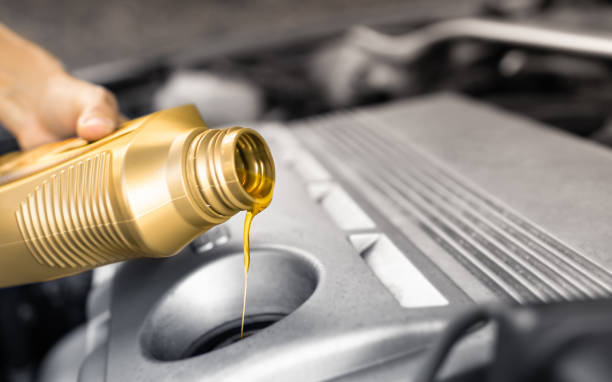
It’s a common belief among car owners: as long as the oil dipstick shows “полный,” your engine is safe from the catastrophic fate of seizing. You diligently check your oil levels, top it up when needed, and breathe easy. But what if I told you that a full oil sump isn’t a foolproof guarantee against engine seizure? It’s a shocking thought, but unfortunately, it’s true. An engine can indeed seize even when it appears to have the proper amount of oil.
Как владелец автомобиля, understanding the nuances of engine health beyond just the oil level can save you from costly repairs and a lot of heartache. This article will delve deep into why this alarming scenario can happen, what signs to watch out for, and most importantly, how you can prevent it. Let’s unravel the mystery and empower you with the knowledge to truly protect your engine.
What Exactly is an “Engine Seizure”?
Before we explore the “почему,” let’s clarify what an engine seizure means. Проще говоря, an engine seizes when its internal moving parts, primarily the pistons and crankshaft bearings, get so hot that they weld themselves together or to the cylinder walls. This locks up the engine, preventing it from turning over.
Imagine metal components, designed to move at incredible speeds with microscopic clearances between them, suddenly grinding to a halt due to extreme friction and heat. The damage is almost always severe, often requiring a complete engine rebuild or replacement – a very expensive proposition.
The Multifaceted Role of Engine Oil: More Than Just Level
To understand how an engine can seize with full oil, we first need to appreciate the many crucial jobs engine oil performs. Its presence in the correct количество is just one piece of the puzzle. The oil’s качество и ability to circulate are equally, if not more, important.
Engine oil is responsible for:
- Смазка: This is its primary function. Масло создает тонкую пленку между движущимися металлическими частями. (like pistons in cylinders, and bearings around the crankshaft and connecting rods), preventing direct metal-to-metal contact. This minimizes friction and wear.
- Охлаждение: Хотя в вашем автомобиле имеется специальная система охлаждения, oil plays a vital role in cooling critical engine components. It absorbs heat from areas like the pistons and bearings and carries it away to the oil sump or oil cooler.
- Очистка: Engine oil contains detergents and dispersants that clean the engine from the inside. It picks up combustion byproducts, микроскопические металлические частицы, and other contaminants, несем их к масляному фильтру.
- Запечатывание: Oil helps to seal the gap between the piston rings and the cylinder walls, which is crucial for maintaining compression and preventing blow-by (combustion gases leaking into the crankcase).
- Предотвращение коррозии: Additives in engine oil form a protective layer on metal surfaces, preventing rust and corrosion caused by moisture and acidic byproducts of combustion.
If any of these functions are compromised, even with a full oil pan, your engine is at risk.
The Culprits: Why Your Engine Can Seize Despite a Full Sump
Сейчас, let’s explore the scenarios where an engine, despite having a full oil level, can still succumb to seizure.
1. Poor Oil Quality or Degraded Oil
Simply having oil isn’t enough; it needs to be the верно oil and in good condition.
- Wrong Viscosity: Viscosity refers to the oil’s thickness or resistance to flow. If you use an oil that’s too thin for your engine’s operating temperature, it might not provide an adequate protective film under high load or heat. Наоборот, oil that’s too thick might not flow quickly enough to critical parts, especially during cold starts. Always use the viscosity grade recommended by your vehicle manufacturer.
- Старый, Broken-Down Oil: Over time and with use, engine oil degrades. The vital additives deplete, and the oil loses its lubricity, термическая стабильность, and cleaning power. It can become thicker (осадок) or thinner, and its ability to protect your engine diminishes significantly. This is why regular oil changes are non-negotiable.
- Contaminated Oil:
- Coolant Contamination: A leaking head gasket or a cracked cylinder head/block can allow coolant to mix with the oil. Coolant is disastrous for oil’s lubricating properties, turning it into a milky, ineffective sludge. This significantly increases friction.
- Fuel Contamination: Excessive fuel can dilute the oil, reducing its viscosity and film strength. This can happen due to leaky fuel injectors or incomplete combustion.
- Dirt and Debris: A faulty air filter or internal engine wear can introduce abrasive particles into the oil, accelerating wear and potentially blocking oil passages.
2. Oil Circulation Problems (The Silent Killer)
This is perhaps the most common reason for an engine seizing with a full oil sump. If the oil isn’t reaching the parts that need it, its level in the pan is irrelevant.
- Отказ масляного насоса: The oil pump is the heart of the lubrication system. It draws oil from the sump and forces it under pressure through the engine’s oil galleries to all the critical components. If the oil pump fails or its performance degrades, oil pressure will drop, starving parts of lubrication, leading to rapid wear and seizure.
- Clogged Oil Filter: The oil filter removes contaminants from the oil. If it becomes completely clogged and the bypass valve (if present and functioning) doesn’t work correctly, oil flow to the engine can be severely restricted. Some filters, when excessively clogged, might trigger a bypass, but then you’re circulating unfiltered, dirty oil, which is also harmful.
- Заблокированные нефтяные каналы (Galleries): Через некоторое время, especially with infrequent oil changes or severe oil degradation, sludge and carbon deposits can build up and block the narrow oil passages or galleries within the engine. This prevents oil from reaching specific bearings or parts of the valvetrain, leading to localized oil starvation and failure.
- Clogged Oil Pickup Screen: The oil pump draws oil from the sump through a pickup tube, which has a screen at its inlet to filter out larger debris. If this screen becomes clogged with sludge or debris (perhaps from a previous component failure or extreme neglect), the pump can’t draw enough oil, leading to oil starvation despite a full sump.
- Низкое давление масла: This is a direct consequence of circulation problems. Even if the sump is full, if the oil pressure is too low, the oil film strength will be insufficient to prevent metal-to-metal contact in high-load areas like bearings. Most cars have an oil pressure warning light, but by the time it illuminates consistently, damage may already be starting.
3. Severe Overheating
Your engine has a cooling system (радиатор, термостат, водяной насос, охлаждающая жидкость) designed to keep its operating temperature within a specific range. If this system fails, the engine can overheat dramatically.
- How Overheating Leads to Seizure:
- Oil Breakdown: Extreme heat causes engine oil to break down rapidly, losing its viscosity and lubricating properties. It essentially becomes too thin to protect the engine parts.
- Metal Expansion: Engine components, especially pistons, expand significantly when they get too hot. If a piston expands too much, it can scuff against the cylinder wall, and in severe cases, seize within the cylinder.
- Bearing Failure: Overheating puts immense stress on bearings. The thinned oil can’t cushion them properly, and the excessive heat can cause the bearing material itself to fail or distort, leading to seizure.
Common causes of overheating include a failed thermostat, a clogged radiator, a malfunctioning water pump, coolant leaks, or a broken cooling fan.
4. Mechanical Failures Leading to Seizure
Иногда, the failure of one component can trigger a chain reaction that ultimately leads to engine seizure, even if oil level and initial quality were good.
- Bearing Failure: Rod bearings (big-end bearings) and main bearings are critical. If one of these bearings fails due to wear, дефект, or momentary oil starvation, it can quickly generate immense heat and friction. Metal debris from the failing bearing can then circulate in the oil, damaging other parts and potentially blocking oil passages, leading to a full seizure.
- Piston or Piston Ring Issues: A broken piston skirt, collapsed piston rings, or incorrectly installed rings can lead to excessive friction against the cylinder wall, generating intense heat and scuffing, which can escalate to a seizure.
- Timing Belt/Chain Failure: If the timing belt or chain breaks or slips, the pistons and valves can collide (in an interference engine). Этот внезапный, violent impact can cause parts to break and jam, effectively seizing the engine. While not a traditional “heat and friction” seizure, the engine stops rotating catastrophically.
- Foreign Object Ingestion: Хоть и редко, if a foreign object (like a nut or bolt dropped during maintenance) finds its way into a cylinder, it can cause immense damage and jam the piston.
5. Incorrect Oil Type (Beyond Viscosity)
While viscosity is key, using oil that doesn’t meet the manufacturer’s specific requirements for additives and composition can also be detrimental over the long term, contributing to wear that might eventually lead to failure. Например, some modern engines require oils with specific friction modifiers or anti-wear agents. Using a generic oil, even of the correct viscosity, might not provide optimal protection.
Recognizing the Warning Signs: Your Engine’s Cries for Help
К счастью, engines often give warning signs before a complete seizure. Being attuned to these can help you prevent catastrophic failure:
- Knocking or Banging Sounds: This is a serious one. Deep knocking sounds from the engine, often increasing with RPM, can indicate bearing failure or piston slap.
- Sudden Loss of Power: If your car feels sluggish or struggles to accelerate, it could be a sign of internal engine problems.
- Engine Temperature Gauge Spiking: If the temperature needle heads into the red, or you get an overheat warning, немедленно остановиться.
- Oil Pressure Warning Light: This is a critical warning. If it flickers or stays on, stop the engine as soon as safely possible. Do NOT continue driving.
- Increased Engine Noise/New Noises: Any unusual ticking, whining, or grinding sounds should be investigated.
- Difficulty Starting or Engine Won’t Turn Over: If the engine struggles to crank or only makes a clicking sound (and the battery is fine), it might be partially seized.
- Запах горящего масла: This could indicate oil leaking onto hot exhaust components or severe internal problems.
- Blue Smoke from Exhaust: This often signals that oil is burning in the combustion chambers, which could be due to worn piston rings or valve seals – conditions that can eventually lead to bigger problems.
Стол: Common Causes of Engine Seizure with Full Oil & Key Indicators
Профилактические меры: Your Best Defence Against Engine Seizure
The good news is that most engine seizures are preventable with diligent maintenance and awareness.
- Regular Oil Changes are Paramount:
- Соблюдайте рекомендованные производителем автомобиля интервалы замены масла. (or sooner if you drive in severe conditions).
- Use the correct type and viscosity of oil specified in your owner’s manual.
- Always replace the oil filter with a quality one during every oil change.
- Check Oil Level AND Condition:
- Don’t just look at the level on the dipstick. Examine the oil’s color and consistency. Полезное масло обычно янтарного или светло-коричневого цвета.. Темный, толстый, or gritty oil needs changing. Milky or frothy oil indicates coolant contamination – a serious issue.
- Monitor Engine Temperature: Keep an eye on your temperature gauge. If it starts to climb above normal, немедленно расследовать.
- Pay Attention to Warning Lights and Sounds: Never ignore an oil pressure light, проверить свет двигателя, or unusual noises. These are your engine’s way of telling you something is wrong.
- Maintain the Cooling System:
- Regularly check coolant levels.
- Have the coolant flushed and replaced according to manufacturer recommendations.
- Inspect hoses for cracks and leaks.
- Ensure the radiator and cooling fan are functioning correctly.
- Use Quality Fuel: Poor quality fuel can lead to incomplete combustion and carbon buildup.
- Своевременно устраняйте утечки: Whether it’s an oil leak or a coolant leak, get it fixed. Small leaks can lead to big problems.
- Regular Professional Inspections: Have your mechanic perform routine checks as part of scheduled maintenance. They can often spot potential issues before they escalate.
What to Do If You Suspect Your Engine is Seizing (or About To)
If you experience any of the severe warning signs mentioned (loud knocking, sudden power loss, oil light on, temperature spiking):
- Остановитесь безопасно и немедленно: Find the safest spot to stop your vehicle, away from traffic.
- Выключите двигатель: Do not try to “limp home.” Continuing to run the engine will only cause more damage.
- Do NOT Attempt to Restart It: Trying to restart a seizing or seized engine can worsen the damage significantly.
- Call for Roadside Assistance: Have your vehicle towed to a qualified mechanic for diagnosis.
Can a Seized Engine Be Fixed?
Короткий ответ:: иногда, but it’s almost always expensive and complicated.
- Minor Seizure: If the seizure was due to temporary oil starvation and was caught extremely early, there’s a slim chance that some components might be salvageable. Однако, a thorough inspection is required.
- Severe Seizure: В большинстве случаев, a seized engine has suffered catastrophic internal damage. Pistons may be fused to cylinder walls, bearings destroyed, and the crankshaft potentially damaged.
- Repair Options:
- Engine Rebuild: This involves disassembling the engine, inspecting all components, replacing damaged parts (поршни, кольца, подшипники, possibly crankshaft or camshafts), machining surfaces if necessary, and reassembling it. This is labor-intensive and costly.
- Engine Replacement: Часто, replacing the entire engine with a new, remanufactured, or used (from a salvage yard) unit is more cost-effective or practical than a rebuild, especially for older vehicles.
Aspects for Users to Consider
- Age and Value of the Vehicle: If your car is old and has a low market value, the cost of repairing or replacing a seized engine might exceed the vehicle’s worth.
- Cost of Repair vs. Replacement: Get detailed quotes for both options if a repair is feasible.
- Importance of Professional Diagnosis: Don’t try to guess the extent of the damage. A skilled mechanic needs to perform a thorough inspection.
- Гарантия: Если ваш автомобиль еще на гарантии, a seizure due to a manufacturing defect might be covered. Однако, neglect (like missed oil changes) will likely void the warranty.
Часто задаваемые вопросы (Часто задаваемые вопросы)
Q1: How can I tell if my oil is bad even if the level is full? А: Check the oil’s appearance and smell. Pull the dipstick and wipe it on a clean paper towel. Fresh oil is typically amber/light brown. If it’s very dark black, thick like molasses, песчаный, or has a burnt smell, it’s overdue for a change. If it looks milky or like coffee with cream, it’s likely contaminated with coolant.
Q2: Can an engine seize from sitting too long, even with full oil? А: Да, though it’s less common than seizure from active operational issues. If an engine sits for a very long time (годы), the oil can drain away from upper engine parts, leaving them dry. Moisture can also cause internal rust and corrosion on cylinder walls or rings. Upon starting, these dry or rusted parts can experience high friction and potentially scuff or seize. The oil itself can also degrade over extended periods of non-use.
Q3: Will synthetic oil prevent engine seizure better than conventional oil? А: Synthetic oil generally offers better protection against extreme temperatures, resists breakdown longer, and maintains viscosity better than conventional oil. This can provide an extra margin of safety and potentially delay the onset of problems that could lead to seizure. Однако, synthetic oil is not a magic bullet. It cannot overcome severe mechanical failures, a complete loss of oil pressure from a pump failure, or extreme overheating due to cooling system failure. Regular maintenance is still key.
Q4: What’s the difference between low oil pressure and low oil level? А: Low oil уровень means there isn’t enough oil in the sump. This can lead to low oil pressure because the oil pump might suck air. Low oil давление means the oil is not being circulated with sufficient force, even if the sump is full. This can be due to a failing oil pump, clogged passages, excessively thin oil, or worn engine bearings. Low oil pressure is often the more immediate threat to the engine.
Q5: How quickly can an engine seize? А: It can happen surprisingly fast, sometimes within seconds or minutes of a critical failure like a total loss of oil pressure or severe overheating. If you hear a loud knocking sound and your oil pressure light comes on, damage is occurring rapidly.
Заключение: Vigilance is Key
While a full oil sump is a good starting point, it’s clear that it’s not the ultimate shield against engine seizure. The quality of your oil, its ability to circulate effectively, the health of your cooling system, and the overall mechanical integrity of your engine all play critical roles. By understanding these factors, paying attention to warning signs, and adhering to a proactive maintenance schedule, you can significantly reduce the risk of this costly and frustrating experience.
Maintaining a vehicle involves many components and fluids, all of which rely on quality and integrity from manufacturing to application. Just as high-quality engine oil is vital, so is the packaging that protects such crucial fluids until they reach your vehicle. In the broader automotive supply chain, такие компании, как ФАНЬСУНЬ play an essential role. Как производитель и поставщик банок мирового класса, FANXUN provides reliable packaging solutions in different specifications and shapes, ensuring that products like oils, охлаждающие жидкости, and other automotive fluids are delivered and stored safely and effectively, preserving their quality for when your vehicle needs them most. Your diligence in maintenance, coupled with quality products throughout the supply chain, keeps your engine running smoothly.



