
 Polski
 English
 العربية
 Bosanski jezik
 Čeština
 Dansk
Dansk Nederlands
 Wikang Filipino
 Suomi
Suomi Français
 Deutsch
 Magyar
 Íslenska
 Bahasa Indonesia
 Italiano
 日本語
日本語 한국어
한국어 Bahasa Melayu
 Português
 Русский
 Cрпски језик
 Español
 ภาษาไทย
 Türkçe
 Tiếng Việt
Aerosol cans are deeply integrated into modern life—from styling your hair and freshening a room to painting walls or spraying insecticides. While they offer ease and utility, they also bring along significant environmental concerns. Many people believe that aerosol pollution is a thing of the past, especially after the banning of CFCs in the 1980s. Jednakże, the problem hasn’t gone away—it’s simply evolved.
In this in-depth guide, we’ll explore the ongoing environmental impacts, chemical mechanisms, current regulations, industrial practices, I emerging eco-friendly alternatives to help you fully understand the scope of aerosol can pollution in today’s world.
Czym są puszki aerozolowe?
Jakiś Aerozol może is a pressurized metal container that dispenses its contents as a fine mist, rozpylać, or foam when activated. Each can typically contains:
-
Product concentrate (NP., farba, dezodorant, odkurzacz)
-
Gaz pędny (gas or liquefied gas to push the product out)
-
Valve and nozzle system to control the spray pattern
There are two main types of propellants:
-
Liquefied gases (jak propan, butan, izobutan)
-
Sprężone gazy (Jak co₂, azot)
A Historical Perspective on Aerosol Pollution
-
1920s-1940s: Aerosols were first developed for medical and military use.
-
1941: . “bug bomb” was developed during WWII to help soldiers combat malaria by dispersing insecticides.
-
1950lata 60-te: Rapid commercial adoption of aerosol cans for household and cosmetic use.
-
1974: Chemists Mario Molina and Sherwood Rowland linked CFC (chlorofluorowęglowodory) in aerosol sprays to ozone layer depletion.
-
1987: . Protokół montrealski was signed to phase out ozone-depleting substances globally.
-
Post-1990s: CFCs were replaced by węglowodory I HFC (wodorofluorowęglowodory), which are less damaging to the ozone but are gazy cieplarniane.
The Main Environmental Pollutants from Aerosols
Even without CFCs, aerosol cans can cause significant environmental harm. Oto jak:
A. Lotne związki organiczne (LZO)
Most aerosols today use węglowodory jak propan, butan, i izobutan. These compounds:
-
Are classified as LZO
-
React with nitrogen oxides (NOₓ) under sunlight to form ozon w warstwie przyziemnej, a major component of smog
-
Contribute to astma, respiratory diseases, I climate warming
B. Gazy cieplarniane
Some aerosols use HFC, which do not deplete ozone but have high Global Warming Potential (GWP):
-
HFC-134a, Na przykład, has a GWP of 1,430 (tj., 1,430 times more warming than CO₂)
-
These gases persist in the atmosphere for years, worsening climate change
C. Solid Waste and Landfill Pollution
Globally, nad 15 miliardów puszek aerozolowych are produced annually. Disposal problems include:
-
Pressurized cans that are not emptied properly can eksplodować in landfills or incinerators
-
Many cans are not recycled due to mixed materials (metal, guma, zawory plastikowe)
-
Remaining chemical residue contaminates soil and groundwater
D. Toxic Chemical Residues
-
Malatura, pestycydy, and industrial sprays may contain benzen, toluen, ksylen, and other harmful chemicals
-
Residues can cause neurotoxicity, uszkodzenie narządów, lub nawet cancer with chronic exposure
Human Health Effects
While environmental damage is a major concern, aerosol use also presents serious health hazards:
Short-Term Exposure
-
Respiratory irritation
-
Bóle głowy, mdłości, I zawrót głowy
-
Eye and skin irritation
Długoterminowe narażenie
-
Asthma and chronic lung diseases
-
Endocrine disruption from certain chemical additives (NP., ftalany, parabens)
-
Carcinogenic risks from persistent pollutants in certain industrial aerosols
Indoor air pollution is a major hidden danger. According to the WHO, indoor air can be 2 Do 5 times more polluted than outdoor air, and aerosols are a common source of indoor VOCs.
Global Regulations and Bans
A. The Montreal Protocol
-
Phased out nearly 99% of ozone-depleting substances, including CFCs
-
Prevented an estimated 2 million skin cancer cases rocznie
B. Kyoto Protocol & Poprawka z Kigali
-
Address HFC emissions as part of climate change mitigation
-
Targeted reduction of high-GWP substances in industrial aerosols
C. Country-Specific Regulations
-
USA (EPA): VOC limits for consumer products, guidelines for aerosol content and disposal
-
UE (ZASIĘG): Strict labeling and safety data requirements
-
Chiny & Indie: Gradually aligning with global standards, but face enforcement challenges
-
Tajlandia, Brazylia, and others: Often less regulated or inconsistently enforced
Czy puszki aerozolowe nadają się do recyklingu??
Yes—but only if handled correctly:
Conditions for Recycling:
-
Musi być całkowicie pusty
-
Should be separated by metal type (stal vs. aluminium)
-
Should not contain odpady niebezpieczne (like pesticides or paints) without special treatment
Wyzwania związane z recyklingiem:
-
Residual propellant pressure poses an explosion risk
-
Multi-material construction (plastic tips, rubber valves) complicates the recycling process
-
Low public awareness and limited collection systems in many regions
Najlepsze praktyki:
-
Use up the can completely
-
Sprawdź lokalne wytyczne dotyczące recyklingu
-
Drop off hazardous or partially full cans at designated collection sites
Eco-Friendly Alternatives to Aerosol Cans
Innovations and consumer awareness are paving the way for greener alternatives:
A. Pump Sprays and Misters
-
Use mechanical pressure, no propellants
-
Ideal for personal care, czyszczenie, and gardening
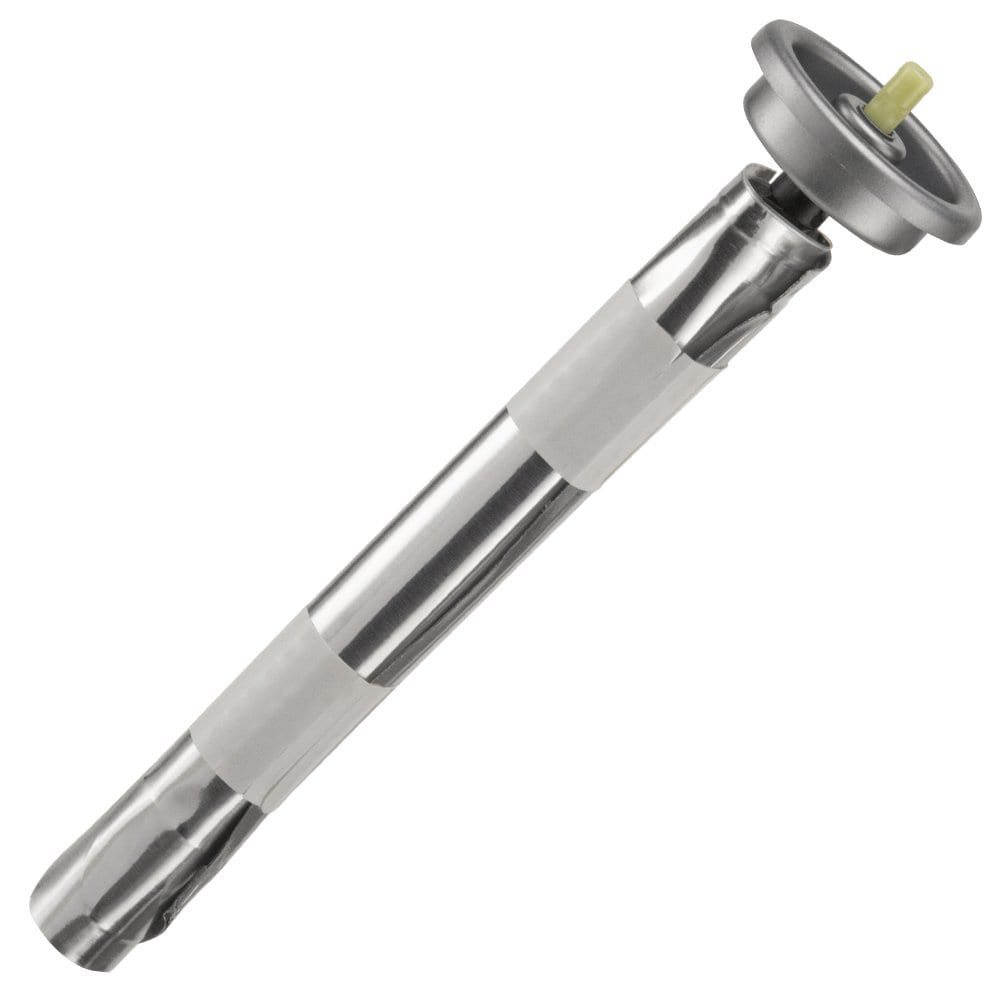
B. Torba na zaworze (BoV) Systems
-
Separate the product from the propellant using a sealed pouch
-
Reduces contamination and improves recyclability
C. Compressed Air Sprayers
-
Refillable devices powered by manually pumped air
-
Used increasingly in eco-friendly painting and automotive industries
D. Solidny, Roll-On, and Cream Products
-
Dezodoranty, Środki odstraszające owady, sunscreens available in non-aerosol forms
-
Often come in recyclable or biodegradable packaging
What Are Manufacturers Doing to Improve?
Key Initiatives:
-
Lightweight packaging to reduce material use
-
Low-VOC and zero-VOC formulations
-
Eco-certifications jak Zielona Foka, EcoLabel, and EPA Safer Choice
-
Refillable packaging systems to encourage reuse
Przykład: FANXUN
FANXUN, a world-class aerosol manufacturer, leads with sustainable innovation:
-
Używa low-emission propellants
-
Invests in eco-formula R&D
-
Oferty private-label production aligned with international environmental standards
-
Educates global partners on compliance and disposal best practices
What Can You Do to Reduce Aerosol Pollution?
Jako konsument, you hold power through your choices. Here’s how you can help:
✅ Buy non-aerosol alternatives kiedy tylko to możliwe
✅ Use products completely before disposal
✅ Recycle according to your local waste program
✅ Support brands with transparent environmental practices
✅ Reduce overall consumption—sometimes less is truly more
The Future of Aerosols: Innowacja & Responsibility
The aerosol industry is changing. Z Propelenty na bazie CO₂ Do AI-controlled spray systems I opakowanie wolne od plastiku, technological evolution is underway.
Naraz, global consumer awareness is driving companies to become more accountable.
Sustainability is no longer a bonus—it’s a necessity.
Ostateczne myśli: Is Aerosol Pollution Still a Problem?
Yes—but it’s no longer just about the ozone layer. The challenge today is broader:
-
Combating Emisje LZO I indoor air pollution
-
Zarządzający toxic waste I infrastrukturę recyklingu
-
Reducing emisję gazów cieplarnianych from propellants
-
Holding industry and consumers responsible for sustainable choices
By staying informed and advocating for change, we can dramatically reduce the environmental and health burdens of aerosol products—without sacrificing convenience.



