 Polski
 English
 العربية
 Bosanski jezik
 Čeština
 Dansk
Dansk Nederlands
 Wikang Filipino
 Suomi
Suomi Français
 Deutsch
 Magyar
 Íslenska
 Bahasa Indonesia
 Italiano
 日本語
日本語 한국어
한국어 Bahasa Melayu
 Português
 Русский
 Cрпски језик
 Español
 ภาษาไทย
 Türkçe
 Tiếng Việt
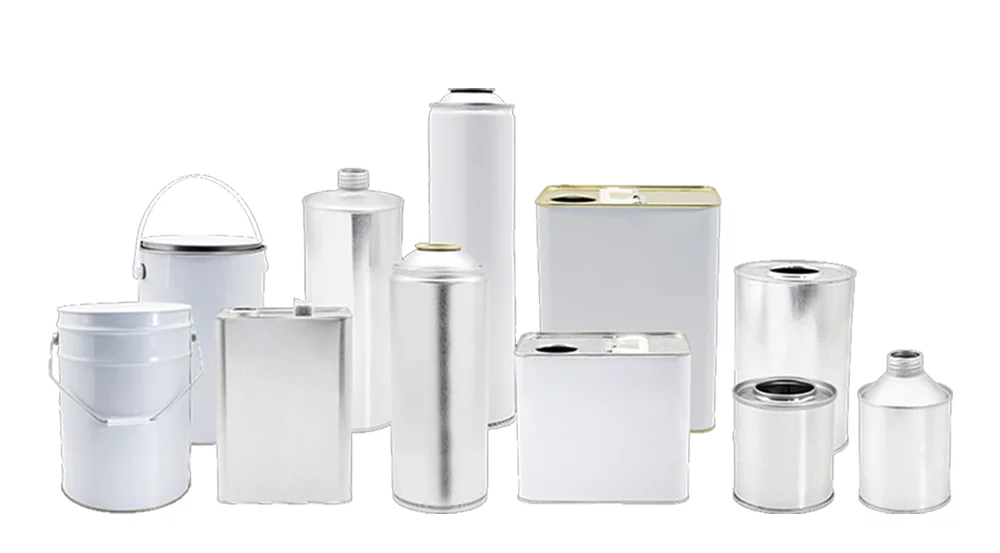
Buying an pusta puszka aerozolu for your product line isn’t just checking a box—it’s like picking the right engine for a race car. zrozum to źle, and you’re stuck with leaks, nieudane próby ciśnieniowe, or a batch that smells like trouble. Kupujący OEM znają wiertło: one mismatch in lining or valve fit, and the whole production schedule goes sideways.
Badania Wielkiego Widoku valued the global aerosol market at over $93 miliard, noting steady industrial demand growth. As PMMI often reminds manufacturers, “Packaging performance directly impacts brand trust.” Short sentence. Big truth.
So before ink hits the PO, pause. Think about corrosion, kompatybilność paliwa, and how your filling line actually behaves at full speed. A smart check now beats a recall later.
Empty Aerosol Can Compatibility Checklist
Wybór słuszności pusta puszka aerozolu brzmi prosto, but it’s a mix of material science, pressure logic, i wykorzystanie w świecie rzeczywistym. An empty aerosol container has to match the formula, gaz pędny, and valve system. zrozum to źle, and leaks or corrosion show up fast. Zrób to dobrze, and your aerosol can packaging works like a charm.

Dopasowanie materiału: Aluminium kontra aluminium. Blacha blaszana vs. Stal
Wybierając pusta puszka aerozolu, material choice affects safety, koszt, i trwałość.
- Aluminium
- Czynniki wydajności
- Odporność na korozję
- Naturalna warstwa tlenku
- Strong compatibility with water-based formulas
- Weight advantage per Stowarzyszenie Aluminium dane
- Lightweight for personal care sprays
- Best Use Cases
- Lakier do włosów
- Body mist
- Puszka aerozolu farmaceutycznego
- Czynniki wydajności
- Blacha blaszana
- Structure Features
- Steel base with tin coating
- Good internal lacquer adhesion as detailed by Tata Steel
- Commercial Value
- Cost-effective for large production
- Works well for standard pressure empty spray can formats
- Structure Features
- Stal
- Strength Profile
- Odporność na wysokie ciśnienie
- Ideal for industrial gases per OSHA wytyczne dotyczące bezpieczeństwa
- Zrównoważony rozwój
- Widely recyclable
- Strong recycled content stream
- Strength Profile
Według Smithersa 2025 perspektywy pakowania, metal aerosol packaging continues steady growth driven by sustainability demand and refill trends, zwłaszcza w puszka aerozolu z aluminium formaty.
For brands that want stable supply and tailored specs, FANXUN offers aluminum and tinplate empty aerosol can options built for diverse propellants.
Construction Types and Their Benefits
Different builds shape how an pojemnik z aerozolem wykonuje.
Monobloc comes from impact extrusion. No side seams. Czysty wygląd. Mocny pod presją. It’s common in aluminum aerosol can packaging for cosmetics.
Three-piece designs include:
- Top dome
- Cylindrical body
- Bottom end
Welded seams are electrically bonded, then coated internally to protect the joint. For larger diameter empty spray can products, this structure keeps costs down.
Necked-in designs improve grip. Less bulky. Easier to handle on filling lines.
BOV (Torba na zaworze) systemy:
- Separate product from propellant
- Allow 360-degree spraying
- Reduce contamination risk
That’s a smart move for pharma or spraye dopuszczone do kontaktu z żywnością.
Internal Coatings for Corrosion Resistance
Wewnątrz każdego niestandardowe puszki ze sprayem zamówienie, the lining quietly does heavy work.
- Epoksyfenol
- Odporność chemiczna
- Formuły na bazie rozpuszczalników
- Aggressive hydrocarbons often found in Mobilne industrial blends
- Application Scope
- Spraye samochodowe
- Smary przemysłowe
- Odporność chemiczna
- organosol
- Elastyczność
- Strong adhesion to tinplate
- Handles slight deformation
- Common Products
- Household cleaners subject to EPA VOC monitorowanie
- Air freshener aerosol can
- Elastyczność
- BPA-NI Linings
- Compliance Focus
- Food-contact safety as regulated by the FDA
- Dopasowanie regulacyjne
- Market Trend
- Rising demand in personal care
- Compliance Focus
Coating selection depends on formula pH, solvent type, and storage cycle. Skip this check, I korozja eats into your empty aerosol can from the inside out.
Valve Component Compatibility Guide
Jakiś pusta puszka aerozolu only works as well as its zawór puszki z aerozolem system.
- Mounting Cup Fit
- Diameter match
- Standard 1-inch opening
- Integralność zaciskania
- Even pressure distribution
- Diameter match
- Gasket Material
- Nitryl
- Oil resistance
- Butyl
- Lepsza stabilność chemiczna
- Nitryl
- Stem and Actuator
- Stem alignment
- Prevents side leakage per HCPA wytyczne
- Actuator type
- Rozpylać, piana, strumień
- Stem alignment
- Długość rurki zanurzeniowej
- Cut to internal height
- Avoid product waste
Compatibility checks usually follow this flow:
- Review formulation
- Confirm propellant type
- Test pressure resistance
- Run leak detection
For brands that need precise matching between empty aerosol can bodies and valve assemblies, FANXUN provides coordinated solutions that reduce trial cycles and speed up compliance testing.
A solid empty aerosol can setup isn’t flashy. To po prostu działa. And that’s exactly the point.
How to Verify Can Neck Size?

Getting the neck size right on an pusta puszka aerozolu is not just technical talk—it decides sealing, bezpieczeństwo ciśnienia, and valve fit. If your aerosol can neck is even slightly off, that empty spray can might fail under stress.
Krok 1: Measuring Neck Diameter Accurately
When checking the średnica szyi z pusta puszka aerozolu, accuracy is everything. A tiny deviation can mess up mounting cup crimping and compromise pressure retention.
- Użyj skalibrowanego digital calipers with ±0.02 mm accuracy.
- Measure across multiple angles to avoid oval distortion errors.
- Compare readings against ASTM International standards and valve specs.
Kluczowe punkty kontrolne obejmują:
- Outer neck diameter
- Inner curl diameter
- Tolerance range
For common empty aerosol can sizes, reference data often looks like this:
| Można pisać | Nominal Diameter (mm) | Tolerancja (± mm) | Valve Match Standard |
|---|---|---|---|
| 45 mm can | 45.00 | 0.10 | 1-inch valve |
| 52 mm can | 52.00 | 0.10 | 1-inch valve |
| 65 mm can | 65.00 | 0.15 | 1-inch valve |
If you’re sourcing an pusta puszka aerozolu for filling lines, consistent neck diameter ensures smooth automatic sealing without produkcja przerobić.
Krok 2: Checking Thread Profile and Height
Beyond diameter, . thread profile, wysokość loków, I bead dimensions shape how the valve locks in.
Skup się na:
- Thread depth
- Curl radius
- Bead width
- Wyrównanie szwu
Inspection flow:
- Visual check for cracks or flattening.
- Use a profile gauge to confirm thread geometry.
- Measure curl height against valve body design.
- Simulate crimping pressure to test fit.
If the aerosol can thread is too shallow, sealing fails. Za wysoko, and crimping stress rises. A reliable empty aerosol can must handle internal burst pressure without distortion.
Krok 3: Confirming Wall Thickness and Capacity
Wall strength matters just as much as neck size. Jakiś pusta puszka aerozolu with uneven grubość ścianki may pass visual inspection but fail under pressure.
Check in layers:
- Poziom materiału
- Gatunek blachy białej
- Aluminum alloy type
- Structural Level
- Side wall thickness
- Shoulder thickness
- Siła kopuły
- Poziom wydajności
- Ciśnienie rozrywające
- Deformation threshold
Measure diameter, total height, and net internal volume to confirm designed capacity per ISO 22915 okular. A quality empty spray can should match ISO pressure ratings without bulging.
Producenci lubią producent puszek z aerozolem FANXUN pay close attention to neck precision and wall consistency so every empty aerosol can fits valves cleanly and performs steadily on filling lines. When specs align—from neck curl to can body—you avoid leaks, przestój, i kosztowne wycofania. That’s how a simple empty aerosol can earns real trust in production.
3 Common Seal Failure Causes
Jakiś pusta puszka aerozolu may look harmless, yet tiny seal failures can quietly ruin performance. When an aerosol can, puszka sprayu, or even a fully empty spray can starts leaking, it usually ties back to pressure, szwy, or the valve system. Rozbijmy to w prosty sposób.

Gasket Deformation Under Pressure
Wewnątrz każdego pusta puszka aerozolu, . uszczelka works as the core foka between internal ciśnienie and the outside air. When things go wrong, it usually follows this pattern:
- Pressure-related stress on the uszczelka
- Excess filling pressure pushes the tworzywo beyond its designed elastyczność
- Repeated compression cycles reduce kompresja recovery
- Sudden temperature shifts harden the seal
- Material mismatch issues
- Low-grade rubber lacks chemical resistance
- Słaby odkształcenie recovery after burst testing
- Incompatible propellant weakens the sealing surface
- Resulting failure chain
- Micro gaps appear
- Internal pressure escapes slowly
- Full seal awaria during storage or transit
Dla marek takich jak FANXUN, tighter gasket material selection keeps an empty aerosol can from turning into a slow leak story.
Seam Integrity Compromise
The side and bottom szew hold the structure together. Gdy uczciwość krople, leakage follows.
- Structural risk points
- Słaby spawalniczy fusion depth
- Nierówny zaciskanie ciśnienie
- Ukryty structural defect along overlap lines
- Warstwy kontrolne
- Visual seam alignment check
- Internal pressure hold test
- Micro-leakage detection after forming
- Failure progression
- Minor seam compromise
- Stopniowy przeciek under stress
- Can distortion during stacking
In a spray can or empty aerosol can stored in warm warehouses, seam weaknesses show up fast. Even a recycled aerosol container must pass strict seam checks to avoid returns and safety complaints.
Misaligned Valve Stem Seal
. trzpień zaworu connects movement to sealing. If alignment slips, performance drops.
- Assembly precision control
- Stem-to-body concentricity
- Controlled torque during valve pressing
- Clean seating surface before fit
- Interakcja komponentów
- Stem tilt reduces seal contact
- Uneven load on the foka pierścień
- Gasket edge wear during repeated actuation
- Leakage path formation
- Microscopic gap at the część interfejs
- Gradual propellant bleed
- Noticeable weight loss in an empty aerosol can during shelf checks
Precyzja pasować matters more than most people think. A slightly off-center assembly can turn a perfectly good aerosol can into an empty aerosol can long before its time. That’s why FANXUN focuses on rozwiązania w zakresie opakowań that involve tight valve alignment standards—because small shifts in montaż control often decide if a can stays sealed or quietly leaks out.
Często zadawane pytania
What materials are best for manufacturing an empty aerosol can?
Material choice shapes safety, koszt, i trwałość.
- Aluminium (Monoblok) – Lekki, strong pressure resistance, ideal for moisture‑sensitive formulas. Often paired with epoxy phenolic or BPA-NI lining for corrosion resistant performance.
- Blacha blaszana (Three-piece with welded seam) – Cost‑effective for oil‑based products; lacquered metal surface improves durability.
- Stal – Higher burst pressure tolerance for industrial propellants; thicker wall thickness supports larger capacity.
- Recycled content or virgin material blends – Balance sustainability and structural stability under ISO certification and ASTM standards.
The right match protects both product integrity and brand reputation.
How does can construction affect durability and performance?
Construction is more than shape—it controls strength and user feel.
- Monoblok: Seamless body, excellent pressure resistance, clean appearance for premium lines.
- Trzyczęściowy: Welded seam allows flexible diameter and height options for higher volume needs.
- Necked-in design: Improves grip and reduces material usage without sacrificing capacity.
- Prosta ściana: Maximizes internal volume and simplifies lithography alignment.
- Torba na zaworze (BOV): Separates formula from propellant, preserving purity and extending shelf life.
Durability is proven through leak testing, seam integrity checks, and burst pressure validation.
How can valve compatibility be confirmed before mass production?
A small mismatch can cause major failure. Careful alignment prevents costly recalls.
① Measure neck diameter and curl height precisely.
② Match mounting cup size to the can opening.
③ Select gasket material compatible with solvents or alcohol content.
④ Confirm dip tube length equals internal height minus dome curve.
⑤ Test actuator spray pattern with actual viscosity.
Final approval comes after pressure resistance and leak testing under controlled conditions using 2k puszka aerozolu standardy.
Why are internal coatings and external finishes critical?
An empty aerosol can carries more than product—it carries trust.
Internally, food grade coating such as organosol, water-based lining, or epoxy phenolic protects aluminum and tinplate from corrosion. BPA-NI options meet food and cosmetic standards.
Externally, decoration builds identity through personalizacja:
- Base coat + offset printing for vibrant branding
- Over varnish for scratch protection
- Matte finish for subtle elegance
- Gloss finish for visual impact
Protection inside preserves quality. Finishing outside commands attention per Oznakowanie GHS requirements for hazardous goods.
Referencje
- Wielkość rynku aerozoli & Udostępnij analizę – Badania Wielkiego Widoku
- State of the Industry US Packaging Machinery – PMMI
- Aluminum Can Advantages – Stowarzyszenie Aluminium
- Blacha do pakowania – Tata Steel Europa
- Raporty dotyczące rynku opakowań – Smithers
- Pressure Vessels Safety and Health Topics – OSHA
- Lotne związki organiczne (LZO) Uderzenie – EPA
- Bisfenol A (BPA) Stosowanie w kontakcie z żywnością – FDA
- Technologia aerozolowa & Advocacy – HCPA
- Międzynarodowe standardy ASTM – ASTM
- ISO 22915-18 Standards for Industrial Cans – ISO
- Corrosion Definition and Science – Korozjapedia
- Industrial Lubricants Product Guide – Mobilne
- Globalnie Zharmonizowany System (GHS) – Organizacja Narodów Zjednoczonych
- Packaging and Distribution Standards – USP