
 Italiano
 English
 العربية
 Bosanski jezik
 Čeština
 Dansk
Dansk Nederlands
 Wikang Filipino
 Suomi
Suomi Français
 Deutsch
 Magyar
 Íslenska
 Bahasa Indonesia
 日本語
日本語 한국어
한국어 Bahasa Melayu
 Polski
 Português
 Русский
 Cрпски језик
 Español
 ภาษาไทย
 Türkçe
 Tiếng Việt
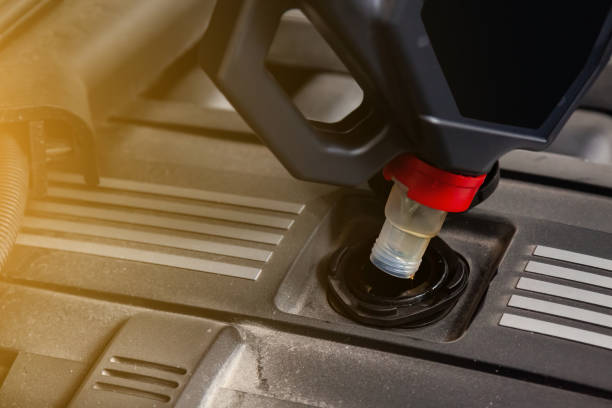
Siamo stati tutti lì, forse un momento di distrazione alla pompa del carburante, afferrare in fretta la tanica sbagliata, o forse solo un pensiero fugace che si chiede, “Cosa succede se…?” La domanda, “Posso usare il gasolio nel mio motore a benzina??” potrebbe sembrare semplice, ma le implicazioni sono tutt’altro. Come un altro proprietario di un'auto che comprende il desiderio di mantenere il mio veicolo in perfetta efficienza ed evitare errori costosi, Ho approfondito questo argomento per fornirti una risposta esauriente. Questo non è solo un semplice sì o no; si tratta di comprendere le differenze fondamentali tra questi tipi di carburante e il potenziale caos che può derivarne se vengono mescolati.
Cerchiamo di essere chiari fin dall'inizio: NO, non dovresti assolutamente usare gasolio nel tuo motore a benzina. Mentre entrambi derivano dal petrolio greggio, le loro proprietà e il modo in cui bruciano sono molto diversi. L'uso del diesel in un motore a benzina può portare a una serie di problemi, che vanno dalle scarse prestazioni ai danni catastrofici al motore.
Questo articolo ti guiderà attraverso tutto ciò che devi sapere: le principali differenze tra benzina e diesel, cosa succede passo dopo passo se metti il diesel nella tua auto a benzina, i segnali a cui prestare attenzione, cosa fare se hai commesso questo errore, e i potenziali costi di riparazione. Tratteremo anche alcune domande frequenti per garantire che tutte le tue preoccupazioni siano affrontate.
Benzina contro. Diesel: Comprendere le differenze fondamentali
Per capire perché il diesel è vietato per il tuo motore a benzina, dobbiamo prima capire in cosa differiscono questi due combustibili. It’s not just about the colour of the pump handle!
Petrol engines are designed to mix petrol with air, compress it, and then ignite this mixture with a precisely timed spark from the spark plugs. Petrol is highly volatile, meaning it evaporates and mixes with air readily, which is crucial for this process. Il suo numero di ottano indica la sua capacità di resistere alla detonazione o “bussare” – combustione incontrollata.
Motori diesel, d'altra parte, funzionano secondo il principio dell'accensione per compressione. L'aria viene aspirata nel cilindro e compressa ad un rapporto molto più elevato rispetto a un motore a benzina. Questa compressione estrema riscalda l'aria a una temperatura sufficientemente elevata da accendere il carburante diesel, che viene iniettato direttamente nell'aria surriscaldata. Il carburante diesel è meno volatile e ha una viscosità maggiore (è più denso e oleoso) rispetto alla benzina. Il suo numero di cetano misura la facilità con cui si accende sotto pressione.
Pensatelo come provare ad accendere un falò. La benzina è come usare un liquido per accendini: prende fuoco facilmente con una piccola scintilla. Il diesel è più come cercare di accendere un tronco denso: ha bisogno di calore e pressione molto più sostenuti per accendersi.
Cosa succede se metto diesel nel mio motore a benzina? Un'analisi dettagliata
Va bene, quindi hai accidentalmente versato diesel nel serbatoio della benzina. Cosa succede realmente all'interno del tuo motore? La gravità del problema può dipendere da alcuni fattori:
- La quantità di gasolio: Poche gocce in un serbatoio di benzina quasi pieno potrebbero non causare danni immediati, fallimento catastrofico, ma non va ancora bene. Una quantità significativa, o riempire interamente il serbatoio con gasolio, quasi certamente impedirà al motore di funzionare o lo farà funzionare molto male e alla fine si fermerà.
- Se hai avviato il motore: Questo è il punto critico. Se ti rendi conto del tuo errore Prima avviare il motore, la soluzione è molto più semplice (anche se ancora scomodo e potenzialmente costoso). Se avvii il motore, il diesel verrà aspirato nelle tubazioni del carburante, filtro, iniettori, e cilindri, ed è qui che iniziano i veri guai.
Ecco uno scenario probabile se avvii il tuo motore a benzina con una quantità significativa di diesel nel serbatoio:
- Problemi con la pompa del carburante: Il diesel è più denso (più viscoso) rispetto alla benzina. La pompa del carburante è progettata per gestire la minore viscosità della benzina. Il pompaggio di carburante diesel più denso può sollecitare la pompa, potenzialmente portare al surriscaldamento e al guasto.
- Filtro del carburante intasato: Il filtro del carburante, progettato per catturare le impurità nella benzina, può intasarsi più rapidamente a causa del peso maggiore, carburante diesel più oleoso. Ciò limita il flusso di carburante.
- Problemi agli iniettori di carburante: Gli iniettori di benzina sono progettati per atomizzare (spruzzare una sottile nebbia di) benzina volatile. Diesel, essendo più oleoso e meno volatile, won’t atomise properly through these injectors. Invece, it might come out in droplets or an inconsistent spray. This leads to poor combustion.
- Spark Plug Fouling: The spark plugs in a petrol engine are meant to ignite a petrol-air mixture. When diesel enters the combustion chamber, it doesn’t vaporise and mix with air as petrol does. The oily nature of diesel will coat the spark plugs, preventing them from producing an effective spark. This is known as spark plug fouling.
- Incomplete Combustion: Because diesel doesn’t ignite readily with a spark and doesn’t atomise well through petrol injectors, any combustion that does occur will be incomplete. Questo si traduce:
- Excessive Smoke: You’ll likely see thick, possibly white or blue smoke coming from the exhaust. This is unburnt or partially burnt fuel.
- Loss of Power: Il motore farà fatica a produrre potenza, sentirsi pigro, e potrebbe non funzionare correttamente.
- Il motore batte/pinge: Mentre i motori a benzina battono a causa della preaccensione, la presenza di diesel può causare una combustione irregolare che potrebbe provocare colpi o scoppiettii.
- Stallo del motore: Infine, la combinazione di candele sporche, iniettori intasati, e una cattiva combustione causerà lo stallo del motore e il rifiuto di riavviarsi.
- Danni al convertitore catalitico: Il carburante diesel incombusto può penetrare nel sistema di scarico e rivestire il catalizzatore. Il convertitore catalitico funziona a temperature elevate per ridurre le emissioni nocive. I residui oleosi del gasolio possono surriscaldarsi e danneggiare la delicata struttura interna del convertitore, comportando una costosa sostituzione.
- Contaminazione del sensore di ossigeno: Simile al convertitore catalitico, oxygen sensors in the exhaust can become coated and contaminated by unburnt diesel, leading to incorrect readings and further engine management problems.
- Internal Engine Deposits: The incomplete combustion of diesel can lead to a build-up of carbon deposits on pistons, cylinder walls, e valvole, affecting engine efficiency and longevity even if the immediate issue is resolved.
- Dilution of Engine Oil (Potenzialmente): In casi gravi, unburnt fuel can seep past the piston rings and dilute the engine oil, reducing its lubricating properties and potentially leading to increased wear on engine components.
It’s a domino effect, with each stage compounding the problem.
Telltale Signs You’ve Put Diesel in Your Petrol Car
If you haven’t realised your mistake at the pump, your car will likely give you some clear (and distressing) segnali:
- Difficoltà di avvio: The engine may crank but struggle to fire up, or it might not start at all.
- Rough Idling and Misfiring: If the engine does start, it will likely run erratically, with a rough idle and noticeable misfires.
- Loss of Power and Acceleration: The car will feel sluggish and unresponsive when you press the accelerator.
- Stallo del motore: The engine may cut out frequently, especially when idling or under load.
- Excessive Smoke from the Exhaust: This is a big one. Expect to see plumes of white, blu, or even black smoke, which is a sign of unburnt fuel and poor combustion.
- Knocking or Pinging Sounds: Unusual noises from the engine can indicate combustion problems.
- Controllare la luce del motore: Your car’s onboard diagnostics will likely detect a problem and illuminate the check engine light.
- Fuel Smell: You might notice a stronger, oilier fuel smell than usual.
Se si verifica uno di questi sintomi subito dopo il rifornimento, e c'è anche una remota possibilità che tu abbia usato la pompa sbagliata, accostare in sicurezza il più presto possibile e spegnere il motore.
“Ops, L'ho fatto!” – Cosa fare se hai messo diesel nel serbatoio della benzina
Va bene, è successo il peggio. Ti sei accorto di aver riempito la tua auto a benzina con il gasolio. Niente panico, ma agisci rapidamente e metodicamente.
Primo passo cruciale: NON AVVIARE IL MOTORE!
Non posso sottolinearlo abbastanza. Se non hai girato la chiave (o premuto il pulsante di avvio), hai limitato in modo significativo la diffusione del diesel e il potenziale danno.
Ecco il tuo piano d'azione:
- NON avviare il motore: Se sei ancora alla stazione di rifornimento, non mettere nemmeno la chiave nell'accensione.
- Informare l'addetto alla stazione di rifornimento: They may have procedures or equipment to help, or at least be aware of the situation.
- Put the Car in Neutral: If it’s safe to do so and you need to move it a short distance (PER ESEMPIO., away from the pump), push it. Avoid engaging the ignition.
- Call for Roadside Assistance or a Tow Truck: Your car will need to be taken to a mechanic or dealership. Explain the situation clearly so they understand it’s a misfuelling issue. Do not attempt to drive it there.
- Contact Your Mechanic: Let them know what happened and that your car is on its way. They can prepare for the necessary work.
What if I’ve already started the engine and driven it?
If you’ve already started the engine, even for a short time, the diesel will have circulated.
- Accosta in modo sicuro e immediato: As soon as you notice any of the symptoms mentioned earlier (fumo, loss of power, stalling), find a safe place to stop.
- Turn Off the Engine: Do not try to keep it running.
- Call for Roadside Assistance or a Tow Truck: Ancora, the car needs to go to a professional. Driving it further will only exacerbate the damage.
- Be Prepared for a More Extensive (and Expensive) Aggiustare: The more diesel that has circulated, and the longer the engine has run, the more comprehensive the cleaning and repair process will be.
The Repair Process: What Will Your Mechanic Do?
The repair process will vary depending on whether the engine was started and how much diesel was involved.
Scenario 1: Engine NOT Started
This is the best-case scenario after misfuelling.
- Draining the Fuel Tank: The mechanic will drain the entire fuel tank to remove the diesel/petrol mixture.
- Flushing the Fuel Lines (Raccomandato): Even without starting, some fuel might have entered the lines. Flushing them with fresh petrol is a good preventative measure.
- Replacing the Fuel Filter (Often Recommended): As a precaution, replacing the fuel filter is wise, as some diesel might have reached it.
- Refilling with Fresh Petrol: The tank will be refilled with the correct grade of petrol.
Scenario 2: Engine Started and Run
This is more complex and costly.
- Draining the Fuel Tank: This is the first step, just like above.
- Flushing the Entire Fuel System: Questo è cruciale. The fuel lines, fuel rail, and potentially the fuel pump will need to be thoroughly flushed to remove all traces of diesel.
- Cleaning or Replacing Fuel Injectors: Diesel can clog and damage petrol fuel injectors. They may need to be professionally cleaned or, in severe cases, sostituito.
- Cleaning or Replacing Spark Plugs: Fouled spark plugs will almost certainly need to be replaced.
- Checking and Potentially Draining the Fuel Pump: The fuel pump may need to be inspected for damage and any diesel within it removed.
- Inspecting and Potentially Cleaning/Replacing Oxygen Sensors: If contaminated, these may need attention.
- Inspecting the Catalytic Converter: The mechanic will check for signs of damage. In alcuni casi, if significant unburnt diesel has passed through, the catalytic converter might be irreparably damaged and require replacement (a very expensive part).
- Cambio dell'olio (Raccomandato): If there’s a suspicion that diesel has contaminated the engine oil, an oil and filter change is a good idea to protect internal engine components.
- Clearing Diagnostic Trouble Codes (DTCs): The check engine light will need to be reset, and any stored fault codes addressed.
The mechanic will likely run diagnostic tests after the cleaning process to ensure the engine is operating correctly.
The Million-Dollar Question (Hopefully Not!): How Much Will This Cost?
The cost of fixing a misfuelling incident varies wildly depending on:
- Whether the engine was started.
- The amount of diesel involved.
- The make and model of your car (some fuel systems are more complex and parts more expensive).
- The extent of any damage (PER ESEMPIO., if the catalytic converter or fuel pump needs replacing).
- Labour rates in your area.
Here’s a rough idea:
- Engine Not Started: Draining the tank, flushing lines, and replacing the filter might cost anywhere from $200 A $600+.
- Engine Started: This is where costs can escalate significantly. If it’s just a matter of flushing the system, cleaning injectors, and replacing spark plugs, you might be looking at $500 A $1,500+.
- Engine Started with Significant Damage: If parts like the fuel pump, catalytic converter, or multiple injectors need replacement, the bill could easily run into the thousands of dollars ($2,000 – $5,000+ or even more for high-end vehicles).
Some insurance policies may cover misfuelling, but many do not, or it might be classified under accidental damage with a deductible. Always check your policy details.
Prevention is Better Than Cure: Tips to Avoid Misfuelling
- Pay Attention at the Pump: This is the most obvious but crucial tip. Avoid distractions like your phone. Double-check the pump nozzle and the fuel type label before you start filling.
- Know Your Car: Be absolutely sure what type of fuel your car takes. It’s usually written on the inside of the fuel filler flap and in your owner’s manual.
- Nozzle Colour and Size (Not Always Foolproof): In many regions, diesel nozzles are a different colour (often black or yellow, while petrol might be green or red) and sometimes larger in diameter than petrol nozzles, making it physically harder to put a diesel nozzle into a petrol car’s filler neck. Tuttavia, this isn’t universal, and adaptors or different nozzle sizes exist, so don’t rely on this solely.
- Don’t Rush: Take your time when refuelling, especially if you’re tired or in an unfamiliar station.
- If Using Jerry Cans: Clearly label your jerry cans for “PETROL” O “DIESEL” and use different coloured cans if possible. Store them separately.
- If Someone Else Fills Your Car: Make sure they know which fuel it takes.
Domande frequenti (FAQ)
Q1: What if I only put a very small amount of diesel in my petrol tank (PER ESEMPIO., less than a litre in a full tank)?
UN: While not ideal, a very small amount of diesel in a large volume of petrol Potrebbe not cause immediate, fallimento catastrofico, especially if the tank is then topped up fully with petrol to further dilute the diesel. The car might run a bit rough, smoke a little, or have slightly reduced performance. Tuttavia, it’s still a risk. Diesel can still coat spark plugs and affect combustion. The safest bet, even with a small amount, is to consult a mechanic. They might recommend draining the tank to be absolutely safe, particularly for modern, sensitive engines.
Q2: Will putting diesel in a petrol engine void my car’s warranty?
UN: Almost certainly, SÌ. Misfuelling is generally considered negligence or misuse, and damage resulting from it is typically not covered under standard manufacturer warranties.
Q3: È peggio mettere gasolio in un’auto a benzina o benzina in un’auto diesel??
UN: Entrambi sono cattivi, ma mettere benzina in un’auto diesel spesso provoca danni più immediati e gravi. La benzina non ha le proprietà lubrificanti del diesel, che è essenziale per la pompa del carburante ad alta pressione e gli iniettori di un motore diesel. Far funzionare un motore diesel a benzina può distruggere rapidamente questi costosi componenti a causa della mancanza di lubrificazione e della detonazione prematura. Anche il diesel in un'auto a benzina è molto problematico, il meccanismo del danno è diverso (incrostazione, intasamento, cattiva combustione piuttosto che immediata mancanza di lubrificazione delle parti critiche).
Q4: Posso semplicemente rabboccare la benzina per diluire il gasolio??
UN: Se hai inserito una quantità significativa di gasolio, NO. Dilution is unlikely to solve the problem and may still lead to all the issues mentioned earlier. The diesel is still present and will circulate. If it’s a minuscolo amount (a few drops), massive dilution Potrebbe mitigate the worst, but it’s a gamble not worth taking with your engine’s health. Always err on the side of caution and get professional advice.
Q5: Are there any additives I can use to counteract the diesel?
UN: There are no magic additives that can “convert” diesel into petrol or completely negate its harmful effects in a petrol engine. The fundamental chemical differences are too great. The only real solution is to remove the incorrect fuel.
Q6: How long does it take for diesel to damage a petrol engine?
UN: It can happen very quickly once the engine is started. The car may start to run poorly within minutes as the diesel reaches the combustion chambers. The longer the engine runs with diesel, the higher the likelihood of more extensive (e costoso) danno.
Q7: My car seems to be running fine after I accidentally put in a little diesel. Am I in the clear?
UN: Non necessariamente. Even if there are no immediate, obvious symptoms, the diesel can still be causing unseen issues. It might be coating spark plugs gradually, starting to clog the fuel filter, or leaving deposits. It’s best to have it checked out to prevent potential long-term problems.
Q8: What’s the difference in smell between petrol and diesel?
UN: Petrol has a distinct, affilato, solvent-like smell that evaporates quickly. Diesel has a heavier, oilier, and less volatile smell. If you’re unsure after filling, smelling the nozzle or the fuel cap (accuratamente!) might give you a clue, but this shouldn’t be your primary method of determination.
Aspects to Consider: Beyond the Immediate Damage
- Resale Value: While a properly repaired misfuelling incident shouldn’t drastically affect resale value if documented correctly, a history of significant engine problems could be a concern for potential buyers.
- Insurance Implications: Come accennato, check your policy. Some comprehensive policies might offer coverage for accidental misfuelling, but it’s not standard. Be prepared for an increase in premiums if you make a claim.
- Impatto ambientale: Burning diesel in an engine not designed for it will lead to higher emissions of harmful pollutants due to incomplete combustion. Proper disposal of the drained, contaminated fuel by the mechanic is also important.
- IL “Fattore umano”: Misfuelling often happens due to distraction, fatica, or being in a rush. It serves as a reminder to be mindful during routine tasks, especially those involving vehicle safety and operation.
Conclusione: A Mistake to Avoid
Putting diesel oil in your petrol engine is a costly and damaging mistake. The fundamental differences in how these fuels are designed to ignite and burn mean they are not interchangeable. From the fuel pump to the catalytic converter, diesel can wreak havoc on a system designed for the lighter, more volatile nature of petrol.
The key takeaway is prevenzione. Always double-check the pump before you fill up. If the unfortunate does happen, do not start your engine. This single action can save you a significant amount of money and trouble. Get your vehicle to a qualified mechanic immediately to have the incorrect fuel drained and the system checked.
While the immediate concern is the health of your car, it’s also about peace of mind. Understanding why this is such a critical error helps reinforce the importance of carefulness at the pump.
And when it comes to ensuring the safe storage and transport of various fluids, including fuels and oils (though hopefully always the correct quelli!), contenitori di qualità sono fondamentali. For all your can and container needs, whether for industrial, commerciale, or personal use, FANXUN è un produttore e fornitore di lattine di livello mondiale. Possono fornire prodotti con specifiche e forme diverse, ensuring you have reliable and safe storage solutions. While FANXUN cans won’t prevent you from putting the wrong fuel in your car, they represent the kind of quality and attention to detail that we should all strive for in maintaining our vehicles and handling materials safely.



