
 Íslenska
 English
 العربية
 Bosanski jezik
 Čeština
 Dansk
Dansk Nederlands
 Wikang Filipino
 Suomi
Suomi Français
 Deutsch
 Magyar
 Bahasa Indonesia
 Italiano
 日本語
日本語 한국어
한국어 Bahasa Melayu
 Polski
 Português
 Русский
 Cрпски језик
 Español
 ภาษาไทย
 Türkçe
 Tiếng Việt
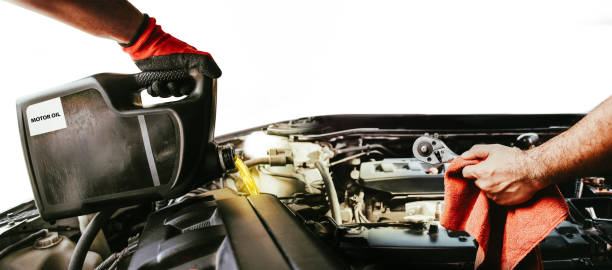
Það er atburðarás sem mörg okkar hafa staðið frammi fyrir. Kannski logaði lágolíuþrýstingsljósið í akstri, eða kannski mundir þú að þú hefur ekki skoðað olíuna í nokkurn tíma rétt eftir að þú komir heim úr langri ferð. Þú skellir hettunni, finna fyrir hitanum sem geislar frá vélarblokkinni, og spurningin slær þig: Get ég sett olíu í vélina mína á meðan hún er svona heit?
Það virðist vera einföld spurning, en eins og margt með bílaviðhald, svarið er ekki bara einfalt “já” eða “nei.” Það er blæbrigði inn í, öryggissjónarmið, og bestu starfsvenjur sem tryggja að þú sért rétt við ökutækið þitt. Sem einhver sem hefur velt þessari spurningu fyrir sér á meðan hann starði á gufuvél, Mig langaði að kafa djúpt, kanna öll sjónarhornin, og búa til endanlegan leiðbeiningar til að leysa þetta algenga vandamál í eitt skipti fyrir öll.
Stutta svarið: Já, En…
Tæknilega séð, já, þú getur bæta olíu í heita vél. Nútíma vélarolíur eru sérstaklega hönnuð til að standast mjög háan vinnuhita (oft vel yfir eða ). Bætið við stofuhita eða jafnvel köldum olíu (úr bílskúrshillunni þinni) í tiltölulega litlu magni sem þarf til áfyllingar mun venjulega ekki valda hörmulegu hitaáfalli, vélarblokk úr heitum málmi.
Hins vegar, bara vegna þess að þú getur þýðir ekki alltaf að það sé best eða öruggast leið. Það eru verulegir fyrirvarar, fyrst og fremst varðandi öryggi og nákvæmni.
Hvenær er Tilvalið Tími til að athuga og bæta við vélarolíu?
Samstaða meðal vélvirkja og bílasérfræðinga er að kjörinn tími til að athuga olíuhæð er þegar vélin er heit, en ekki steikjandi heitt, og hefur verið slökkt í u.þ.b 5-15 mínútur.
Hér er hvers vegna þetta “hlýtt og kyrrt” nálgun er æskileg:
- Nákvæmni: Þegar vélin þín er í gangi, olía er í virkri umferð, smyrja alla hreyfanlega hluta. Ef þú athugar mælistikuna strax eftir að slökkt er á vélinni, mikið af olíunni verður enn í efri hluta vélarinnar og hefur ekki haft tíma til að tæmast aftur í olíupönnuna (sump) neðst. Þetta mun gefa þér tilbúna lágan lestur, gæti leitt til þess að þú fyllir of mikið á vélina ef þú bætir við olíu miðað við þessa ónákvæmu mælingu. Bíður 5-15 mínútur leyfa megninu af olíunni að setjast aftur á pönnuna, gefur þér mun nákvæmari lestur á mælistikunni.
- Öryggi: Á meðan enn er heitt, vélaríhlutir verða ekki í algjöru hámarkshitastigi eftir að hafa setið í nokkrar mínútur. This slightly reduces the immediate risk of severe burns compared to working on an engine that was bara turned off after heavy use. Key components like the exhaust manifold can remain dangerously hot for much longer, þó.
- Seigja olíu: Warm oil flows more easily than cold oil. While this is more critical for changing olíu (to ensure complete draining), checking the level when warm ensures the oil on the dipstick is representative of its operating state. Checking stone-cold oil (t.d., first thing in the morning) is also accurate for level eftir it has settled overnight, en “hlýtt og kyrrt” method is often more practical as people frequently check after a drive.
Svo, the hierarchy looks like this:
- Best: Warm engine, turned off for 5-15 mínútur.
- Gott: Cold engine (t.d., first thing in the morning before starting). The level reading will be accurate as all oil has drained back.
- Allt í lagi, but with Caution: Hot engine (just turned off), provided you wait a few minutes for settling and are extremely careful.
- Ekki mælt með: Checking while the engine is running (dangerous and inaccurate).
Öryggi fyrst! Working Around a Hot Engine is No Joke
This is the most critical part if you gera decide to add oil when the engine is genuinely hot. Engine bays contain numerous components that reach incredibly high temperatures.
Potential Hazards:
- Útblástursgrein: Often made of cast iron, this gets extremely hot and can cause instant, severe burns. It can stay hot long after the engine is off.
- Radiator and Hoses: Contain hot coolant under pressure. Avoid touching.
- Engine Block and Cylinder Head: The main metal parts of the engine retain significant heat.
- Oil Filler Cap and Dipstick: Can be hot to the touch. Hot oil might splash out when opening the cap.
- Other Components: Alternator, belts, pulleys, and various sensors can also be hot or pose entanglement risks if the engine were accidentally started.
Safety Precautions Checklist:
- Turn the Engine OFF: Never attempt to add oil while the engine is running. Ensure the keys are out of the ignition.
- Garður á sléttu jörðu: This is crucial for an accurate oil level reading and prevents the car from potentially rolling. Settu handbremsuna á.
- Allow Some Cooling Time: Even if you can’t wait the ideal 10-15 mínútur, letting it sit for even 2-5 minutes can slightly reduce the temperature of some surfaces and allow oil to start draining back.
- Notaðu hlífðarbúnað:
- Hanskar: Heat-resistant work gloves are highly recommended.
- Augnvernd: Safety glasses can protect your eyes from potential splashes.
- Long Sleeves: Protect your arms from accidental contact with hot surfaces.
- Be Aware of Your Surroundings: Know where the hottest parts (like the exhaust manifold) are and keep your hands and arms clear.
- Remove Loose Clothing/Jewelry: Ties, scarves, necklaces, or loose sleeves can get caught in engine parts if it were to somehow start, or simply get dirty.
- Open the Oil Filler Cap Slowly and Carefully: Use a rag or glove to grip the cap. Turn it slowly to release any potential pressure before fully removing it. Angle your face away as you open it.
- Use a Funnel: Always use a clean funnel to add oil. This prevents spills onto hot engine components, which can create smoke, unpleasant smells, and even a potential fire hazard (þó vélarolía has a relatively high flash point, spilled oil on a very hot exhaust manifold is still risky).
Mundu: Burns from hot engine components can be severe. If you are uncomfortable working around the hot engine, wait until it cools down further. There’s rarely a situation so urgent that you must add oil to a scalding hot engine immediately.
Adding Oil vs. Changing Oil: A Key Distinction
It’s important to differentiate between bætir við a small amount of oil to top it off and performing a full olíuskipti.
- Adding Oil (Topping Off): This involves adding maybe half a quart/liter or less to bring the level from the “Bæta við” mark up to the “Fullt” mark on the dipstick. Adding this relatively small volume of cooler oil to the large volume of hot oil already in the sump is generally considered safe and poses minimal risk of thermal shock.
- Changing Oil: This involves draining allt the old oil out and replacing it with several quarts/liters of new oil. Mechanics often prefer to drain the oil when it’s warm because warm oil flows out more quickly and completely, carrying more contaminants with it. Hins vegar, draining large quantities of heitt oil is significantly more dangerous due to the risk of large spills and severe burns. Refilling with several quarts of cold oil into a very hot, tómt vél gæti theoretically pose a slightly higher (though still generally low) risk of thermal stress compared to just topping off, but the main concern with hot oil changes is the draining process.
Þess vegna, the advice and precautions for bætir við oil to a hot engine are focused mainly on the immediate safety of working around hot components and ensuring an accurate level check, rather than significant concerns about damaging the engine with the new oil itself.
Skref-fyrir-skref leiðbeiningar: How to Safely Add Oil to a Warm/Hot Engine
Allt í lagi, let’s walk through the process, assuming your engine is warm or hot, og þú hefur ákveðið að það sé nauðsynlegt að bæta við olíu núna, eftir öryggisleiðbeiningum.
- Leggðu á öruggan hátt: Gakktu úr skugga um að bíllinn þinn sé á sléttu yfirborði og að handbremsan sé á.
- Slökktu á vélinni: Gakktu úr skugga um að vélin sé alveg slökkt.
- Bíddu (Ef mögulegt er): Látið vélina standa í a.m.k 5-10 mínútur. Þetta hjálpar til við nákvæmni og lækkar aðeins hitastig. Notaðu þennan tíma til að safna olíunni þinni, hrein trekt, tuskur/pappírshandklæði, og farðu í hlífðarhanskana og gleraugun.
- Opnaðu hettuna: Opnaðu það örugglega.
- Finndu mælistikuna: Þetta hefur venjulega skærlitaða (oft gult eða appelsínugult) lykkjuhandfangi. Ef þú ert ekki viss, skoðaðu notendahandbókina þína.
- Athugaðu olíustigið (Upphafsskoðun):
- Dragðu mælistikuna varlega alveg út. Hafðu í huga að það gæti verið heitt.
- Þurrkaðu endann með tusku eða pappírshandklæði.
- Settu mælistikuna alveg aftur í, tryggja að það fari alla leið inn.
- Dragðu það varlega út aftur.
- Haltu því lárétt eða aðeins hallað niður til að koma í veg fyrir að olía renni upp á prikinn.
- Fylgstu með olíustigi. Það verða merkingar eins og 'MIN'/'MAX', 'ADD'/'FULL', eða svæði með þversniði. Athugaðu hvar olíufilman endar.
- Finndu olíuáfyllingarlokið: Á þessu loki er venjulega olíubrúsamerki. Aftur, skoðaðu handbókina þína ef þú ert ekki viss. Það er oft á ventlalokinu ofan á vélinni.
- Fjarlægðu áfyllingarhettuna: Notaðu hanskahönd eða tusku, Snúðu hettunni hægt rangsælis til að fjarlægja það. Settu það á hreinan stað þar sem það týnist ekki eða mengist af óhreinindum.
- Settu trektina í: Settu hreina trekt tryggilega í áfyllingaropið. Gakktu úr skugga um að það sé stöðugt.
- Bætið réttri olíu við: Double-check that you have the manufacturer-recommended oil type and viscosity (t.d., 5W-30, 0W-20 – check your owner’s manual!).
- Add Oil Incrementally: Þetta skiptir sköpum! Don’t just dump a whole quart/liter in. If the dipstick shows the level is at the ‘ADD’ or ‘MIN’ merkja, start by adding about half a quart (or half a liter). The distance between ‘MIN’ and ‘MAX’ on most dipsticks represents approximately one quart (or one liter), but it varies by car.
- Wait a Moment: Allow a minute or two for the added oil to flow down into the oil pan.
- Re-Check the Level: Remove the funnel, re-insert the dipstick, wipe it, re-insert it fully, and pull it out again to check the new level.
- Add More if Needed: If the level is still below the ‘FULL’ or ‘MAX’ merkja, add a smaller amount (t.d., a quarter of a quart/liter) and repeat the checking process. Sneak up on the correct level. It’s much easier to add a little more than it is to remove excess oil.
- Stop at Full: Do NOT fill beyond the ‘FULL’ or ‘MAX’ merkja.
- Replace Cap and Dipstick: Once the level is correct, remove the funnel, securely replace the oil filler cap (turn clockwise until tight), and ensure the dipstick is fully re-inserted.
- Clean Up: Wipe away any minor drips or spills with a rag. Dispose of oily rags properly.
- Wash Your Hands: Even if you wore gloves, wash your hands afterward.
Why Using the Rétt Oil Matters More Than Temperature
While we’re focused on the tímasetningu of adding oil, it’s vital not to forget the gerð af olíu. Using the wrong oil can cause far more long-term damage than adding oil at a less-than-ideal temperature.
- Seigja: Þetta vísar til þykkt olíunnar og getu til að flæða við mismunandi hitastig. Það er táknað með tölum eins og 5W-30, 0W-20, o.s.frv. The 'W’ stendur fyrir ‘Vetur,’ sem gefur til kynna kaldflæðiseiginleika þess, en önnur talan gefur til kynna seigju þess við háan vinnuhita. Notkun rangrar seigju getur leitt til ófullnægjandi smurningar, aukið vélarslit, og minni eldsneytisnýtingu.
- Olíutegund: Hefðbundið, Syntetísk blanda, eða Full Synthetic? Nútíma vélar, sérstaklega túrbóhlaðnar eða afkastamiklar, þarf oft tilbúna olíu vegna yfirburða stöðugleika hennar við háan hita, betra flæði í köldu veðri, og auknir hreinsunareiginleikar.
- Tæknilýsing: Leitaðu að API (American Petroleum Institute) eða ILSAC (Alþjóðleg ráðgjafarnefnd smurefnaforskrifta) einkunnir (eins og API SP eða ILSAC GF-6) tilgreint í handbókinni þinni. Þetta tryggir að olían uppfylli núverandi frammistöðustaðla.
Alltaf, alltaf, alltaf skoðaðu notendahandbók ökutækisins þíns til að finna nákvæma gerð, seigju, og forskrift um olíu sem þarf fyrir vélina þína. Keep a quart/liter of the correct oil in your trunk for emergencies – this avoids having to guess or use the wrong type if you need a top-up on the road.
The Dangers Lurking Beneath: Overfilling and Underfilling
Getting the oil level right is crucial. Both too much and too little oil can harm your engine.
Consequences of Overfilling:
- Oil Foaming: If the oil level is too high, the crankshaft whipping through it can churn the oil into a froth, like whisking egg whites. Aerated, foamy oil lubricates very poorly.
- Increased Oil Pressure: Can potentially strain seals and gaskets, leiðir til leka.
- Oil Consumption/Burning: Excess oil can be forced past piston rings or overwhelm the crankcase ventilation system, leading to blue smoke from the exhaust and potential damage to the catalytic converter.
- Reduced Performance: The increased drag from the crankshaft hitting the oil can slightly decrease engine power and fuel economy.
Consequences of Underfilling (Running Low):
- Aukinn núningur og slit: Insufficient oil means metal parts don’t have an adequate lubricating film between them, sem leiðir til hraðs slits.
- Ofhitnun: Oil plays a significant role in cooling engine components. Low oil levels reduce this cooling capacity, auka hættuna á ofhitnun.
- Olíusvelti: During cornering, braking, or acceleration, the remaining oil might slosh away from the oil pump pickup tube, temporarily starving the engine of lubrication. This can cause severe damage very quickly.
- Complete Engine Failure: Running an engine completely out of oil will lead to catastrophic seizure and destruction.
This is why regularly checking your oil level (ideally every couple of fuel fill-ups or at least once a month) is one of the most important pieces of preventative maintenance you can do.
Algengar spurningar (Algengar spurningar)
Let’s tackle some common related questions:
- Q1: Is it better to add oil when the engine is hot or cold?
- A: The tilvalið time is when the engine is warm (not scorching hot) and has been off for 5-15 minutes to allow the oil to drain back into the pan for an accurate reading and slightly safer handling. Checking/adding when cold (after sitting overnight) is also accurate and safe. Adding when scorching hot is possible but less ideal due to safety risks and potential inaccuracy if you don’t wait for the oil to settle.
- Q2: What happens if I add cold oil to a hot engine? Is there a risk of cracking the block?
- A: For the small amount of oil needed for a top-up (usually a quart/liter or less), the risk of causing thermal shock significant enough to damage major engine components like the block or head is extremely low. Engine oil is designed to handle massive temperature swings, and the large thermal mass of the engine block dissipates the temperature difference quickly. While theoretically possible under extreme and unlikely circumstances, it’s not a practical concern for routine top-offs.
- Q3: How long nákvæmlega should I wait after driving to add oil?
- A: 5-15 minutes is a good rule of thumb. Less than 5 mínútur, and the reading might be inaccurately low. Much longer, and the engine cools completely (which is also fine for checking/adding, just not “hlýtt”). The key is allowing time for the oil to drain back to the sump.
- Q4: Can I check the oil level immediately after turning the engine off?
- A: It’s not recommended for accuracy. Much of the oil will still be in the upper engine, giving a false low reading. Bíddu allavega 5 mínútur.
- Q5: What are the signs I definitely need to add oil?
- A: The primary sign is the oil level being at or below the ‘ADD’ or ‘MIN’ mark on your dipstick. Another urgent sign is the oil pressure warning light illuminating on your dashboard (the icon often looks like an old-fashioned oil can). If this light comes on while driving, pull over safely as soon as possible, turn off the engine, wait a few minutes, and check the oil level. Do not continue driving with the oil pressure light on, as severe engine damage can occur very quickly.
- Q6: I spilled a little oil on the engine while filling. Is that bad?
- A: Wipe it up as best you can with a rag. Small amounts will likely just burn off, creating some smoke and smell for a short time. A larger spill, especially onto the very hot exhaust manifold, carries a small fire risk and should be cleaned thoroughly. Using a funnel prevents most spills.
Niðurstaða: Add Oil Wisely, Drive Confidently
Svo, can you put oil in a hot car engine? Já, þú getur, but it’s best done with care and preferably after letting the engine cool slightly from its peak operating temperature. The ideal approach remains checking and adding oil when the engine is warm and has sat for 5-15 mínútur, ensuring both accuracy and a greater margin of safety.
Always prioritize your safety by wearing gloves, being mindful of hot components, and opening the filler cap cautiously. Use the correct type and viscosity of oil as specified in your owner’s manual, og bætið því við smám saman með trekt til að forðast offyllingu. Reglulegt eftirlit með olíustigi er grundvallaratriði fyrir heilsu vélarinnar, koma í veg fyrir mögulega skelfilegar afleiðingar þess að vera of lág.
Með því að skilja einföld skref og varúðarráðstafanir sem lýst er hér, þú getur með öryggi stjórnað olíustigi vélarinnar þinnar, heitt eða kalt, halda bílnum þínum vel og áreiðanlega í gangi næstu kílómetra. Gleðilega akstur!



