 Français
 English
 العربية
 Bosanski jezik
 Čeština
 Dansk
Dansk Nederlands
 Wikang Filipino
 Suomi
Suomi Deutsch
 Magyar
 Íslenska
 Bahasa Indonesia
 Italiano
 日本語
日本語 한국어
한국어 Bahasa Melayu
 Polski
 Português
 Русский
 Cрпски језик
 Español
 ภาษาไทย
 Türkçe
 Tiếng Việt
“Choosing the wrong pressurized sprayer can turn a promising production run into a costly headache. Formulation, pression, matériau du conteneur, vannes, and seals must work together, ou corrosion, fuites, and erratic spraying can follow.
FANXUN’s engineers treat containers, vannes, actionneurs, joints, and filling requirements as one connected système d'emballage.
Pour les acheteurs OEM, that means checking compatibility, performance en pression, essai, personnalisation, and production capability before placing volume orders.”
Essential Notes: Pressurized Sprayer Guide
➔ Correspondance des matériaux: Select containers and seals—aluminum alloy, PEHD, acier inoxydable, or brass valves—based on chemical compatibility and corrosion resistance.
➔ Performances de pression: Verify burst‐pressure ratings, cohérence du jet de pulvérisation, and leakage‐rate compliance for reliable field operation.
➔ Intégration du système: Treat valves, joints, actionneurs, and filling requirements as a single packaging system to avoid leaks and erratic spray.
➔ Maintenance Protocol: Follow a five‐step cleaning routine—disassemble, soak, scrub, flush, dry—and confirm integrity with leak‐detection testing.
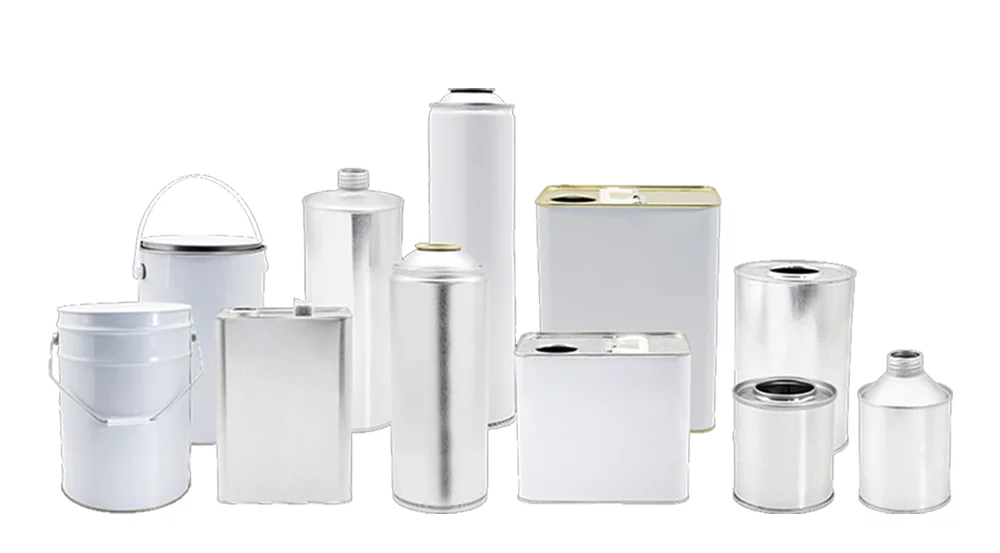
➔ Personnalisation & Capacité: Évaluer bombes aérosols, canettes de monotop, et seaux en métal against capacity needs (100ml up to 7 fille), formulation du produit, and FANXUN’s OEM production capabilities.
Ready to scale your product line? Avec plus 30 years of expertise in metal packaging, FANXUN provides one-stop OEM/ODM solutions for aerosol cans, canettes d'huile moteur, et seaux métalliques. Contactez-nous aujourd'hui pour une proposition de solution d'une journée!
Types Of Agricultural Sprayers Explained
UN pressurized sprayer keeps liquid moving at useful pressure, but the best setup depends on acreage, accéder, and spray target. From a portable sprayer for tight spots to broad field equipment, tank size and pressure control matter. Matching a pressurized sprayer to the job helps cut wasted chemicals and keeps day-to-day farm work manageable.

Aluminum-Alloy Backpack Sprayer
UN pressurized sprayer worn on the back makes good sense where machines cannot easily go.
- Carrying comfort
- conception légère reduces fatigue.
- ergonomic shoulder straps improve fit and portabilité.
- Working parts
- manual pumping builds spray pressure.
- résistance à la corrosion helps around agricultural chemicals used for lutte antiparasitaire.
That simple setup is pretty handy for rows, slopes, and field edges.
High-Capacity Boom Sprayer
A boom pressurized sprayer is built for large couverture dans field farming, where steady fluid distribution counts.
| Example setup | Tank (L) | Boom (m) | Buses | Taux (L/ha) |
|---|---|---|---|---|
| Petit | 600 | 10 | 20 | 100 |
| Moyen | 1,000 | 12 | 24 | 150 |
| Medium-large | 1,500 | 18 | 36 | 180 |
| Grand | 2,000 | 24 | 48 | 200 |
| Extra-large | 3,000 | 30 | 60 | 250 |
Actual specifications vary by model. Pour commercial agriculture, vérifier large tank volume, tractor attachment force, compatibilité chimique, et le nozzle array before buying.
Compact Handheld Spot-Treatment Sprayer
For small jobs, a handheld unit keeps chemical use under control.
- targeted application
- Build pressure through pump action.
- Aim the trigger nozzle directly at the target.
- Practical uses
- weed control et jardinage
- indoor outdoor use
- easy storage after rinsing
This small pressure sprayer works well when treating one trouble spot beats soaking the whole area.
ATV-Mounted High-Speed Sprayer
An ATV setup adds speed without jumping straight to tractor-scale gear.
- Mobilité
- quad bike integration prend en charge remote terrain.
- rapid spraying suits large acreage.
- Application
- Un electric pump maintains pressure.
- broadcast coverage prend en charge même pasture management.
For bigger properties, this sprayer balances mobility and capacity while keeping application fairly quick.
Multiple Chemicals? Choose The Right Materials
UN pressurized sprayer lives or dies by material compatibility. From the sprayer bottle to its valve, each part meets chemicals under pressure, so a poor match can mean swelling, rouiller, ou des fuites. FANXUN buyers can use formulation testing to narrow material choices before production gets rolling.

When to Specify High-Density Polyethylene for Corrosive Formulations
- Polyéthylène haute densité suits many corrosive formulations thanks to strong résistance chimique.
- Pour acid solutions, vérifier résistance à la perméation before approving a sprayer.
- UN polymer tank should also undergo stress cracking tests with the actual formula.
That keeps pressurized sprayer material decisions tied to real exposure, pas de conjectures.
Stainless Steel vs. Tinplate Sheet in Corrosion Resistance Test
Acier inoxydable usually handles oxydation et corrosion par piqûres better than Tinplate Sheet, but formulation chemistry can flip expectations.
- Exécutez un essai au brouillard salin for comparative screening.
- Test filled containers over time.
- Revoir composition de l'alliage and any revêtement protecteur before locking in the sprayer specification.
Aluminum Alloy’s Edge with Compressed Air Medium
- Alliage d'aluminium
- Low mass supports useful weight reduction.
- Adequate résistance à la traction helps contain pneumatic pressure.
- air comprimé
- Avoids some chemical issues associated with liquefied propellants.
- Still calls for cycle testing against fatigue du métal.
C'est conductivité thermique also means temperature changes can affect container pressure, so rated limits matter.
Brass Valve Core Compatibility with Active Solvent Blends
UN Laiton noyau de soupape can be a solid fit, encore solvent blends deserve close checking.
- Test compatibilité chimique avec elastomer seals.
- Confirmer hydrocarbon resistance where relevant.
- Inspect for dégradation des métaux and verify prévention des fuites sous pression.
For a pressurized sprayer or comparable pressure sprayer, FANXUN recommends testing the finished formulation rather than relying only on generic material charts.
Need expert advice on material compatibility? Whether you require standard tin aerosol cans or specialized interior linings, Le R de FANXUN&D team can help you select the perfect 100% recyclable tinplate or aluminum solution for your formulation.
Cleaning Your Pressurized Sprayer In 5 Mesures
Keeping a pressurized sprayer clean helps maintain steady flow, reliable seals, and a predictable spray pattern. A little routine care goes a long way, especially when residue can dry inside narrow passages. For FANXUN equipment or another pressure sprayer, follow the maker’s safety guidance closely. Never open a container that still holds pressure or improvise pressure-testing methods.
Empty and Disassemble Aerosol Actuator, Tube de plongée, and Mounting Cup
Before touching the ensemble de soupape, fully depressurize the pressurized sprayer as its fabricant directs.
- Vérifiez le récipient pour pression résiduelle.
- Begin disassembly only when confirmed safe.
- Remove serviceable parts such as the actionneur d'aérosol, tube plongeur, et coupelle de montage without forcing them.
Soak Dip Tube in Active Solvent Blend for Residue Removal
A compatible cleaner can make stubborn deposits much easier to handle.
- Use only an approved cleaning solution ou mélange de solvants.
- Placez le tube plongeur in the specified soaking bath.
- Garder immersion within maker limits so chemical residue et polymer buildup loosen without harming plastic.
Scrub and Inspect the Pressure Gasket and Metering Valve
Treat sealing parts gently; small damage can become a big headache.
- Nettoyer le vanne doseuse et pressure gasket with an approved nylon brush.
- Vérifiez le rubber seal for cracks or swelling.
- Pendant inspection, rechercher surface wear that could weaken prévention des fuites in the pressurized sprayer.
Flush Nozzles Using Compressed Air Medium for Spray Pattern Consistency
Use manufacturer-approved air comprimé et en toute sécurité pneumatic pressure to clear the buse de pulvérisation.
- Examinez le orifice et fluid path.
- Remove loosened clogging debris.
- Vérifiez le motif de pulvérisation; an uneven fan can signal a blockage. Don’t crank up pressure just to push a clog through.
Sec, Reassemble, and Verify with a Leak Detection Water Bath
Complet moisture removal avant component reassembly.
- Follow pressurized sprayer instructions for pressurisation.
- Utilisez un bain-marie only when explicitly approved.
- Un contrôlé test de bulle prend en charge détection de fuite and confirms the joint hermétique. FANXUN users should follow the applicable product manual rather than improvising a test.
Partner with FANXUN for Your Next Project
From initial design to a ≈10-day sample turnaround and 100% test d'étanchéité automatisé, FANXUN ensures your custom canisters meet the highest standards. Explorez notre Services de personnalisation ou Contactez-nous to discuss bulk orders starting at just 3,000 pièces.
Références
- Calibration How Tos: How to Calibrate a Backpack Sprayer – Extension de l'État de Penn
- Pulse Width Modulation Technology for Agricultural Sprayers – UGA Extension
- Boom Sprayers: One-Minute Method of Calibration – Extension UNH
- HDPE Geomembranes: Résistance chimique – Global Plastic Sheeting
- HDPE Pipe Chemical Resistance Guide – HDPE Pipe Factory
- Pitting Corrosion in Stainless Steel – Behälter KG
- Adhesion Testing of Epoxy Coating – UT Austin
- How Low Pressure Casting Improves Surface Finish – FDB Casting
- Vannes en plastique 101 – Plast-O-Matic
- Overview of Pharmaceutical Aerosol Propellants – Scribd
- Professional Paint Spray Valve for Automotive Refinishing – Aerosol-Valve
- Boom Sprayer Calibration – UMaine Extension
- Aerosol Filling Crimping and Capping Machine – Meitar Machine