 Français
 English
 العربية
 Bosanski jezik
 Čeština
 Dansk
Dansk Nederlands
 Wikang Filipino
 Suomi
Suomi Deutsch
 Magyar
 Íslenska
 Bahasa Indonesia
 Italiano
 日本語
日本語 한국어
한국어 Bahasa Melayu
 Polski
 Português
 Русский
 Cрпски језик
 Español
 ภาษาไทย
 Türkçe
 Tiếng Việt
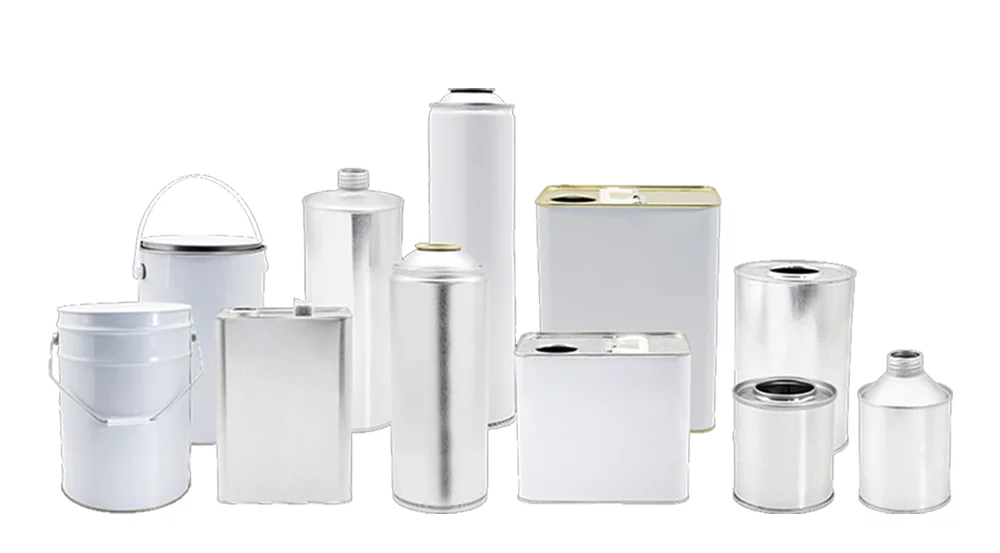
Dans 2026, packaging tin cans aren’t just metal shells—they’re the quiet bodyguards of your product line. Pick the wrong spec and it’s like showing up to a snowstorm in flip‑flops. Wholesale buyers feel it where it hurts: freight damage, maux de tête liés à la conformité, rising material costs. Acier ou aluminium? Standard mold or custom run? One small misstep, and margins slip through your fingers like loose change in a couch cushion.
Recherche sur Grand View valued the global metal packaging market at $148.7 milliards en 2022, with steady growth projected through the decade—steady, but fiercely competitive.
So this guide cuts the fluff. It speaks to buyers who need strength without excess weight, coatings that pass audits without drama, and suppliers who ship on time, à chaque fois. Because in bulk purchasing, close enough isn’t close enough.
Quick Reading Notes — Smart Buyer Insights for Packaging Tin Cans
→ Questions matérielles: Choose between tinplate steel for strength and cost efficiency or aluminum alloy for lightweight, corrosion-resistant beverage and aerosol formats.
→ Structure Drives Durability: Three-piece welded cans offer flexible sizing, while two-piece drawn designs reduce leak risks and improve structural integrity.
→ Manufacturing Precision: Accurate tinplate cutting, body forming, and seaming operations ensure consistent leak-proof seals and packaging line efficiency.
→ Compliance Is Non-Negotiable: Normes ISO, UN certification, recyclability guidelines, and proper documentation protect global transport safety and regulatory approval.
Pourquoi 2026 Buyers Should Rethink Tin Can Packaging
Dans 2026, buyers aren’t just picking containers; they’re choosing performance, conformité, and brand value. Packaging tin cans now sit at the center of food safety, durabilité, and cost control. From smarter materials to tighter regulations, the shift in emballage en étain is real—and worth a closer look.

From Electrolytic Tinplate to Laminated Steel: Material Evolution in Packaging Tin Cans
The story of matériaux d'emballage in metal containers is really about smart upgrades in tin can construction. Today’s packaging tin cans are built on two major material paths:
- Material evolution in base steel
- Fer blanc électrolytique
- Ultra-thin tin coating applied through precision electrolysis
- Strong corrosion resistance for food-grade emballage métallique
- Proven track record in beverage and canned food markets
- Laminated steel
- Polymer film bonded directly to steel surface
- Reduced reliance on traditional lacquer technologies de revêtement
- Improved barrier performance for oxygen-sensitive goods
- Fer blanc électrolytique
- Performance comparison in real production
| Type de matériau | Typical Thickness (mm) | Résistance à la corrosion (heures de brouillard salin) | Coating Requirement | Weight Reduction Potential |
|---|---|---|---|---|
| Fer blanc électrolytique | 0.18–0,30 | 96–240 | Laque interne | Modéré |
| Laminated steel | 0.15–0,28 | 240–480 | Film laminate | Haut |
| Conventional coated steel | 0.20–0,32 | 72–120 | Heavy coating | Faible |
- Practical impact on packaging tin cans
- Lighter steel means lower shipping cost.
- Better barrier layers protect flavor and shelf life.
- Cleaner surfaces simplify recycling of tin cans.
Pour les marques travaillant avec FANXUN, this material shift in packaging tin cans means fewer coating defects and stronger consistency across high-volume runs. Tin packaging isn’t old-school anymore; it’s engineered.
Smarter Manufacturing Lines — Tinplate Cutting, Body Forming, and Modern Quality Control
Moderne manufacturing lines for packaging tin cans feel more like tech hubs than metal workshops.
Commencez par tinplate cutting. Precision servo systems reduce scrap rates. Moins de déchets, tighter tolerances. That alone boosts fabrication efficacité.
Move to body forming. Cylindrical shaping now uses controlled pressure mapping. Le résultat? Smooth seams and stable geometry for tin can packaging used in food, aérosol, et produits chimiques.
Then comes automated seaming processes:
- Curl formation
- Lid placement
- Double seam compression
- Inline vacuum or pressure testing
Aucune hypothèse. Sensors monitor seam thickness in real time. Si un écart apparaît, contrôle de qualité systems flag it instantly.
A few highlights buyers care about:
- Lower defect rate in packaging tin cans
- Faster changeover between can sizes
- Automation that supports traceability codes
FANXUN integrates automation and inspection cameras directly into the packaging tin cans line, keeping leak-proof performance tight. Metal packaging only works when the seam holds. Pas de drame, pas de fuite.
Meeting Global Compliance: ISO Standards, Recyclability Guidelines, and UN Certification
Compliance isn’t paperwork; it’s market access. Pour packaging tin cans, three layers matter most.
- International quality framework
- Normes ISO
- ISO 9001 for quality systems
- ISO 22000 for food safety in tin packaging
- Documentation traceability across supply chains
- Normes ISO
- Environmental responsibility
- Recyclability guidelines
- Steel recovery through magnetic separation
- High recycling rate in global metal packaging streams
- Reduced coating load supporting circular economy goals
- Alignment with evolving réglementation environnementale in the EU and North America
- Recyclability guidelines
- Hazardous goods and transport safety
- UN certification
- Drop test validation
- Test de résistance à la pression
- Stacking load verification
- Conformité aux normes mondiales exigences réglementaires for chemical and aerosol transport
- UN certification
Pour le sourcing des acheteurs packaging tin cans dans 2026, this structure means fewer customs delays and smoother audits. Le Blog section often highlights updates to these standards, making tin can packaging easier to approve across borders.
Metal packaging has grown up. And smart buyers are paying attention.
Acier contre. Aluminium: Best Material for Packaging Tin Cans

Choosing materials for packaging tin cans isn’t just factory talk; it shapes cost, sécurité, et durée de conservation. From food tins to spray cans, conditionnement, étain, and cans each play a role. Let’s break down how steel and aluminum handle real-world packaging needs.
Acier
Steel remains a classic for packaging tin cans, surtout dans la nourriture, peinture, and chemical tin packaging. C'est durabilité and raw force give it an edge when pressure builds up inside sealed cans.
- Core Performance1.1 Structural Capacity
- Haut force supports stacking in warehouses.
- Strong seam welding improves seal integrity according to ASTM benchmarks.
1.2 Physical Traits
- Perceptible propriétés magnétiques simplify automated sorting.
- Solide résistance à la corrosion when coated with tinplate.
- Cost and Sustainability2.1 Production Value
- Fiable rentabilité for large-volume packaging tin cans.
2.2 End-of-Life
- Éprouvé Recyclabalité in global metal streams.
- Typical Applications3.1 Food cans
3.2 Industrial tin cans
3.3 Chemical packaging cans
| Propriété | Acier fer blanc | Acier laminé à froid | Utilisation typique |
|---|---|---|---|
| Résistance à la traction (MPa) | 280–350 | 300–420 | Boîtes de conserve |
| Épaisseur (mm) | 0.14–0.49 | 0.20–0.50 | Pots de peinture |
| Taux de recyclage (%) | 70–80 | 70–80 | General tin packaging |
| Indice des coûts (1–5) | 3 | 3 | Bulk production |
Pour des marques comme FANXUN, acier canettes d'huile moteur mean steady performance and fewer headaches during transport.
Aluminium
Aluminum shows up everywhere in beverage and aerosol packaging cans. It’s known for being léger, easy to shape thanks to its malleability, and naturally non magnétique.
• Key advantages
- Slim walls yet strong form
- Smooth neck-in design
- Haut recycling value
Aluminum also delivers excellent barrier properties, keeping drinks fresh and sprays stable. In fast-moving consumer markets, that energy efficiency during recycling saves serious cash over time.
Here’s how aluminum fits modern packaging tin cans production:
- Draw and iron into two-piece cans
- Trim and neck-in for design appeal
- Coat internally for added corrosion protection
- Print and finish for shelf impact
Court et simple: lighter loads, lower shipping costs, sharp branding. FANXUN often recommends aluminum packaging cans for beverage clients who want speed and sleek looks without sacrificing protection.
When comparing steel and aluminum for packaging tin cans, the choice comes down to pressure needs, budget, et l'ambiance de la marque. Both materials keep tin cans competitive in today’s metal packaging market.
4 Key Factors In Tin Can Packaging Selection
Choisir le bon packaging tin cans ce n'est pas seulement une question de look. C'est une question de sécurité, durabilité, and how well the tin can packaging protects what’s inside. From material choice to size fit, smart decisions keep products safe and shelves looking sharp.

Material Strength and Safety — Tinplate Steel, Alliage d'aluminium, and Food-Grade Metal
When selecting materials for packaging tin cans, the focus sits on three core areas:
- Composition du matériau
- Acier fer blanc
- Strong pressure resistance
- Fiable résistance à la corrosion
- Alliage d'aluminium
- Poids léger
- Haut Recyclabalité
- Food-grade metal
- Passes strict toxicity testing
- Stable under sterilization heat
- Acier fer blanc
- Indicateurs de performance
| Type de matériau | Épaisseur de paroi (mm) | Corrosion Resistance Level | Taux de recyclabilité |
|---|---|---|---|
| Acier fer blanc | 0.18–0,30 | Haut | 90%+ |
| Alliage d'aluminium | 0.15–0,25 | Moyen-élevé | 95%+ |
| Food-grade metal | 0.20–0,35 | Haut | 85%+ |
- Safety Validation
- Vérifié composition matérielle
- Heat and pressure endurance tests
- Simulation de stockage à long terme
Pour les marques utilisant boîte de conserve de peinture unités, material choice directly affects shelf life and consumer trust.
Structural Design for Durability: Three-Piece Can, Two-Piece Can, and Welded Side Seam
Can construction defines durability in real-world transport and stacking.
- Boîte en trois parties
- Corps + haut + bas
- Réglage flexible de la hauteur
- Renforcé welded side seam for solid intégrité des coutures
- Bidon en deux parties
- Integrated body-bottom structure
- Fewer leak paths
- Plus fort rigidité structurelle
- Manufacturing Focus
- Précision processus de fabrication
- Seam pressure calibration
- Post-production leak inspection
Pour packaging tin cans, reduced seams often mean fewer risks according to the Renseignements du Mordor 2026 outlook. That’s why many food brands lean toward two-piece tin cans packaging solutions.
Performance Protection with Internal Coating, Rust Inhibitors, and Leak-Proof Seal
Protection happens inside the can, not just outside.
- Internal Defense System
- Revêtement interne
- Améliore Propriétés de la barrière
- Améliore compatibilité du produit
- Inhibiteurs de rouille
- Control oxidation
- Support shelf life extension
- Leak-proof seal
- Haute qualité sealant material
- Tight double seaming
- Revêtement interne
- Application Control
- Lacquering thickness check
- Curing temperature control
- Final vacuum testing
Quality tin can packaging avoids flavor changes and chemical reactions. That’s the difference between average metal cans and well-engineered packaging tin cans.
Matching Dimensions to Product Needs: Diamètre de la boîte, Épaisseur de paroi, and Volume Capacity
Size affects filling speed, empilage, and transport cost.
- Core Dimensional Factors
- Diamètre de la boîte
- Épaisseur de paroi
- Volume capacity
- Practical Matching Logic
- Aligner product volume with fill ratio
- Adjust thickness for stacking pressure
- Améliorer efficacité du stockage through optimized height
- Enhance handling ergonomics with balanced weight
- Secure pallet loads via strong empilabilité
- Operational Fit
- Compatibility with filling lines
- Standard lid sizing
- Export container efficiency
Professional suppliers like FANXUN conception packaging tin cans that balance safety, contrôle des coûts, and transport logic. From tin packaging formats to advanced tin can packaging customization, FANXUN helps brands choose metal packaging cans that actually work in daily production.
Produits chimiques industriels: Secure Packaging Tin Cans for Transport
Moving industrial chemicals is no joke. Intelligent packaging tin cans keep pressure stable, prevent leaks, and make chemical transport less stressful. From aerosol can systems to certified labeling, every detail counts in real-world shipping.
Pressure-Resistant Construction with Domed Top and Reinforced Bottom End
When designing a Boîte pour les marchandises dangereuses, pressure control drives every choice. Dans packaging tin cans, the build is not just metal—it’s engineered balance.
- Core Structural Elements1.1 Dessus bombé
- Distributes internal force evenly
- Reduces panel stress under high PSI
- Supports valve crimping strength
1.2 Reinforced Bottom End
- Thickened steel base
- Anti-buckle ring design
- Impact absorption during drop events
- Material Performance Factors2.1 Résistance du matériau
- Tin-plated steel grade selection
- Yield strength tolerance
- Résistance à la corrosion
2.2 Résistance à la pression
- Burst testing benchmarks
- Vacuum stability
- Stack-load endurance
- Structural Integrity in Transit3.1 Pallet stacking vibration
3.2 Temperature swings in containers
3.3 Long-haul mechanical shock
| Article de test | Gamme Standard | Typical Value | Unité |
|---|---|---|---|
| Pression d'éclatement | 1.2–1,8 | 1.6 | MPa |
| Axial Load | 800–1200 | 1050 | N |
| Drop Height | 1.0–1,8 | 1.5 | m |
| Épaisseur de paroi | 0.18–0,28 | 0.23 | mm |
Reliable packaging tin, solid tin packaging, and carefully formed metal cans all hinge on this structural logic. FANXUN builds packaging tin cans that keep structural integrity steady, even when transport gets rough.
Aerosol System Integration — Valve Mounting Cup, Tube de plongée, and Propellant Gas
Un Aérosol is more than a shell. Inside every unit of packaging tin cans built for chemicals sits a tuned Système de distribution.
Les composants clés comprennent:
- Coupelle de montage de valve crimped to the domed top
- Tube de plongée trimmed to precise can height
- Correspondant vanne d'aérosol et actionneur
- Équilibré Gaz propulseur
Performance depends on alignment.
- The dip tube must reach near the base without curling.
- The propellant gas ratio controls spray force.
- The valve spring tension regulates flow rate.
Too short a tube? Déchets de produits.
Too much propellant? Pressure spikes.
Loose crimp? Leak risk.
In packaging tin cans for solvents or cleaners, compatibility testing matters. Chemical transport demands stable seals between coating layers and contents. FANXUN fine-tunes aerosol can assemblies so pressure resistance and discharge stay smooth, pas sauvage.
C'est simple: good integration means controlled spray, manipulation sûre, et moins de maux de tête sur place.
Compliance Essentials for Chemical Transport: DOT Regulations and Aerosol Safety Standards
Sûr Transport de produits chimiques links engineering with paperwork. Avec packaging tin cans, compliance is baked into the build.
- Regulatory Framework1.1 DOT Regulations
- Hazard class labeling
- Pressure vessel testing
- Transport marking codes
1.2 UN Certification
- Performance packaging tests
- Drop and stack validation
- Traçabilité des lots
- Safety Documentation2.1 Safety Data Sheets
2.2 Hazard communication labels
2.3 Emergency response codes
- Packaging Standards in Practice3.1 Internal coating compatibility
3.2 Crimp diameter verification
3.3 Leak detection protocols
Sous Aerosol Safety Standards and broader Packaging Standards, chaque Matières dangereuses shipment must prove regulatory compliance before loading.
Using certified packaging tin, industrial tin cans, and properly labeled packaging tin cans keeps goods moving across borders without surprise delays. FANXUN supports clients with test data, compliance guidance, and globally aligned metal can production—so chemical transport stays smooth and fully documented.
Packaging Tin Cans Mistakes That Can Destroy Profit Margins

Quand il s'agit de packaging tin cans, small technical oversights can quietly eat away at margins. From material choice to sealing and compliance paperwork, every move affects cost, sécurité, et la confiance dans la marque. If your tin can packaging line feels “fine,” it might still be leaking profit.
Choosing the Wrong Can Material — Cold-Rolled Steel vs. Fer blanc électrolytique
Selecting the wrong peut matériel dans packaging tin cans often starts with price comparison and ends with corrosion claims.
- Material Performance Comparison
| Type de matériau | Résistance à la corrosion (Heures de pulvérisation de sel) | Moy.. Coating Cost ($/m²) | Typical Use in Tin Can Packaging |
|---|---|---|---|
| Acier laminé à froid | 24–48 hrs | 0.35 | Industriel, non-food |
| Fer blanc électrolytique | 96–240 heures | 0.22 | Nourriture & boisson |
| Acier sans étain (TFS) | 72–120 heures | 0.25 | Couvercles, se termine |
| Lacquered tinplate | 240+ heures | 0.28 | Acidic food products |
- Risk Breakdown
- UN. If using acier laminé à froid:
- un. Low inherent résistance à la corrosion
- b. Requires heavy food grade coating
- c. Higher long-term durability risk
- B. If using fer blanc électrolytique:
- un. Stable surface for coating adhesion
- b. Better durability in humid storage
- c. Lower recall probability
- UN. If using acier laminé à froid:
In high-volume packaging tin cans, même un $0.03 cost gap per unit adds up fast. Smart brands like FANXUN usually standardize fer blanc électrolytique for food-grade tin packaging to balance safety and margin.
Ignoring Dimension Precision: Can Height, Neck Diameter, and Standard Sizes
Mal aligné peut hauteur or off-spec diamètre du col sounds minor—until your filling equipment starts jamming.
Here’s how dimensional drift spreads trouble in packaging tin cans:
- Filling head misalignment
- Lid mismatch affecting compatibilité du couvercle
- Increased scrap during high-speed runs
Quand standard sizes aren’t followed, contract packers may reject entire pallets. In tin can packaging lines running 200+ units per minute, un 0.2 mm deviation kills précision dimensionnelle and forces retooling downtime.
Quick checkpoints teams often forget:
- Verify tooling calibration weekly.
- Cross-check drawings with real production samples.
- Confirmer filling equipment tolerance limits before mass production.
Good packaging tin cans feel boringly consistent. That’s the point.
Weak Seaming Operation Leading to Leak-Proof Seal Failures
A shaky seaming operation doesn’t always fail immediately. Trouble shows up during transport.
Under pressure and vibration:
- Le double couture overlap may thin out.
- Wall thickness variation reduces intégrité du joint.
- Gasket compression becomes uneven.
Quality control in tin packaging should break down like this:
- Configuration mécanique
- Roller clearance
- Chuck alignment
- Material Factors
- Longueur du crochet du corps
- End hook formation
- Vérification
- Tear-down inspection
- Seam thickness measurement
- Test d'étanchéité sous vide
Si le leak-proof seal échoue, shelf returns follow. Shelf life drops. Freight damage claims rise. For packaging tin cans shipped internationally, that’s a nightmare nobody wants.
Skipping Material Safety Data Sheets and ISO-Based Quality Control
Compliance paperwork feels dull—until regulators knock.
Sur les marchés réglementés, skipping fiches de données de sécurité breaks traçabilité. Ignoring ISO-based quality control weakens conformité réglementaire and product safety documentation.
Control flow for safe tin can packaging:
- Qualification des fournisseurs
- Vérifier normes de fabrication
- Audit coating suppliers
- Documentation
- Maintain updated MSDS files
- Record batch-level traceability
- Production Monitoring
- Interne contrôle de qualité vérifications
- Random product safety checks
Brands that use personnalisé solutions must ensure that internal BPA-NI lining and other specs match the target market’s safety rules.
In the world of packaging tin cans, details aren’t tiny. They’re expensive.
FAQ
What materials are best for high-pressure packaging tin cans?
Choosing the wrong metal can mean swelling ends, fuites, or failed transport audits.
High-pressure chemical & industrial use
- Acier laminé à froid: high pressure resistance, stable wall thickness.
- Fer blanc électrolytique: added corrosion protection for paints or solvents.
Aerosol applications
- Alliage d'aluminium: léger, ideal for drawn and ironed two-piece can bodies.
- Compatible with aerosol valve, capuchon de l'actionneur, tube plongeur, and propellant gas systems.
Food or sensitive products
- Tinplate steel or food-grade metal with internal coating to prevent interaction.
Material choice directly affects can diameter stability, résistance des coutures, and long-term corrosion protection.
How does can construction influence safety and pressure performance?
A weak structure fails at the seam long before the material gives in.
Boîte en trois parties
- Welded side seam supports tall can height formats.
- Flexible for varied volume capacity and standard sizes.
- Strong bottom end and domed top improve stacking strength.
Bidon en deux parties (drawn and ironed)
- No side weld, smoother interior.
- Better suited for aerosol safety standards and high-speed packaging line filling.
- Necked-in design helps secure valve mounting cup with tighter neck diameter control.
Construction defines leak-proof seal reliability during transport and storage.
Why is precision in dimensions critical for automated packaging lines?
Small deviations create big losses.
| Dimension Factor | Risk If Incorrect | Impact opérationnel |
|---|---|---|
| Hauteur possible | Filler misalignment | Downtime on packaging line |
| Diamètre du col | Valve fit failure | Leakage or reject rate spike |
| Épaisseur de paroi | Burst under pressure | Safety recall risk |
| Volume capacity | Under/overfill | Compliance violation |
Strict quality control during tinplate cutting, body forming, and seaming operation protects output accuracy and profit margins.
What certifications and treatments protect exported packaging tin cans?
Export markets demand proof, pas des promesses.
- Conformité
- ISO standards for production systems
- UN certification for hazardous goods
- DOT regulations for transport marking
- Material safety data sheets for chemical contents
- Recyclability guidelines for environmental approval
- Protective treatments
- Internal coating via controlled lacquering process
- External lithography and printing application for durability
- Rust inhibitors for humid shipping routes
- Careful gasket material selection to secure leak-proof seal
Using certified seaux en métal et composants de bombe aérosol ensures that global trade requirements are met.
Références
- Metal Packaging Market Size and Share – grandviewresearch.com
- Global Metal Packaging Market Forecast 2026 – mordorintelligence.com
- ISO 9001:2015 Systèmes de gestion de la qualité – iso.org
- ISO 22000 Gestion de la sécurité alimentaire – iso.org
- Aluminum Mechanical and Thermal Properties – aluminium.org
- ASTM Standards for Tinplate and Coated Steel – astm.org
- Metal Packaging Sustainability and Recycling Trends – cancentral.com
- PHMSA Hazardous Materials Regulations (POINT) – phmsa.dot.gov
- Recommandations de l'ONU sur le transport de marchandises dangereuses – unece.org
- Steel Packaging Markets and Circular Economy – worldsteel.org
- EU Regulations on Food Contact Materials – ec.europa.eu
- Règlement sur les marchandises dangereuses (DGR) – iata.org
- Double Seam Mechanics and Structural Integrity – sciencedirect.com
- BPA-NI Lining and Metal Packaging Transition – packaginglaw.com