 Français
 English
 العربية
 Bosanski jezik
 Čeština
 Dansk
Dansk Nederlands
 Wikang Filipino
 Suomi
Suomi Deutsch
 Magyar
 Íslenska
 Bahasa Indonesia
 Italiano
 日本語
日本語 한국어
한국어 Bahasa Melayu
 Polski
 Português
 Русский
 Cрпски језик
 Español
 ภาษาไทย
 Türkçe
 Tiếng Việt
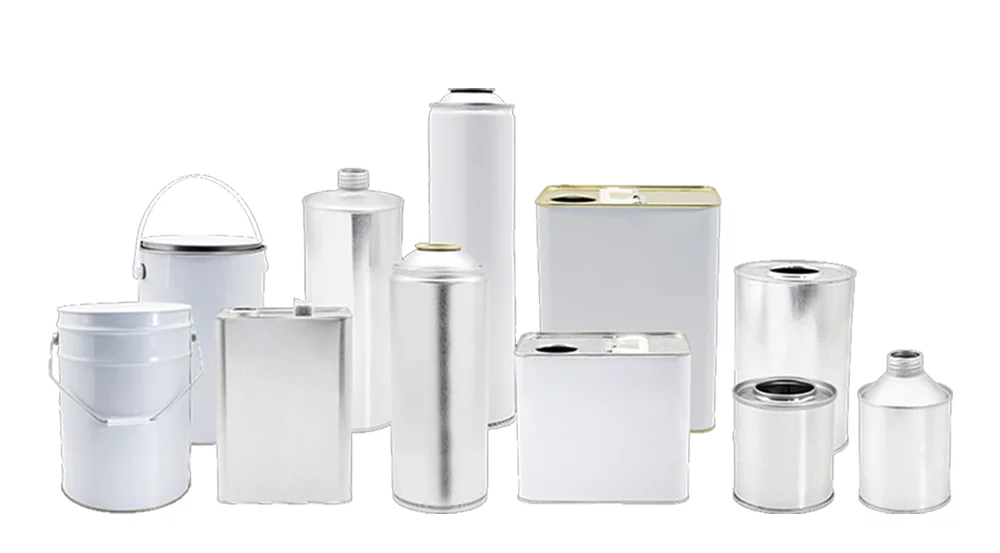
One leaky car oil can can turn a bulk order into a costly headache. For lubricant manufacturers and distributors, picking the wrong packaging means wasted products, shipping hassles, and unhappy customers.
Bidons en acier, seaux en métal, ou bombes aérosols? Each has its perks. Discover how materials, capacité, sécurité, and OEM customization shape smarter purchasing decisions.
Key Cornerstones of Car Oil Can Selection
âž” Choose the Right Material: Steel for high pressure and recyclability[^9], aluminum for lighter weight and corrosion resistance.
âž” Match Capacity Needs: Bulk drums for peak demand, refillable canisters for on-site top-ups, compact cans for depot storage.
➔ Optimize Dispensing: Metering stems or continuous spray valves for precision, 360° actuators for all-angle reach, custom nozzles for rapid coverage.
âž” Ensure Compliance: Verify UN hazardous materials class[^2], pressions nominales, ISO 9001:2008 processus[^3], and tamper-evident overcaps.
âž” Plan Storage Safely: Palletized shrink-wrap, temperature-controlled warehouses, flammable goods cabinets[^4], and intermodal crates for seamless logistics.
Fleet Servicing: Car Oil Can Capacity Needs
Fleet maintenance teams need dependable oil supplies without overcrowding their workshops. Choosing the right car oil can capacity helps reduce refill delays, control storage costs, and keep servicing schedules on track, especially when vehicle demand suddenly increases.

Meeting Peak Demand with Bulk Dispensing Drums
Busy depots can’t afford lubricant shortages. Bulk drums provide high-volume supply while reducing packaging waste and simplifying gestion des stocks[^5].
- Bulk dispensing advantages
- Lubricant storage: Large drums minimize frequent deliveries and keep oil readily available.
- Fluid transfer: Un compatible dispensing pump delivers measured quantities into each car oil can.
- Workshop requirements
- Heavy-duty container: Durable drums help prevent leaks during demanding operations.
- Workshop infrastructure: Dedicated dispensing stations improve workflow and reduce handling time.
FANXUN’s high-quality canettes d'huile moteur complement bulk systems perfectly by supporting convenient, precise lubricant distribution. Whether you need 1L round cans or 5L F-style options, our customizable solutions ensure your workshop runs smoothly.
On-Site Refills via Refillable Propellant Canisters
UN reusable canister makes mobile servicing easier when technicians work away from the depot.
Les principales considérations comprennent:
- Portable applicator: Allows precise lubricant delivery in tight spaces.
- Pressurized system: Requires compatible lubricants, approved refill procedures, and pressure-rated components.
- Service vehicle: Carries compact supplies without sacrificing valuable cargo space.
Chaque maintenance technician should inspect the lubrication tool before refilling.
FANXUN car oil can options can support recurring maintenance when matched to suitable dispensing equipment.
Balancing Fleet Maintenance Depot Storage Limits
Selecting car oil can capacities requires balancing available space against daily consumption.
- Storage planning
- Space optimization: Match container sizes to depot layout and servicing frequency.
- Storage rack: Check load ratings and accommodate palletized, shrink-wrapped shipments.
- Sécurité opérationnelle
- Contrôle des stocks: Track stock turnover to avoid unnecessary buildup.
- Safety regulation: Follow applicable matières dangereuses[^6] règles de stockage.
- Oil containment: Use spill trays where needed to prevent leaks from spreading.
FANXUN lubricant containers offer practical options for organizing fleet maintenance supplies.
4 Factors Affecting Your Car Oil Can Choice
Choisir le bon car oil can involves more than finding a container that looks good. Packaging strength, spray accuracy, lubricant compatibility, and shipping rules all affect performance. From busy repair shops to automotive production lines, FANXUN leverages over 30 years of fabrication expertise to help businesses explore practical, 100% recyclable solutions d'emballage that keep oil products safe, pratique, and ready for daily use.

Packaging Durability: Aluminum Aerosol Container vs. Tinplate Spray Container
Un durable car oil can must withstand workshop impacts, pression interne, and frequent transportation.
- Aluminum aerosol container
- Offers excellent construction sans couture et fiable pression d'éclatement capacity when properly designed.
- Requires suitable internal coatings for lasting compatibilité chimique.
- Tinplate container
- Provides lightweight, economical packaging for compatible lubricants.
- Depends on jauge de matériau et intégrité des coutures to maintain safety.
Always match container specifications to actual operating pressure.
Dispense Precision from Continuous Spray Valves
Un fiable valve de pulvérisation makes applying lubricant easier and cleaner.
Pour votre car oil can, considérer:
- Débit: Controls how quickly lubricant leaves the container.
- Nozzle actuator: Supports comfortable operation and accurate pattern control.
- Atomisation: Helps distribute lubricant evenly while reducing waste.
Bien prévention des fuites also keeps workbenches cleaner.
Compatibilité des formulations: Synthetic Lubricant Blend vs. High-Viscosity Base Oil
Not every automotive oil container handles every lubricant equally well.
- Synthetic blend
- Often delivers excellent résistance à l'oxydation.
- Nécessite stabilité chimique checks against container coatings.
- High-viscosity oil
- May need larger valve openings for smooth dispensing.
- Requires compatibility testing to prevent dégradation du joint.
Vérifiez le additive package before finalizing packaging materials.
Compliance Checks: UN Hazardous Materials Classification
Before shipping a filled car oil can, verify its applicable hazmat classification.
Les contrôles clés comprennent:
- UN certification: Confirm which approvals apply to the packaging.
- Pression nominale: Match container limits to the filled product.
- Transport compliance:[^7] Review labeling, documentation, et applicable règlement de sécurité exigences.
UN drop test[^8] may also be required under relevant packaging standards.
Proper compliance helps keep your bombes aérosols en aluminium safe throughout distribution.
Tinplate Steel Vs. Aluminum Car Oil Cans: Qui gagne?

Choosing the right car oil can affects storage safety, frais de transport, and everyday convenience. Tinplate steel offers exceptional strength, while aluminum keeps things light. Here’s how both materials compare when storing automotive lubricants.
Steel Car Oil Cans
Steel containers stand out for their durabilité, résistance à la perforation, and ability to handle demanding storage conditions.
- Strength and protection
- Metal alloy construction provides excellent mechanical strength.
- Robuste walls resist dents and impacts during transportation.
- Rigid construction supports secure stacking and pressure resistance.
- Performances de stockage
- Adapté à industrial storage of petroleum-based lubricants.
- Protective coatings improve résistance à la corrosion contre l'humidité.
- Proper maintenance supports a long lifespan and reliable oil protection.
Steel is also widely recyclable, making it attractive for businesses managing packaging waste.
Cependant, its heavier weight increases shipping costs. FANXUN steel oil containers are worth considering when mechanical protection and dependable storage matter most.
Aluminum Car Oil Cans
Aluminum containers offer practical advantages for drivers and lubricant suppliers who value convenience.
Why aluminum works well:
- Poids léger construction improves portabilité and reduces transportation expenses.
- Sans couture design provides excellent structural integrity and prevents leakage.
- Compatible internal coatings ensure excellent résistance chimique to many automotive oils.
- Antirouille surfaces naturally eliminate external metal corrosion concerns.
- 100% recyclability supports durabilité[^1] initiatives.
Cependant, aluminum has limitations.
It can be more susceptible to denting than heavy-gauge steel under severe impacts. Its production can also involve higher initial material costs.
For everyday car oil can applications, aluminum often wins on weight and convenience, while steel remains preferable for demanding storage environments.
Key Specs For Industrial Oil Cans
Un fiable car oil can needs more than a sturdy metal body. From leak prevention to rust protection, small design details make a big difference in daily use. Industrial buyers should check manufacturing quality, limites de pression, and safety features before ordering. These specifications help keep lubricants secure, reduce messy spills, and extend container life in demanding workshops.

ISO 9001:2008 Quality Standard for Leak-Proof Performance
ISO 9001:2008 attestation confirms that manufacturers follow documented gestion de la qualité[^10] procédures, but it doesn’t guarantee a conception étanche.
- Manufacturing controls
- Monitor seam welding and sealing accuracy.
- Track defects throughout the processus de fabrication.
- Vérification de la qualité
- Inspect finished containers for leaks.
- Maintain records supporting product fiabilité.
Pour un car oil can, consistent inspection matters more than certification alone.
Pressure Resistance Rating and Leakage Test Protocol
A metal oil container must withstand expected handling and operating conditions without losing intégrité structurelle.
Les contrôles clés comprennent:
- Résistance à la pression: Confirm the manufacturer’s rated pressure limits.
- Leakage test: Check seams, fermetures, and dispensing connections.
- Stress tolerance: Evaluate deformation under specified test conditions.
Un documenté testing protocol helps verify container safety. Pressure ratings are especially important for aerosol products.
Tamper-Evident Overcap for Safety Labeling
UN tamper-evident overcap ajoute sécurité des emballages to aerosol lubricant containers.
- Sceau de sécurité: Shows visible signs of opening.
- Safety labeling: Displays warnings and handling instructions.
- Consumer protection: Helps discourage unauthorized actuator use.
For an aerosol car oil can, a properly fitted cap also protects the dispensing mechanism during storage.
Corrosion Resistance Certification in Metal Fabrication Workshops
Industrial containers face moisture, oil residue, et exposition chimique.
- Material protection
- Select suitable steel or aluminum.
- Apply a durable revêtement protecteur.
- Vérification des performances
- Request documented résistance à la corrosion test results.
- Check coating compatibility with stored lubricants.
In a demanding fabrication de métaux workshop environment, efficace prévention de la rouille supports long-term durabilité du matériau.
Need custom specifications for your industrial oil cans? FANXUN offers an 8-step custom project flow, providing a 1-proposition de solution de jour (y compris la conception, matériels, and quote) and rapid sample development in just about 10 jours. Contactez-nous today for free samples on selected items.
Spills Everywhere? Anti-Drip Car Oil Can Tips

A dripping car oil can makes routine maintenance messy, wastes lubricant, and creates slippery floors. Luckily, better dispensing tools, clear instructions, and smart storage habits can keep things tidy. FANXUN offers practical oil packaging solutions designed for cleaner, safer lubricant handling.
Use a Precision Aerosol Nozzle for Controlled Flow
Une qualité buse aérosol makes lubricant application cleaner by directing oil exactly where it’s needed.
- Improve dispensing accuracy
- Choose a precision tip for narrow openings and hard-to-reach machinery.
- Ajustez le motif de pulvérisation to limit overspray.
- Prevent messy dripping
- Select a car oil can avec un anti-drip valve.
- Maintenir controlled flow pendant oil dispensing to avoid excess lubricant.
Clean the nozzle after use to prevent buildup and clogging.
Tailored Safety Labeling to Prevent Misuse
Clair étiquettes de sécurité help workers avoid mistakes when handling car care cans.
Key labeling features include:
- Product identification: Clearly display lubricant type and intended application.
- Hazard warning: Highlight flammability, pressure risks, and handling precautions.
- Instructional text: Explain correct dispensing techniques and storage requirements.
- Résistance chimique: Use labels that remain readable despite oil exposure.
Appropriate compliance symbols also support misuse prevention and safer daily operations.
Store in Flammable Goods Containers in Temperature-Controlled Warehouses
Approprié oil can storage protects packaging from heat, pressure changes, and accidental damage.
- Control storage conditions[^11]
- Maintenir convenable contrôle de la température according to manufacturer instructions.
- Provide adequate ventilation throughout stockage en entrepôt domaines.
- Protect containers
- Store flammable aerosol products in an approved flammable cabinet where required.
- Gardez chacun car oil can upright and away from direct sunlight.
- Maintain workplace safety
- Follow applicable règles de sécurité[^12].
- Utiliser approprié hazard containment measures and fire protection équipement.
These simple habits help prevent leaks and keep automotive lubricant storage safer.
Which Dispense Method Saves The Most Time?
Choosing the right dispensing method can seriously cut maintenance time. From a handheld car oil can to automated lubrication equipment, each option offers different advantages. FANXUN focuses on practical dispensing solutions that help mechanics reduce wasted lubricant, improve accuracy, and get vehicles back on the road faster.

Metering Valve Stem vs. 360-Degree All-Angle Actuator Efficiency
UN vanne doseuse controls lubricant quantities, while a 360-degree conception de l'actionneur allows spraying from almost any angle.
- Metering valve advantages:
- Précis contrôle du débit prevents overapplication.
- UN precision nozzle targets small lubrication points.
- 360-degree actuator advantages:
- Flexible fluid delivery reaches awkward spaces.
- Un ergonomic trigger reduces hand strain during repeated applications.
For precise dosing, metering valves win. For hard-to-reach components, all-angle actuators improve dispensing efficiency.
UN car oil can with flexible positioning offers similar convenience during routine servicing.
Bulk Dispensing Drum with Pneumatic Pump Setup
Busy workshops need faster lubricant handling.
UN pneumatic pump usages air comprimé to move oil directly from a supply drum into a connected lubrication system.
Les principaux avantages comprennent:
- Stockage en vrac reduces container changes.
- Production de gros volumes speeds up fleet servicing.
- Contrôlé fluid transfer minimizes manual pouring.
Compared with refilling a small car oil can, drum-fed equipment saves handling time during large maintenance jobs.
Custom Nozzle Spray Pattern for Rapid Coverage
Le droit motif de pulvérisation makes a noticeable difference.
- Targeted lubrication
- Un étroit nozzle attachment directs oil toward hinges and joints.
- Un adjustable tip limits overspray.
- Wide-area lubrication
- Large fluid distribution améliore couverture de surface.
- Même lubricant application prend en charge rapid application across larger components.
For occasional maintenance, un car oil can remains handy. For repetitive jobs, FANXUN dispensing solutions with suitable nozzles can reduce application cycles and improve workflow speed.
Partner with a Global Leader in Metal Packaging
With an annual capacity of approximately 6 millions de canettes, ISO 9001:2008 attestation, et 100% tests d'étanchéité en ligne, FANXUN provides dependable, de qualité alimentaire, and UN/DOT compliant chemical packaging solutions. Ready to upgrade your wholesale car oil can purchasing with a one-stop OEM/ODM solution? Contact FANXUN today to discuss your custom project or request a fast, 1-day quote.
Références
[^1]: Aluminum Recyclability and Sustainability – https://www.aluminum.org/Recycling
[^2]: Recommandations de l'ONU sur le transport de marchandises dangereuses – https://unece.org/about-recommendations
[^3]: ISO 9001 Systèmes de gestion de la qualité – https://www.iso.org/iso-9001-quality-management.html
[^4]: OSHA Requirements for Flammable Liquids – https://www.osha.gov/laws-regs/regulations/standardnumber/1910/1910.106
[^5]: American Petroleum Institute Standards – https://www.api.org/products-and-services/standards
[^6]: Règlement sur les matières dangereuses de la PHMSA – https://www.phmsa.dot.gov/hazmat
[^7]: NOUS. Department of Transportation Compliance – https://www.transportation.gov/
[^8]: ASTM International Packaging Standards – https://www.astm.org/products-services/standards-and-publications.html
[^9]: Institut de recyclage de l'acier – https://www.steelsustainability.org/recycling
[^10]: ISO Quality Management Principles – https://www.iso.org/publication/PUB100080.html
[^11]: NFPA 30 Flammable and Combustible Liquids Code – https://www.nfpa.org/codes-and-standards/all-codes-and-standards/list-of-codes-and-standards/detail?code=30
[^12]: Administration de la sécurité et de la santé au travail (OSHA) – https://www.osha.gov/