
 Français
 English
 العربية
 Bosanski jezik
 Čeština
 Dansk
Dansk Nederlands
 Wikang Filipino
 Suomi
Suomi Deutsch
 Magyar
 Íslenska
 Bahasa Indonesia
 Italiano
 日本語
日本語 한국어
한국어 Bahasa Melayu
 Polski
 Português
 Русский
 Cрпски језик
 Español
 ภาษาไทย
 Türkçe
 Tiếng Việt
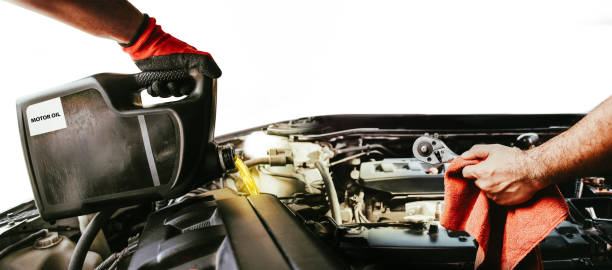
It’s a scenario many of us have faced. Maybe the low oil pressure light flickered on during a drive, or perhaps you remembered you haven’t checked the oil in a while right after arriving home from a long trip. Tu ouvres le capot, feel the heat radiating from the engine block, and the question hits you: Can I actually put oil in my engine while it’s this hot?
Cela semble être une question simple, but like many things with car maintenance, the answer isn’t just a straightforward “Oui” ou “Non.” There’s nuance involved, considerations for safety, and best practices that ensure you’re doing right by your vehicle. As someone who’s pondered this exact question while staring at a steaming engine, I wanted to dive deep, explore all the angles, and create a definitive guide to solve this common dilemma once and for all.
La réponse courte: Oui, Mais…
Techniquement, Oui, toi peut ajouter de l'huile sur un moteur chaud. Les huiles moteur modernes sont spécialement conçues pour résister à des températures de fonctionnement extrêmement élevées. (souvent bien fini ou ). Ajout d'huile à température ambiante ou même froide (depuis l'étagère de votre garage) dans les quantités relativement faibles nécessaires à un appoint, cela ne provoquera généralement pas de choc thermique catastrophique pour le massif., bloc moteur en métal chaud.
Cependant, juste parce que tu peut ne veut pas toujours dire que c'est le meilleur ou le plus sûr chemin. Il y a des mises en garde importantes, concernant principalement sécurité et précision.
Quand est le Idéal Il est temps de vérifier et d’ajouter de l’huile moteur?
Le consensus parmi les mécaniciens et les experts automobiles est que le Le moment idéal pour vérifier votre niveau d'huile est lorsque le moteur est chaud, mais pas brûlant, et a été éteint pendant environ 5-15 minutes.
Voici pourquoi “chaleureux et installé” l'approche est préférable:
- Précision: Quand votre moteur tourne, l'huile circule activement, lubrifier toutes les pièces mobiles. Si vous vérifiez la jauge immédiatement après avoir arrêté le moteur, une grande partie de l’huile sera encore dans les parties supérieures du moteur et n’aura pas eu le temps de s’écouler dans le carter d’huile (puisard) en bas. Cela vous donnera une lecture artificiellement basse, vous conduisant potentiellement à trop remplir le moteur si vous ajoutez de l'huile sur la base de cette mesure inexacte. En attendant 5-15 quelques minutes permettent à la majeure partie de l'huile de retomber dans la poêle, vous donnant une lecture beaucoup plus précise sur la jauge.
- Sécurité: Alors qu'il est encore chaud, les composants du moteur n’atteindront pas leur température de fonctionnement maximale absolue après quelques minutes de repos. Cela réduit légèrement le risque immédiat de brûlures graves par rapport au travail sur un moteur qui a été juste éteint après une utilisation intensive. Les composants clés comme le collecteur d’échappement peuvent rester dangereusement chauds beaucoup plus longtemps, cependant.
- Viscosité de l'huile: L'huile chaude s'écoule plus facilement que l'huile froide. Bien que cela soit plus critique pour changement huile (pour assurer une vidange complète), vérifier le niveau à chaud garantit que l'huile sur la jauge est représentative de son état de fonctionnement. Vérification de l'huile froide (Par exemple, tôt le matin) est également précis pour le niveau après ça s'est réglé du jour au lendemain, mais le “chaleureux et installé” la méthode est souvent plus pratique car les gens vérifient fréquemment après un trajet en voiture.
Donc, la hiérarchie ressemble à ceci:
- Meilleur: Moteur chaud, éteint pour 5-15 minutes.
- Bien: Moteur froid (Par exemple, tôt le matin avant de commencer). La lecture du niveau sera précise car toute l'huile s'est évacuée.
- D'accord, mais avec prudence: Moteur chaud (je viens d'éteindre), à condition d'attendre quelques minutes pour s'installer et d'être extrêmement prudent.
- Non recommandé: Vérification pendant que le moteur tourne (dangerous and inaccurate).
La sécurité avant tout! Working Around a Hot Engine is No Joke
This is the most critical part if you faire decide to add oil when the engine is genuinely hot. Engine bays contain numerous components that reach incredibly high temperatures.
Potential Hazards:
- Collecteur d'échappement: Often made of cast iron, this gets extremely hot and can cause instant, severe burns. It can stay hot long after the engine is off.
- Radiator and Hoses: Contain hot coolant under pressure. Avoid touching.
- Engine Block and Cylinder Head: The main metal parts of the engine retain significant heat.
- Oil Filler Cap and Dipstick: Can be hot to the touch. Hot oil might splash out when opening the cap.
- Other Components: Alternator, belts, pulleys, and various sensors can also be hot or pose entanglement risks if the engine were accidentally started.
Safety Precautions Checklist:
- Turn the Engine OFF: Never attempt to add oil while the engine is running. Ensure the keys are out of the ignition.
- Se garer sur un terrain plat: This is crucial for an accurate oil level reading and prevents the car from potentially rolling. Engagez le frein de stationnement.
- Allow Some Cooling Time: Even if you can’t wait the ideal 10-15 minutes, letting it sit for even 2-5 minutes can slightly reduce the temperature of some surfaces and allow oil to start draining back.
- Portez un équipement de protection:
- Gants: Heat-resistant work gloves are highly recommended.
- Protection des yeux: Safety glasses can protect your eyes from potential splashes.
- Long Sleeves: Protect your arms from accidental contact with hot surfaces.
- Be Aware of Your Surroundings: Know where the hottest parts (like the exhaust manifold) are and keep your hands and arms clear.
- Remove Loose Clothing/Jewelry: Ties, scarves, necklaces, ou des manchons desserrés peuvent se coincer dans les pièces du moteur s'il démarre d'une manière ou d'une autre, ou tout simplement se salir.
- Ouvrez le bouchon de remplissage d'huile lentement et avec précaution: Utilisez un chiffon ou un gant pour saisir le capuchon. Tournez-le lentement pour relâcher toute pression potentielle avant de le retirer complètement. Inclinez votre visage lorsque vous l'ouvrez.
- Utilisez un entonnoir: Utilisez toujours un entonnoir propre pour ajouter de l'huile. Cela évite les déversements sur les composants chauds du moteur., ce qui peut créer de la fumée, odeurs désagréables, et même un risque potentiel d'incendie (cependant huile moteur a un point d'éclair relativement élevé, De l'huile renversée sur un collecteur d'échappement très chaud reste toujours risquée).
Souviens-toi: Les brûlures causées par les composants chauds du moteur peuvent être graves. Si vous n'êtes pas à l'aise de travailler à proximité d'un moteur chaud, attends qu'il refroidisse encore. Il y a rarement une situation si urgente que vous devez immédiatement ajouter de l’huile à un moteur brûlant..
Adding Oil vs. Changing Oil: A Key Distinction
It’s important to differentiate between ajout a small amount of oil to top it off and performing a full vidange.
- Adding Oil (Topping Off): This involves adding maybe half a quart/liter or less to bring the level from the “Ajouter” mark up to the “Complet” mark on the dipstick. Adding this relatively small volume of cooler oil to the large volume of hot oil already in the sump is generally considered safe and poses minimal risk of thermal shock.
- Changing Oil: This involves draining tous the old oil out and replacing it with several quarts/liters of new oil. Mechanics often prefer to drain the oil when it’s warm because warm oil flows out more quickly and completely, carrying more contaminants with it. Cependant, draining large quantities of hot le pétrole est nettement plus dangereux en raison du risque de déversements importants et de brûlures graves. Remplissez de plusieurs litres d'huile froide dans un récipient très chaud., vide moteur pourrait pose théoriquement un problème légèrement plus élevé (bien que généralement faible) risque de stress thermique par rapport au simple remplissage, mais le principal souci des vidanges d'huile chaude est le processus de vidange.
Donc, les conseils et les précautions à prendre ajout l'huile sur un moteur chaud visent principalement à garantir la sécurité immédiate du travail à proximité de composants chauds et à garantir un contrôle de niveau précis., plutôt que de craindre d'endommager le moteur avec la nouvelle huile elle-même.
Guide étape par étape: Comment ajouter de l'huile en toute sécurité à un moteur chaud/chaud
D'accord, passons en revue le processus, en supposant que votre moteur soit chaud ou chaud, et vous avez décidé qu'il était nécessaire d'ajouter de l'huile maintenant, suivre les consignes de sécurité.
- Garez-vous en toute sécurité: Ensure your car is on a level surface and the parking brake is engaged.
- Turn Off Engine: Make sure the engine is completely off.
- Attendez (If Possible): Allow the engine to sit for at least 5-10 minutes. This helps with accuracy and slightly reduces temperatures. Use this time to gather your oil, a clean funnel, rags/paper towels, and put on your protective gloves and eyewear.
- Open the Hood: Securely prop it open.
- Locate the Dipstick: This usually has a brightly colored (souvent jaune ou orange) loop handle. Si cela n'est pas sûr, consultez votre manuel du propriétaire.
- Vérifiez le niveau d'huile (Initial Check):
- Carefully pull the dipstick out completely. Be mindful it might be hot.
- Wipe the end clean with a rag or paper towel.
- Fully re-insert the dipstick, making sure it goes all the way in.
- Retirez-le à nouveau avec précaution.
- Hold it horizontally or slightly angled down to prevent oil from running up the stick.
- Observe the oil level. Il y aura des marquages comme « MIN »/« MAX », 'AJOUTER'/'COMPLET', ou une zone hachurée. Notez où se termine le film d'huile.
- Localisez le bouchon de remplissage d'huile: Ce bouchon porte généralement un symbole de bidon d'huile.. Encore, consultez votre manuel du propriétaire en cas de doute. C'est souvent sur le couvercle de soupape au dessus du moteur.
- Retirez le bouchon de remplissage: Utiliser une main gantée ou un chiffon, tournez lentement le capuchon dans le sens inverse des aiguilles d'une montre pour le retirer. Placez-le dans un endroit propre où il ne sera pas perdu ou contaminé par la saleté.
- Insérez l'entonnoir: Placez solidement un entonnoir propre dans l'ouverture de remplissage.. Assurez-vous qu’il est stable.
- Ajoutez la bonne huile: Vérifiez à nouveau que vous disposez du type d’huile et de la viscosité recommandés par le fabricant. (Par exemple, 5W-30, 0W-20 – consultez votre manuel du propriétaire!).
- Ajouter de l'huile progressivement: C'est crucial! Don’t just dump a whole quart/liter in. If the dipstick shows the level is at the ‘ADD’ or ‘MIN’ marque, start by adding about half a quart (or half a liter). The distance between ‘MIN’ and ‘MAX’ on most dipsticks represents approximately one quart (or one liter), but it varies by car.
- Wait a Moment: Allow a minute or two for the added oil to flow down into the oil pan.
- Re-Check the Level: Remove the funnel, re-insert the dipstick, wipe it, re-insert it fully, and pull it out again to check the new level.
- Add More if Needed: If the level is still below the ‘FULL’ or ‘MAX’ marque, add a smaller amount (Par exemple, a quarter of a quart/liter) and repeat the checking process. Sneak up on the correct level. It’s much easier to add a little more than it is to remove excess oil.
- Stop at Full: Do NOT fill beyond the ‘FULL’ or ‘MAX’ marque.
- Replace Cap and Dipstick: Once the level is correct, remove the funnel, securely replace the oil filler cap (turn clockwise until tight), and ensure the dipstick is fully re-inserted.
- Nettoyer: Wipe away any minor drips or spills with a rag. Dispose of oily rags properly.
- Wash Your Hands: Even if you wore gloves, wash your hands afterward.
Why Using the Right Oil Matters More Than Temperature
While we’re focused on the timing of adding oil, it’s vital not to forget the taper d'huile. Using the wrong oil can cause far more long-term damage than adding oil at a less-than-ideal temperature.
- Viscosité: This refers to the oil’s thickness and ability to flow at different temperatures. It’s represented by numbers like 5W-30, 0W-20, etc.. The ‘W’ stands for ‘Winter,’ indicating its cold-flow properties, while the second number indicates its viscosity at high operating temperatures. L’utilisation d’une mauvaise viscosité peut entraîner une lubrification inadéquate, usure accrue du moteur, and reduced fuel efficiency.
- Type d'huile: Conventionnel, Mélange synthétique, or Full Synthetic? Moteurs modernes, especially turbocharged or high-performance ones, often require synthetic oil due to its superior stability at high temperatures, better flow in cold weather, and enhanced cleaning properties.
- Caractéristiques: Look for API (American Petroleum Institute) or ILSAC (Comité consultatif international des spécifications du lubrifiant) notes (like API SP or ILSAC GF-6) specified in your manual. These ensure the oil meets current performance standards.
Toujours, toujours, toujours consult your vehicle’s owner’s manual to find the exact type, viscosité, and specification of oil required for your engine. Keep a quart/liter of the correct oil in your trunk for emergencies – this avoids having to guess or use the wrong type if you need a top-up on the road.
The Dangers Lurking Beneath: Overfilling and Underfilling
Getting the oil level right is crucial. Both too much and too little oil can harm your engine.
Consequences of Overfilling:
- Oil Foaming: If the oil level is too high, the crankshaft whipping through it can churn the oil into a froth, like whisking egg whites. Aerated, foamy oil lubricates very poorly.
- Increased Oil Pressure: Can potentially strain seals and gaskets, conduisant à des fuites.
- Oil Consumption/Burning: Excess oil can be forced past piston rings or overwhelm the crankcase ventilation system, leading to blue smoke from the exhaust and potential damage to the catalytic converter.
- Reduced Performance: The increased drag from the crankshaft hitting the oil can slightly decrease engine power and fuel economy.
Consequences of Underfilling (Running Low):
- Friction et usure accrues: Insufficient oil means metal parts don’t have an adequate lubricating film between them, entraînant une usure rapide.
- Surchauffe: Oil plays a significant role in cooling engine components. Low oil levels reduce this cooling capacity, augmentant le risque de surchauffe.
- Manque de pétrole: During cornering, braking, or acceleration, the remaining oil might slosh away from the oil pump pickup tube, temporarily starving the engine of lubrication. This can cause severe damage very quickly.
- Complete Engine Failure: Running an engine completely out of oil will lead to catastrophic seizure and destruction.
This is why regularly checking your oil level (ideally every couple of fuel fill-ups or at least once a month) is one of the most important pieces of preventative maintenance you can do.
Questions fréquemment posées (FAQ)
Let’s tackle some common related questions:
- Q1: Is it better to add oil when the engine is hot or cold?
- UN: Le idéal le moment est où le moteur est chaud (pas brûlant) et est parti depuis 5-15 minutes pour permettre à l'huile de s'écouler dans le bac pour une lecture précise et une manipulation légèrement plus sûre.. Vérifier/ajouter à froid (après être resté assis toute la nuit) est également précis et sûr. L'ajout par temps très chaud est possible mais moins idéal en raison des risques de sécurité et de l'imprécision potentielle si vous n'attendez pas que l'huile se stabilise..
- Q2: Que se passe-t-il si j'ajoute de l'huile froide à un moteur chaud? Y a-t-il un risque de fissurer le bloc?
- UN: Pour la petite quantité d'huile nécessaire à un appoint (généralement un litre/litre ou moins), le risque de provoquer un choc thermique suffisamment important pour endommager des composants majeurs du moteur comme le bloc ou la culasse est extrêmement faible. L'huile moteur est conçue pour supporter des variations de température importantes, and the large thermal mass of the engine block dissipates the temperature difference quickly. While theoretically possible under extreme and unlikely circumstances, it’s not a practical concern for routine top-offs.
- Q3: How long exactement should I wait after driving to add oil?
- UN: 5-15 minutes is a good rule of thumb. Less than 5 minutes, and the reading might be inaccurately low. Much longer, and the engine cools completely (which is also fine for checking/adding, just not “chaud”). The key is allowing time for the oil to drain back to the sump.
- Q4: Can I check the oil level immediately after turning the engine off?
- UN: It’s not recommended for accuracy. Much of the oil will still be in the upper engine, giving a false low reading. Attends au moins 5 minutes.
- Q5: What are the signs I definitely need to add oil?
- UN: The primary sign is the oil level being at or below the ‘ADD’ or ‘MIN’ mark on your dipstick. Another urgent sign is the oil pressure warning light illuminating on your dashboard (the icon often looks like an old-fashioned oil can). If this light comes on while driving, pull over safely as soon as possible, turn off the engine, wait a few minutes, and check the oil level. Do not continue driving with the oil pressure light on, as severe engine damage can occur very quickly.
- Q6: I spilled a little oil on the engine while filling. Is that bad?
- UN: Wipe it up as best you can with a rag. Small amounts will likely just burn off, creating some smoke and smell for a short time. A larger spill, especially onto the very hot exhaust manifold, carries a small fire risk and should be cleaned thoroughly. Using a funnel prevents most spills.
Conclusion: Add Oil Wisely, Drive Confidently
Donc, can you put oil in a hot car engine? Oui, tu peux, but it’s best done with care and preferably after letting the engine cool slightly from its peak operating temperature. The ideal approach remains checking and adding oil when the engine is warm and has sat for 5-15 minutes, ensuring both accuracy and a greater margin of safety.
Always prioritize your safety by wearing gloves, being mindful of hot components, and opening the filler cap cautiously. Use the correct type and viscosity of oil as specified in your owner’s manual, and add it incrementally using a funnel to avoid overfilling. Regular oil level checks are fundamental to engine health, preventing the potentially catastrophic consequences of running too low.
En comprenant les étapes simples et les précautions décrites ici, vous pouvez gérer en toute confiance le niveau d’huile de votre moteur, chaud ou froid, garder votre voiture en bon état et de manière fiable pendant les kilomètres à venir. Bonne conduite automobile!



