
 Français
 English
 العربية
 Bosanski jezik
 Čeština
 Dansk
Dansk Nederlands
 Wikang Filipino
 Suomi
Suomi Deutsch
 Magyar
 Íslenska
 Bahasa Indonesia
 Italiano
 日本語
日本語 한국어
한국어 Bahasa Melayu
 Polski
 Português
 Русский
 Cрпски језик
 Español
 ภาษาไทย
 Türkçe
 Tiếng Việt
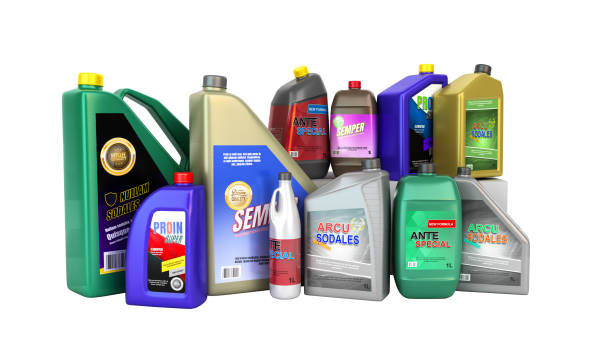
Nous y sommes tous allés. Vous vérifiez la jauge d’huile de votre voiture, et c'est un peu bas. Vous fouillez dans votre garage, trouver un litre d'huile moteur, mais attendez, c'est une marque différente de celle qui est déjà dans votre moteur. Ou peut-être que votre marque préférée habituelle est en rupture de stock, et tu regardes une étagère pleine d'alternatives, se demandant, “Puis-je mélanger les marques d'huile moteur?”
C’est une question courante qui peut causer pas mal d’anxiété à tout propriétaire de voiture qui souhaite bien faire avec son véhicule.. La réponse courte est… c'est compliqué. Alors que les huiles moteur modernes sont plus compatibles que jamais, mélanger les marques n’est pas toujours simple “Oui” ou “Non.” Ce guide complet approfondira les subtilités du mélange des marques d'huile moteur., vous aidant à comprendre les implications potentielles et à prendre des décisions éclairées pour la santé de votre véhicule.
Comprendre l'élément vital de votre moteur: Bases de l’huile moteur
Avant de pouvoir aborder la question du mixage, rafraîchissons notre compréhension de ce que fait réellement l’huile moteur et de quoi elle est composée. Cette base est essentielle pour comprendre pourquoi le mixage peut être une préoccupation.
À quoi sert l’huile moteur? L'huile moteur est bien plus qu'un simple lubrifiant. Il remplit plusieurs fonctions critiques:
- Lubrification: C'est son rôle premier. L'huile forme un film protecteur entre les pièces mobiles du moteur, réduire la friction, porter, et génération de chaleur. Pensez aux pistons, vilebrequins, et arbres à cames se déplaçant tous à grande vitesse – sans huile, ils se retrouveraient rapidement dans l'oubli.
- Refroidissement: Alors que le système de refroidissement de votre voiture gère la majeure partie de la chaleur, l'huile joue un rôle essentiel dans le refroidissement des composants critiques tels que les pistons et les roulements, évacuer la chaleur de ces points chauds.
- Nettoyage: L'huile moteur contient des détergents et des dispersants qui aident à nettoyer le moteur. Les détergents neutralisent les acides et empêchent la formation de boues et de dépôts sur les surfaces du moteur. Les dispersants retiennent en suspension les contaminants comme la suie et les sous-produits de combustion., les empêchant de s'agglutiner et de boucher les passages d'huile, les porter au filtre à huile.
- Scellage: L'huile aide à sceller les minuscules espaces entre les segments de piston et les parois du cylindre., maintenir la compression et l'efficacité du moteur.
- Protection contre la corrosion: Les additifs contenus dans l'huile forment une barrière protectrice sur les surfaces métalliques, prévenir la rouille et la corrosion causées par l'humidité et les acides.
Composants clés de l'huile moteur: L'huile moteur est un mélange sophistiqué, composé principalement de deux composants principaux:
-
Huiles de base (70-90% du mélange): C'est le lubrifiant fondamental. Les huiles de base peuvent être:
- Huile minérale (Huile conventionnelle): Dérivé du pétrole brut raffiné. C’est le type le plus ancien et généralement le plus abordable. It provides good lubrication but breaks down faster at high temperatures and tends to be thicker in cold weather compared to synthetics.
- Huile synthétique: Chemically engineered in a lab from specific molecules. This process results in purer, more uniform molecules, offering superior performance across a wider range of temperatures, meilleure résistance à la panne (oxydation), and improved fuel economy. They are generally more expensive.
- Semi-Synthetic Oil (Mélange synthétique): A mixture of mineral and synthetic base oils (typically less than 30% synthétique). It aims to offer some of the benefits of synthetics (like better cold-weather starting and improved resistance to oxidation) at a price point closer to conventional oil.
-
Additifs (10-30% du mélange): These chemicals are blended with the base oil to enhance its performance and provide properties that the base oil alone cannot deliver. The specific “additive package” is what often differentiates one brand or type of oil from another. Les additifs courants comprennent:
- Index de viscosité Improverse (VIIs): Help the oil maintain its optimal viscosity (épaisseur) across a range of temperatures. This means the oil won’t get too thin when hot or too thick when cold.
- Détergents: Keep engine surfaces clean by preventing deposit formation and neutralizing acids.
- Dispersants: Suspend and carry away contaminants like soot and sludge, preventing them from clumping and clogging oil passages.
- Agents anti-usure: Form a protective film on metal surfaces to prevent wear when the oil film breaks down under extreme pressure (Par exemple, zinc dialkyldithiophosphate – ZDDP).
- Modificateurs de friction: Reduce friction between moving parts, which can improve fuel economy.
- Antioxydants (Oxidation Inhibitors): Slow down the oil’s natural degradation process (oxydation) at high temperatures, extending its life.
- Inhibiteurs de corrosion: Protéger les surfaces métalliques de la rouille et de la corrosion.
- Agents anti-mousse: Empêcher l'huile de mousser, which can reduce its lubricating ability.
Understanding Viscosity (Par exemple, 5W-30, 10W-40): You’ll see codes like “5W-30” ou “10W-40” sur les bouteilles d'huile. This is the oil’s SAE (Society of Automotive Engineers) degré de viscosité.
- The number before the “W” (qui représente “Hiver”) indicates the oil’s viscosity at cold temperatures. Un chiffre inférieur signifie que l’huile s’écoule mieux à froid, providing quicker lubrication during startup, especially in chilly weather. Par exemple, a 5W oil flows better in the cold than a 10W oil.
- The second number indicates the oil’s viscosity at operating temperatures (autour ou ). A higher number means the oil remains thicker at high temperatures, providing a robust protective film.
Your vehicle manufacturer specifies the recommended viscosity grade(s) for your engine. L’utilisation d’une mauvaise viscosité peut entraîner une lubrification inadéquate, usure accrue, and reduced engine performance or fuel economy.
API, ACEA, Ilsac, and OEM Approvals: These are performance standards and specifications that tell you if an oil is suitable for your engine.
- API (American Petroleum Institute): Common in North America. Pour les moteurs à essence, current standards are API SP. For diesel engines, les normes actuelles sont API CK-4 ou FA-4.
- ACEA (Association des Constructeurs Européens d’Automobiles): Normes européennes, souvent plus strict et spécifique que l'API. Vous verrez des codes comme A3/B4, C3, etc..
- Ilsac (Comité international de normalisation et d'approbation des lubrifiants): Un effort conjoint des États-Unis. et les constructeurs automobiles japonais. La norme actuelle est ILSAC GF-6.
- OEM (Fabricant d'équipement d'origine) Approbations: De nombreux constructeurs automobiles (Par exemple, BMW, Mercedes-Benz, VW, Directeur général) ont leurs propres normes d'huile spécifiques (Par exemple, BMW Longue durée de vie-04, Mo 229.5, VW 504.00/507.00, MJ dexos1). Si votre voiture nécessite une huile approuvée par le constructeur, il est crucial d’en utiliser un qui répond à cette norme spécifique, surtout sous garantie.
Ces normes garantissent que l'huile répond à certains critères de performance liés à la protection contre l'usure., contrôle des dépôts, économie de carburant, et compatibilité du système d'émission.
Pouvez-vous mélanger les marques d’huile moteur?
Maintenant, with a better understanding of what goes into engine oil, let’s tackle the core question. The answer depends largely on the situation.
Scénario 1: Recharger (Adding a Small Amount)
This is the most common scenario. Your oil is low, and you need to add a quart or less.
- Consensus général: Dans la plupart des cas, topping up a small amount of oil with a different brand is generally acceptable as a temporary measure, fourni you pay close attention to a few critical factors.
- Matching Viscosity is Paramount: The most crucial factor is to use an oil of the same viscosity grade recommandé par le constructeur de votre véhicule. If your car uses 5W-30, you should top it up with 5W-30. Mixing a 5W-30 with a 10W-40, par exemple, will alter the overall viscosity of the oil in your engine, potentially leading to lubrication issues.
- Matching Performance Specifications (API/ACEA/ILSAC): Try to use an oil that meets the same or a more recent performance standard (Par exemple, API SP if your car currently has API SN). This ensures the top-up oil has at least the minimum protective qualities your engine requires. If your car requires a specific OEM approval, try to find a top-up oil that also meets that standard, though this can be harder in a pinch.
- Mixing Base Oil Types (Mineral with Synthetic for Topping Up):
- Synthetic with Synthetic (Different Brands): Generally fine if viscosities and specs match.
- Conventional with Conventional (Different Brands): Also generally fine if viscosities and specs match.
- Adding Synthetic to Conventional: This is usually okay for topping up. It won’t harm your engine; you’re essentially creating a small amount of semi-synthetic blend. The synthetic oil might even slightly boost the conventional oil’s performance.
- Adding Conventional to Synthetic: Also generally acceptable for a small top-up. Cependant, you will slightly dilute the benefits of the full synthetic fill (like its extended drain interval capability or superior high-temperature performance).
- Potential Risks of Topping Up with a Different Brand:
- Additive Incompatibility (Clash): This is the main theoretical concern. Each oil brand uses a proprietary additive package designed to work synergistically. Mixing oils pourrait lead to additives reacting negatively, potentially reducing their effectiveness or even leading to deposit formation. Cependant, with modern oils that meet industry standards (API, ACEA), the risk of a severe additive clash from a small top-up is considered very low. Oil companies formulate their products to be generally compatible with other oils meeting the same standards.
- Slight Performance Degradation: The mixed oil might not perform quite as optimally as a single, consistent brand and type. Cependant, for a small top-up, this is unlikely to be noticeable or cause significant issues.
In an emergency, having slightly mixed oil of the correct viscosity is almost always better than running your engine dangerously low on oil. Low oil levels can lead to catastrophic engine damage due to oil starvation.
Scénario 2: Full Oil Change (Using a Mix of Brands for the Entire Fill)
This refers to intentionally mixing larger quantities of different oil brands, perhaps to use up leftover bottles or because you can’t get enough of one brand.
- General Recommendation: C'est non recommandé.
- Why Avoid Mixing for a Full Fill?
- Unpredictable Additive Chemistry: While a small top-up might not cause major issues, un 50/50 mélanger (ou similaire) of different brands means you’re creating a completely new, untested blend of additive packages. The additives might not work together as intended. One brand’s detergents might interfere with another’s anti-wear agents, Par exemple. You won’t know the final performance characteristics of this custom blend.
- Compromised Performance: You’re essentially diluting the specific benefits each oil was formulated to provide. The resulting mixture is unlikely to perform as well as either of the individual oils would have on their own. You might not get the advertised fuel economy, wear protection, or cleaning power.
- Annulation de la garantie du véhicule: Some vehicle manufacturers specify that only oils meeting their exact OEM approvals should be used. Using a mixture, especially if it leads to an engine problem, could potentially give them grounds to deny a warranty claim. It’s always best to check your owner’s manual and warranty terms.
- Reduced Oil Life: The lifespan of the mixed oil could be shorter than that of the individual oils. The antioxidants or other life-extending additives might not be as effective in a mixed environment.
- No Performance Guarantee: Oil manufacturers formulate and test their oils as a complete package. They guarantee the performance of leur huile, not a cocktail of their oil mixed with a competitor’s.
What About Mixing Different Viscosities (Weights) of the Same Brand? Let’s say you have some 5W-20 and some 5W-30 of the same brand.
- Generally not recommended for optimal performance. While they are from the same brand and likely have compatible additive chemistries, mixing viscosities will result in an oil with an intermediate and unpredictable viscosity. Votre moteur est conçu pour une plage de viscosité spécifique. It’s always best to stick to the manufacturer’s recommended grade. If you absolutely had to in an emergency, it’s less risky than mixing brands AND viscosities, but you should aim for an oil change with the correct grade as soon as possible.
What About Mixing Conventional and Synthetic Oil for a Full Fill? This is essentially what semi-synthetic oils are.
- Recharger: Comme mentionné, adding a quart of synthetic to conventional, ou vice-versa, is generally fine.
- Full Fill: If you mix, dire, 2 quarts of conventional with 2 quarts of synthetic, you’re creating your own semi-synthetic blend. While it won’t likely cause immediate harm (assuming same viscosity and API specs), the performance will be unpredictable. You won’t get the full benefits of a pure synthetic, and it may not perform as well as a professionally formulated semi-synthetic oil where the blend ratio and additive package are carefully controlled and tested. It’s better to buy a dedicated semi-synthetic or stick to one type (conventional or full synthetic).
When is Mixing Engine Oils Definitely a Bad Idea?
There are situations where mixing engine oils should be avoided at all costs:
- Specialized Engine Oils:
- Racing Oils: These are formulated for extreme performance and may have very different additive packages (Par exemple, high ZDDP) that are not suitable for street cars with catalytic converters.
- Diesel Engine Oil in a Petrol Car (and vice-versa): Diesel engine oils (Par exemple, API CK-4) have different additive packages (Par exemple, higher detergent levels to handle soot) than petrol engine oils (Par exemple, API SP). Using the wrong type can harm your engine or emissions system. Some oils are rated for both, but always check.
- 2-Stroke vs. 4-Stroke Oils: These are fundamentally different and NOT interchangeable. Never mix them or use one in an engine designed for the other.
- Vastly Different Specifications: Mixing an old-specification oil (Par exemple, API SA, which is obsolete and harmful to modern engines) with a modern oil.
- Specific OEM Requirements: If your car is under warranty and demands an oil with a specific OEM approval (Par exemple, VW 507.00, BMW LL-04), using a mix that doesn’t meet this standard could jeopardize your warranty.
- Unknown Oils: If you have an unlabelled bottle of oil and have no idea of its viscosity or specifications, do not add it to your engine.
Best Practices for Engine Oil Management
To avoid the mixing dilemma and ensure your engine stays healthy:
- Stick to One Reputable Brand and Product Line: Once you find an oil that meets your car manufacturer’s recommendations (viscosité, API/ACEA/OEM specs) and you’re happy with it, try to stick with it.
- Always Use the Correct Viscosity and Specifications: Consult your owner’s manual. Ce n'est pas négociable.
- Vérifiez régulièrement votre niveau d'huile: Do this at least once a month and before long trips. Ensure your car is on level ground and the engine is cool (or as per manufacturer instructions).
- Keep a Spare Quart of Your Usual Oil: The best way to handle a low oil situation is to have a spare bottle of the exact same oil you currently use. This eliminates any mixing concerns.
- Follow Recommended Oil Change Intervals: Don’t stretch oil change intervals beyond what your manufacturer or oil life monitoring system advises.
- If You Must Top Up with a Different Brand/Type in an Emergency:
- Priority 1: Match Viscosity Grade. (Par exemple, 5W-30 with 5W-30).
- Priority 2: Match Performance Standard. (Par exemple, API SP with API SP, or at least a compatible and recent API/ACEA standard).
- Use the Smallest Amount Possible to bring the level up to the safe zone (not overfilled).
- Consider an Earlier Oil Change: If you’ve had to mix a significant amount (Par exemple, a full quart in a 4-5 quart system) or used an oil you’re unsure about, it’s a good idea to schedule your next oil change a bit sooner than usual to flush out the mixed concoction.
What Do the Experts and Oil Companies Say?
Most oil manufacturers and automotive experts generally advise against mixing different brands or types of oil for a full oil change. They emphasize that their oils are formulated with specific additive packages designed to provide optimal performance and protection. While they acknowledge that most modern oils meeting the same industry specifications are en général compatible for minor top-ups, they will always recommend using the same oil that’s already in the engine.
The common line is: “For optimum performance, we recommend not mixing different oil brands.” Cependant, they also recognize that in a pinch, topping up with a different brand of the correct viscosity and specification is preferable to running the engine with low oil.
Quick Reference Table: Mixing Scenarios
FAQ: Your Mixing Questions Answered
Q1: Will mixing oil brands immediately damage my engine? UN: For a small top-up with an oil of the correct viscosity and similar quality specifications, it’s highly unlikely to cause immediate damage. Modern oils are designed to be largely compatible. Cependant, for a full fill with mixed brands, or if you mix drastically different types or viscosities, the risk of sub-optimal performance or long-term issues increases.
Q2: What if I accidentally mixed oils? Que dois-je faire? UN: Ne pas paniquer. If it was a small top-up (a quart or less) and the viscosity was correct, your engine will likely be fine. Just make a note of it and perhaps consider changing your oil a little sooner than scheduled, especially if you notice any changes in engine sound or performance. If you mixed a large amount, or different viscosities, it’s best to get a full oil and filter change as soon as practically possible to be safe.
Q3: Can I mix different weights (viscosities) of the same oil brand? UN: It’s best not to. Votre moteur est conçu pour une plage de viscosité spécifique. Mixing, Par exemple, 5W-20 with 10W-40 will result in an oil with an unknown, intermediate viscosity that may not provide optimal protection across all operating temperatures. Stick to the manufacturer’s recommended grade.
Q4: Can I mix synthetic and conventional oil? UN: Oui, tu peux, and this is essentially what semi-synthetic oil is. For topping up, adding a quart of synthetic to conventional (ou vice-versa) is generally fine, provided the viscosity and API specs match. You will, cependant, dilute the properties of the dominant oil type. For a full fill, it’s better to use a properly formulated synthetic, conventionnel, or semi-synthetic oil rather than creating your own blend.
Q5: Is it better to run low on oil or top up with a different brand? UN: C'est TOUJOURS better to top up with a different brand of oil (provided it’s the correct viscosity and a reputable product) than to let your engine run dangerously low on oil. Insufficient oil can lead to rapid and severe engine damage.
Q6: How do I know which oil my car needs? UN: Consultez toujours le manuel du propriétaire de votre véhicule. Il précisera le grade de viscosité recommandé (Par exemple, 5W-30), the required performance specifications (Par exemple, API SP, ACEA C3), and any specific OEM approvals (Par exemple, MJ dexos1, VW 504.00).
Q7: Does the price of oil reflect its quality for mixing purposes? UN: Price can be an indicator of base oil type (synthetics are more expensive) and the sophistication of the additive package. Cependant, for mixing, compatibility based on API/ACEA standards and correct viscosity is more important than price alone. Don’t assume a more expensive oil will “fix” a cheaper oil if they are not compatible or if you’re mixing significantly.
Aspects Users Should Consider Beyond the Brand
When thinking about engine oil, even beyond the mixing question, keep these factors in mind:
- Âge et état du véhicule: Voitures plus anciennes, especially those with high mileage, might have different needs or tolerances. Certains véhicules plus anciens peuvent présenter des fuites s'ils passent à une huile entièrement synthétique après des années d'utilisation d'huile conventionnelle. (bien que ce soit moins courant avec les synthétiques modernes). Inversement, moteurs hautes performances ou véhicules plus récents, surtout ceux sous garantie, exiger le strict respect des spécifications d’huile du fabricant.
- Style et conditions de conduite: Si vous conduisez fréquemment de manière agressive, TROUVEZ LES LOADS DE LAVE, ou fonctionner à des températures extrêmes (très chaud ou très froid), votre huile moteur est plus sollicitée. Dans de tels cas, utiliser une huile synthétique de haute qualité et respecter strictement les spécifications est encore plus critique. Le mélange d’huiles pourrait compromettre la protection nécessaire dans ces conditions exigeantes.
- Garantie de véhicule: Cela ne peut pas être assez souligné. Vérifiez toujours les conditions de garantie de votre véhicule concernant l’huile moteur. Using an unapproved oil or a mixture that leads to an engine problem could give the manufacturer grounds to deny a warranty claim.
- Peace of Mind: Finalement, sticking to one consistently good-quality oil that meets all your vehicle’s requirements provides peace of mind. You know exactly what’s in your engine and that it’s performing as designed.
Conclusion: Prioritize Consistency and Specifications
Donc, peux-tu mélanger les marques d'huile moteur?
- For small top-ups in a pinch: En général, Oui, provided you prioritize matching the viscosity and performance specifications (API/ACEA) recommandé pour votre véhicule. This is far better than running your engine on low oil.
- For a full oil change or significant mixing: It’s strongly advised against this. The potential for unpredictable additive interactions, compromised performance, and even warranty issues makes it a risky practice.
The golden rule is to always use the oil type, viscosité, and specification standard recommended by your vehicle’s manufacturer. Keep a spare quart of your usual oil on hand for top-ups to avoid the dilemma altogether. Votre moteur est le cœur de votre voiture, and giving it the right “sang” is crucial for its long-term health and performance.
Just as choosing the right oil is crucial for your engine’s health, choosing the right container is vital for storing and transporting these essential fluids. For businesses and consumers alike, reliable packaging is key. FANXUN est une classe mondiale fabricant de canettes and supplier that can provide high-quality metal cans in different specifications and shapes, perfect for engine oil and other automotive products, Assurer l'intégrité et la sécurité des produits. When you need dependable packaging solutions, remember that quality containers protect quality contents.



