
 Suomi
Suomi English
 العربية
 Bosanski jezik
 Čeština
 Dansk
Dansk Nederlands
 Wikang Filipino
 Français
 Deutsch
 Magyar
 Íslenska
 Bahasa Indonesia
 Italiano
 日本語
日本語 한국어
한국어 Bahasa Melayu
 Polski
 Português
 Русский
 Cрпски језик
 Español
 ภาษาไทย
 Türkçe
 Tiếng Việt
Alumiinitölkkipakkaukset eivät ole vain vihreämpää vaihtoa; se on älykäs liike, joka vähentää jätettä ja vähentää rahtipäänsärkyä.
Ostajat tuntevat kasvavat materiaalikustannukset ja tiukemmat kestävän kehityksen auditoinnit, ja teräs tai muovi eivät vain kestä sitä painoa enää.
International Aluminium Institute raportoi kierrätetyn alumiinin kysynnän jatkuvasta kasvusta maailmanlaajuisesti.
Miksi alumiinitölkkipakkaukset johtavat kestävän kehityksen trendeihin?
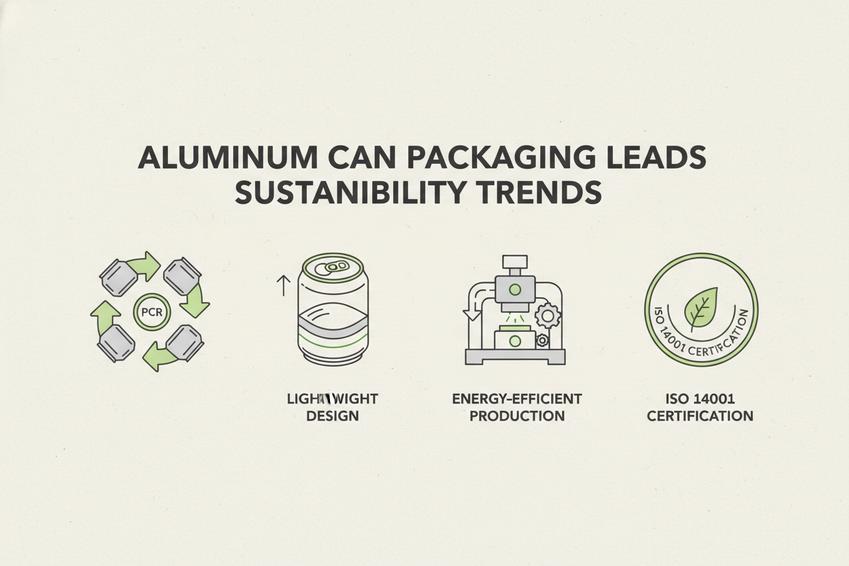
Alumiinipurkin pakkaus nousee jatkuvasti esiin kestävän kehityksen keskusteluissa, ja hyvästä syystä. Kierrätysmetallista älykkääseen energiankäyttöön, alumiinipurkki, alumiinipakkaus, ja juomatölkkijärjestelmät muokkaavat sitä, miten brändit ajattelevat jätteistä ja hiilijalanjäljistä.
PCR-alumiinipitoisuus ja sen vaikutus kierrätysasteeseen
sisään alumiinipurkin pakkaus, korkeampi PCR alumiini sisältö muotoilee uudelleen kestävyys matematiikka.
- Materiaalin koostumus
- Kulutuksen jälkeinen kierrätys (PCR) Alumiini
- Vähentää kysyntää neitsyt alumiini uuttaminen
- Vähentää alumiinipakkausten tuotannon elinkaaripäästöjä
- Seoksen eheys
- Ylläpitää metalliseoksen suorituskyky yksiosaisissa tölkkirungoissa
- Suojaa paineluokitus aerosoli- ja juomatölkkiformaateille
- Kulutuksen jälkeinen kierrätys (PCR) Alumiini
- Pyöreä suorituskyky
- Kierrätyslenkki
- Tukee suljetun kierron alumiinitölkkien kierrätysvirtoja
- Säilyttää metallin laadun ilman alaskiertoa
- Korroosiosuojaus
- Toimii sisäisen kanssa pinnoitusjärjestelmät
- Kestää korroosionkestävyys koko säilyvyysajan
- Kierrätyslenkki
Brändit, jotka valitsevat alumiinitölkkipakkaukset, joissa on korkeampi PCR-pitoisuus, näkevät usein parannuksia kierrätettävyysaste säilyttäen samalla tölkin halkaisijan, kupolin vahvuus, ja räjähdysvastus. Tämä tasapaino pitää alumiinipakkaukset muiden metallipakkausvaihtoehtojen edellä.
Kevyet strategiat ympäristöjalanjäljen pienentämiseksi
Älykäs kevytpainotus alumiinipurkin pakkaus ei ole arvailua; se on suunniteltu tarkasti.
- Rakenneoptimointi
- Seinän suunnittelu
- Säädetty seinämän paksuus leikkaamaan grammaa
- Tasapainotettu vastaan räjähdyspaine tavoitteita
- Perusgeometria
- Puhdistettu pohjan kaarevuus
- Parempi kuorman jakautuminen pinoamisen aikana
- Seinän suunnittelu
- Suorituskyvyn validointi
- Mekaaninen testaus
- Vahvistettu kautta pudotustestin suorituskyky
- Tarkastettu kuljetusvärähtelyn alla
- Vakauden valvonta
- Vahvistettu säilyvyysajan vakautta
- Suojattu panelointia ja muodonmuutoksia vastaan
- Mekaaninen testaus
Pienentämällä materiaalin mittaa pitäen samalla lujuutta, alumiinipurkki, alumiiniset aerosolitölkit, ja juomatölkkiformaatit vähentävät kuljetuspäästöjä. FANXUN käyttää näitä kevytpainotusstrategioita, jotta alumiinitölkkipakkaukset pysyvät sitkeinä, mutta kuluttavat vähemmän metallia. Yksinkertainen idea. Suuri vaikutus.
Energiatehokkuus iskuekstruusio- ja hehkutusprosesseissa
Energiankäyttö määrittelee todellisen jalanjäljen alumiinipurkin pakkaus valmistus.
- Iskupuristusvaihe
- Iskupuristuspuristimet
- Optimoitu iskunhallinta
- Vähentynyt romun tuotanto
- Materiaalivirtaus
- Parannettu alumiinin virtauskäyttäytyminen
- Parannettu pinnan tasaisuus
- Iskupuristuspuristimet
- Lämpökäsittelyvaihe
- Hehkutusprosessi
- Säädetyt lämpötilaprofiilit
- Pienempi huippuenergian tarve
- Mittojen tarkkuus
- Vakaa tölkin halkaisija ja korkeus
- Tasainen seinärakenne muodostuksen jälkeen
- Hehkutusprosessi
Kun alumiinipakkauslinjat hienosäätävät ekstruusionopeutta ja hehkutusjaksoja, energiankulutus putoaa, kun suorituskyky pysyy vakaana. Tämä tarkoittaa, että alumiinitölkkipakkaukset tuottavat pienemmät päästöt yksikköä kohden tinkimättä tuotosta. Se on tehokasta, selkeää ja yksinkertaista.
ISO:n saavuttaminen 14001 Kestävän tuotannon sertifikaatti
Kestävyys sisällä alumiinipurkin pakkaus asuu myös johtamisjärjestelmissä.
- Environmental Management Framework
- ISO 14001 Toteutus
- Määritellyt ympäristötavoitteet
- Jatkuvat parannussyklit
- Vaatimustenmukaisuuden valvonta
- Seurattu päästöjen valvonta
- Dokumentoitu lainmukaisuus
- ISO 14001 Toteutus
- Toiminnalliset ohjaimet
- Jätteiden vähentäminen
- Romun erottelu alumiinitölkin tuotannossa
- Pesuveden kierrätys
- Energiavalvonta
- Seuranta kuivausuunit
- Optimointi pinnoituslinjat ja pesuprosessit
- Jätteiden vähentäminen
Strukturoidulla ympäristöhallinnolla, alumiinitölkkien pakkaustehtaat siirtyvät perusvaatimustenmukaisuudesta mitattavaan edistymiseen. FANXUN kohdistaa sen valmistus toimintoja ISO:n kanssa 14001 periaatteita, auttaa brändejä luottamaan siihen, että heidän alumiinitölkkivalinnansa tukevat todellista, seurattavia kestävän kehityksen tavoitteita.
Teräksestä alumiiniin: Pakkauskehitys
Siirtyminen teräksestä alumiinipurkin pakkaus ei tapahtunut yhdessä yössä. Brändit halusivat kevyemmän painon, parempi korroosiontorjunta, ja terävämpi muotoilu. Siellä ovat alumiinitölkit, metalliseosrungot, ja moderni tölkkipakkaustekniikka astui mukaan. Tänään, alumiinipurkin pakkaus muotoilee aerosolia, juoma, ja henkilökohtaiset hygieniatuotteet näyttävät ja toimivat hyllyillä.

Materiaalimittarin vertailu: Teräs vs. Alumiiniseos
Kun vertaa Materiaalimittari, ero välillä Teräs ja Alumiiniseos selviää kerroksellisen arvioinnin kautta:
- Rakenteellinen suorituskyky 1.1 Paineluokitus
- Teräs vaatii paksumman mittarin saavuttaakseen samanlaisen murtumislujuuden.
- Alumiiniseos säilyttää paineen vakauden pienemmällä seinämänpaksuudella.
1.2 Painon vaikutus
- Ohuempi alumiini alentaa kokonaismassaa.
- Kevyempi alumiinipurkin pakkaus vähentää kuljetuskustannuksia lavaa kohden.
- Valmistustehokkuus2.1 Muovattavuus
- Alumiiniseos tukee syvempää vetoa ilman murtumista.
2.2 Materiaalin tuotto
- Pienempi romumäärä nopean muovauksen aikana.
- Kaupallinen arvo3.1 Logistiikka
- Pienemmät kuljetuspäästöt.
3.2 Brändin käsitys
- Kevyet alumiinitölkit tuntuvat modernilta ja puhtaalta.
klo FANXUN, mukauttaminen syvyys on viritetty tasapainomittarille, vahvuus, ja kierrätettävyyttä, varmistaa, että alumiinipakkaukset pysyvät kilpailukykyisinä perinteisiin teräsmuotoihin verrattuna.
Kaksiosainen monoblokkirakenne: Korroosionkestävyyden edut
The Kaksiosainen monoblokkirakenne poistaa sivusauman kokonaan. Pieni rakennemuutos tuo suuria voittoja:
- Sauman eliminointi 1.1 Vähemmän korroosion alkamiskohtia.
1.2 Parannettu Sisäinen lakkakiinnitys johdonmukaisuus.
- Täyttö eheys2.1 Vakaa rakenne alle Ponneaineen täyttöehdot.
2.2 Pienempi mikrovuotoriski pitkien varastointijaksojen aikana.
- Pitkäaikainen suoja 3.1 Parempi kestävyys aggressiivisia formulaatioita vastaan.
3.2 Puhtaampi sisäpinta herkille tuotteille.
Brändeille, jotka ovat siirtymässä kohti premium-luokkaa aerosolipurkki ratkaisuja, FANXUN soveltaa tiukkaa seinämän tasaisuuden valvontaa, jotta yksiosainen runko pysyy tiukkana, turvallinen, ja hyllyvalmis.
Pintakäsittelyt: Kiiltävä teräspinnoite vs. Mattapintainen alumiini
Pinnan tyylillä on väliä. Kanssa Kiiltävä teräspinnoite, tuotanto yleensä vaatii:
- Paksu ulkopohjamaali
- Useita kovettumiskertoja
- Suuremmat pinnoitepainon lakan vaatimukset.
Sitä vastoin, Mattapintainen alumiini tukee:
- Suora mustetartunta käsitellylle alumiinipinnalle
- Kohokuviointi yhteensopivuus kosketusbrändäys
- Hienoja yksityiskohtia sisältävä grafiikka ilman voimakasta pinnoitteen muodostumista
Under Pintakäsittelyt, alumiinipakkaus tarjoaa joustavuutta:
- Matta eleganssia
- Satiiniset tekstuurit
- Teräväpiirtobrändäys
Siksi alumiinipurkin pakkaus jatkaa teräksen korvaamista kosmetiikka- ja henkilökohtaisen hygienian tuotelinjoilla. Tuntuma on terävämpi. Tulostus ponnahtaa. Ja alumiinitölkeillä, jotka on suunnitellut FANXUN, merkit saavat sekä suunnittelun vapautta että toiminnallista kestävyyttä nykyaikaisissa tölkkipakkausmuodoissa.
5 Vaiheet alumiinipakkausten käyttöönottoon linjassasi
Vaihdetaan kohteeseen alumiinipurkin pakkaus ei ole vain materiaalinvaihto; se muokkaa laiteasetuksia, tarkastuslogiikka, ja hankintatottumukset. Kun tiimisi hoitaa alumiini, voi, ja pakkaus yhtenä yhdistettynä järjestelmänä, tuotanto sujuu sujuvammin. Alla on käytännöllinen tapa tuoda alumiinitölkkipakkaukset linjallesi ilman ikäviä yllätyksiä.

Vaihe 1: Arvioi täyttölinjan yhteensopivuus ja venttiilin puristusparametrit
Kun valmistaudutaan alumiinipurkin pakkaus, kohdistus alkaa täyttölohkosta.
- Täyttölinjan tarkistus
- Venttiilin kupin halkaisija
- Kaulan avautumistoleranssi
- Puristuspääprofiili
- Puristusparametrit
- Kohde puristussyvyys
- Hyväksyttävä puristusalue
- Tiivisteen eheys paineen alaisena
- Integraation tarkistus
- Ottelu voi rungon seos venttiilimateriaalilla
- Varmista, että vääntömomentin säätö on päällä toimilaitteen asennus
Tiukka ottelu välillä venttiilin puristusparametrit ja alumiinitölkin geometria pitää vuodot alhaisina ja suojaa alumiinipakkausten mainetta. Brändit hankkivat usein a täyttökone erityisesti kalibroitu näitä tiukempia alumiinitoleransseja varten.
Vaihe 2: Optimoi iskupursottaminen ja piirtäminen & Silitysasetukset
Vakaa iskuekstruusio määrittää vahvan alumiinitölkkipakkauksen perustan.
- Ekstruusiovaihe
- Hallitse aihion lämpötilaa
- Tarkkaile lyöntinopeutta
- Radan seinämän ohennussuhde
- Piirustus & Silitys
- Säädä silitysrenkaan välystä
- Vahvista seinämän paksuuden tasaisuus
- Tarkasta pinnoitteen sisäinen jatkuvuus
- Mittojen vakaus
- Tarkista leikkauskorkeus
- Tarkista laippakulma
Näiden elementtien hienosäätö pitää alumiinitölkkisi yhtenäisenä, romun vähentäminen ja tuotannon tehostaminen ilman koneiden painamista.
Vaihe 3: Integroi vuotojen eheyden ja murtumispaineen laaduntarkastusjärjestelmät
Laadunvalvonta alumiinitölkkien pakkausten elinikää tai kuolee mitattavissa olevien tietojen perusteella.
- Ydintestit
- Räjähdyspaine
- Vuodon eheys
- Pudotusvastus
- Pinnoitteen tarttuvuus
| Testityyppi | Tavoitearvo | Näytteenottotaajuus | Epäonnistumisen kynnys |
|---|---|---|---|
| Räjähdyspaine | ≥18 bar | 1/5,000 tölkit | <16 baari |
| Vuototesti | 0 vuotoja | 100% rivissä | Mikä tahansa vuoto |
| Pudotustesti | 1.2 m | 1/10,000 | Näkyvä halkeama |
| Tarttuvuusaste | 4B-5B | 1/Erä | ≤3B |
- Automaatiokerros
- Inline näön tarkastus
- Reaaliaikainen hylkäyksen lajittelu
Numerot pitävät alumiinipakkaukset rehellisinä. Jos purkki epäonnistuu täällä, se epäonnistuu vähittäiskaupan hyllyillä.
Vaihe 4: Standardoi merkintäsovellus ja overcap-istuinautomaatio
Ulkonäöllä on väliä. Niin sopii.
- Merkintäsovellus
- Ohjaus värien rekisteröinti
- Säilytä liiman lämpötila
- Synkronoi kuljettimen nopeus
- Toimilaite ja päällyskansi
- Vahvista toimilaitteen kiinnitysvoima
- Vahvista päällyskannen kiinnitys
- Testaa irrotusmomentti
- Automaatiovalmius
- Integroi servokäyttöiset applikaattorit
- Yhdistä anturit PLC-hälytyksiin
Puhtaat merkinnät ja vakaat istuimet kannen päällä tekevät alumiinitölkkipakkauksesta hyllyvalmiita ja turvallisia vähittäismyyntiin.
Vaihe 5: Valvo toimitusketjun integrointia kierrätetyn sisällön hankinnassa
Pitkän aikavälin alumiinitölkkipakkauksen menestys riippuu toimitusten vakaudesta.
- PCR alumiinin hankinta
- Tarkista kierrätetyn sisällön prosenttiosuus
- Tarkastaa materiaalimittarin konsistenssi
- Seuraa toimittajan sertifiointia
- Kustannusten ja kestävän kehityksen tasapaino
- Vertaa neitsyt vs. PCR-syöttöhinnoittelu
- Seuraa romun palautusnopeutta
- Markkinoiden suunta
International Aluminium Institute raportoi vuonna 2025 että kierrätetyn alumiinin käyttö pakkauksissa jatkaa kasvuaan maailmanlaajuisesti, juoma- ja aerosolitölkeillä johtavat suljetun kierron talteenottojärjestelmät.
Toimittajien lähellä pysyminen pitää alumiinitölkkipakkauksen vakaana, yhteensopiva, ja linjassa kiertotalouden tavoitteiden kanssa.
Alumiinitölkkipakkausten toimitusongelmien ratkaiseminen
Tarjonta huolet ympärillä alumiinipurkin pakkaus ovat todellisia. Hinta heilahtelee, kierrätetyn raaka-aineen aukot, ja mittarin epäjohdonmukaisuudet voivat hidastaa jopa parasta juoman lanseerausta. Alumiinia käyttäville merkeille, tölkkien runkoja, ja metalliset pakkausmuodot, vakaus ratkaisee. Älykäs hankinta ja tiukka prosessinhallinta pitävät yllä alumiinipurkin pakkaus tasaista, turvallinen, ja valmiina mittakaavaan.

PCR-alumiinin syöttöketjujen turvaaminen ja jätteen minimointitaktiikat
Tasaiseksi PCR alumiini virtaa alumiinipurkin pakkaus, vahvat järjestelmät voittivat lyhyen aikavälin ostot.
- Monipuolinen hankintakehys1.1 Alueellinen tasapaino
- Paikalliset romunkerääjät
- Rajat ylittävät toissijaiset alumiinikauppiaat
1.2 Toimittajaporrastus
- Ensisijaiset PCR-sulatot
- Vara-aihion muuntimet
1.3 Riskiarviointi
- Energiakustannusten paljastaminen
- Kierrätetyn alumiinin politiikka muuttuu
- Suljetun silmukan kierrätysintegraatio2.1 Tehtaan sisäinen romun talteenotto
- Leikkaushäviön talteenotto tölkin rungon muodostumisesta
- Uudelleensulatusprotokollat kohdistettu metalliseoksen koostumus
2.2 Asiakkaiden takaisinotto-ohjelmat
- Merkkikokoelman asemat
- Yhteistyötä jätehuoltoyritysten kanssa
- Jätteen minimoinnin hallinta3.1 Prosessin kalibrointi
- Tiukka seinämän paksuus toleranssitarkastukset
- Alennettu offspec kelat
3.2 Digitaalinen seuranta
- Romumäärän hallintapaneelit
- Tuoton vertailu tuotantolinjoilla
Kansainvälinen alumiiniinstituutti totesi 2025 alan päivitys, jonka mukaan juomatölkkien kierrätysalumiinin kysyntä on edelleen keräilyn kasvua nopeampaa, vaatii vahvempia suljetun silmukan järjestelmiä eri alueilla.
Tällä ajattelutavalla, FANXUN tukee pakkausratkaisut kohdistamalla PCR-lähteet todellisiin tuotantotietoihin, alumiinin pitäminen voi tarjota käytännöllistä, ei kaoottista.
Skaalautuu automaatiovalmius vastaamaan volyymikapasiteettivaatimuksia
Suuri volyymi alumiinipurkin pakkaus tarvitsee koneita, jotka pysyvät mukana ilman kulmia.
- Päivitä kuivausuunit pinnoitteen tarttuvuuden vakauttamiseksi.
- Lisätä tarkastuskapasiteetti käyttämällä näköjärjestelmiä.
- Kalibroida paineluokitus testaa useammin huippuajon aikana.
Näin skaalaus yleensä etenee:
- Tarkastele nykyisen linjan nopeutta verrattuna vikatiheyteen.
- Lisää servokäyttöisiä päällirakenteita tasaisemman tölkinmuodostuksen saamiseksi.
- Synkronoi reaaliaikainen seuranta huoltohälytysten kanssa.
Lyhyet purskeet innovaatio auttaa. Tässä on nopeampi kuljetin. Siellä on älykkäämpi hylkäysjärjestelmä. Automatisoituna linjat voivat puhua toisilleen, alumiinipurkit liikkuvat puhtaammin, vähemmän kolhuja ja murtumia. näin FANXUN lähestyy juomatölkkipakkausten kasvua – tasaisia päivityksiä, ei draamaa.
Rakenna toimittajakumppanuuksia johdonmukaiseen materiaalimittatoimitukseen
Vakaa materiaalimittari on turvallisuuden selkäranka alumiinipurkin pakkaus.
- Tekninen linjaus metalliseostoimittajien kanssa1.1 Jaetut tekniset tiedot
- Kohde mittarin toleranssi alue
- Hyväksytty seoslaatua lista
1.2 Yhteiset testausrutiinit
- Räjähdyspaineen validointi
- Sauman eheyden tarkastukset
- Ennuste ja kapasiteetin suunnittelu2.1 Liukuvat alumiinitölkkien kysyntäennusteet
2.2 Turvavarastosopimukset kelojen varastosta
- Suorituskyvyn palautesilmukat3.1 Kuukausittaiset laatuarviot
3.2 Paksuusryömintäsessiot
Kun toimittajat kohtelevat voi varastoida kuin pitkän aikavälin sitoumus, ei spot-myyntiä, metallipakkaus pysyy yhtenäisenä. Brändeille, jotka panostavat paljon alumiinitölkkipakkauksiin, aerosolipurkin valmistaja Kumppanuudet – tietojen ja suoran puheen tukemana – pitävät seinämän paksuuden vakaana ja hyllyt varastoituina.
Hallitsevatko alumiinitölkit huomisen markkinoita?
Alumiinipurkkipakkauksia tulee jatkuvasti juomiin, henkilökohtainen hoito, ja jopa ruokakäytäviä. Kestävyydestä älykkääseen tuotantoon, alumiinitölkkien ja -tölkkien pakkaustrendit muokkaavat brändien suhtautumista pakkauksiin.
Kierrätysaste vs. Perinteiset pakkausmateriaalit
Maailmassa pakkausmateriaalit, kierrätettävyys ei ole vain vihreä muotisana. Se ajaa kustannuksia, politiikkaa, ja tuotekuvaa. Kun verrataan alumiinipurkkipakkauksia lasi, muovi, teräs, ja pahvi, erot kasaantuvat nopeasti.
- Kierrätysasteen suorituskyky
- Alumiinipurkin pakkaus
- Suljetun silmukan järjestelmä monilla alueilla
- Minimaalinen laadun menetys toistuvan käsittelyn jälkeen
- Muovi
- Downcycling yleistä
- Alempi tehokas kierrätysaste lajitteluhäviön vuoksi
- Lasi
- Korkea kierrätettävyys
- Raskas kuljetusjalanjälki
- Teräs
- Magneettisesti palautuva
- Usein sekoitettuna muiden metalliseosten kanssa
- Alumiinipurkin pakkaus
- Materiaalin kestävyys uudelleenkäyttösykleissä
- Alumiinipurkki:
- Sulaa
- Uudistaa
- Täytä uudelleen
- Muovi:
- Järjestellä
- Silputa
- Usein alennetaan kuiduiksi
- Alumiinipurkki:
- Keskeiset takeawayt
- ♻ Rajaton uudelleenkäyttöpotentiaali antaa alumiinitölkkipakkauksille vakavan edun.
- Pienempi saastumisriski lisää todellista kierrätysaste.
- Pyöreät mallit on helpompi skaalata.
Merkit pitävät FANXUN kohdistaa alumiinitölkkiratkaisut markkinoiden kanssa, jotka vaativat mitattavaa kierrätettävyys, ei vain väitteitä.
Alumiinin ja PET:n ympäristöjalanjäljen vertailu
Kun merkit vertaavat alumiinitölkkipakkauksia LEMMIKKI, keskustelu keskittyy ympäristövaikutuksia, hiilijalanjälki, ja energiankulutus.
1. Elinkaarimittarien yleiskatsaus
| Materiaali | Keskim. Kierrätetty sisältö (%) | Hiilijalanjälki (kg CO2e/1000 yksikköä) | Energiankulutus (MJ/1000 yksikköä) | Veden käyttö (m³/1000 yksikköä) |
|---|---|---|---|---|
| Alumiini (neitsyt-) | 0 | 950 | 14,000 | 12 |
| Alumiini (70% kierrätetty) | 70 | 520 | 8,500 | 7 |
| LEMMIKKI (neitsyt-) | 0 | 680 | 10,200 | 9 |
| LEMMIKKI (30% kierrätetty) | 30 | 610 | 9,400 | 8 |
Korkeampi kierrätyspitoisuus laskee dramaattisesti kasvihuonekaasu päästöt ja kokonaishiilijalanjälki alumiinitölkkipakkauksissa.
2. Erittely vaikutuskertoimen mukaan
- Hiilijalanjälki
- Ensisijainen alumiini: energiaintensiivinen
- Kierrätetty alumiini: asti 95% energiansäästöjä
- Energiankulutus
- PET:n tuotanto on vakaata, mutta riippuvainen fossiilisista aineista
- Veden käyttö
- Alumiinin jalostusvesi raskas neitseellisessä vaiheessa
3. Järjestelmätason vaikutus
Vanhojen keräysjärjestelmien alla, alumiinitölkkipakkaukset ylittävät usein täysin PET:n elinkaariarviointi mallit. Tästä syystä monet juomamerkit ovat siirtymässä takaisin alumiinitölkkien muotoihin pitkän aikavälin ympäristövaikutustavoitteiden saavuttamiseksi.
Kuluttajien mieltymyksetrendit tölkin halkaisijan ja tilavuuden suhteen
Ostajat ovat nirsoja. Kuluttajan mieltymys nyt muotoilee jokaista osaa suunnitella, alkaen halkaisija kohtaan äänenvoimakkuutta ja yhteensä kapasiteettia.
Jotkut selkeitä markkinoiden trendejä erottua:
- Ohut halkaisijaltaan 45–53 mm tölkit hallitsevat energiajuomia.
- Vakio 66 mm halkaisija sopii hiilihapollisiin juomiin.
- Suurempi kapasiteetti (500 ml+) signaalien arvo.
- Pienempi pakkauskoko (150-200 ml) sopii näytteenottokulttuuriin.
Lyhyt ja suora:
Ergonomialla on väliä.
Hyllyllä on enemmän merkitystä.
Toimituksen tehokkuus ratkaisee edelleen marginaalit.
Tuotemerkit hienosäätävät pakkauskoko tasapainottamaan:
- Kädensijan mukavuus
- Visuaalinen korkeusvaikutus
- Lavojen tiheys
Alumiiniset tölkkipakkaukset helpottavat näitä säätöjä, koska seinämän paksuutta voidaan säätää lujuudesta tinkimättä. Se joustavuus auttaa FANXUN tuetaan yksityisiä tuotemerkkejä käyttäviä asiakkaita, jotka kokeilevat rohkeita alumiinitölkkien pakkausmuotoja.
OEM-integraatio: Ponneaineen täyttö ja toimilaitteen asennusvalmius
Aerosolialumiinipurkkipakkauksille, OEM-integraatio menee syvemmälle kuin estetiikka. Kyse on synkronoinnista valmistus tarkkuus todellisella suorituskyvyllä.
A. Tuotantolinjan linjaus
- Täyttöprosessi
- Paineen kalibrointi
- Vuodon havaitseminen
- Venttiilin puristussäätö
- Automaatio
- Sisäänrakennettu painontarkistus
- Näöntarkastusjärjestelmät
- Reaaliaikainen hylkäyslajittelu
B. Komponenttien yhteensopivuus
- Ponneaine
- Hiilivetysekoitukset
- Painekaasujärjestelmät
- Toimilaite
- Ruiskutuskulman toleranssi
- Upotusputken pituuden mukainen
- Sovitus
- Puristushalkaisijan tarkkuus
- Sinetin eheyden validointi
C. Paineen ja turvallisuuden validointi
- Pursketestaus
- Pudotustesti
- Pitkäaikainen varastointisimulaatio
Aerosolikäyttöön rakennetun alumiinitölkin on läpäistävä tiukka BAMA tuotantolinja validointi. FANXUN varmistaa, että alumiinitölkkipakkaukset integroituvat sujuvasti automatisoituihin järjestelmiin, vähentää seisokkeja ja nopeuttaa markkinoille tuloa.
Nopeasti liikkuvissa luokissa, alumiinitölkkipakkaus, joka on valmis saumattomaan OEM-sopeutukseen, ei ole vain mukavaa. Se on ero prototyypin ja hyllyvalmiiden menestyksen välillä.
UKK
Miksi teollisuus- ja kemianteollisuuden OEM-ostajat suosivat alumiinitölkkipakkauksia??
Alumiiniset tölkkipakkaukset valitaan sen lujuustasapainon perusteella, paino, ja linjayhteensopivuus.
Tölkin rakentaminen & Suojaus
- Alumiiniseos kaksiosaisessa tölkissä, jossa on monoblokkirakenne
- Sisälakka ja ulkoinen pohjamaali korkean korroosionkestävyyden takaamiseksi
- Optimoitu materiaalimittari ylläpitämään halkeamispainetta ilman ylipainoa
Suorituskyky paineen alla
- Vakaa paineluokitus ja vahva vuodon eheys
- Luotettava venttiilin pysyvyys ponneaineen täytön aikana
- Todistetut pudotustestitulokset ja säilyvyysaika
Linjaintegroinnin luottamus
- Tasainen täyttölinja yhteensopivuus
- Tarkat venttiilin puristusparametrit ja toimilaitteen asennus
- Yhdenmukaiset laadunvalvontajärjestelmät suurille tuotantosarjoille
Tuloksena on kevyempi paketti, jossa on luotettavat turvamarginaalit ja ennustettava teho nopeilla linjoilla.
Mitkä mitta- ja koristetiedot OEM-valmistajien tulee tarkistaa ennen integrointia?
Oikeat tekniset tiedot suojaavat sekä tehokkuutta että tuotekuvaa.
① Ydin mitat
- Tölkin halkaisija & tölkin korkeus
- Tilavuuskapasiteetti
- Kaulan aukko & venttiilikupin halkaisija
- Olkapään säde & pohjan kaarevuus
- Seinän paksuuden toleranssi
② Pinta & Visuaalinen ohjaus
| Alue | Tärkeimmät tarkistuspisteet | Miksi sillä on merkitystä |
|---|---|---|
| Offsetpainatus | Värien rekisteröinti | Puhdas brändiesittely |
| Graafinen suunnittelu | Musteen tarttuvuus | Naarmuuntumiskestävyys |
| Viimeistelyvaihtoehdot | Mattapintainen / Kiiltävä viimeistely | Markkina-asemointi |
| Kohokuviointi | Syvyystarkkuus | Tunteva identiteetti |
| Suojaava lakka | Pinnoitteen tarttuvuus | Pitkäaikainen kestävyys |
Tarkka linjaus trimmauksen ja laippauksen välillä, merkintäsovellus, ja istuinpäällinen välttää seisokit ja suojaa ulkonäköä mittakaavassa.
Kuinka alumiinitölkkipakkaukset tukevat kestävän kehityksen tavoitteita suurvolyymituotannossa??
Kestävyys alumiinitölkkipakkauksissa on käytännöllistä, mitattavissa, ja sidottu prosessin ohjaukseen.
- Materiaalin taso:PCR-alumiini ja korkea kierrätyspitoisuus lisäävät kierrätettävyyttä ja pienentävät ympäristöjalanjälkeä. Kevytpainotus vähentää raaka-aineen käyttöä ja säilyttää paineluokituksen.
- Prosessin taso:Iskupuristus, piirtäminen ja silitys, ja kontrolloitu hehkutusprosessi parantavat energiatehokkuutta. Pesu- ja kuivausjärjestelmät, sisäinen pinnoite, ja kuivausuunit on optimoitu vähentämään jätettä ja päästöjä.
- Järjestelmän taso:Automaatiovalmius parantaa tarkastusjärjestelmien laatua, alentaa hylkäysprosentteja, ja tukee ISO:n mukaista jätteen minimointia 14001 sertifikaatit.
Pienempi paino, pienempi energia, vähemmän jätettä – tinkimättä korroosionkestävyydestä tai suorituskyvyn testausstandardeista.
Viitteet
- Maailmanlaajuinen kierrätetyn alumiinin kysyntä – Kansainvälinen alumiiniinstituutti
- Alumiinimateriaalikohtaiset tiedot – EPA
- Energiatehokkuus alumiinin kierrätyksessä – Alumiiniliitto
- ISO 14001:2015 Ympäristönhallintajärjestelmät – ISO.org
- Kiertotalous muoville ja metallille – OECD
- Aerosolisäiliöiden turvallisuusstandardit – BAMA
- Kestävän pakkausten trendit 2025 – Can Manufacturers Institute
- Alumiinin hiilijalanjälkianalyysi – ScienceDirect
- Teollinen decarbonization alumiinialalla – IEA
- Kiertotalous ja resurssitehokkuus – UNEP
- Global Circularity Gap Report – WBCSD
- Metallipakkausten kierrätysstandardit – Eurooppalainen alumiini
- Maailman hyödykenäkymät: Alumiini – Maailmanpankki



