
 العربية
 English
 Bosanski jezik
 Čeština
 Dansk
Dansk Nederlands
 Wikang Filipino
 Suomi
Suomi Français
 Deutsch
 Magyar
 Íslenska
 Bahasa Indonesia
 Italiano
 日本語
日本語 한국어
한국어 Bahasa Melayu
 Polski
 Português
 Русский
 Cрпски језик
 Español
 ภาษาไทย
 Türkçe
 Tiếng Việt
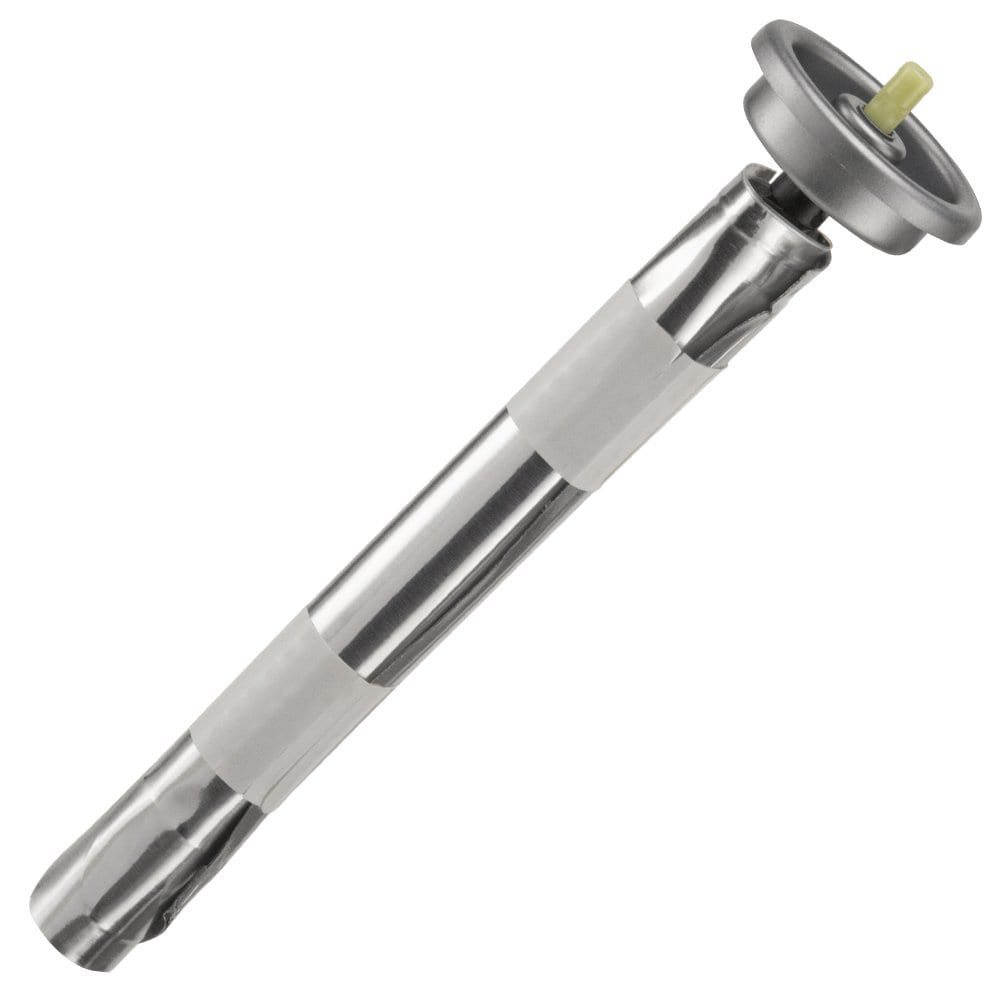
علب رش الهباء الجوي. They’re everywhere, aren’t they? From the hairspray on your vanity to the lubricant in your garage, the air freshener in your living room, or the paint for your weekend project. They promise convenience with a simple press of a button. But have you ever stopped to think about the can itself? اختيار يمين aerosol can – or rather, المنتج في the right can – goes beyond just picking the product you need. It involves considering performance, أمان, التأثير البيئي, and even cost-effectiveness.
It can feel overwhelming. You see rows upon rows of similar-looking cans. Some shout “صديقة للبيئة,” others boast “professional results,” and many just contain the product you think you need. How do you navigate this? How do you choose أحسن?
You’re not alone in feeling this way. Many of us grab a can off the shelf without a second thought, only to be disappointed by the spray pattern, worried about fumes, unsure how to dispose of it, or simply unaware of the technology and choices packed into that seemingly simple container.
This guide is for you. We’ll break down everything you need to know to become a more informed consumer of aerosol products. We’ll explore the different components of an aerosol can, the factors you should consider, how to use them safely, dispose of them responsibly, وفي نهاية المطاف, make choices that are better for you, your task, وربما, الكوكب. Let’s demystify the aerosol can together.
ماذا بالضبط يكون an Aerosol Spray Can?
Before we dive into choosing أحسن علب, let’s quickly understand what they are. في جوهرها, an aerosol can is a self-contained dispensing system. وتتكون عادة من:
- الحاوية: عادة ما تكون مصنوعة من الفولاذ أو الألومنيوم, designed to withstand pressure.
- المنتج: The actual substance you want to dispense (طلاء, نظافة, مثبتات الشعر, إلخ.).
- الدافع: A gas (or liquefied gas) that is pressurized inside the can. Its job is to push the product out when the valve is opened.
- الصمام: A mechanism at the top that regulates the release of the product and propellant mixture.
- المحرك (or Button/Nozzle): The part you press, which opens the valve and often shapes the spray pattern (شَبُّورَة, رغوة, تدفق).
عندما تضغط على المشغل, يفتح الصمام. The higher pressure inside the can forces the mixture of product and propellant up a dip tube (a straw reaching near the bottom of the can) and out through the nozzle. As the mixture exits, the propellant rapidly expands into gas (if it was liquefied), helping to atomize the product into a fine spray or foam.
Why Does Choosing the يمين Aerosol Can Matter So Much?
You might think, “It’s just a can, does it really matter?” نعم, it absolutely does, وهذا هو السبب:
- أداء المنتج: The can, صمام, and propellant system are specifically designed for the product inside. The wrong combination can lead to poor spray patterns (البصق, uneven coverage), انسداد, or inconsistent delivery. A high-viscosity product like paint needs a different setup than a low-viscosity product like an air freshener.
- أمان: Aerosol cans contain pressurized contents, and often flammable propellants or products. Choosing cans with appropriate safety features (like sturdy construction, clear warnings, sometimes pressure relief valves) and understanding safe handling practices is crucial to prevent accidents like bursts, حرائق, or unintended exposure.
- التأثير البيئي: The type of propellant used, the material of the can, and its recyclability all contribute to the environmental footprint. Early aerosols used Chlorofluorocarbons (مركبات الكربون الكلورية فلورية), which damaged the ozone layer. While CFCs are banned in most aerosols now, current propellants like Hydrocarbons (غاز البترول المسال) or Dimethyl Ether (بورصة دبي للطاقة) can be Volatile Organic Compounds (المركبات العضوية المتطايرة) المساهمة في الضباب الدخاني, and some Hydrofluorocarbons (مركبات الكربون الهيدروفلورية) have high Global Warming Potential (إحداث الاحترار العالمي). الغازات المضغوطة (like nitrogen or air) are often seen as greener alternatives. The can material (steel vs. الألومنيوم) also affects recyclability.
- فعالية التكلفة: A well-designed aerosol system ensures you can use most, if not all, of the product inside. Poorly designed systems might lose pressure prematurely or have nozzles that clog easily, leaving you with a half-full but unusable can – a waste of money and product.
- تجربة المستخدم: Features like ergonomic actuators, specific nozzle types for targeted application (like a straw for lubricants), or even the overall feel and weight of the can contribute to how easy and pleasant the product is to use.
Choosing better isn’t just about being eco-conscious; it’s about getting a product that works well, is safe to use, and gives you value for your money.
Key Factors to Consider When Choosing Aerosol Products
الآن, let’s get practical. When you’re faced with a choice, what should you look for?
1. The Product Inside (The Most Crucial Factor)
This might seem obvious, but the nature of the product dictates much about the can design:
- يكتب: Is it a paint, a lubricant, a cleaner, a cosmetic, a food product, أو أي شيء آخر? Each has specific requirements. المنتجات الغذائية, على سبيل المثال, need food-grade linings and propellants.
- اللزوجة & صياغة: Thick paints need different valve/nozzle systems and potentially higher pressure than thin liquids like glass cleaner. Some formulations might react with certain can materials or propellants.
- التوافق الكيميائي: The product must not corrode the can material or the internal lining, nor should it react negatively with the propellant. Manufacturers spend significant time ensuring compatibility, but it’s why you generally can’t (and shouldn’t try to) refill aerosol cans with different products.
What this means for you: While you can’t usually choose the can independently of the product, understanding that the can is مصممة to the product helps explain why performance varies. If a specific brand consistently clogs or sprays poorly, it might be an issue with the can system’s compatibility or design for that particular صياغة.
2. يمكن المواد: الصلب مقابل. الألومنيوم
Most aerosol cans you encounter are either steel (specifically tinplate steel) or aluminum.
- فُولاَذ (صفيح) علب:
- الايجابيات: Very strong and durable, cost-effective to produce, widely recycled (magnetic separation makes sorting easy). They often form the bulk of aerosol cans for household cleaners, الدهانات, والمنتجات الصناعية.
- سلبيات: Heavier than aluminum. Typically made from three pieces (جسم, قمة, قاع), meaning they have seams. If the internal coating is damaged, the steel can rust, potentially contaminating the product.
- علب الألمنيوم:
- الايجابيات: خفيف الوزن, سلس (typically extruded, meaning no side seam), مقاومة للتآكل (naturally forms a protective oxide layer), excellent for shaping and printing, often preferred for cosmetics, المستحضرات الصيدلانية, and food products where aesthetics and product integrity are paramount. قابلة لإعادة التدوير للغاية.
- سلبيات: Generally more expensive to produce than steel cans. Less puncture-resistant than steel of similar thickness (though aerosol cans are designed to be robust).
What this means for you: Both materials are widely used and effective. Aluminum might signal a premium product (common in personal care) and is inherently more corrosion-resistant. Steel is the workhorse, strong and economical. كلاهما قابل لإعادة التدوير عندما تكون فارغة – a crucial point we’ll revisit.
3. نوع الدافع: The Driving Force
The propellant is perhaps the most complex and environmentally relevant component. Here’s a breakdown of common types:
- غاز البترول المسال (غاز البترول المسال): A blend of propane, البيوتان, والأيزوبيوتان.
- الايجابيات: Excellent propellant properties, provides consistent pressure throughout the can’s life (as liquid boils to replace gas used), غير مكلفة نسبيا.
- سلبيات: شديدة الاشتعال. They are Volatile Organic Compounds (المركبات العضوية المتطايرة) that contribute to ground-level ozone (الضباب الدخاني). Low Global Warming Potential (إحداث الاحترار العالمي) compared to older HFCs. The most common type in many household aerosols.
- ثنائي ميثيل الأثير (بورصة دبي للطاقة): Another liquefied gas.
- الايجابيات: Good solvent properties (can help keep product mixed), provides consistent pressure. Miscible with water, making it useful for water-based formulations.
- سلبيات: قابلة للاشتعال. Also a VOC. Its GWP is very low.
- مركبات الهيدروفلوروكربون (مركبات الكربون الهيدروفلورية): E.g., مركبات الكربون الهيدروفلورية-152أ.
- الايجابيات: Non-flammable or low flammability, أداء جيد.
- سلبيات: Can have very high Global Warming Potential (إحداث الاحترار العالمي). Regulations are phasing them out globally (like the Kigali Amendment to the Montreal Protocol). Less common now in consumer products due to environmental concerns and regulations, but still found in some technical or medical aerosols.
- الهيدروفلوروولفينات (مركبات الوقود الثقيل): Newer generation refrigerants/propellants.
- الايجابيات: Low GWP and zero Ozone Depletion Potential (استنفاد الأوزون). Designed as replacements for HFCs.
- سلبيات: Can be more expensive. Still relatively new in the aerosol market.
- الغازات المضغوطة: نتروجين (), ثاني أكسيد الكربون (), الهواء المضغوط.
- الايجابيات: غير قابلة للاشتعال, zero ODP, very low GWP, environmentally benign compared to liquefied gases. Often used in “حقيبة على صمام” أنظمة (انظر أدناه) or for specific spray patterns (على سبيل المثال, cooking sprays often use أو ).
- سلبيات: Pressure drops as the product is used up (doesn’t maintain constant pressure like liquefied gases unless in specific systems). May not produce as fine a mist. Can be less efficient in expelling الجميع the product in traditional aerosol setups.
What this means for you:
- Check the label for propellant type if you have concerns (especially flammability or environment).
- Recognize that “قابلة للاشتعال” is common due to LPG/DME – handle accordingly.
- Products using compressed gases might be marketed as “air powered” أو “nitrogen powered” and are generally a greener choice from a GWP/VOC perspective, though performance might differ.
- Be wary of older products potentially containing HFCs.
A Note on حقيبة على صمام (بوف): This is a more advanced aerosol system. The product is inside a sealed bag داخل the can. الدافع (usually compressed air or nitrogen) is filled in the space بين the bag and the can. When you spray, the propellant squeezes the bag, forcing the product out.
- الايجابيات: Product and propellant never mix (good for sensitive products), can spray at any angle (even upside down), قريب 100% إخلاء المنتج, uses environmentally friendly compressed gas propellants. Often used for creams, المواد الهلامية, and some food products.
- سلبيات: More complex and expensive can system.
4. الصمام والمحرك (فوهة) نظام
This is the interface between you and the product.
- صمام: Controls the flow. Different valves are designed for different flow rates and product types (على سبيل المثال, for foams vs. mists). You don’t usually see the valve itself, but its performance is critical.
- المحرك (فوهة): This determines the spray pattern and usability.
- نمط الرش: ضباب ناعم (مثبتات الشعر, معطر الهواء), coarse spray (عمال النظافة), تدفق (مواد التشحيم), رغوة (كريم الحلاقة, cleaning foam). Some actuators are adjustable.
- بيئة العمل: How comfortable is it to press? Is it a simple button or an integrated trigger?
- ميزات خاصة: أنابيب التمديد (straws) for precise application (مثل WD-40), child-resistant designs, الأختام الواضحة.
What this means for you: Think about how you need to apply the product. Do you need broad coverage or a targeted stream? Is ease of use over long periods important (trigger sprayers can be more comfortable)? If a nozzle clogs easily, it might be poorly designed for the product viscosity.
5. يمكن الحجم والشكل
Aerosol cans come in various standard diameters and heights, determining the volume of product they hold. Shapes can also vary, from standard cylinders to more ergonomically shaped cans, particularly in the personal care market.
What this means for you: Choose a size appropriate for your needs to avoid waste or running out too quickly. Consider storage space. Unique shapes might be easier to hold but harder to store.
6. Linings and Coatings
- Internal Lining: A thin coating inside the can (often epoxy, polyamide, or vinyl based) protects the can material from corrosion by the product and prevents the metal from contaminating or reacting with the product. The choice of lining is critical for product stability and shelf life.
- External Coating/Printing: Provides branding, تعليمات, تحذيرات, and some protection against external corrosion or scuffing.
What this means for you: While you can’t see the internal lining, it’s a vital component ensuring the product remains effective and safe throughout its shelf life. High-quality printing and clear information on the outside are signs of a reputable manufacturer.
7. Safety Features and Labeling
Reputable aerosol products will have clear safety information:
- تحذيرات: Flammability symbols, pressure warnings (“Contents under pressure. Do not puncture or incinerate container. Do not expose to heat or store at temperatures above 120°F 1 / 50°C.”), first aid information.
1. books.google.com
- تعليمات: How to use the product correctly and safely (على سبيل المثال, “استخدم في منطقة جيدة التهوية”).
- مكونات: Including the propellant type (often listed).
- Child-Resistant Features: Some products may have caps or actuators designed to be difficult for young children to operate.
What this means for you: دائماً read the label before use. Pay attention to warnings and follow instructions carefully. The presence of comprehensive safety information is a good sign.
8. الاعتبارات البيئية (Summarized)
اختيار أ “أحسن” can often involves weighing environmental factors:
- قابلية إعادة التدوير: Both steel and aluminum are highly recyclable عندما تكون فارغة. Choosing products in these materials supports circularity.
- Propellant Choice: Favor products using compressed air, نتروجين, أو if available and suitable for your needs. Be aware of VOC content (غاز البترول المسال, بورصة دبي للطاقة) and avoid HFCs if possible. Look for labels indicating low VOC content or lower GWP propellants (like HFOs).
- “صديقة للبيئة” Claims: Be critical. What makes it eco-friendly? Is it the propellant? Recycled content in the can? A BoV system? Vague claims without specifics might be “greenwashing.”
- Product Concentration: أحيانا, choosing a non-aerosol concentrate or solid form of a product can significantly reduce packaging waste and transport emissions.
Understanding Labels and Certifications
Reading the label is your best tool:
- Identify the Propellant: Look in the ingredients list.
- Note the Warnings: القابلية للاشتعال, ضغط, inhalation risks.
- Check for Instructions: Proper use, ventilation requirements.
- Look for Disposal Info: It usually directs you to check local regulations but might specify “Recycle if empty.”
- Recycling Symbols: Look for the standard steel or aluminum recycling symbols.
- VOC Information: Some regions (مثل كاليفورنيا) require VOC content limits for certain products, which might be indicated.
- الشهادات: While less common for the can itself, some products might have eco-certifications related to their formulation or overall impact.
Safe Handling and Storage of Aerosol Cans
Safety is paramount with pressurized products:
- تهوية: Always use aerosols in well-ventilated areas, especially paints, عمال النظافة, والمبيدات الحشرية. Avoid inhaling the spray.
- Heat and Flames: Keep cans away from heat sources, الشرر, النيران المفتوحة, وأشعة الشمس المباشرة. Never store them in places that can get very hot, like a car trunk in summer or near a furnace. The recommended maximum storage temperature is usually 50°C (120درجة فهرنهايت).
- Puncturing/Incinerating: Never puncture or burn an aerosol can, even if you think it’s empty. Residual propellant can cause it to explode.
- تخزين: تخزين العلب في وضع مستقيم في مكان بارد, جاف, safe place, بعيدا عن متناول الأطفال والحيوانات الأليفة.
- Use Correctly: Don’t spray near eyes, face, or food unless the product is specifically designed for that purpose (على سبيل المثال, cosmetic facial spray, رذاذ الطبخ).
التخلص السليم وإعادة التدوير: A Critical Step
Improper disposal is dangerous and wasteful. وإليك كيفية القيام بذلك بشكل صحيح:
- تأكد من أن العلبة فارغة: This is the MOST important step for recycling. A can is generally considered empty if it no longer sprays and you can’t hear any liquid or feel pressure when pressing the nozzle. Do NOT puncture it to release residual pressure. Use the product completely according to its purpose.
- تحقق من اللوائح المحلية: This is crucial as rules vary significantly. Contact your local waste management authority, municipality, or check their website. They will tell you if empty aerosol cans are accepted in your curbside recycling bin, need to be taken to a special drop-off location (like a household hazardous waste facility), or have other specific instructions.
- إعادة التدوير (If Permitted Locally):
- If your locality accepts فارغ aerosol cans in recycling:
- Make sure it’s completely empty.
- Remove any loose plastic caps or nozzles (check if these are recyclable separately).
- Place the empty metal can in your recycling bin.
- Steel and aluminum are valuable materials, so recycling them saves energy and resources.
- If your locality accepts فارغ aerosol cans in recycling:
- تصرف (If Not Recyclable Locally or Not Empty):
- If the can is لا empty or your area doesn’t recycle them, it’s often treated as household hazardous waste (سموه).
- Take it to an HHW collection event or facility. Do NOT put pressurized or partially full cans in your regular trash, as they can pose risks to sanitation workers and equipment.
Never assume – always check your local rules!
Are There Alternatives to Aerosols?
بينما توفر الأيروسولات الراحة, sometimes alternatives are worth considering:
- بخاخات المضخة: Manually operated pumps for liquids like cleaners or hairsprays. No propellant needed.
- Trigger Sprayers: Similar to pump sprays, often used for larger volume cleaning products.
- Concentrates: Products you dilute with water in a reusable spray bottle. Reduces packaging waste significantly.
- Solid or Stick Forms: مزيلات العرق, ملمعات, cleaning bars.
- المستحضرات, الكريمات, المواد الهلامية: For personal care products.
- حقيبة على صمام (بوف): كما ذكرنا سابقا, this is still an aerosol technology but uses compressed air/nitrogen and separates product from propellant, offering environmental benefits over traditional aerosols.
Choosing an alternative often depends on whether the specific delivery method of an aerosol (ضباب ناعم, رغوة) is essential for the product’s function.
الأسئلة المتداولة (الأسئلة الشائعة)
- س1: Are all aerosol cans bad for the environment?
- أ: ليس بالضرورة “سيء,” but they have an environmental footprint. Modern aerosols don’t use ozone-depleting CFCs. لكن, common propellants like LPG/DME are VOCs contributing to smog, and some alternatives (مركبات الكربون الهيدروفلورية) لديها قدرة عالية على إحداث الاحترار العالمي. دافعات الغاز المضغوط (هواء, , ) are much better in terms of GWP/VOCs. The cans themselves (steel/aluminum) are recyclable when empty. Choosing cans with greener propellants and recycling empty cans helps mitigate the impact.
- Q2: Can I recycle aerosol cans?
- أ: نعم, فارغ steel and aluminum aerosol cans are recyclable. لكن, you MUST check your local recycling program rules. Some accept them in curbside bins, while others require drop-off at special facilities. Never recycle partially full cans.
- س3: What does VOC mean on an aerosol can?
- أ: VOC stands for Volatile Organic Compound. These are chemicals that easily evaporate into the air and can react with sunlight to form ground-level ozone (الضباب الدخاني), which is harmful to human health and the environment. Many common propellants (غاز البترول المسال, بورصة دبي للطاقة) and some product ingredients are VOCs. Regulations often limit VOC content in certain aerosol product categories.
- س 4: Why do some cans stop spraying even if they feel full?
- أ: This can happen for several reasons: the nozzle is clogged (try cleaning it according to product instructions, perhaps by soaking in warm water if appropriate), the dip tube is blocked, the valve mechanism has failed, أو, sometimes with compressed gas propellants, the pressure has dropped too low to expel the remaining product effectively. Using the can at extreme angles can also sometimes cause propellant loss without product delivery.
- س5: نكون “air powered” aerosols really better?
- أ: From an environmental perspective regarding the propellant, نعم. They use compressed air or nitrogen, which have negligible GWP and are not VOCs. This often involves Bag-on-Valve technology, which can also lead to less product waste. The performance (يشعر بالرش) might be different from traditional aerosols.
- س6: What’s the main difference between aluminum and steel aerosol cans for me as a user?
- أ: وظيفيا, both work well. Aluminum is lighter, سلس, and often used for personal care/food products due to corrosion resistance and aesthetics. Steel is heavier, very strong, often used for paints/industrial products, and is easily sorted for recycling due to being magnetic. Both are recyclable when empty.
- س7: How do I know for sure if an aerosol can is empty?
- أ: اضغط على الفوهة. If nothing comes out (no product, no propellant hiss) and you cannot hear or feel any liquid sloshing inside when you shake it gently, it’s generally considered empty. Do not rely on shaking alone, as liquefied propellant can feel like liquid product. Never puncture the can to check. إذا كنت في شك, treat it as non-empty and take it to an HHW facility.
خاتمة: Making Informed Aerosol Choices
اختيار أ “أحسن” aerosol spray can involves looking beyond the label promises and understanding the components inside. By considering the product itself, the can material (الصلب أو الألومنيوم), نوع الوقود الدافع المستخدم (and its environmental implications), the valve and nozzle system, ميزات السلامة, and proper disposal methods, you can make more informed decisions.
It’s about finding a product that not only performs the task well but also aligns with your priorities regarding safety, المسؤولية البيئية, and usability. اقرأ الملصقات بعناية, prioritize safety in handling and storage, and always check your local regulations for proper disposal and recycling of empty cans. Every small, informed choice contributes to a better overall experience and impact.
And when sourcing aerosol cans for commercial or industrial needs, partnering with a reliable manufacturer is key. الشركات مثل فانكسون stand out as world-class manufacturers and suppliers in the aerosol can industry. They possess the capability to provide high-quality aerosol cans in a wide variety of specifications, مواد (including aluminum and tinplate), and shapes, tailored to meet diverse product requirements and industry standards. Whether you need standard sizes or custom solutions, established suppliers like FANXUN offer the expertise and range to deliver reliable and effective aerosol packaging.



