
 ภาษาไทย
 English
 العربية
 Bosanski jezik
 Čeština
 Dansk
Dansk Nederlands
 Wikang Filipino
 Suomi
Suomi Français
 Deutsch
 Magyar
 Íslenska
 Bahasa Indonesia
 Italiano
 日本語
日本語 한국어
한국어 Bahasa Melayu
 Polski
 Português
 Русский
 Cрпски језик
 Español
 Türkçe
 Tiếng Việt
Aerosol cans are deeply integrated into modern life—from styling your hair and freshening a room to painting walls or spraying insecticides. While they offer ease and utility, they also bring along significant environmental concerns. Many people believe that aerosol pollution is a thing of the past, especially after the banning of CFCs in the 1980s. อย่างไรก็ตาม, the problem hasn’t gone away—it’s simply evolved.
In this in-depth guide, we’ll explore the ongoing environmental impacts, chemical mechanisms, current regulations, industrial practices, และ emerging eco-friendly alternatives to help you fully understand the scope of aerosol can pollution in today’s world.
กระป๋องสเปรย์คืออะไร?
หนึ่ง กระป๋องสเปรย์ is a pressurized metal container that dispenses its contents as a fine mist, สเปรย์, or foam when activated. Each can typically contains:
-
Product concentrate (เช่น, สี, ยาดับกลิ่น, ทำความสะอาด)
-
จรวด (gas or liquefied gas to push the product out)
-
Valve and nozzle system to control the spray pattern
There are two main types of propellants:
-
Liquefied gases (เหมือนโพรเพน, บิวเทน, ไอโซบิวเทน)
-
ก๊าซอัด (ชอบco₂, ไนโตรเจน)
A Historical Perspective on Aerosol Pollution
-
1920s-1940s: Aerosols were first developed for medical and military use.
-
1941: ที่ “bug bomb” was developed during WWII to help soldiers combat malaria by dispersing insecticides.
-
1950เอส-60: Rapid commercial adoption of aerosol cans for household and cosmetic use.
-
1974: Chemists Mario Molina and Sherwood Rowland linked สารซีเอฟซี (คลอโรฟลูออโรคาร์บอน) in aerosol sprays to ozone layer depletion.
-
1987: ที่ พิธีสารมอนทรีออล was signed to phase out ozone-depleting substances globally.
-
Post-1990s: CFCs were replaced by ไฮโดรคาร์บอน และ สาร HFC (ไฮโดรฟลูออโรคาร์บอน), which are less damaging to the ozone but are ก๊าซเรือนกระจก.
The Main Environmental Pollutants from Aerosols
Even without CFCs, aerosol cans can cause significant environmental harm. นี่คือวิธีการ:
อัน. สารประกอบอินทรีย์ระเหยง่าย (VOCS)
Most aerosols today use ไฮโดรคาร์บอน เหมือนโพรเพน, บิวเทน, และไอโซบิวเทน. These compounds:
-
Are classified as VOCS
-
React with nitrogen oxides (NOₓ) under sunlight to form โอโซนระดับพื้นดิน, a major component of หมอกควัน
-
Contribute to โรคหอบหืด, respiratory diseases, และ climate warming
ข. ก๊าซเรือนกระจก
Some aerosols use สาร HFC, which do not deplete ozone but have high Global Warming Potential (จีดับบลิวพี):
-
HFC-134a, ตัวอย่างเช่น, has a GWP of 1,430 (เช่น., 1,430 times more warming than CO₂)
-
These gases persist in the atmosphere for years, worsening climate change
ค. Solid Waste and Landfill Pollution
Globally, เกิน 15 billion aerosol cans are produced annually. Disposal problems include:
-
Pressurized cans that are not emptied properly can ระเบิด in landfills or incinerators
-
Many cans are not recycled due to mixed materials (โลหะ, ยาง, วาล์วพลาสติก)
-
Remaining chemical residue contaminates soil and groundwater
ง. Toxic Chemical Residues
-
สี, ยาฆ่าแมลง, and industrial sprays may contain เบนซิน, โทลูอีน, ไซลีน, and other harmful chemicals
-
Residues can cause neurotoxicity, ความเสียหายของอวัยวะ, หรือแม้กระทั่ง cancer with chronic exposure
Human Health Effects
While environmental damage is a major concern, aerosol use also presents serious health hazards:
Short-Term Exposure
-
Respiratory irritation
-
Headaches, คลื่นไส้, และ อาการวิงเวียนศีรษะ
-
Eye and skin irritation
Long-Term Exposure
-
Asthma and chronic lung diseases
-
Endocrine disruption from certain chemical additives (เช่น, พทาเลท, parabens)
-
Carcinogenic risks from persistent pollutants in certain industrial aerosols
Indoor air pollution is a major hidden danger. According to the WHO, indoor air can be 2 ถึง 5 times more polluted than outdoor air, and aerosols are a common source of indoor VOCs.
Global Regulations and Bans
อัน. The Montreal Protocol
-
Phased out nearly 99% of ozone-depleting substances, including CFCs
-
Prevented an estimated 2 million skin cancer cases เป็นประจำทุกปี
ข. Kyoto Protocol & การแก้ไขคิกาลี
-
Address HFC emissions as part of climate change mitigation
-
Targeted reduction of high-GWP substances in industrial aerosols
ค. Country-Specific Regulations
-
สหรัฐอเมริกา (EPA): VOC limits for consumer products, guidelines for aerosol content and disposal
-
สหภาพยุโรป (เข้าถึง): Strict labeling and safety data requirements
-
จีน & อินเดีย: Gradually aligning with global standards, but face enforcement challenges
-
ประเทศไทย, บราซิล, and others: Often less regulated or inconsistently enforced
กระป๋องสเปรย์สามารถรีไซเคิลได้หรือไม่?
Yes—but only if handled correctly:
Conditions for Recycling:
-
จะต้องเป็น ว่างเปล่าโดยสิ้นเชิง
-
Should be separated by metal type (เหล็กกับ. อลูมิเนียม)
-
Should not contain ของเสียอันตราย (like pesticides or paints) without special treatment
ความท้าทายในการรีไซเคิล:
-
Residual propellant pressure poses an explosion risk
-
Multi-material construction (plastic tips, rubber valves) ทำให้กระบวนการรีไซเคิลมีความซับซ้อน
-
ความตระหนักรู้ของสาธารณชนต่ำและระบบการจัดเก็บข้อมูลที่จำกัดในหลายภูมิภาค
แนวทางปฏิบัติที่ดีที่สุด:
-
ใช้กระป๋องให้หมด
-
ตรวจสอบแนวทางการรีไซเคิลในพื้นที่ของคุณ
-
ทิ้งกระป๋องอันตรายหรือเต็มบางส่วนได้ที่ ไซต์รวบรวมที่กำหนด
ทางเลือกที่เป็นมิตรกับสิ่งแวดล้อมสำหรับกระป๋องสเปรย์
นวัตกรรมและความตระหนักรู้ของผู้บริโภคกำลังปูทางไปสู่ ทางเลือกที่เป็นมิตรกับสิ่งแวดล้อมมากขึ้น:
อัน. ปั๊มสเปรย์และมิสเตอร์
-
ใช้แรงกดทางกล, ไม่มีจรวด
-
เหมาะสำหรับการดูแลส่วนบุคคล, ทำความสะอาด, และทำสวน
ข. ถุงบนวาล์ว (โบวี) ระบบ
-
แยกผลิตภัณฑ์ออกจากสารขับดันโดยใช้ถุงที่ปิดสนิท
-
ลดการปนเปื้อนและปรับปรุงความสามารถในการรีไซเคิล
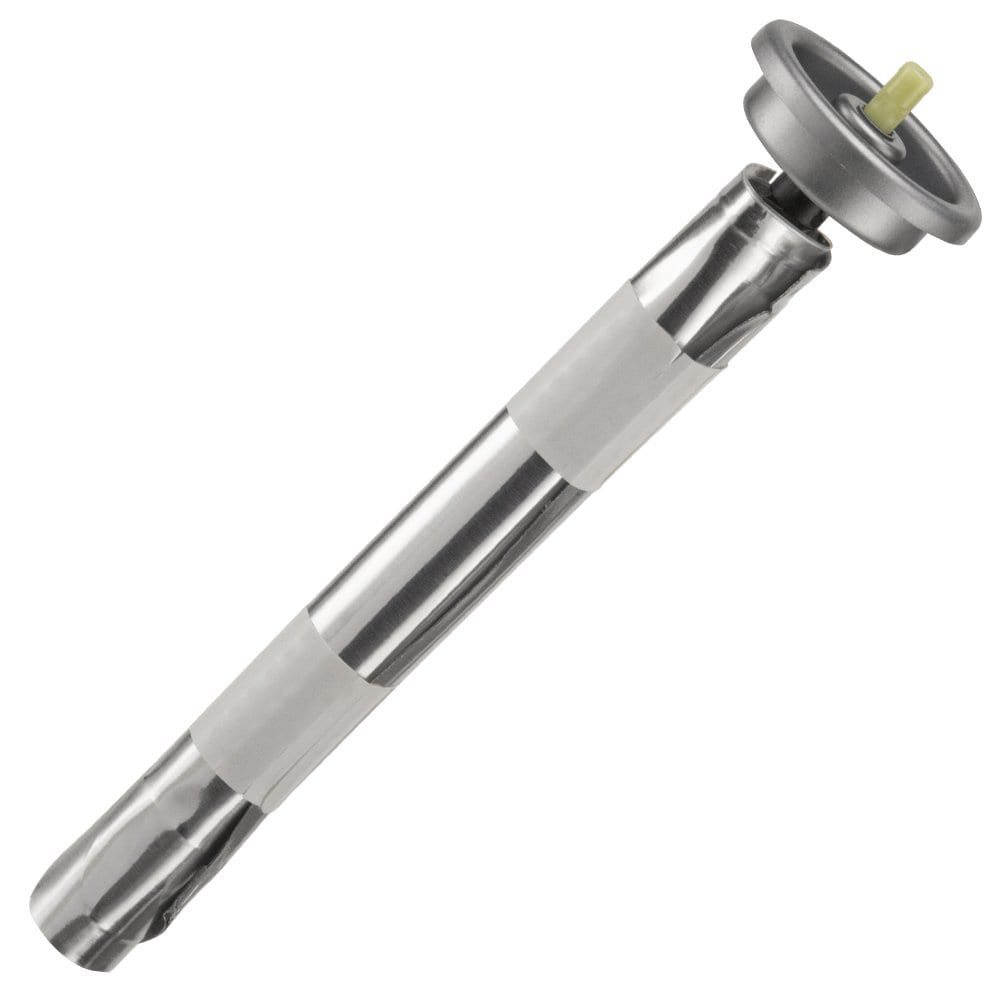
ค. เครื่องพ่นอากาศอัด
-
อุปกรณ์รีฟิลที่ขับเคลื่อนโดยสูบลมด้วยตนเอง
-
ใช้มากขึ้นในอุตสาหกรรมการพ่นสีและยานยนต์ที่เป็นมิตรกับสิ่งแวดล้อม
ง. แข็ง, โรลออน, และผลิตภัณฑ์ครีม
-
ยาดับกลิ่น, ไล่แมลง, ครีมกันแดดที่มีอยู่ในรูปแบบที่ไม่ใช่ละอองลอย
-
มักจะเข้ามา. บรรจุภัณฑ์ที่สามารถรีไซเคิลหรือย่อยสลายได้ทางชีวภาพ
What Are Manufacturers Doing to Improve?
Key Initiatives:
-
Lightweight packaging to reduce material use
-
Low-VOC and zero-VOC formulations
-
Eco-certifications เช่น กรีนซีล, EcoLabel, and EPA Safer Choice
-
Refillable packaging systems to encourage reuse
ตัวอย่าง: ฟานซุน
ฟานซุน, a world-class aerosol manufacturer, leads with sustainable innovation:
-
การใช้งาน low-emission propellants
-
Invests in eco-formula R&ดี
-
ข้อเสนอ private-label production aligned with international environmental standards
-
Educates global partners on compliance and disposal best practices
What Can You Do to Reduce Aerosol Pollution?
ในฐานะผู้บริโภค, you hold power through your choices. Here’s how you can help:
✅ Buy non-aerosol alternatives ทุกครั้งที่เป็นไปได้
✅ Use products completely before disposal
✅ Recycle according to your local waste program
✅ Support brands with transparent environmental practices
✅ Reduce overall consumption—บางครั้งก็น้อยแต่มากจริงๆ
อนาคตของสเปรย์: นวัตกรรม & ความรับผิดชอบ
อุตสาหกรรมสเปรย์กำลังเปลี่ยนแปลง. จาก สารขับดันที่ใช้CO₂ ถึง ระบบสเปรย์ควบคุมด้วย AI และ บรรจุภัณฑ์ปลอดพลาสติก, วิวัฒนาการทางเทคโนโลยีกำลังดำเนินอยู่.
ในเวลาเดียวกัน, ความตระหนักรู้ของผู้บริโภคทั่วโลก กำลังผลักดันบริษัทให้มีความรับผิดชอบมากขึ้น.
ความยั่งยืนไม่ใช่โบนัสอีกต่อไป แต่เป็นสิ่งจำเป็น.
ความคิดสุดท้าย: มลพิษจากละอองลอยยังคงเป็นปัญหาอยู่หรือไม่?
ใช่—แต่มันไม่ได้เกี่ยวกับอีกต่อไป ชั้นโอโซน. ความท้าทายในวันนี้กว้างขึ้น:
-
การต่อสู้ การปล่อยสารอินทรีย์ระเหยง่าย และ มลพิษทางอากาศภายในอาคาร
-
การจัดการ ของเสียที่เป็นพิษ และ โครงสร้างพื้นฐานการรีไซเคิล
-
กำลังลด การปล่อยก๊าซเรือนกระจก จากสารขับดัน
-
โฮลดิ้ง อุตสาหกรรมและผู้บริโภค รับผิดชอบต่อทางเลือกที่ยั่งยืน
โดยการรับทราบข้อมูลและสนับสนุนการเปลี่ยนแปลง, เราสามารถลดภาระด้านสิ่งแวดล้อมและสุขภาพของผลิตภัณฑ์สเปรย์ได้อย่างมาก—โดยไม่ต้องเสียสละความสะดวกสบาย.



