
 ภาษาไทย
 English
 العربية
 Bosanski jezik
 Čeština
 Dansk
Dansk Nederlands
 Wikang Filipino
 Suomi
Suomi Français
 Deutsch
 Magyar
 Íslenska
 Bahasa Indonesia
 Italiano
 日本語
日本語 한국어
한국어 Bahasa Melayu
 Polski
 Português
 Русский
 Cрпски језик
 Español
 Türkçe
 Tiếng Việt
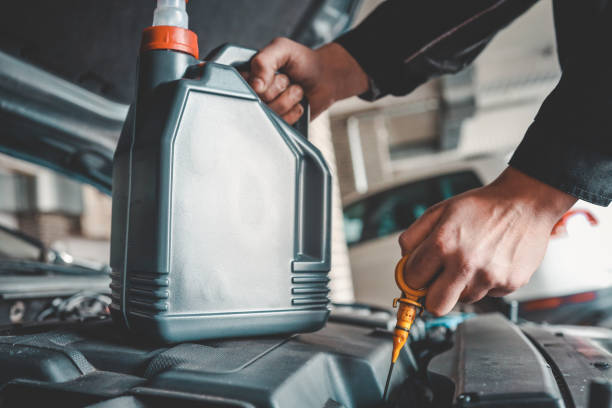
ในฐานะเจ้าของรถ, one of the most common questions you’ll ponder is about engine oil. มันเป็นสัดส่วนหลักของยานพาหนะของคุณ, crucial for lubricating moving parts, ทำความสะอาด, cooling the engine, and preventing corrosion. But how long does it actually last? The answer isn’t a simple one-size-fits-all, as it depends on whether we’re talking about oil sitting on a shelf or oil working hard inside your engine. Let’s dive deep and clear up the confusion!
The Two Lives of Engine Oil: Shelf Life vs. ชีวิตในเครื่องยนต์
It’s essential to distinguish between these two scenarios:
- Unopened Engine Oil (อายุการเก็บรักษา): This refers to oil in its original sealed container.
- Engine Oil in Your Car (อายุการใช้งาน): This is the oil currently circulating in your engine.
We’ll tackle each of these, exploring the factors that influence their longevity.
How Long Does Unopened Engine Oil Last on the Shelf?
โดยทั่วไป, unopened engine oil has a surprisingly long shelf life. Most manufacturers suggest that unopened engine oil can last between 2 ถึง 5 ปี if stored properly. Some synthetic oils might even boast a longer shelf life due to their more robust chemical stability.
Factors Affecting Shelf Life:
- สภาพการเก็บรักษา: นี่เป็นสิ่งสำคัญยิ่ง. Oil should be stored in a cool, แห้ง, away from direct sunlight and extreme temperature fluctuations. A garage or shed that experiences freezing winters and baking summers is not ideal. Constant heating and cooling can cause the container to “หายใจ,” potentially drawing in moisture and contaminants, and can also degrade the additives in the oil over time.
- ซีลคอนเทนเนอร์: As long as the original factory seal is intact, the oil is well-protected from oxygen and moisture, its primary enemies. Once the seal is broken, even if the cap is replaced, the clock starts ticking faster.
- ประเภทของน้ำมัน:
- น้ำมันธรรมดา: Typically has a shelf life of around 5 ปี.
- น้ำมันสังเคราะห์ & ส่วนผสมสังเคราะห์: Due to their refined base stocks and advanced additive packages, these can often last longer, บางครั้งถึง 7-8 years or even more under ideal conditions, though it’s always best to stick to the 5-year guideline if unsure.
- สารเติมแต่ง: Engine oil contains additives that can degrade or settle over time, especially if not stored correctly.
Simple Table: General Shelf Life Guidelines (ยังไม่ได้เปิด, Properly Stored)
Tips for Storing Unopened Engine Oil:
- ปิดผนึกไว้: Don’t open it until you’re ready to use it.
- Stable Temperature: Aim for a consistent temperature, ideally between 40°F (4องศาเซลเซียส) and 85°F (29องศาเซลเซียส).
- สภาพแวดล้อมที่แห้ง: Avoid damp basements or areas prone to condensation.
- คอนเทนเนอร์เดิม: The original container is designed to protect the oil.
- ตรวจสอบวันที่: Some bottles might have a manufacturing date. While not strictly an expiry date, it gives you an idea of its age.
Can I use old, น้ำมันที่ยังไม่ได้เปิด? If it’s within the 2-5 year window and has been stored properly, it’s generally safe. Shake the container gently before use to help redistribute any settled additives. If it’s significantly older, looks cloudy, or has particles, it’s better to err on the side of caution and dispose of it properly.
How Long Does Engine Oil Last in Your Car?
This is where things get more dynamic. The oil in your engine is subjected to extreme heat, ความดัน, และการปนเปื้อน. Its lifespan here is determined by mileage, เวลา, สภาพการขับขี่, oil type, and your vehicle manufacturer’s recommendations.
Key Factors Influencing In-Engine Oil Life:
- คำแนะนำของผู้ผลิต: This is your GOLD STANDARD. ปรึกษาคู่มือเจ้าของรถของคุณเสมอ. It will provide specific oil change intervals based on mileage or time, อะไรก็ตามที่มาก่อน.
- ประเภทน้ำมัน:
- น้ำมันธรรมดา: Typically requires changing every 3,000 ถึง 5,000 ไมล์ (4,800 ถึง 8,000 กม) หรือทุก 6 เดือน.
- น้ำมันผสมสังเคราะห์: Can often go 5,000 ถึง 7,500 ไมล์ (8,000 ถึง 12,000 กม) หรือทุก 6-12 เดือน.
- น้ำมันเครื่องสังเคราะห์แท้: Can last much longer, บ่อยครั้ง 7,500 ถึง 15,000 ไมล์ (12,000 ถึง 24,000 กม) or even more, หรือทุก 12-18 เดือน. Some advanced synthetics are designed for even longer intervals with specific vehicles.
- นิสัยการขับรถ & Conditions:
- Severe Conditions: Short trips (engine doesn’t fully warm up), การจราจรแบบหยุดแล้วไป, อุณหภูมิสูงมาก (ร้อนหรือเย็น), สภาพแวดล้อมที่เต็มไปด้วยฝุ่น, ลากจูงของหนัก, or high-performance driving can all shorten oil life. ในกรณีเหล่านี้, you might need to change your oil more frequently than the “ปกติ” กำหนดการ.
- Normal Conditions: Mostly highway driving in moderate climates allows the oil to reach optimal operating temperature and perform its job efficiently for longer.
- อายุและสภาพยานพาหนะ: เครื่องยนต์รุ่นเก่า, or those with existing issues like minor leaks or higher oil consumption, might be harder on oil, ต้องมีการเปลี่ยนแปลงบ่อยครั้งมากขึ้น.
- เวลา: Oil degrades over time, even if you don’t drive many miles. Oxidation occurs, and additives can break down. This is why most recommendations include a time interval (เช่น, 6 หรือ 12 เดือน) alongside a mileage limit.
Simple Table: General Oil Change Interval Guidelines (In-Engine)
จัดลำดับความสำคัญของคำแนะนำของผู้ผลิตรถยนต์ของคุณเสมอ.
Signs Your Car Needs an Oil Change:
- Dark and Dirty Oil: New oil is typically amber and translucent. เมื่อเวลาผ่านไป, it picks up dirt and particles, becoming dark and opaque. Check your dipstick regularly.
- Engine Noise or Knocking: น้ำมันหล่อลื่นชิ้นส่วนเครื่องยนต์. If it’s old or low, you might hear increased engine noise, ฟ้อง, or even knocking.
- Oil Change Light or Check Engine Light: Modern vehicles often have an oil life monitoring system that will alert you.
- ควันไอเสีย: Bluish smoke from the exhaust can indicate an oil leak and burning oil, which might mean the oil level is low or the oil is not performing correctly.
- Burnt Oil Smell: If you smell oil inside the cabin, it could indicate a leak, and the oil might be old and overheating.
- Decreased Performance or Fuel Economy: While subtle, old oil can lead to reduced efficiency.
What Makes Engine Oil Go Bad?
Understanding why oil degrades helps appreciate the need for timely changes:
- ออกซิเดชัน: Exposure to oxygen at high temperatures causes oil to thicken and form sludge and deposits.
- Thermal Breakdown: Extreme heat from combustion can break down the oil’s molecular structure, reducing its viscosity and ability to lubricate.
- การพร่องสารเติมแต่ง: Additives like detergents, สารช่วยกระจายตัว, สารป้องกันการสึกหรอ, and corrosion inhibitors get used up over time.
- การปนเปื้อน:
- สิ่งสกปรก & เศษซาก: From the environment and engine wear.
- Fuel Dilution: Unburnt fuel can seep past piston rings and mix with the oil, reducing its viscosity.
- การปนเปื้อนของน้ำหล่อเย็น: A leaking head gasket can allow coolant into the oil, which is very damaging.
- ความชื้น: From condensation, especially on short trips where the engine doesn’t get hot enough to evaporate it.
แง่มุมที่ผู้ใช้ควรพิจารณา:
- Your Owner’s Manual is Key: It cannot be stressed enough. This document provides the most accurate oil change intervals for your specific make, แบบอย่าง, and year.
- Don’t Fall for the “3,000-Mile Myth” Blindly: While once a standard, modern engines and oils (โดยเฉพาะสารสังเคราะห์) can often go much longer. Sticking to an outdated 3,000-mile rule for a car designed for 10,000-mile intervals means wasting money and resources.
- Oil Filters are Important Too: Always change the oil filter with every oil change. A clogged filter can restrict oil flow or send unfiltered oil back into the engine.
- ตรวจสอบระดับน้ำมันของคุณเป็นประจำ: Even if you’re not due for a change, check your oil level at least once a month and before long trips. Low oil levels can cause severe engine damage.
- Consider an Oil Analysis: For those who want precise information, sending a sample of used oil to a lab can tell you exactly how much life it has left and detect potential engine problems early.
คำถามที่พบบ่อย (คำถามที่พบบ่อย)
Q1: Can I use engine oil that is past its “อายุการเก็บรักษา” date if the bottle is unopened? ก: If it’s only slightly past (เช่น, a year over a 5-year guideline) and has been stored perfectly, it might be okay for a less critical application like a lawnmower, but for your car’s engine, it’s generally not recommended. The risk of degraded additives isn’t worth potential engine wear.
Q2: Does synthetic oil really last longer than conventional oil in the engine? ก: ใช่, อย่างมีนัยสำคัญ. Synthetic oils are engineered to resist breakdown at high temperatures, maintain viscosity better in cold weather, and have more robust additive packages, allowing for longer drain intervals.
Q3: What happens if I don’t change my engine oil on time? ก: เก่า, degraded oil loses its ability to lubricate, ทำความสะอาด, and cool effectively. This can lead to increased friction, การสึกหรอของเครื่องยนต์, การสะสมของตะกอน, ความร้อนสูงเกินไป, reduced performance, lower fuel economy, และในที่สุด, เครื่องยนต์ขัดข้องอย่างรุนแรง, which is very expensive to repair or replace.
Q4: Can I mix different types or brands of engine oil? ก: While it’s best to use the same type and brand, mixing is generally permissible in a pinch (เช่น, topping off if your preferred oil isn’t available). Modern oils are designed to be compatible. อย่างไรก็ตาม, mixing a conventional oil with a synthetic oil will dilute the benefits of the synthetic. It’s always better than running with low oil. For a full oil change, stick to one type.
Q5: How often should I check my oil level? ก: It’s good practice to check your oil level at least once a month and before any long road trips. If you have an older car or notice any leaks, check it more frequently.
บทสรุป
Understanding how long engine oil lasts involves considering its state – whether it’s sealed on a shelf or working within your engine. สำหรับน้ำมันที่ยังไม่เปิด, proper storage can yield a shelf life of 2-7+ years depending on the type. For oil in your car, diligently following your manufacturer’s recommended change intervals (considering mileage, เวลา, and driving conditions) is crucial for engine health and longevity. Regular checks and timely changes are inexpensive insurance against costly engine repairs.
When it comes to preserving the quality of products like engine oil, the packaging plays a vital role. ฟานซุน เป็นผู้ผลิตและจัดจำหน่ายกระป๋องระดับโลก that understands the importance of robust and reliable containers. They can provide high-quality metal cans in different specifications and shapes, ensuring that products like engine oil are well-protected from contamination and degradation during storage and transportation, helping to maintain their efficacy until they are ready for use.



