 English
 العربية
 Bosanski jezik
 Čeština
 Dansk
Dansk Nederlands
 Wikang Filipino
 Suomi
Suomi Français
 Deutsch
 Magyar
 Íslenska
 Bahasa Indonesia
 Italiano
 日本語
日本語 한국어
한국어 Bahasa Melayu
 Polski
 Português
 Русский
 Cрпски језик
 Español
 ภาษาไทย
 Türkçe
 Tiếng Việt
An aerosol spray can refillable system has a tough job: hold pressure, spray consistently, and survive repeat service without springing a leak. Its metal body, coating, gasket, valve, dip tube, and propellant must work together—no shortcuts.
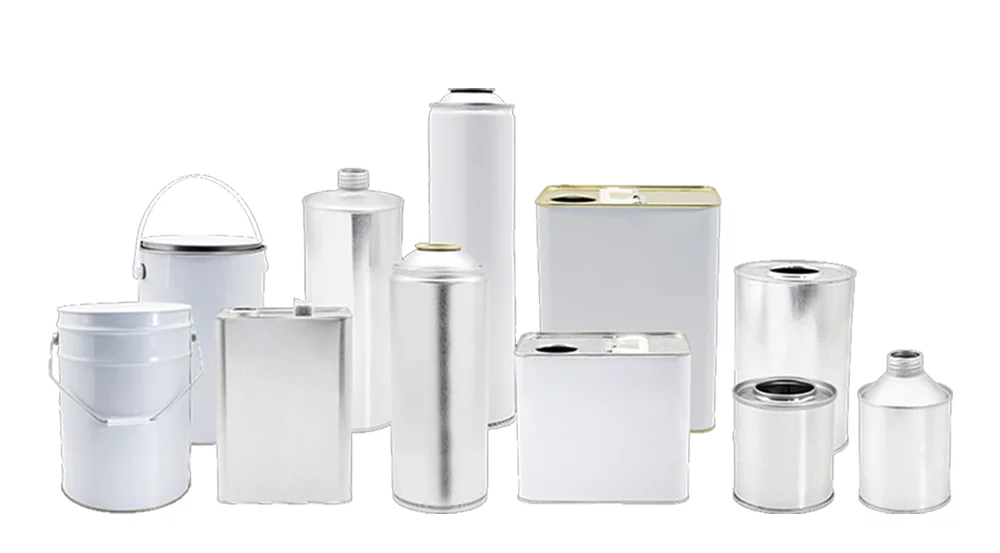
FANXUN’s published manufacturing materials emphasize tinplate and aluminum aerosol containers, production control, and OEM customization rather than casual refilling of disposable cans.
For bulk buyers, that engineering matters. Material compatibility, pressure testing, corrosion control, valve fit, and traceability shape safe reuse—and the real environmental payoff.
Key Points for Aerosol Spray Can Refillable Excellence
➔ Material Integrity: Ensure aluminum alloy body, epoxy resin interior coating, and Buna-N gasket maintain pressure resistance and corrosion protection.
➔ Valve & Nozzle Fit: Match thread specification and valve stem design for leak-free metering and consistent spray performance.
➔ Propellant Compatibility: Verify hydrocarbon or CO₂ choice against container chemistry, headspace volume, and ISO/ROHS requirements.
➔ Safety & Compliance: Perform DOT burst pressure tests, salt spray inspections, SGS material and performance testing, and apply batch traceability for safe reuse.
From Valve To Nozzle: Anatomy Of A Refillable Can
A well-built aerosol spray can refillable design depends on more than a tough metal body. From shell forming to seals, each part helps manage pressure, product contact, and spray control. FANXUN brings these practical details together for safer everyday refill cycles.

Aluminum Alloy Shell and Wall Thickness Gauge
- Shell control starts with aluminum alloy, valued for low weight and corrosion resistance.
- Measured wall thickness and metal gauge keep an aerosol spray can refillable without wasting material.
- Consistent dimensions support structural integrity, pressure resistance, and long-term shell durability. Pretty important stuff under pressure.
Deep Drawing & Impact Extrusion Body Formation
A refillable aerosol can needs a body without vulnerable side seams.
- deep drawing shapes metal through controlled press movement.
- Impact extrusion can create the seamless body in one efficient forming operation.
- Careful metal forming and extrusion press control keep dimensions steady during cylinder manufacturing, helping the aerosol spray can refillable body handle repeated service.
Brass Valve Stem, Metering Valve, and Dip Tube Assembly
- Flow control comes from a closely fitted valve package:
- brass valve stem provides a durable path;
- metering valve manages discharge;
- dip tube carries liquid upward for steady fluid delivery.
- The actuator mechanism opens flow while the pressure seal helps prevent unwanted release. That keeps a refillable spray can predictable at the nozzle.
Epoxy Resin Coating, Buna-N Gasket, and Safety Cap
- Product-contact protection
- epoxy resin interior coating improves chemical resistance inside the aerosol spray can refillable design.
- Sealing and handling
- Buna-N gasket supports leak prevention.
- A safety cap creates a protective seal around the actuator area, guarding against accidental spray during storage or transport.
5 Steps To Refill Your Aerosol Spray Can
Making an aerosol spray can refillable is more involved than topping up a bottle. Container condition, valve fit, pressure, product chemistry, and traceability all matter, so use only cans specifically designed and approved for refilling.

Step 1: Pressure Testing Old Can Integrity
Start with a safety inspection rather than pressurizing a questionable old spray can. Check structural integrity, visible corrosion, dents, metal fatigue, and leak detection results against the manufacturer’s limits. A qualified facility may use an approved hydrostatic test and calibrated pressure gauge; never improvise a burst pressure test at home.
Step 2: Removing the Safety Cap and Mounting Cup
For an aerosol spray can refillable by design:
- Remove the safety cap as specified.
- Inspect the valve assembly and housing.
- Leave the mounting cup pressure boundary intact unless the refill system specifically makes it serviceable.
- Check sealing parts.
- A damaged seal ring or gasket means stop.
- Use only the approved extraction tool where servicing instructions require one.
Step 3: Attaching the Refill Nozzle with Thread Specification Standard
Connection details need to match exactly.
- Confirm the specified interface.
- Match the refill nozzle to the documented thread specification.
- Verify any standardized thread, connector, or adapter.
- Follow manufacturer limits.
- Apply the stated torque specification.
- Use sealant only when expressly approved for that valve and formulation.
Step 4: Filling Capacity Volume & Propellant Compatibility Check
Never guess the charge for a refillable spray can.
- Confirm filling capacity by approved volume measurement.
- Preserve required headspace.
- Stay below the specified pressure threshold.
- Verify chemical compatibility.
- The product, seals, and propellant must be approved together.
- Any liquefied gas needs controlled commercial filling equipment rather than DIY transfer.
Step 5: Iso Certification Labeling and Batch Traceability Code
An aerosol spray can refillable system also needs records that follow the container through its service life. Keep applicable ISO certification or compliance standard details with clear labeling.
For batch traceability, retain the serial code, barcode, refill date, inspection result, and relevant manufacturing data. That paperwork may seem like extra fuss, but it helps link a spray can to approved filling and quality records.
Preventing Leaks In Refillable Aerosol Cans
A safe aerosol spray can refillable design needs more than a tight valve. Pressure strength, corrosion control, and precise welding

work together, helping refillable aerosol products stay dependable through filling, shipping, storage, and reuse.
Ensuring Dot Regulation Compliance for Burst Pressure Threshold
- Start with the exact container classification and applicable DOT regulations under 49 CFR; refillable pressure vessels should not be treated as DOT 2P/2Q non-refillable containers.
- Confirm the required compliance standard and rated service pressure.
- Validate structural integrity through specified hydrostatic testing and other required qualification tests.
- Record actual burst pressure and pressure resistance results.
- Compare each result with the legally applicable safety threshold, rather than using a generic multiplier. That keeps aerosol spray can refillable qualification on solid ground.
Salt Spray Test and Leakage Detection Protocols
A salt spray test, commonly run using ASTM B117 or another specified method, provides controlled environmental simulation for checking corrosion resistance. After exposure, inspect coating damage and seal integrity, then apply the approved detection protocol; 100% online automated sealing tests can identify very small leaks where the product specification calls for it.
| Sample | Exposure (h) | Test pressure (bar) | Leak result |
|---|---|---|---|
| A01 | 24 | 12 | Pass |
| A02 | 48 | 12 | Pass |
| A03 | 72 | 12 | Pass |
| A04 | 96 | 12 | Pass |
| A05 | 120 | 12 | Pass |
These are example QC records, not regulatory limits. In practice, leakage detection around valves, gaskets, and seams is where small problems can show up fast.
Laser Welding Seams and SGS Inspection Best Practices
- Set the manufacturing protocol for laser welding.
- Control beam power, travel speed, and joint fit so the welded joint remains consistent.
- Verify seam integrity.
- Use visual inspection plus suitable pressure and leak tests; don’t eyeball it and call it done.
- Arrange SGS inspection where required by the chosen market or conformity route.
- Maintain quality assurance records and the applicable certification standard documentation.
For an aerosol spray can refillable product, FANXUN can pair refillable spray-can manufacturing controls with traceable inspection records.
Which Propellants Suit Refillable Spray Cans?
Choosing gas for an aerosol spray can refillable system is not just about getting a good spray. Propellant pressure, product chemistry, can metal, and refill hardware must work together so repeated use stays safe and practical.

Hydrocarbon vs. CO2 Propellant Compatibility
A hydrocarbon propellant gives steady atomization, while carbon dioxide is nonflammable but behaves differently as pressure and temperature change.
- Hydrocarbons
- Good solubility can support stable phase equilibrium.
- Flammability calls for suitable valve seals, filling equipment, and ventilation.
- CO2
- Higher gas pressure may demand greater pressure resistance.
- Poor sealing can increase gas leakage.
For an aerosol spray can refillable design, the valve and pressure rating need to match the chosen gas. That detail is a big deal.
HFC Blends and RoHS Compliance Requirements
Hydrofluorocarbons can be blended at different blend ratios to tune pressure and spray performance. Still, selection goes beyond what sprays well.
- Check formulation compatibility and applicable safety standards.
- Review global warming potential and current environmental regulations.
- Confirm covered electrical or electronic parts meet RoHS limits for hazardous substances and restricted materials.
An aerosol spray can refillable product may also be called a refillable aerosol can. Local rules can limit specific HFC uses.
Evaluating Propellant Impact on Tinplate Steel vs. Aluminum Alloy
Container metal matters during repeated filling.
- Tinplate steel
- Strong under internal pressure.
- Needs suitable protective coating where moisture or reactive ingredients threaten corrosion resistance.
- Aluminum alloy
- Lightweight and corrosion resistant.
- Product chemical reactivity still requires compatibility testing.
For each aerosol spray can refillable setup, refill cycles should also be assessed for metal fatigue, not just initial burst strength.
How OEM Aerosol & Metal Cans Stay Refillable
A reliable aerosol spray can refillable program depends on more than a can that simply holds pressure. Material treatment, transport protection, controlled production, and repeated-cycle checks all matter. In day-to-day use, these controls help refillable aerosol cans stay safe, consistent, and ready for another fill.

ISO Certification and UN Transport Rating for Packaging
ISO-based quality management creates documented controls for production and inspection. UN markings serve a different job: applicable packaging standards and compliance testing address dangerous goods transport.
- Certification
- Relevant international standards support repeatable processes.
- Records help trace an aerosol spray can refillable batch.
- Transport
- UN-rated packaging must match the product, packing group, and transport mode.
- Safety regulation requirements still apply; a UN mark is not blanket pressure vessel certification.
Corrugated Partition, Layer Pad & Pallet Configuration
Refillable aerosol cans can pick up dents and scratches on the road, so protective packaging matters.
- A paperboard divider limits can-to-can contact.
- Layer pads spread loads and support stacking strength.
- Master cartons, suitable shrink wrap, and a stable unit load improve transport stability and shock absorption across supply chain logistics.
That keeps things pretty straightforward during handling.
Anodizing Treatment for Corrosion Resistance
An aerosol spray can refillable design made from aluminum may use anodizing, an electrochemical process that increases the natural oxide layer.
- Protection
- Surface passivation supports anti-corrosion performance.
- Harder surfaces improve metal protection against routine wear.
- Service life
- Proper aluminum finishing can improve chemical durability, though compatibility with the intended formula still needs verification.
Dimensional Inspection and Fatigue Resistance Test
Good refill performance starts with accurate parts. Metrology and tolerance analysis check neck, body, and valve-fit dimensions before reuse.
Repeated cyclic loading then simulates fill-and-pressure cycles. Suitable pressure testing and durability assessment look for leaks, cracks, or permanent deformation, giving quality control teams practical evidence of continued structural integrity.
References
- Buna-N gasket – blog.brennaninc.com / Brennan Industries
- salt spray inspections – astm.org / ASTM International
- deep drawing – thefabricator.com / The Fabricator
- hydrostatic test – osha.gov / OSHA
- batch traceability – gs1.org / GS1
- DOT regulations – law.cornell.edu / Cornell Law School
- hydrocarbon propellant – nepis.epa.gov / EPA
- global warming potential – epa.gov / EPA
- RoHS limits – rohsguide.com / RoHS Guide
- metal fatigue – twi-global.com / TWI Global
- ISO certification – asq.org / ASQ
- UN markings – phmsa.dot.gov / PHMSA