 Português
 English
 العربية
 Bosanski jezik
 Čeština
 Dansk
Dansk Nederlands
 Wikang Filipino
 Suomi
Suomi Français
 Deutsch
 Magyar
 Íslenska
 Bahasa Indonesia
 Italiano
 日本語
日本語 한국어
한국어 Bahasa Melayu
 Polski
 Русский
 Cрпски језик
 Español
 ภาษาไทย
 Türkçe
 Tiếng Việt
A cheap quote can turn into a profit nightmare overnight. Choosing the wrong Beverage can manufacturer means defective cans, bloated inventory, and delivery delays that eat your margins alive. De repente, that bargain doesn’t look so sweet.
For buyers sourcing beverage cans or industrial metal packaging, quality and timing matter as much as price. From supplier audits to minimum orders and lead times, every decision hits your bottom line.
Key Insights for Beverage Can Manufacturer
→ Seleção de Fornecedores: Balance cost with quality by auditing tinplate thickness, classes de liga, machine maintenance, and traceability protocols.
→ Gerenciamento de estoque: Negotiate minimum orders, optimize pallet configurations, and synchronize JIT delivery to cut storage costs and reduce excess stock.
→ Garantia de qualidade: Teste pressão de ruptura limites, perform deformation and leakage tests, and enforce ISO-certified metrology inspections to prevent defects.
→ Lead-Time Optimization: Coordinate coil feeder sync, logística de frete, and OEM requirements in production scheduling to minimize downtime and improve on-time delivery.
Can Manufacturer Vs. In-House Production
Escolhendo entre um Beverage can manufacturer and in-house production directly affects costs, qualidade do produto, and daily operations. Both approaches have clear advantages, but the right choice depends on your budget, production needs, and growth plans. Understanding these differences helps beverage businesses avoid costly mistakes.

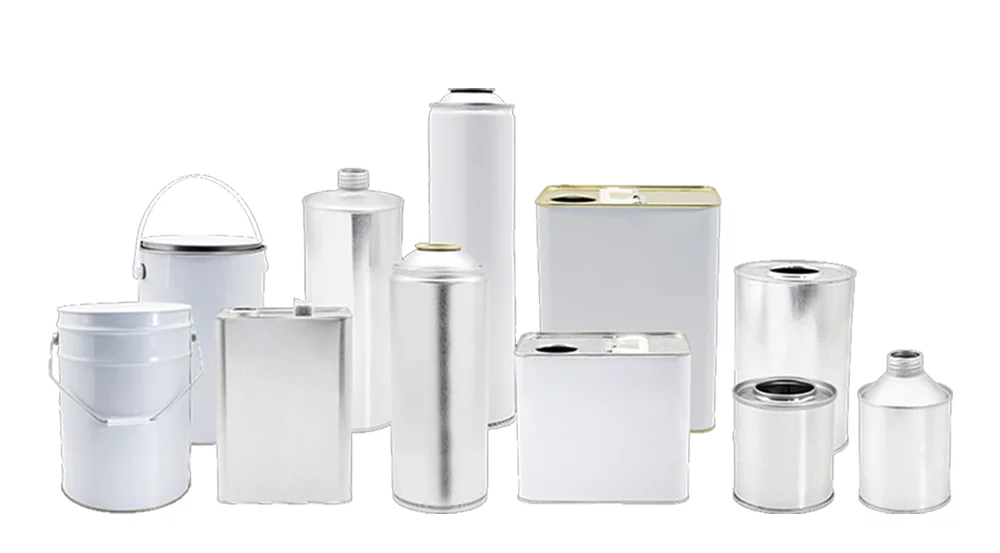
Fabricante de latas
Parceria com uma empresa especializada Beverage can manufacturer como FANXUN helps businesses reduce upfront expenses while maintaining consistent aluminum can quality.
Os principais benefícios incluem:
- Lower production costs
- Avoid expensive can-making equipment and factory setup.
- Reduzir logistics costs through coordinated shipping and bulk orders.
- Reliable manufacturing support
- Forte supplier partnerships melhorar confiabilidade da cadeia de suprimentos.
- Claro outsourcing contracts establish quality standards, preços, and delivery expectations.
- Flexible production planning
- Escalável capacidade de produção supports changing demanda do mercado.
- Previsível tempo de espera helps prevent packaging shortages.
Working with an experienced beverage packaging supplier also provides access to advanced manufacturing technology without the headache of running a separate factory.
In-House Production
Producing beverage cans internally gives businesses greater operational control over manufacturing schedules, especificações do produto, e garantia de qualidade.
No entanto, setting up an aluminum can production facility isn’t cheap.
The biggest challenges involve substantial capital expenditure, incluindo equipment investment em bodymaker machines, printing systems, and inspection technology.
Ongoing expenses also add up:
- Custos trabalhistas increase because specialized technicians are essential.
- Facility maintenance requires regular inspections and equipment servicing.
- Additional storage space is necessary for raw materials and finished cans.
Regulatory compliance adds another responsibility.
For businesses with consistently high production volumes, in-house manufacturing can make financial sense. Smaller beverage brands often find outsourcing to an established can producer more practical.
5 Steps To Audit Your Supplier
Escolhendo o certo beverage can manufacturer directly affects production costs, segurança do produto, and long-term profits. Poor materials, unreliable equipment, and late shipments can quickly eat into your margins. Before signing a contract, audit your supplier’s manufacturing capabilities. These five checks help you spot hidden risks, avoid expensive surprises, and keep your beverage business running smoothly.

Etapa 1: Verify Tinplate Thickness and Aluminum Alloy Grades
Um confiável beverage can manufacturer should provide verified matéria-prima especificações.
- Qualidade dos materiais
- Verificar espessura da folha de flandres e grau de liga de alumínio against approved specifications.
- Análise composição material, resistência à tracção, e microstructure.
Consistente chapa metálica quality reduces forming defects, corrosion risks, and material waste.
Etapa 2: Inspect Burst Pressure Threshold via Deformation Test
Can failures are expensive. Ask your supplier for documented pressão de ruptura resultados.
- Teste de pressão
- Conduza um deformation test under controlled pressão interna.
- Verificar força de rendimento, resistência ao estresse, e o failure point.
These checks confirm integridade estrutural and reduce leakage-related recalls.
Etapa 3: Audit Coil Feeder and Bodymaker Machine Maintenance
Equipment condition directly influences output.
- Inspecionar coil feeder synchronization and bodymaker machine desempenho.
- Análise preventive maintenance schedules and mechanical calibration registros.
- Acompanhar machinery wear e equipment downtime.
Well-maintained equipment improves eficiência de produção and limits costly rejects.
Etapa 4: Review Metrology Inspection and Traceability Protocols
Um confiável beverage can manufacturer needs measurable quality standards.
- Inspection controls
- Verificar metrology inspection e precisão dimensional.
- Verificar sensor calibration e relatórios de inspeção.
- Tracking systems
- Confirmar batch tracking e traceability protocols.
Forte controle de qualidade helps identify defective batches before shipping.
Etapa 5: Confirm Just-In-Time Delivery and Freight Logistics
Even perfect cans lose value when deliveries arrive late.
Avaliar Just-In-Time delivery, logística de frete, e tempo de espera consistência.
- Confirme realista horários de envio.
- Avaliar rede de distribuição confiabilidade.
- Monitor giro de estoque e cadeia de mantimentos riscos.
Suppliers such as FANXUN should demonstrate dependable production planning and shipping coordination to protect your profitability.
How Minimum Order Quantities Kill Margins

Para qualquer Beverage can manufacturer, high minimum order quantities (MOQs) can quietly drain profits. Bulk purchasing looks cheaper upfront, but storage costs, supply delays, and strict specifications often turn apparent savings into expensive headaches.
Excess Inventory Costs from Warehouse Storage Capacity
Large orders tie up cash before cans reach customers. UM Beverage can manufacturer must balance bulk discounts against rising inventory holding costs.
- Warehouse expenses
- Mais alto facility utilization increases rent, utilities, e manuseio de materiais custos.
- Limitado stockroom capacity creates bottlenecks during busy production periods.
- Financial pressure
- Excess stock causes capital immobilization, leaving less money for daily operations.
- Poor demand forecasts increase carrying expenses.
Inteligente otimização de armazenamento helps, but negotiating smaller orders often delivers better savings.
Long Supply Lead Time versus Reduced Defect Tolerance Rate
UM Beverage can manufacturer facing extended transit duration cannot afford repeated quality failures.
- Inspection challenges: Estrito inspection standards identify damaged cans before production.
- Replacement delays: Mais longo fulfillment periods increase disruption when defective batches require replacement.
- Inventory protection: Mais baixo error thresholds demand stronger garantia de qualidade and additional safety stock.
Even minor defects can throw the cronograma de produção off track.
Melhorando supply chain velocity reduces exposure to costly shipping delay problems.
Negotiating Diameter Specification and Height Tolerance Flexibility
UM Beverage can manufacturer can reduce MOQs by discussing practical engineering parameters with suppliers.
- Standardize dimensions
- Alinhar casing dimensions with common production tooling.
- Maintain essential precisão dimensional for filling and sealing equipment.
- Allow controlled flexibility
- Define acceptable structural variance within safe manufacturing limits.
- Include measurable precision metrics in supplier termos do contrato.
FANXUN supports beverage packaging buyers in evaluating specification flexibility while maintaining compatibility.
For a beverage packaging producer, even small dimensional adjustments can make bulk purchasing far more cost-effective.
Beverage Can Manufacturer’s Lead-Time Optimization
Um confiável Beverage can manufacturer keeps production moving by reducing handling delays, coordinating material deliveries, and managing shipping schedules. FANXUN helps beverage brands improve supply chain efficiency through smarter manufacturing planning and dependable order fulfillment.

Streamlining Pallet Configuration for Faster Handling
Inteligente pallet pattern design helps a Beverage can manufacturer move finished cans faster while preventing damage during transportation.
- Pallet optimization priorities:
- Proteção de carga
- Melhorar layer stability through balanced stacking.
- Aplicar consistente stretch wrapping to secure each carga unitária.
- Handling improvements
- Usar ergonomic stacking to simplify forklift operations.
- Aumentar warehouse throughput by reducing unnecessary pallet movements.
- Proteção de carga
Melhorar handling efficiency means fewer damaged cans and quicker shipments.
Implementing Just-In-Time Delivery with Coil Feeder Sync
Just-in-time delivery keeps aluminum coil supplies aligned with the cronograma de produção, preventing costly material shortages.
For beverage can production, three factors matter:
- Material flow: Match coil deliveries with feeder consumption rates.
- Stockout prevention: Maintain backup inventory for unexpected demand.
- Supply chain synchronization: Coordinate suppliers and production teams.
Suporte FANXUN redução do tempo de entrega through coordinated manufacturing processes that improve giro de estoque.
Coordinating Freight Logistics and Warehouse Storage Capacity
A dependable can supplier must balance shipping demand against available warehouse space.
- Dock management: Schedule loading appointments to avoid congestion.
- Freight capacity: Reserve transportation space before production completion.
- Facility utilization: Monitor storage availability to reduce excessive manutenção de estoque.
Aligning the cronograma de envio com o transportation network also helps control transit time.
Integrating OEM Requirements into Production Scheduling
Custom beverage packaging requires careful coordination between design specifications and manufacturing operations.
- Technical preparation: Confirmar equipment specifications, dimensões da lata, e technical standards.
- Alinhamento de produção: Ajustar manufacturing parameters manter machinery compatibility.
- Verificação de qualidade: Check printing accuracy, tolerâncias dimensionais, e quality compliance.
An organized production workflow melhora operational synergy, helping aluminum can manufacturers deliver customized orders without unnecessary delays.
Referências
- What alloy is most often used in aluminum beverage cans? – Hiuier
- Segurança de lata de aerossol: Pressão, Burst Tests & DOT Rules – Global Aerosols
- What Is Metrology Inspection? Processo, Usos e benefícios – ATT Metrology Solutions
- Freight Logistics: What Is It And How Does It Work for Your Company? – EP Logistics
- Ensuring Supply Chain Reliability: Best Business Practices – Zetwerk
- Aluminum Beverage Cans Market Size Report, 2026-2033 – Pesquisa Grand View
- CMBE Bodymaker: Advanced Machinery for Efficient Production – CMBE
- Best Practices for Managing Warehouse Inventory & Storage Space – MHS Lift
- Metrology’s Role in Manufacturing – Advanced Spectral Technology
- Just in Time Delivery: A Manufacturing Guide – Load1
- How to calculate inventory holding cost: fórmula, examples, and tips – Fishbowl Inventory
- Warehouse Organization: Strategies for Efficiency and Accuracy – MaintainX