
 Nederlands
 English
 العربية
 Bosanski jezik
 Čeština
 Dansk
Dansk Wikang Filipino
 Suomi
Suomi Français
 Deutsch
 Magyar
 Íslenska
 Bahasa Indonesia
 Italiano
 日本語
日本語 한국어
한국어 Bahasa Melayu
 Polski
 Português
 Русский
 Cрпски језик
 Español
 ภาษาไทย
 Türkçe
 Tiếng Việt
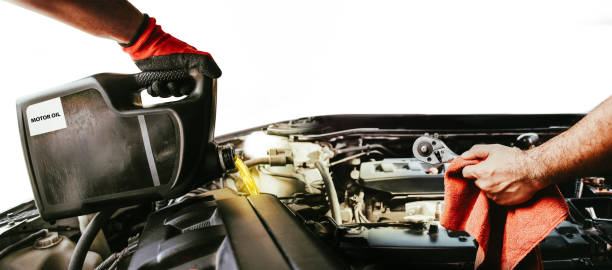
Het is een scenario waar velen van ons mee te maken hebben gehad. Misschien flikkerde het lampje voor lage oliedruk tijdens het rijden, of misschien herinnerde u zich dat u de olie al een tijdje niet meer had gecontroleerd, vlak nadat u thuiskwam van een lange reis. Je doet de motorkap open, voel de warmte die uit het motorblok straalt, en de vraag komt bij je op: Kan ik eigenlijk olie in mijn motor doen terwijl deze zo heet is??
Het lijkt een simpele vraag, maar zoals zoveel dingen met auto-onderhoud, het antwoord is niet alleen eenvoudig “Ja” of “Nee.” Er komt nuance bij kijken, overwegingen voor de veiligheid, en best practices die ervoor zorgen dat u goed met uw voertuig omgaat. Als iemand die precies over deze vraag heeft nagedacht terwijl hij naar een stomende machine staarde, Ik wilde diep duiken, verken alle hoeken, en creëer een definitieve gids om dit gemeenschappelijke dilemma voor eens en voor altijd op te lossen.
Het korte antwoord: Ja, Maar…
Technisch gezien, Ja, Jij kan add oil to a hot engine. Modern engine oils are specifically designed to withstand extremely high operating temperatures (often well over of ). Adding room-temperature or even cool oil (from your garage shelf) in the relatively small quantities needed for a top-up won’t usually cause catastrophic thermal shock to the massive, hot metal engine block.
Echter, just because you kan doesn’t always mean it’s the best of veiligst manier. There are significant caveats, primarily concerning veiligheid En nauwkeurigheid.
When is the Ideaal Time to Check and Add Engine Oil?
The consensus among mechanics and automotive experts is that the ideal time to check your oil level is when the engine is warm, but not scorching hot, and has been turned off for about 5-15 notulen.
Here’s why this “warm and settled” approach is preferred:
- Nauwkeurigheid: When your engine is running, oil is actively circulating, het smeren van alle bewegende delen. Als u de peilstok onmiddellijk controleert nadat u de motor hebt uitgeschakeld, een groot deel van de olie bevindt zich nog steeds in de bovenste delen van de motor en heeft geen tijd gehad om terug in de oliecarter te lopen (opvangbak) onderaan. Hierdoor krijgt u een kunstmatig lage waarde, Dit kan ertoe leiden dat u de motor te vol doet als u olie toevoegt op basis van deze onnauwkeurige meting. Wachten 5-15 minuten zorgt ervoor dat het grootste deel van de olie weer in de pan kan bezinken, waardoor u een veel nauwkeurigere aflezing van de peilstok krijgt.
- Veiligheid: Terwijl het nog warm is, de motoronderdelen zullen na een paar minuten stilstand niet op hun absolute piekbedrijfstemperatuur zijn. Dit verkleint enigszins het directe risico op ernstige brandwonden vergeleken met werken aan een motor die dat wel was zojuist uitgeschakeld na intensief gebruik. Key components like the exhaust manifold can remain dangerously hot for much longer, Echter.
- Viscositeit van olie: Warm oil flows more easily than cold oil. While this is more critical for changing olie (to ensure complete draining), checking the level when warm ensures the oil on the dipstick is representative of its operating state. Checking stone-cold oil (Bijv., first thing in the morning) is also accurate for level na it has settled overnight, maar de “warm and settled” method is often more practical as people frequently check after a drive.
Dus, the hierarchy looks like this:
- Best: Warm engine, turned off for 5-15 notulen.
- Goed: Cold engine (Bijv., first thing in the morning before starting). The level reading will be accurate as all oil has drained back.
- Oké, but with Caution: Hot engine (just turned off), provided you wait a few minutes for settling and are extremely careful.
- Niet aanbevolen: Checking while the engine is running (gevaarlijk en onnauwkeurig).
Veiligheid eerst! Werken rond een hete motor is geen grap
Dit is het meest cruciale onderdeel als je Doen besluit olie bij te vullen als de motor echt heet is. Motorruimtes bevatten talloze componenten die ongelooflijk hoge temperaturen bereiken.
Potentiële gevaren:
- Uitlaatspruitstuk: Vaak gemaakt van gietijzer, dit wordt extreem heet en kan onmiddellijk veroorzaken, ernstige brandwonden. Het kan heet blijven lang nadat de motor is uitgeschakeld.
- Radiateur en slangen: Houd hete koelvloeistof onder druk. Vermijd aanraken.
- Motorblok en cilinderkop: De belangrijkste metalen delen van de motor houden aanzienlijke warmte vast.
- Olievuldop en peilstok: Kan heet aanvoelen. Bij het openen van de dop kan er hete olie uitspatten.
- Andere componenten: Dynamo, riemen, katrollen, en verschillende sensoren kunnen ook heet zijn of verstrikkingsgevaar opleveren als de motor per ongeluk wordt gestart.
Controlelijst voor veiligheidsmaatregelen:
- Zet de motor UIT: Probeer nooit olie bij te vullen terwijl de motor draait. Zorg ervoor dat de sleutels uit het contact zijn.
- Parkeer op een vlakke ondergrond: Dit is cruciaal voor een nauwkeurige aflezing van het oliepeil en voorkomt dat de auto gaat rollen. Schakel de parkeerrem in.
- Laat wat koeltijd toe: Zelfs als je niet kunt wachten op het ideaal 10-15 notulen, even laten zitten 2-5 Minuten kunnen de temperatuur van sommige oppervlakken enigszins verlagen en ervoor zorgen dat de olie terugloopt.
- Draag beschermende kleding:
- Handschoenen: Hittebestendige werkhandschoenen worden sterk aanbevolen.
- Oogbescherming: Een veiligheidsbril kan uw ogen beschermen tegen mogelijke spatten.
- Lange mouwen: Bescherm uw armen tegen onbedoeld contact met hete oppervlakken.
- Wees je bewust van je omgeving: Weet waar de heetste delen zijn (zoals het uitlaatspruitstuk) zijn en houd uw handen en armen vrij.
- Verwijder losse kleding/sieraden: Stropdassen, sjaals, kettingen, of losse mouwen kunnen vast komen te zitten in motoronderdelen als deze op de een of andere manier zou starten, of gewoon vies worden.
- Open de olievuldop langzaam en voorzichtig: Gebruik een doek of handschoen om de dop vast te pakken. Draai hem langzaam om eventuele druk weg te nemen voordat u hem volledig verwijdert. Draai uw gezicht weg terwijl u het opent.
- Gebruik een trechter: Gebruik altijd een schone trechter om olie toe te voegen. Dit voorkomt morsen op hete motoronderdelen, waardoor rook kan ontstaan, onaangename geuren, en zelfs een potentieel brandgevaar (hoewel motorolie heeft een relatief hoog vlampunt, gemorste olie op een zeer heet uitlaatspruitstuk is nog steeds riskant).
Herinneren: Verbrandingen door hete motoronderdelen kunnen ernstig zijn. Als u zich niet op uw gemak voelt bij het werken rond de hete motor, wacht tot het verder is afgekoeld. Er is zelden een situatie zo urgent dat u onmiddellijk olie moet bijvullen in een gloeiend hete motor.
Adding Oil vs. Changing Oil: A Key Distinction
It’s important to differentiate between toevoegen a small amount of oil to top it off and performing a full olie verversen.
- Adding Oil (Topping Off): This involves adding maybe half a quart/liter or less to bring the level from the “Toevoegen” mark up to the “Vol” mark on the dipstick. Adding this relatively small volume of cooler oil to the large volume of hot oil already in the sump is generally considered safe and poses minimal risk of thermal shock.
- Changing Oil: This involves draining alle the old oil out and replacing it with several quarts/liters of new oil. Mechanics often prefer to drain the oil when it’s warm because warm oil flows out more quickly and completely, carrying more contaminants with it. Echter, draining large quantities of heet olie is aanzienlijk gevaarlijker vanwege het risico op grote lekkages en ernstige brandwonden. Bijvullen met enkele liters koude olie in een zeer hete olie, leeg motor macht theoretisch iets hoger liggen (hoewel nog steeds over het algemeen laag) risico op thermische stress vergeleken met alleen maar bijvullen, maar de grootste zorg bij het verversen van hete olie is het aftapproces.
Daarom, het advies en de voorzorgsmaatregelen voor toevoegen olie naar een hete motor zijn vooral gericht op de onmiddellijke veiligheid bij het werken rond hete componenten en het garanderen van een nauwkeurige niveaucontrole, in plaats van grote zorgen over het beschadigen van de motor met de nieuwe olie zelf.
Stapsgewijze gids: Hoe u veilig olie kunt toevoegen aan een warme/hete motor
Oké, laten we door het proces lopen, ervan uitgaande dat uw motor warm of heet is, en je hebt besloten dat het nu nodig is om olie toe te voegen, volgende veiligheidsrichtlijnen.
- Parkeer veilig: Ensure your car is on a level surface and the parking brake is engaged.
- Turn Off Engine: Make sure the engine is completely off.
- Wachten (If Possible): Allow the engine to sit for at least 5-10 notulen. This helps with accuracy and slightly reduces temperatures. Use this time to gather your oil, a clean funnel, rags/paper towels, and put on your protective gloves and eyewear.
- Open the Hood: Securely prop it open.
- Locate the Dipstick: This usually has a brightly colored (vaak geel of oranje) loop handle. Als u onzeker bent, raadpleeg uw gebruikershandleiding.
- Controleer het oliepeil (Initial Check):
- Carefully pull the dipstick out completely. Be mindful it might be hot.
- Wipe the end clean with a rag or paper towel.
- Fully re-insert the dipstick, making sure it goes all the way in.
- Trek hem er voorzichtig weer uit.
- Hold it horizontally or slightly angled down to prevent oil from running up the stick.
- Observe the oil level. There will be markings like ‘MIN’/’MAX’, ‘ADD’/’FULL’, or a cross-hatched area. Note where the oil film ends.
- Locate the Oil Filler Cap: This cap usually has an oil can symbol on it. Opnieuw, check your owner’s manual if unsure. It’s often on the valve cover on top of the engine.
- Remove the Filler Cap: Using a gloved hand or a rag, slowly twist the cap counter-clockwise to remove it. Place it somewhere clean where it won’t get lost or contaminated with dirt.
- Insert the Funnel: Place a clean funnel securely into the filler opening. Ensure it’s stable.
- Add the Correct Oil: Double-check that you have the manufacturer-recommended oil type and viscosity (Bijv., 5W-30, 0W-20 – check your owner’s manual!).
- Add Oil Incrementally: Dit is cruciaal! Don’t just dump a whole quart/liter in. If the dipstick shows the level is at the ‘ADD’ or ‘MIN’ markering, start by adding about half a quart (or half a liter). The distance between ‘MIN’ and ‘MAX’ on most dipsticks represents approximately one quart (or one liter), but it varies by car.
- Wait a Moment: Allow a minute or two for the added oil to flow down into the oil pan.
- Re-Check the Level: Remove the funnel, re-insert the dipstick, wipe it, re-insert it fully, and pull it out again to check the new level.
- Add More if Needed: If the level is still below the ‘FULL’ or ‘MAX’ markering, add a smaller amount (Bijv., a quarter of a quart/liter) and repeat the checking process. Sneak up on the correct level. It’s much easier to add a little more than it is to remove excess oil.
- Stop at Full: Do NOT fill beyond the ‘FULL’ or ‘MAX’ markering.
- Replace Cap and Dipstick: Once the level is correct, remove the funnel, securely replace the oil filler cap (turn clockwise until tight), and ensure the dipstick is fully re-inserted.
- Opruimen: Wipe away any minor drips or spills with a rag. Dispose of oily rags properly.
- Wash Your Hands: Even if you wore gloves, wash your hands afterward.
Why Using the Rechts Oil Matters More Than Temperature
While we’re focused on the timing of adding oil, it’s vital not to forget the type van olie. Using the wrong oil can cause far more long-term damage than adding oil at a less-than-ideal temperature.
- Viscositeit: This refers to the oil’s thickness and ability to flow at different temperatures. It’s represented by numbers like 5W-30, 0W-20, enz. The ‘W’ stands for ‘Winter,’ indicating its cold-flow properties, while the second number indicates its viscosity at high operating temperatures. Het gebruik van de verkeerde viscositeit kan leiden tot onvoldoende smering, verhoogde motorslijtage, and reduced fuel efficiency.
- Type olie: Conventioneel, Synthetisch mengsel, or Full Synthetic? Moderne motoren, especially turbocharged or high-performance ones, often require synthetic oil due to its superior stability at high temperatures, better flow in cold weather, and enhanced cleaning properties.
- Specificaties: Look for API (Amerikaans Petroleum Instituut) or ILSAC (Internationale adviescommissie voor smeermiddelenspecificaties) ratings (like API SP or ILSAC GF-6) specified in your manual. These ensure the oil meets current performance standards.
Altijd, altijd, altijd consult your vehicle’s owner’s manual to find the exact type, viscositeit, and specification of oil required for your engine. Keep a quart/liter of the correct oil in your trunk for emergencies – this avoids having to guess or use the wrong type if you need a top-up on the road.
The Dangers Lurking Beneath: Overfilling and Underfilling
Getting the oil level right is crucial. Both too much and too little oil can harm your engine.
Consequences of Overfilling:
- Oil Foaming: If the oil level is too high, the crankshaft whipping through it can churn the oil into a froth, like whisking egg whites. Aerated, foamy oil lubricates very poorly.
- Increased Oil Pressure: Can potentially strain seals and gaskets, wat tot lekkages leidt.
- Oil Consumption/Burning: Excess oil can be forced past piston rings or overwhelm the crankcase ventilation system, leading to blue smoke from the exhaust and potential damage to the catalytic converter.
- Reduced Performance: The increased drag from the crankshaft hitting the oil can slightly decrease engine power and fuel economy.
Consequences of Underfilling (Running Low):
- Verhoogde wrijving en slijtage: Insufficient oil means metal parts don’t have an adequate lubricating film between them, wat tot snelle slijtage leidt.
- Oververhitting: Oil plays a significant role in cooling engine components. Low oil levels reduce this cooling capacity, waardoor het risico op oververhitting toeneemt.
- Olie honger: During cornering, braking, or acceleration, the remaining oil might slosh away from the oil pump pickup tube, temporarily starving the engine of lubrication. This can cause severe damage very quickly.
- Complete Engine Failure: Running an engine completely out of oil will lead to catastrophic seizure and destruction.
This is why regularly checking your oil level (ideally every couple of fuel fill-ups or at least once a month) is one of the most important pieces of preventative maintenance you can do.
Veelgestelde vragen (FAQ's)
Let’s tackle some common related questions:
- Q1: Is it better to add oil when the engine is hot or cold?
- A: De ideaal time is when the engine is warm (not scorching hot) and has been off for 5-15 minuten zodat de olie terug in de pan kan lopen voor een nauwkeurige aflezing en een iets veiliger gebruik. Controleren/toevoegen als het koud is (na een nacht zitten) is bovendien nauwkeurig en veilig. Toevoegen wanneer het gloeiend heet is, is mogelijk, maar minder ideaal vanwege veiligheidsrisico's en mogelijke onnauwkeurigheid als u niet wacht tot de olie is bezonken.
- Q2: Wat gebeurt er als ik koude olie aan een warme motor toevoeg?? Bestaat er een risico dat het blok barst??
- A: Voor de kleine hoeveelheid olie die nodig is voor het bijvullen (meestal een kwart/liter of minder), het risico op een thermische schok die groot genoeg is om belangrijke motoronderdelen zoals het blok of de kop te beschadigen, is extreem laag. Motorolie is ontworpen om enorme temperatuurschommelingen aan te kunnen, en de grote thermische massa van het motorblok verdrijft het temperatuurverschil snel. While theoretically possible under extreme and unlikely circumstances, it’s not a practical concern for routine top-offs.
- Q3: How long precies should I wait after driving to add oil?
- A: 5-15 minutes is a good rule of thumb. Less than 5 notulen, and the reading might be inaccurately low. Much longer, and the engine cools completely (which is also fine for checking/adding, just not “warm”). The key is allowing time for the oil to drain back to the sump.
- Q4: Can I check the oil level immediately after turning the engine off?
- A: It’s not recommended for accuracy. Much of the oil will still be in the upper engine, giving a false low reading. Wacht tenminste 5 notulen.
- Q5: What are the signs I definitely need to add oil?
- A: The primary sign is the oil level being at or below the ‘ADD’ or ‘MIN’ mark on your dipstick. Een ander dringend teken is het waarschuwingslampje voor de oliedruk dat op uw dashboard gaat branden (het icoontje ziet er vaak uit als een ouderwets olieblikje). Als dit lampje gaat branden tijdens het rijden, zo snel mogelijk veilig aan de kant zetten, schakel de motor uit, wacht een paar minuten, en controleer het oliepeil. Rijd niet verder terwijl het oliedruklampje brandt, omdat ernstige motorschade zeer snel kan optreden.
- Q6: Tijdens het tanken heb ik wat olie op de motor gemorst. Is dat erg??
- A: Veeg het zo goed mogelijk af met een doek. Kleine hoeveelheden zullen waarschijnlijk gewoon wegbranden, het creëren van wat rook en geur voor een korte tijd. Een grotere lekkage, vooral op het zeer hete uitlaatspruitstuk, brengt een klein brandrisico met zich mee en moet grondig worden gereinigd. Het gebruik van een trechter voorkomt het meeste morsen.
Conclusie: Voeg verstandig olie toe, Rijd zelfverzekerd
Dus, kun je olie in een hete automotor doen?? Ja, jij kunt, but it’s best done with care and preferably after letting the engine cool slightly from its peak operating temperature. The ideal approach remains checking and adding oil when the engine is warm and has sat for 5-15 notulen, ensuring both accuracy and a greater margin of safety.
Always prioritize your safety by wearing gloves, being mindful of hot components, and opening the filler cap cautiously. Use the correct type and viscosity of oil as specified in your owner’s manual, and add it incrementally using a funnel to avoid overfilling. Regular oil level checks are fundamental to engine health, preventing the potentially catastrophic consequences of running too low.
By understanding the simple steps and precautions outlined here, you can confidently manage your engine’s oil level, warm of koud, zodat uw auto de komende kilometers soepel en betrouwbaar blijft rijden. Veel autoplezier!



