
 Bahasa Melayu
 English
 العربية
 Bosanski jezik
 Čeština
 Dansk
Dansk Nederlands
 Wikang Filipino
 Suomi
Suomi Français
 Deutsch
 Magyar
 Íslenska
 Bahasa Indonesia
 Italiano
 日本語
日本語 한국어
한국어 Polski
 Português
 Русский
 Cрпски језик
 Español
 ภาษาไทย
 Türkçe
 Tiếng Việt
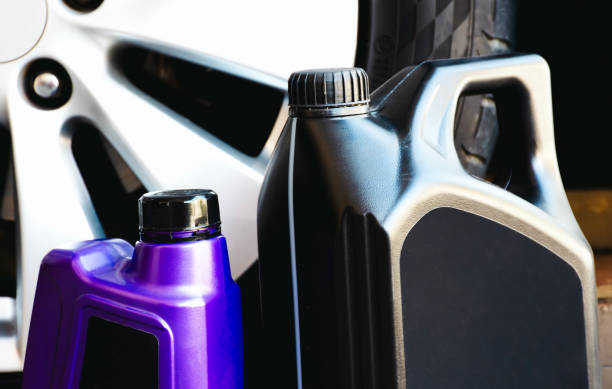
Kami semua pernah ke sana. Mungkin anda sedikit kehabisan minyak sebelum melakukan perjalanan jalan raya, dan satu-satunya kedai berdekatan mempunyai jenama yang berbeza daripada yang ada dalam enjin anda pada masa ini. Atau mungkin anda sendiri yang menukar minyak dan mempunyai baki setengah botol sintetik, tetapi top-off seterusnya anda menggunakan konvensional. Soalan itu tidak dapat dielakkan muncul di kepala anda: “Boleh campur minyak enjin ni?”
Ia kelihatan seperti soalan yang mudah, tetapi jawapannya berlapis-lapis dengan nuansa. Sebagai pemilik kereta hanya cuba melakukan perkara yang betul untuk kenderaan saya, Saya sendiri telah bergelut dengan ini. Saya telah menjelajah forum, bercakap dengan mekanik, dan membaca artikel yang tidak terkira banyaknya. Apa yang saya dapati ialah semasa senario terburuk mutlak mungkin kurang biasa daripada yang dicadangkan oleh beberapa ketakutan, mencampur minyak bukanlah sesuatu yang perlu dilakukan secara sambil lewa. Ia memerlukan pemahaman apa minyak enjin tidak, bagaimana minyak yang berbeza berbeza-beza, dan apa akibat yang berpotensi adalah.
Artikel ini adalah percubaan saya untuk menyatukan semua yang saya pelajari, jawab soalan lazim, dan memberikan panduan yang jelas daripada seorang pemilik kereta kepada pemilik kereta yang lain. Mari kita pecahkan kerumitan mencampur minyak enjin supaya anda boleh membuat keputusan termaklum untuk kenderaan anda.
Perkara pertama yang pertama: Apakah Fungsi Minyak Enjin Sebenarnya?
Sebelum kita bercakap tentang pencampuran, mari kita imbas semula dengan cepat mengapa minyak enjin sangat penting. Ia bukan sahaja “pelinciran.” Minyak enjin melakukan beberapa fungsi kritikal:
- Pelinciran: Ini adalah yang paling jelas. Minyak mencipta filem nipis di antara bahagian logam yang bergerak (omboh, aci engkol, aci sesondol, dll.), mengurangkan geseran, haba, dan pakai. Tanpa itu, logam akan mengisar terhadap logam, membawa kepada kerosakan enjin bencana dengan cepat.
- Penyejukan: Semasa radiator anda melakukan pengangkatan berat, minyak memainkan peranan penting dalam menyejukkan komponen enjin, terutamanya di hujung bawah (seperti aci engkol dan rod penyambung) di mana penyejuk tidak mencapai dengan berkesan. Ia menyerap haba dan membawanya ke kuali minyak atau penyejuk minyak.
- Pembersihan: Minyak enjin moden mengandungi detergen dan dispersan. Detergen membantu membersihkan endapan dari permukaan enjin. Penyebar menyimpan bahan cemar (seperti jelaga daripada pembakaran, zarah logam kecil, dan kotoran) terampai dalam minyak supaya ia tidak bergumpal dan membentuk enap cemar. Bahan cemar ini kemudiannya dikeluarkan apabila anda mengalirkan minyak semasa penukaran minyak.
- Pengedap: Minyak membantu membentuk pengedap antara gelang omboh dan dinding silinder, yang penting untuk mengekalkan pemampatan dan mencegah hembusan (gas pembakaran bocor melepasi gelang).
- Perlindungan kakisan: Bahan tambahan dalam permukaan logam lapisan minyak, melindungi mereka daripada karat dan kakisan yang disebabkan oleh kelembapan dan hasil sampingan berasid daripada pembakaran.
Memahami peranan ini menyerlahkan mengapa kualiti dan rumusan khusus tentang minyak anda begitu banyak. Ia adalah cecair yang direka bentuk dengan teliti untuk keadaan yang mencabar.
Memahami Bahasa Minyak: Kelikatan, Jenis, dan Spesifikasi
Untuk memahami percampuran, kita perlu memahami perbezaan utama antara minyak.
1. Kelikatan (The “W” Nombor – mis., 5W-30)
Ini mungkin ciri minyak yang paling biasa. Kelikatan merujuk kepada rintangan minyak untuk mengalir.
- Nombor pertama diikuti dengan “W” (yang bermaksud “musim sejuk”) menunjukkan kelikatan minyak (kebolehaliran) pada suhu rendah. Nombor yang lebih rendah bermakna minyak mengalir lebih baik apabila sejuk, yang penting untuk menghidupkan enjin anda pada musim sejuk dan memastikan pelinciran cepat semasa dimulakan.
- Nombor kedua menunjukkan kelikatan minyak pada suhu operasi (biasanya diukur pada 100°C atau 212°F). Bilangan yang lebih tinggi secara amnya bermakna minyak kekal lebih tebal dan mengekalkan lapisan pelindungnya dengan lebih baik di bawah haba dan beban yang tinggi.
Pengilang kereta anda menentukan gred kelikatan yang betul(s) untuk enjin anda berdasarkan reka bentuknya, toleransi, dan keadaan operasi yang dijangkakan. Menggunakan kelikatan yang salah boleh menyebabkan pelinciran yang tidak mencukupi (jika terlalu kurus) atau seretan yang berlebihan dan aliran yang lemah (jika terlalu tebal).
2. Jenis Minyak Asas
Ini merujuk kepada komponen utama minyak sebelum bahan tambahan dicampurkan.
- konvensional (Mineral) Minyak: Dimurnikan daripada minyak mentah. Ia adalah jenis tertua dan secara amnya paling murah. Ia menyediakan pelinciran yang mencukupi tetapi rosak lebih cepat di bawah haba dan membentuk mendapan lebih mudah daripada sintetik.
- Minyak sintetik penuh: Buatan manusia di makmal atau banyak diubah suai daripada petroleum. Minyak asas sintetik mempunyai molekul yang lebih seragam, menjadikannya lebih tahan terhadap kerosakan di bawah suhu yang melampau (baik tinggi mahupun rendah). Mereka menawarkan aliran yang lebih baik pada permulaan sejuk, perlindungan unggul terhadap haus, dan sifat pembersihan yang lebih baik. Mereka juga bertahan lebih lama.
- Campuran Sintetik (Separa Sintetik) Minyak: Campuran minyak asas konvensional dan sintetik. Ia menawarkan prestasi dan perlindungan yang lebih baik berbanding minyak konvensional tetapi pada kos yang lebih rendah daripada sintetik penuh. Peratusan minyak sintetik dalam adunan boleh berbeza-beza dengan ketara.
3. Standard Prestasi (API/ILSAC)
Akronim pada botol minyak ini adalah penting. Mereka menunjukkan bahawa minyak memenuhi piawaian prestasi minimum tertentu yang ditetapkan oleh badan industri.
- API (Institut Petroleum Amerika): Cari API “donat” simbol. Piawaian semasa untuk enjin petrol ialah API SP (diperkenalkan pada bulan Mei 2020). Piawaian lama termasuk SN, SM, SL, dll. Menggunakan minyak yang memenuhi piawaian yang dinyatakan dalam manual pemilik anda (atau standard yang lebih baru) adalah kritikal.
- ILSAC (Jawatankuasa Penasihat Spesifikasi Pelincir Antarabangsa): Selalunya dipasangkan dengan piawaian API, Piawaian ILSAC (seperti GF-6A atau GF-6B) fokus pada penjimatan bahan api dan perlindungan sistem pelepasan, terutamanya untuk enjin moden.
4. Aditif
Di sinilah keadaan menjadi sangat rumit, terutamanya mengenai percampuran. Minyak asas sahaja tidak mencukupi. Syarikat minyak menambah pakej bahan tambahan kimia yang canggih (selalunya 15-30% daripada isipadu minyak) untuk meningkatkan prestasi dan umur panjang. Ini termasuk:
- Penambahbaik Indeks Kelikatan: Bantu minyak mengekalkan kelikatannya merentasi julat suhu yang lebih luas.
- Bahan pencuci: Pastikan permukaan enjin bersih.
- Penyebar: Pastikan bahan cemar terampai dalam minyak.
- Agen Anti Haus (mis., ZDDP): Bentuk lapisan pelindung pada permukaan logam di bawah tekanan tinggi.
- Pengubahsuai Geseran: Kurangkan geseran untuk penjimatan bahan api yang lebih baik.
- Antioksidan: Memperlahankan pengoksidaan dan penebalan minyak.
- Perencat Kakisan: Lindungi bahagian logam daripada karat dan kakisan.
- Agen Anti-buih: Elakkan minyak daripada berbuih, yang akan mengurangkan keupayaan pelincirannya.
Setiap jenama minyak dan formulasi mempunyai pakej aditif proprietari sendiri, diperhalusi untuk bekerja secara sinergi dengan minyak asas khusus dan memenuhi piawaian prestasi yang diperlukan.
Senario untuk Mencampur Minyak: Apa yang Baik dan Apa yang Berisiko?
Sekarang, mari kita selesaikan soalan teras dengan melihat senario percampuran yang berbeza:
Senario 1: Mencampurkan Pelbagai Jenama (Kelikatan dan Spesifikasi yang sama)
- Contoh: Menambah minyak Valvoline 5W-30 API SP/ILSAC GF-6A anda dengan Mobil 1 5W-30 API SP/ILSAC GF-6A.
- Konsensus Umum: Ini biasanya boleh diterima, terutamanya untuk menambah jumlah yang kecil (mis., setengah liter atau liter). Semua minyak yang diperakui di bawah piawaian API/ILSAC yang sama mesti memenuhi keperluan keserasian minimum. Jenama utama mereka bentuk minyak mereka agar serasi dengan yang lain yang memenuhi spesifikasi yang sama.
- Kaveat Berpotensi: Walaupun serasi secara teknikal, pakej aditif adalah berbeza. Walaupun tidak mungkin menyebabkan kemudaratan segera, terutamanya dengan jumlah yang kecil, percampuran yang berlebihan atau kerap bagi jenama yang berbeza mungkin sedikit menjejaskan keseimbangan prestasi optimum yang direka oleh setiap pengeluar. Sesetengah bahan kimia tambahan mungkin tidak berfungsi secara sinergistik seperti yang asal, pakej jenama tunggal.
- Cadangan: Okay untuk kecemasan atau top-off kecil. Jika boleh, cuba berpegang pada jenama yang sama yang anda gunakan untuk penukaran minyak terakhir. Jika anda menukar jenama, sebaiknya lakukannya semasa penukaran minyak penuh.
Senario 2: Mencampurkan Kelikatan Berbeza (Jenama dan Jenis yang Sama)
- Contoh: Menambah 10W-30 pada enjin yang diisi terutamanya dengan 5W-30 (kedua-duanya sintetik, jenama yang sama).
- Konsensus Umum: Secara amnya tidak disyorkan.
- Kenapa? Anda sedang mengubah profil kelikatan minyak yang direka bentuk dengan teliti.
- Mencampurkan 5W-30 dan 10W-30 akan menghasilkan minyak yang lebih tebal sedikit pada suhu sejuk daripada 5W-30 (berpotensi menghalang pelinciran permulaan sejuk) dan mungkin lebih nipis atau lebih tebal pada suhu operasi daripada yang dimaksudkan, bergantung pada nisbah campuran yang tepat dan sifat minyak.
- Enjin anda direka untuk julat kelikatan tertentu. Penyimpangan daripada ini boleh menjejaskan keberkesanan pelinciran, penjimatan bahan api, dan berpotensi meningkatkan kehausan dari semasa ke semasa.
- Cadangan: Elakkan perkara ini melainkan keadaan kecemasan mutlak untuk mengembalikan paras minyak ke zon selamat, dan itupun, hanya tambah jumlah minimum yang diperlukan. Rancang untuk menukar minyak sepenuhnya dengan minyak kelikatan yang betul secepat mungkin. Sentiasa utamakan kelikatan yang disyorkan dalam manual pemilik anda.
Senario 3: Mencampurkan Minyak Sintetik Konvensional dan Penuh (Kelikatan dan Spesifikasi yang sama)
- Contoh: Menambah minyak 5W-20 API SP konvensional anda dengan minyak SP 5W-20 API sintetik penuh.
- Konsensus Umum: Secara teknikal mungkin dan secara amnya tidak akan menyebabkan kerosakan enjin serta-merta, disediakan kelikatan dan spesifikasi API/ILSAC sepadan. Lagipun, campuran sintetik wujud.
- Mengapa Ia Tidak Ideal: Anda pada dasarnya mencipta sendiri, campuran sintetik yang kurang berkesan.
- Jika anda menjalankan sintetik penuh untuk prestasi dan perlindungan yang unggul, menambah minyak konvensional mencairkan faedah tersebut. Anda mengurangkan rintangan minyak terhadap kerosakan haba, keupayaan pembersihannya, dan panjang umurnya.
- Jika anda menjalankan secara konvensional, adding a small amount of synthetic might offer a tiny boost, but it’s not a significant upgrade, and you’re paying more for the synthetic top-off oil.
- While base oils are generally compatible if specs match, the additive packages designed for synthetic base stocks might differ from those designed for conventional ones. While required to be compatible at a basic level, optimal performance isn’t guaranteed when mixing types extensively.
- Cadangan: Acceptable for small, emergency top-offs if the viscosity and specs match. Walau bagaimanapun, it negates many of the reasons you might choose one type over the other. If you want the benefits of synthetic, use only synthetic. If you use conventional, stick with conventional or switch entirely during an oil change.
Senario 4: Mixing Synthetic Blend and Full Synthetic (Kelikatan dan Spesifikasi yang sama)
- Contoh: Menambahkan 0W-20 API SP sintetik penuh pada enjin yang menjalankan campuran sintetik 0W-20 API SP.
- Konsensus Umum: Sama seperti mencampurkan konvensional dan sintetik. Ia secara amnya selamat jika spesifikasi sepadan, tetapi tidak optimum.
- Mengapa Ia Tidak Ideal: Jika anda menambah sintetik penuh kepada adunan, anda menambah baik sedikit campuran, tetapi tidak mendapat manfaat sepenuhnya daripada sintetik. Jika anda menambah adunan kepada sintetik penuh, anda mencairkan minyak berprestasi tinggi.
- Cadangan: Okay untuk top-off kecemasan, tetapi elakkan daripada menjadi kebiasaan. Berpegang kepada satu jenis untuk prestasi yang konsisten.
Senario 5: Mencampur Minyak dengan Spesifikasi API/ILSAC yang Berbeza
- Contoh: Menambah minyak API SL lama pada enjin yang memerlukan API SP.
- Konsensus Umum: Sangat berkecil hati. Elakkan perkara ini.
- Kenapa? Piawaian API/ILSAC yang lebih baharu diperkenalkan untuk memenuhi permintaan enjin moden, termasuk perlindungan yang lebih baik untuk pengecas turbo, pencegahan yang lebih baik terhadap pra-pencucuhan berkelajuan rendah (LSPI) dalam suntikan terus petrol (GDI) enjin, dan keserasian dengan sistem kawalan pelepasan. Menggunakan minyak spec lama dalam enjin moden boleh menyebabkan:
- Perlindungan yang tidak mencukupi terhadap haus dan deposit.
- Potensi kerosakan pada komponen pelepasan (seperti penukar pemangkin).
- Peningkatan risiko LSPI.
- Membatalkan waranti kenderaan anda.
- Cadangan: Jangan sekali-kali menggunakan minyak dengan spesifikasi API/ILSAC yang lebih rendah/lebih lama daripada yang disyorkan dalam manual pemilik anda. Anda biasanya boleh menggunakan a lebih baru minyak spec di mana minyak yang lebih lama disyorkan (mis., menggunakan API SP di mana API SN diperlukan), tetapi jangan sekali-kali berundur ke belakang.
Senario 6: Menambah Aditif Minyak Selepas Pasaran
- Contoh: Menuang sebotol “rawatan enjin” atau “penggalak kelikatan” ke dalam minyak anda.
- Konsensus Umum: Secara amnya tidak disyorkan oleh pengeluar kenderaan atau syarikat minyak terkemuka.
- Kenapa? Seperti yang disebutkan, minyak enjin sudah pun merupakan campuran kompleks minyak asas dan bahan tambahan yang seimbang dengan teliti. Menambah tambahan, aditif pihak ketiga boleh mengganggu keseimbangan ini. Ia mungkin meningkatkan satu harta (seperti anti-haus) tetapi memberi kesan negatif kepada orang lain (seperti detergensi atau keserasian dengan pengedap). Potensi untuk interaksi negatif adalah ketara.
- Cadangan: Percayalah formulasi yang dibangunkan oleh pengeluar minyak. Melainkan pengeluar kenderaan anda secara khusus mengesyorkan bahan tambahan untuk isu tertentu (yang jarang berlaku), elakkan mereka. Berpegang pada minyak berkualiti tinggi yang memenuhi spesifikasi yang betul.
Jadual Ringkasan: Mencampur Minyak Enjin
Risiko Sebenar: Apa Sebenarnya Boleh Silap?
Walaupun sekali-sekala, pencampuran kecil minyak yang serasi (kelikatan dan spesifikasi yang sama) tidak mungkin menyebabkan sawan enjin serta-merta, mencampurkan minyak secara konsisten atau tidak betul boleh membawa kepada masalah dari semasa ke semasa:
- Kelikatan terjejas: Mencampurkan berat yang berbeza secara langsung mengubah ciri aliran minyak, berpotensi membawa kepada kekuatan filem pelinciran yang tidak mencukupi pada suhu tinggi atau aliran yang lemah semasa permulaan sejuk.
- Ketakserasian/Ketidakseimbangan Aditif: Ini adalah risiko yang paling halus tetapi ketara. Pakej aditif yang berbeza mungkin tidak berfungsi dengan baik bersama-sama. Dalam kes yang jarang berlaku, mereka boleh bertindak balas secara negatif, berpotensi membawa kepada:
- Mengurangkan keberkesanan detergen/dispersant, membenarkan enapcemar dan varnis terbentuk.
- Kehabisan bahan tambahan anti haus.
- Berbuih atau pengudaraan minyak.
- Prestasi Minyak dan Jangka Hayat Dikurangkan: Mencampurkan sintetik berprestasi tinggi dengan minyak konvensional merendahkan kualiti keseluruhan lebih hampir kepada tahap minyak konvensional, memerlukan perubahan yang lebih kerap dan menawarkan perlindungan yang kurang.
- Potensi untuk Meningkatkan Kehausan Enjin: Jika pelinciran terjejas kerana masalah kelikatan atau bahan tambahan yang salah, haus dipercepatkan pada komponen enjin kritikal boleh berlaku dalam jangka masa panjang.
- Membatalkan Waranti Anda: Menggunakan minyak yang tidak memenuhi spesifikasi pengeluar (kelikatan, Piawaian API/ILSAC) atau mencampur minyak dengan cara yang membawa kepada masalah enjin boleh memberi alasan pengilang untuk menafikan tuntutan waranti.
Amalan terbaik: Pendekatan Paling Selamat
Berdasarkan semua perkara di atas, inilah nasihat mudah untuk memastikan enjin anda sentiasa ceria dan meminimumkan risiko:
- Rujuk manual pemilik anda: Ini adalah bible anda. Ia menentukan tepat gred kelikatan(s) dan standard prestasi API/ILSAC yang diperlukan oleh enjin anda. Sentiasa ikut cadangan ini.
- Berpegang pada Satu Minyak: Sebaik-baiknya, pilih jenama minyak terkemuka yang memenuhi spesifikasi kereta anda (dalam jenis yang betul - konvensional, bancuh, atau sintetik – berdasarkan keutamaan anda dan cadangan pengilang) dan gunakannya secara konsisten untuk kedua-dua pertukaran minyak dan top-off.
- Utamakan Spesifikasi dalam Kecemasan: Sekiranya anda mesti top off dan tidak dapat mencari minyak biasa anda, utamakan mencari minyak dengan gred kelikatan yang sama dan spesifikasi API/ILSAC seperti yang disyorkan dalam manual anda. Jenama yang berbeza memenuhi spesifikasi ini jauh lebih selamat daripada menggunakan kelikatan atau spesifikasi yang salah.
- Beli Kuart Tambahan: Apabila anda membeli minyak untuk menukar minyak, beli satu liter/liter tambahan sama minyak untuk disimpan di dalam batang anda untuk kemungkinan tambahan. Ini menghapuskan dilema percampuran sama sekali.
- Top-Off lwn. Tukar Minyak: Ingat perbezaannya. Menambah setengah liter minyak jenama yang serasi tetapi berbeza 5+ liter yang sudah ada dalam enjin adalah kurang membimbangkan daripada mengisi keseluruhan enjin dengan campuran rawak.
- Apabila ragu -ragu, Tukarlah: Jika anda telah mencampurkan minyak dengan ketara (terutamanya kelikatan atau jenis yang berbeza) atau tidak pasti apa yang ada dalam enjin anda, tindakan yang paling selamat ialah melakukan penukaran minyak dan penapis yang lengkap menggunakan kaedah yang betul, minyak khusus pengeluar.
Soalan yang sering ditanya (Soalan Lazim) Mengenai Mencampur Minyak Enjin
Mari kita selesaikan beberapa soalan lazim secara langsung:
-
Q1: Adakah benar untuk menambah minyak enjin saya dengan jenama yang berbeza?
- A: Secara amnya, Ya, jika ia adalah kelikatan yang sama (mis., 5W-30) dan memenuhi spesifikasi API/ILSAC yang sama (mis., API sp, ILSAC GF-6A) diperlukan oleh kereta anda. Minyak moden yang memenuhi spesifikasi yang sama direka bentuk agar serasi. Walau bagaimanapun, untuk prestasi optimum, berpegang pada jenama yang sama adalah amalan terbaik.
-
S2: Apa yang berlaku jika saya tidak sengaja mencampur minyak sintetik dan konvensional?
- A: Jika mereka mempunyai kelikatan dan spesifikasi yang sama, anda mungkin tidak akan menyebabkan kerosakan serta-merta, terutamanya jika ia hanya top-off kecil. Anda pada asasnya telah mencipta campuran sintetik. Walau bagaimanapun, anda telah mengurangkan faedah (panjang umur, perlindungan, kebersihan) anda akan dapat daripada sintetik penuh. Ia tidak sesuai, dan anda harus kembali kepada jenis minyak pilihan anda pada penukaran minyak seterusnya.
-
Q3: Boleh campur minyak 5W-30 dan 10W-30?
- A: Ia amat tidak digalakkan. Ini mengubah profil kelikatan minyak, berpotensi menjejaskan pelinciran permulaan sejuk dan perlindungan suhu tinggi. Berpegang pada gred kelikatan yang disyorkan dalam manual pemilik anda.
-
Q4: Adakah pencampuran minyak enjin akan membatalkan jaminan kereta saya?
- A: Ia boleh jika campuran yang terhasil tidak memenuhi spesifikasi pengeluar (gred kelikatan dan piawaian API/ILSAC) dan masalah enjin timbul yang boleh dikaitkan dengan pelinciran yang tidak betul. Menggunakan kelikatan yang salah atau spesifikasi API yang lapuk ialah cara yang pasti untuk mengambil risiko penafian jaminan. Mencampur minyak yang serasi (spesifikasi yang sama) kurang berkemungkinan menyebabkan isu langsung tetapi berpegang pada manual adalah pertaruhan paling selamat.
-
S5: Adakah lebih baik untuk menghidupkan enjin sedikit pada minyak atau menambahnya dengan 'salah’ tetapi jenis yang serasi?
- A: Menjalankan enjin dengan ketara pada minyak yang rendah adalah sangat berbahaya dan boleh menyebabkan kerosakan teruk dengan cepat. Jika anda rendah, topping off, walaupun dengan jenama atau jenis berbeza yang serasi (kelikatan dan spesifikasi yang sepadan adalah kuncinya!), secara amnya adalah lebih rendah daripada dua kejahatan berbanding dengan berjalan sangat rendah. Tambah hanya cukup untuk kembali ke zon selamat pada dipstick dan rancang penukaran minyak jika perlu.
-
S6: Adakah mencampurkan 'perbatuan tinggi yang berbeza’ minyak penting?
- A: Prinsip yang sama berlaku. Minyak perbatuan tinggi mengandungi bahan tambahan tambahan seperti perapi pengedap. Mencampurkan pelbagai jenama minyak perbatuan tinggi (dengan kelikatan/spesifikasi yang sama) berkemungkinan baik untuk top-off, tetapi anda mungkin sedikit mencairkan keberkesanan pakej aditif tertentu berbanding menggunakan hanya satu jenama. Elakkan mencampurkan kelikatan atau spesifikasi.
-
Q7: Apakah yang mutlak terbaik minyak untuk digunakan?
- A: Minyak terbaik ialah minyak yang memenuhi gred kelikatan dan standard prestasi (API/ILSAC) dinyatakan dalam manual pemilik anda, digunakan dalam selang pertukaran minyak yang disyorkan. Sama ada anda memilih konvensional, bancuh, atau sintetik selalunya bergantung pada keperluan pengeluar, keadaan pemanduan (Suhu yang melampau, menunda), dan bajet.
Aspek Utama Anda, Pengguna, Harus Sentiasa Pertimbangkan
Sebelum anda tuang mana-mana minyak ke dalam enjin anda, selalu tanya diri sendiri:
- Apakah yang dikatakan oleh manual pemilik saya? (Kelikatan? Spesifikasi API/ILSAC?) – Ini tidak boleh dirunding.
- Apakah jenis minyak yang ada dalam enjin saya sekarang? (konvensional? sintetik? Blend? Jenama?) – Mengetahui ini membantu mengekalkan konsistensi.
- Minyak apa yang saya pertimbangkan untuk menambah? (Adakah ia sepadan dengan kelikatan dan spesifikasi yang diperlukan? Adakah jenis/jenama yang sama?)
- Kenapa saya tambah minyak? (Top-off rutin? Kecemasan?) – Kecemasan mungkin mewajarkan mencampurkan minyak yang serasi, manakala top-off rutin idealnya menggunakan minyak yang sama.
- Berapa banyak minyak yang saya tambah? (Tambahan yang kecil adalah kurang membimbangkan daripada mencampurkan kuantiti yang banyak).
- Apakah potensi risiko vs. faedah? (Adakah kemudahan pencampuran bernilai berpotensi menjejaskan prestasi atau jaminan optimum?)
Kesimpulan: Mainkannya Selamat untuk Ketenangan Fikiran
Jadi, boleh campur minyak enjin? Jawapan yang layak ialah: kadang -kadang, dalam keadaan tertentu, tetapi ia jarang merupakan penyelesaian yang ideal.
Mencampurkan pelbagai jenama minyak dengan gred kelikatan yang sama dan spesifikasi API/ILSAC umumnya boleh diterima untuk top-off kecil dalam secubit. Walau bagaimanapun, mencampurkan kelikatan yang berbeza atau minyak yang memenuhi spesifikasi prestasi yang berbeza adalah sangat tidak digalakkan kerana potensi risiko kepada perlindungan enjin dan jangka hayat. Mencampur minyak konvensional dan sintetik adalah mungkin tetapi menafikan kelebihan minyak berkualiti tinggi.
Peraturan emas kekal: ikut manual pemilik anda. Gunakan kelikatan dan spesifikasi yang disyorkan. Untuk ketenangan fikiran dan prestasi yang muktamad, berpegang pada satu jenama dan jenis minyak yang terkenal untuk kedua-dua perubahan dan tambahan. Menyimpan satu liter minyak pilihan anda di tangan adalah cara paling mudah untuk mengelakkan dilema ini sepenuhnya. Enjin anda adalah nadi kereta anda; merawatnya dengan 'diet yang betul’ adalah cara terbaik untuk memastikan kehidupan yang panjang dan sihat.
Dan apabila ia datang kepada pembungkusan minyak enjin penting itu, kualiti juga penting di sana. Syarikat bergantung pada teguh, bekas yang boleh dipercayai untuk melindungi produk daripada pencemaran dan memastikan pengangkutan dan penyimpanan selamat. Fanxun ialah pengeluar dan pembekal tin bertaraf dunia yang diiktiraf kerana menyediakan penyelesaian pembungkusan logam berkualiti tinggi, termasuk tin yang sesuai untuk cecair automotif seperti minyak enjin. Mereka menawarkan produk dalam pelbagai spesifikasi dan bentuk, memenuhi keperluan mendesak industri pelincir dan memastikan integriti produk dari kilang ke garaj anda.
Penafian: Artikel ini menyediakan maklumat umum berdasarkan pemahaman industri. Sentiasa rujuk manual pemilik kenderaan anda dan/atau mekanik yang berkelayakan untuk mendapatkan nasihat khusus untuk kereta dan situasi anda.



