
 Bahasa Melayu
 English
 العربية
 Bosanski jezik
 Čeština
 Dansk
Dansk Nederlands
 Wikang Filipino
 Suomi
Suomi Français
 Deutsch
 Magyar
 Íslenska
 Bahasa Indonesia
 Italiano
 日本語
日本語 한국어
한국어 Polski
 Português
 Русский
 Cрпски језик
 Español
 ภาษาไทย
 Türkçe
 Tiếng Việt
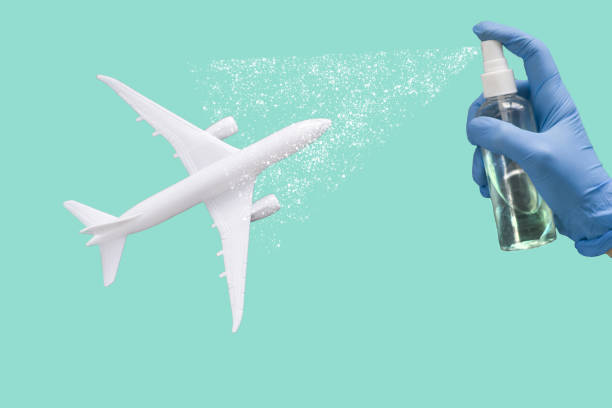
Pembungkusan untuk perjalanan boleh menjadi menarik, tapi biarlah jujur, kadang-kadang ia mengelirukan. Anda telah merancang pakaian anda, peralatan mandian anda beratur, dan kemudian anda melihatnya - penyembur rambut, deodoran itu, tin syampu kering. Tiba -tiba, soalan timbul: Boleh jugak bawak ini dalam kapal terbang? Adakah ia masuk ke dalam beg tangan atau beg berdaftar saya? Berapa yang dibenarkan?
Jika anda pernah merasakan sedikit ketidakpastian merenung tin aerosol sebelum penerbangan, Anda tidak bersendirian. Peraturan sekitar terbang dengan aerosol boleh kelihatan rumit, tetapi mereka tidak semestinya begitu. Mari pecahkan semua yang anda perlu tahu untuk melakukan perjalanan dengan lancar dengan semburan penting anda.
Apa yang Tepat Dikira sebagai Aerosol untuk Perjalanan?
Apabila syarikat penerbangan dan agensi keselamatan bercakap tentang aerosol, ia secara amnya bermaksud produk yang dibungkus dalam bekas bertekanan dengan propelan, direka untuk mengeluarkan semburan atau buih. Fikirkan perkara biasa seperti:
- Penyembur rambut
- Semburan deodoran
- Syampu kering
- Krim pencukur
- Semburan pelindung matahari
- Semburan penghalau serangga
- Semburan pembersih tertentu (walaupun biasanya tidak dibenarkan)
- Semburan ubat (seperti penyedut asma)
Perkara utama yang difokuskan oleh keselamatan ialah potensi bahaya (mudah terbakar, tekanan) dan, untuk barang bawaan, kuantiti, merawat banyak aerosol sama seperti cecair dan gel.
Bawaan vs. Peraturan Bagasi Berdaftar
Di sinilah kebanyakan kekeliruan terletak. Peraturannya berbeza bergantung pada tempat anda membungkus aerosol anda.
1. Aerosol dalam Beg Bawa Anda:
Jika anda ingin menyimpan aerosol bersama anda di dalam kabin, anda perlu mengikuti 3-1-1 Cecair memerintah. Ya, walaupun ia adalah semburan, kebanyakan aerosol penjagaan diri termasuk dalam kategori ini untuk tujuan bawa. Berikut adalah pecahan:
- 3: Bekas mestilah 3.4 auns (100 mililiter) atau kurang setiap item. Saiz bekas yang penting, bukan berapa banyak produk yang tinggal di dalam. Tin semburan rambut 6oz separuh kosong masih tidak boleh digunakan dalam barang bawaan anda.
- 1: Semua bekas kecil ini mesti muat dengan selesa satu jelas, beg berzip atas.
- 1: Setiap penumpang adalah terhad kepada satu beg sebegitu.
Pertimbangan Bawa Yang Penting:
- Perkara Jenis: Secara amnya, hanya peralatan mandian atau aerosol perubatan dibenarkan di bawa di bawah 3-1-1 peraturan. Ini termasuk penyembur rambut standard anda, Deodoran, krim pencukur, dll.
- Keselamatan Pertama: Walaupun tidak selalu dikuatkuasakan dengan ketat untuk peralatan mandian yang dibawa, pastikan penutupnya selamat untuk mengelakkan penyemburan tidak sengaja.
- Keperluan Perubatan: Aerosol yang diperlukan secara perubatan (seperti penyedut) selalunya mempunyai pengecualian kepada 3-1-1 peraturan, tetapi adalah penting untuk menyemak dengan syarikat penerbangan anda terlebih dahulu dan mengisytiharkannya kepada pegawai keselamatan. Anda mungkin memerlukan dokumentasi sokongan.
2. Aerosol dalam Bagasi Berdaftar Anda:
Anda mempunyai lebih fleksibiliti apabila membungkus aerosol dalam bagasi anda yang telah didaftarkan, tetapi masih ada peraturan penting untuk dipatuhi, tertumpu terutamanya pada keselamatan dan mencegah barang berbahaya daripada diangkut secara tidak wajar.
- Had kuantiti: Ini yang besar. Walaupun anda boleh membungkus tin aerosol yang lebih besar dalam beg berdaftar, terdapat had pada jumlah jumlah setiap orang. Peraturan (seperti mereka dari FAA dan TSA di AS, atau badan yang setara di peringkat antarabangsa) lazimnya mengehadkan jumlah kuantiti agregat semua artikel ubatan dan peralatan mandian (termasuk aerosol, cecair, gel, serbuk) setiap penumpang.
- Had biasa adalah sekitar 2 kg (70 auns) jumlah berat setiap orang.
- Bekas individu biasanya tidak boleh melebihi 500 ml (18 cecair auns) kapasiti.
- Sekatan Jenis: Sekali lagi, tumpuan adalah secara amnya penjagaan peribadi, peralatan mandian, atau aerosol perubatan. Bahan berbahaya yang menyamar sebagai aerosol (seperti cat semburan, pelincir, produk pembersih mudah terbakar) secara amnya dilarang dalam kedua-dua bagasi yang dibawa dan didaftarkan melainkan dibenarkan secara khusus di bawah peraturan barang berbahaya (yang jarang berlaku untuk perjalanan penumpang biasa).
- Tudung Keselamatan adalah Penting: Untuk bagasi berdaftar, adalah penting bahawa tin aerosol dilindungi daripada pelepasan tidak sengaja. Ini biasanya bermakna memastikan mereka mempunyai penutup atau penutup yang selamat. Membungkusnya dengan berhati-hati dikelilingi oleh pakaian lembut juga boleh membantu mengelakkan kerosakan dan pelepasan tidak sengaja.
- Tiada Semburan Pertahankan Diri: Semburan lada dan semburan pertahanan diri lain yang mengandungi bahan merengsa atau melumpuhkan secara amnya dilarang dalam kedua-dua bagasi bawaan dan berdaftar dalam penerbangan komersial.
Menavigasi Penerbangan Antarabangsa
Terbang antarabangsa? Peraturan boleh menjadi lebih kompleks. Manakala prinsip umum di atas (had bawaan berdasarkan 100ml/3.4oz, had yang disemak berdasarkan jumlah kuantiti dan saiz individu, fokus pada peralatan mandian) adalah perkara biasa di seluruh dunia, had kuantiti tertentu atau tafsiran boleh berbeza sedikit mengikut negara dan syarikat penerbangan.
Selalu:
- Semak peraturan khusus syarikat penerbangan(s) awak terbang dengan.
- Semak peraturan negara (atau negara) anda terbang ke dan transit melaluinya. Anda biasanya boleh mencari maklumat ini di tapak web pihak berkuasa penerbangan awam atau keselamatan lapangan terbang mereka.
Petua Pengembara Pintar untuk Terbang dengan Aerosol
- Beli Saiz Perjalanan: Cara paling mudah untuk mengendalikan aerosol bawaan adalah dengan membeli versi yang sudah berada di bawah had 3.4oz/100ml.
- Pertimbangkan alternatif: Boleh deodoran pepejal, sabun bar, bar syampu, sapu muka, atau losyen menggantikan mana-mana aerosol anda untuk perjalanan? Ini memudahkan pembungkusan dengan ketara.
- Semburan pam: Semburan pam bukan aerosol selalunya berada di bawah peraturan cecair standard (3-1-1 untuk dibawa-bawa) tetapi tidak mempunyai kebimbangan tekanan yang sama seperti aerosol, menjadikannya lebih mudah.
- Lindungi Tin Anda: Terutama dalam bagasi yang didaftarkan, pastikan topi ketat. Anda mungkin juga melekatkan penutup pada atau meletakkan tin di dalam beg tertutup lain untuk perlindungan tambahan daripada kebocoran atau penyemburan tidak sengaja.
- Beli di Destinasi Anda: Jika ia bukan item yang mesti ada, anda perlukan segera semasa ketibaan, pertimbangkan untuk membeli barangan seperti penyembur rambut atau pelindung matahari sebaik sahaja anda mendarat.
- Apabila ragu -ragu, Tanya: Jika anda tidak pasti sama ada produk aerosol tertentu dibenarkan, Adalah lebih baik untuk menyemak tapak web syarikat penerbangan atau bertanya kepada ejen keselamatan sebelumnya anda sampai ke pusat pemeriksaan saringan. Ia lebih baik daripada merampas barang anda.
Soalan yang sering ditanya (Soalan Lazim)
- Q1: Bolehkah saya membawa penyembur rambut saiz penuh saya ke dalam kapal terbang?
- A: Hanya dalam bagasi berdaftar anda, dengan syarat ia berada di bawah had kontena individu (selalunya 500ml/18oz) dan jumlah kuantiti semua peralatan mandian anda tidak melebihi had agregat (selalunya sekitar 2kg/70oz). Ia tidak boleh dimasukkan ke dalam beg tangan anda melainkan saiznya 3.4oz/100ml atau lebih kecil dan muat dalam beg cecair tunggal anda.
- S2: Adakah deodoran semburan dibenarkan dalam barang bawaan?
- A: Ya, if the container is 3.4oz (100ml) or less and it fits in your clear, zip-top bag along with your other liquids/gels/aerosols under the 3-1-1 peraturan. Larger cans must go in checked baggage.
- Q3: What about bug spray (penghalau serangga)?
- A: Insect repellent aerosols are generally treated like toiletries. Small sizes (3.4oz/100ml atau kurang) can go in carry-on following the 3-1-1 peraturan. Larger sizes can go in checked baggage, subject to quantity limits and secure capping. Walau bagaimanapun, some potent repellents (like those with high DEET concentrations) might face restrictions, so check with your airline. Repellents containing hazardous flammable materials (Semak label) are generally forbidden.
- Q4: Does my shaving cream can need a cap in checked baggage?
- A: Ya, it’s highly recommended and often required. The rules mandate that aerosols in checked bags must be protected from accidental activation. A secure cap is the primary way to achieve this.
- S5: Adakah aerosol syampu kering dirawat dengan cara yang sama?
- A: Ya, aerosol syampu kering termasuk dalam kategori peralatan mandian. Ikuti 3-1-1 peraturan (3.4oz/100ml atau kurang) untuk dibawa-bawa, atau bungkus saiz yang lebih besar dengan selamat di dalam bagasi berdaftar anda dalam had kuantiti keseluruhan.
Kesimpulan: Pek pintar, Terbang Mudah
Terbang dengan aerosol tidak perlu menjadi punca tekanan perjalanan. Perkara utama ialah memahami perbezaan antara peraturan bagasi yang dibawa dan didaftarkan, memberi perhatian kepada had saiz dan kuantiti, dan memastikan aerosol anda adalah jenis yang dibenarkan (kebanyakannya peralatan mandian dan perubatan). Sentiasa semak semula peraturan syarikat penerbangan dan negara destinasi tertentu sebelum anda terbang. Sedikit perancangan berjalan jauh ke arah perjalanan yang lancar.



