 日本語
日本語 English
 العربية
 Bosanski jezik
 Čeština
 Dansk
Dansk Nederlands
 Wikang Filipino
 Suomi
Suomi Français
 Deutsch
 Magyar
 Íslenska
 Bahasa Indonesia
 Italiano
 한국어
한국어 Bahasa Melayu
 Polski
 Português
 Русский
 Cрпски језик
 Español
 ภาษาไทย
 Türkçe
 Tiếng Việt
What’s hiding inside a pressurized can? More than meets the eye! LPG, ジメチルエーテル, 窒素, or CO₂ keeps sprays flowing.
But picking the wrong gas can spell trouble for safety and performance.
OEM購入者向け, FANXUN’s aerosol packaging expertise highlights a critical priority: matching propellants with compatible cans and valves.
Quick Answers for Pressurized Can
➔ Propellant Synergy: Match gas (LPG, DME, N₂, CO₂) with active ingredients and solvents to ensure stable pressure, 一貫したスプレー, and formulation longevity.
➔ 材料の互換性: Choose tinplate or aluminum slug cans with epoxy resin interior coating to resist corrosion and withstand internal pressures.
➔ 品質保証: Perform burst pressure, リークテスト, バルブ吐出量, and spray pattern analyses to verify containment and performance.
➔ 安全性 & コンプライアンス: Follow ISO 9001, ADR, DOT-2Q, and UN hazardous material ratings for proper labeling, 交通機関, とストレージ.
Which Gas Powers Your Spray Can?
Ever wondered what makes a spray can deliver that smooth, steady mist? It’s not just the liquid inside. The 推進ガス, container materials, and valve system all play important roles. From choosing compatible ingredients to testing pressure safety, FANXUN understands how these details affect the performance and reliability of every pressurized can.

Understanding Propellant Gas and Active Ingredient Synergy
あ 推進ガス does more than push liquid through a nozzle. It works alongside the 有効成分 and solvent blend to control spray quality, プレッシャー, and product stability.
Three factors deserve attention:
- 溶解性: Determines how well ingredients dissolve or mix, affecting 分散 and spray consistency.
- 蒸気圧: Controls internal pressure and influences how steadily a pressurized can dispenses its contents.
- 化学的適合性: Helps prevent unwanted reactions that could damage the 定式化 or reduce effectiveness.
例えば, liquefied petroleum gas (LPG) suits many household sprays, while compressed nitrogen works well in certain food and specialty applications.
Getting the balance right means fewer performance issues and a more dependable spray.
How Material Specs (ブリキ & Epoxy Resin Coating) Affect Gas Choice
The materials surrounding a propellant matter just as much as the gas itself.
- Container construction
- ブリキ: Offers strength and practical 耐食性 for many aerosol products.
- Aluminum slug construction: Produces seamless containers that resist certain corrosion risks and support suitable pressure ratings.
- 内部保護
- Epoxy resin interior coating: として機能します バリアコーティング between the contents and 金属基板.
- 化学相互作用: Must be evaluated to prevent coating damage, 腐食, または汚染.
一緒に, these properties protect コンテナの完全性 under operating pressure.
FANXUN considers material compatibility when developing packaging solutions for different aerosol formulations.
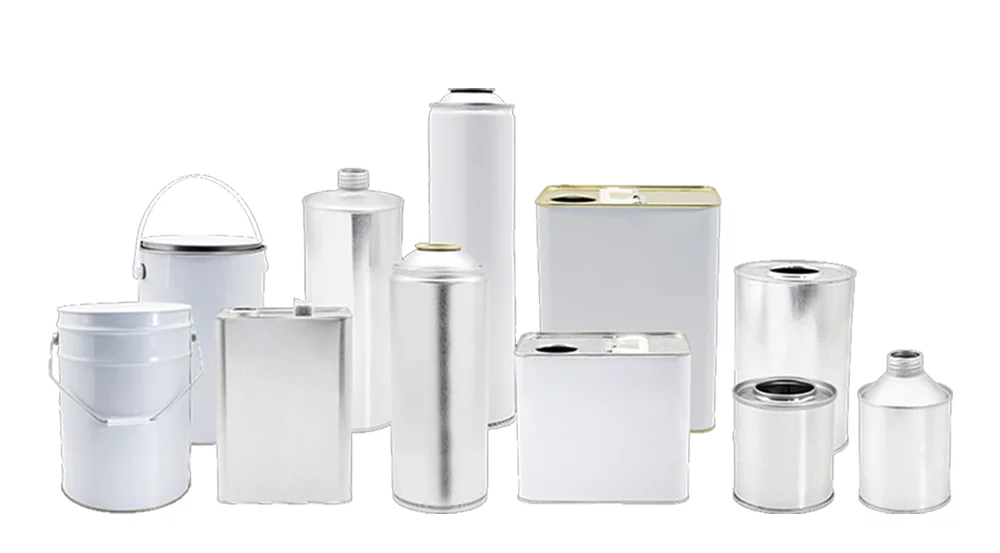
Explore FANXUN’s highly customizable aerosol cans から作られた 100% recyclable tinplate and aluminum to find the perfect match for your next project.
From Leak Testing to Valve Delivery Rate: Quality Checks on Propellant Gas
あ pressurized can needs more than a secure seal. Reliable performance depends on consistent dispensing and verified pressure safety.
Key 品質管理 checks include:
- リークテスト: Detects escaping propellant around seams, バルブ, そしてシール.
- 圧力試験: Confirms container performance against applicable 安全規格 要件.
- Valve delivery rate: Measures the amount of product released over a specified time.
- スプレーパターン解析: Checks how the エアロゾルアクチュエーター distributes droplets.
安定した 流量 helps maintain predictable coverage throughout use.
Through careful testing and material selection, FANXUN supports safer, more consistent aerosol packaging performance.
3 Key Gases in Pressurized Cans Revealed
毎 pressurized can depends on its propellant for safe storage and consistent spraying. Liquefied petroleum gas, 圧縮空気, and dimethyl ether each behave differently under pressure. Understanding these differences helps manufacturers select safer materials, improve spray performance, and meet industry safety requirements.

液化石油ガス: Burst Pressure Test and Corrosion Resistance
Liquefied petroleum gas (LPG) combines propane and butane to deliver reliable aerosol pressure. Propane produces higher vapor pressure, while butane helps moderate it.
Key safety considerations include:
- Pressure performance
- Propane-rich mixtures create higher internal pressure.
- Temperature increases can significantly raise vapor pressure.
- Container safety
- バースト圧力 testing checks the maximum pressure a container withstands before failure.
- 耐食性 protects against rust and chemical damage.
- Material reliability
- Metal durability supports long-term storage.
- Container integrity depends on proper seams, コーティング, and valve seals.
なぜなら LPG is highly flammable, 毎 pressurized can requires appropriate 安全性試験 and pressure-resistant construction.
圧縮空気: ISO 9001 Standards and FEA Analysis
圧縮空気 offers a nonflammable alternative for aerosol products, particularly when avoiding combustible propellants matters.
Unlike liquefied gases, compressed air loses pressure as the container empties. This can affect spray consistency.
Manufacturers address these challenges through several engineering practices:
- ISO 9001: Establishes a recognized quality standard for consistent manufacturing processes.
- FEA analysis: 用途 finite element analysis to predict deformation and stress under pressure.
- Structural simulation: Identifies potential weaknesses before physical testing.
- Pneumatic pressure: Determines spray strength and delivery consistency.
うまく設計された pressurized can must maintain acceptable deformation limits throughout its operating pressure range.
ジメチルエーテル: Pressure Filling, Spray Pattern Analysis, and UN Hazardous Rating
ジメチルエーテル (DME) works as both an エアロゾル推進剤 そして溶剤, making it useful in products requiring effective ingredient mixing.
Its performance depends on three important factors:
- Pressure filling: Controlled filling maintains the correct propellant concentration and internal pressure.
- スプレーパターン: Nozzle design and formulation influence droplet distribution, スプレー範囲, and product delivery.
- 材料の適合性: DME can interact with certain plastics, ゴムシール, およびコーティング, requiring careful testing.
For transportation, flammable aerosol products commonly fall under そして 1950, エアロゾル, with the applicable hazard classification determined by product characteristics and transport regulations.
ちゃんとした UN hazardous rating verification helps ensure each pressurized can meets relevant shipping safety requirements.
Compressed Nitrogen Vs. CO₂ in Cans

Choosing between compressed nitrogen and CO₂ affects how a pressurized can 実行します, from spray consistency to product stability. Both gases are nonflammable, but their different chemical properties make each better suited to particular formulations and dispensing needs.
Compressed Nitrogen
Compressed nitrogen is an 不活性ガス that rarely reacts with ingredients under normal storage conditions. This makes it a solid choice for sensitive formulas where chemical stability matters.
Its main advantages include:
- Chemical stability and safety
- Nitrogen is nonflammable and generally compatible with many formulations.
- 食品グレード nitrogen is commonly used in food packaging and beverage dispensing.
- Pressure and dispensing performance
- 効果的 圧力調整 helps maintain predictable spray performance.
- Unlike liquefied propellants, 窒素 pressure drops as gas leaves the pressurized can.
- Proper valve selection helps control dispensing.
- Limited product interaction
- Nitrogen has relatively low solubility in water, reducing unwanted dissolved gas.
- で stout beer, nitrogen helps create small bubbles and a smooth texture.
エアロゾル用途向け, nitrogen works particularly well when maintaining formulation quality matters more than constant pressure.
CO₂
二酸化炭素 is another nonflammable propellant, but its behavior differs significantly from nitrogen.
CO₂ dissolves more readily in water, 生産 carbonic acid that can lower product pH. This acidity may affect sensitive ingredients or packaging materials.
で ソフトドリンク そして sparkling water, 制御された carbonation creates the familiar effervescence consumers enjoy.
The following physical properties explain some key differences:
| 財産 | 窒素 | CO₂ |
|---|---|---|
| Molecular weight (g/mol) | 28.01 | 44.01 |
| Critical temperature (℃) | -147.0 | 31.0 |
| Critical pressure (バー) | 33.98 | 73.77 |
| Normal boiling point (℃) | -195.8 | -78.5* |
| Gas density at 20°C, 1 atm (kg/m³) | 1.17 | 1.83 |
CO₂ sublimes at −78.5°C under atmospheric pressure.
CO₂ can provide useful ガス圧 で pressurized can, particularly when liquid CO₂ is present.
しかし, dissolved CO₂ may change product chemistry. Material compatibility testing is therefore essential.
For a pressurized can containing sensitive aqueous ingredients, nitrogen often offers better chemical stability, while CO₂ suits applications requiring carbonation or specific dispensing characteristics.
結局のところ, selecting the right gas for a pressurized can depends on formulation compatibility, operating pressure, and desired spray performance.
シナリオ: Industrial Coating—Butane Benefits
Industrial coatings need dependable packaging to deliver smooth application, 安全な取り扱い, and consistent performance. A well-made pressurized can combines precise metal forming, reliable valves, そして制御された butane propellant プレッシャー. FANXUN supports these manufacturing priorities through practical container solutions designed for industrial coating applications.
Optimizing Deep Drawing & Aerosol Crimping with Butane Propellant
Producing a dependable pressurized can starts with accurate metal forming. Every manufacturing detail affects coating performance and container safety.
- Container forming and pressure control
- 深絞り加工 shapes metal sheets into seamless container bodies, reducing potential leakage points.
- Necking creates the opening needed for valve installation while maintaining consistent dimensions.
- 適切な 金属製の容器 materials and wall thicknesses provide the required 圧力抵抗.
- Valve installation and sealing performance
- Aerosol crimping mechanically secures the valve mounting cup to the container opening.
- Correct crimp dimensions and gasket compression protect シールの完全性 against internal pressure.
- Controlled filling ensures the butane propellant delivers consistent spray performance.
A carefully managed 製造プロセス helps prevent leaks, 不均一なスプレー, and premature container failure.
Ensuring ADR Compliance and DOT-2Q Specification in Coating Lines
Safe distribution requires more than a strong pressurized can. Manufacturers must verify applicable 安全基準 before products enter commercial markets.
Key compliance considerations include:
- ADRコンプライアンス: European road transport rules establish packaging, ラベリング, and handling requirements for dangerous goods.
- DOT-2Q specification: Where applicable, this specification addresses construction and testing requirements for certain nonrefillable aerosol containers.
- 危険物 分類: Butane-containing aerosols commonly fall under UN 1950, AEROSOLS, with classification determined by product characteristics.
- 圧力試験: Applicable leak, プレッシャー, and production tests help verify container safety.
それぞれ regulatory requirement depends on the product formulation, 容器のデザイン, and destination market. Equipment used in 塗装ライン must also accommodate the hazards associated with flammable propellants.
供給の信頼性, リードタイム, and Logistics Packaging for Butane Cans
信頼性のある ブタン缶 keep coating operations running without costly interruptions.
- Supply reliability: Confirm production capacity, quality controls, and backup manufacturing arrangements.
- リードタイム: Coordinate material purchasing, batch scheduling, 充填, and delivery dates.
- Logistics packaging: Use suitable cartons, protective arrangements, and required dangerous-goods markings.
- 輸送の安全: Follow applicable shipping rules for aerosol products.
- 配信ネットワーク: Maintain dependable freight partners and realistic inventory buffers.
- Storage condition: Keep containers away from excessive heat, ignition sources, and physical damage.
FANXUNさん pressurized can solutions can support buyers seeking consistent packaging specifications and predictable ordering schedules.
Careful supplier coordination helps maintain a steady pressurized can inventory while reducing delivery disruptions across industrial coating operations.
信頼できるパートナーが必要です? With a 1-day solution proposal, automated leakage testing, and MOQs starting at just 3,000 個, FANXUN is equipped to support your bulk manufacturing needs. Learn more about our OEM packaging customization here.
4 Gas Properties Guiding OEM Purchases
Choosing the right propellant for a pressurized can involves more than checking gas prices. 圧力の安定性, safety approvals, カスタマイズオプション, and factory performance all influence purchasing decisions. A reliable canister supplier should deliver high-quality containers, compatible valves, and predictable shipments without creating extra headaches for production teams or distributors.
Pressure Consistency: Deformation Threshold and Burst Pressure Test
Gas pressure changes with temperature, 作る 内圧 a major concern for aerosol manufacturers.
Key performance checks include:
- 圧力の安定性
- Evaluate vapor pressure across expected storage temperatures.
- ことを確認します。 deformation threshold stays above normal operating pressure.
- Container durability
- Conduct a burst pressure test to assess maximum pressure resistance.
- 診る 構造的完全性 and potential metal fatigue.
あらゆる人にとって pressurized can, matching propellant pressure with container strength helps maintain コンテナの安全性 throughout its intended service life.
Safety Credentials: ADR Compliance and UN Hazardous Material Rating
International aerosol shipments require proper dangerous goods classification とドキュメント.
Two considerations deserve attention:
- Transport approval
- 確認する ADRコンプライアンス for applicable European road shipments.
- Confirm the appropriate UN hazardous material rating and shipping description.
- Regulatory documentation
- Review flammability testing and applicable safety certification.
- ラベルを確認してください, registration obligations, and destination-specific 輸送規制.
ちゃんとした shipping compliance keeps aerosol products moving while reducing customs delays.
Custom Tooling & Private Labeling for Aerosol Packaging
OEM packaging customization starts with evaluating your propellant gas formulations.
- Packaging development
- Match canister specifications and inner coatings to your specific gas composition そして aerosol blend.
- テスト バルブの互換性 and actuator performance to ensure optimal dispensing.
- Product customization
- Develop カスタムツール for specialized containers.
- 座標 プライベートラベル そして パッケージデザイン.
A tailored pressurized container should deliver consistent spray performance without compromising safety.
バッチ生産, Factory Audit, and Supply Reliability Considerations
Reliable suppliers need more than competitive quotations.
その間 supplier evaluation, buyers should examine:
- Manufacturing quality
- ISO 9001 certification and documented 品質管理 手順.
- バッチ生産 records and relevant 製造基準.
- Operational reliability
- Factory audit findings and available 生産能力.
- 安定した リードタイム, logistics arrangements, and backup supply options.
強い supply reliability helps manufacturers avoid production interruptions and maintain consistent aerosol product quality.
Ready to upgrade your chemical and aerosol packaging?
以上で 30 長年にわたる専門知識, 100% automated quality testing, and global shipping to over 80 国, FANXUN delivers premium, ISO-certified tin and aluminum cans tailored to your needs.
今すぐFANXUNに連絡してください to get your 1-day solution proposal and request a free sample!
参考文献
- epoxy resin interior coating – sihaipack.com
- compressed nitrogen – salvalco.com
- バースト圧力 – globalaerosols.com
- LPG is highly flammable – gascorp.com.au
- ISO 9001 – ideagen.com
- FEA analysis – pveng.com
- ジメチルエーテル (DME) – mgc.co.jp
- そして 1950 – dginspector.com
- pressure drops as gas leaves – bude.com
- dissolved CO₂ may change product chemistry – soramachine.com
- butane propellant – hydrokem.co.uk
- ADRコンプライアンス – bewlake.com
- DOT-2Q specification – aluminumrock.com
- ISO 9001 – ilerspray.com