
 日本語
日本語 English
 العربية
 Bosanski jezik
 Čeština
 Dansk
Dansk Nederlands
 Wikang Filipino
 Suomi
Suomi Français
 Deutsch
 Magyar
 Íslenska
 Bahasa Indonesia
 Italiano
 한국어
한국어 Bahasa Melayu
 Polski
 Português
 Русский
 Cрпски језик
 Español
 ภาษาไทย
 Türkçe
 Tiếng Việt
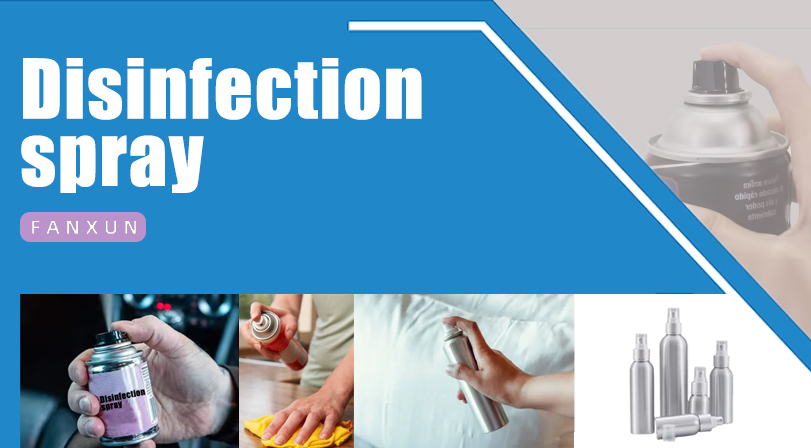
導入: The Ubiquitous Can of Clean
In an era increasingly conscious of hygiene and germ transmission, 消毒剤製品は家庭の必需品になりました, オフィス, そして公共スペース. さまざまな形態の中で – ジェル, ワイプ, 液体 – エアゾールスプレー消毒剤は独自の地位を占めています. 利便性と幅広い用途を提供, these cans promise a quick way to tackle invisible threats on surfaces and sometimes even in the air.
But what exactly is inside that pressurized can? How effective are these sprays, 本当に? Are they safe to use freely, and what impact do they have on our health and the environment? The satisfying psssht of an aerosol might feel reassuring, but understanding the science, 安全性, and limitations behind these products is crucial for using them responsibly and effectively.
This comprehensive guide aims to demystify sanitizer aerosol sprays. We will delve into their composition, mechanism of action, effectiveness against pathogens, proper usage guidelines, critical safety considerations, 環境への影響, and how they stack up against other sanitizing methods. Whether you’re a concerned homeowner, an office manager, or simply curious about the products shaping our hygiene practices, this article will provide everything you need to know.
Deconstructing the Aerosol – What Are Sanitizer Sprays?
その中心に, an aerosol spray is a product dispensed from a pressurized container as a fine mist or foam. A sanitizer aerosol spray specifically contains active ingredients designed to reduce the number of microorganisms (細菌, ウイルス, fungi) on a surface to levels considered safe by public health standards.
Key Components of a Sanitizer Aerosol Spray:
-
有効成分(s): This is the chemical agent responsible for killing or inactivating germs. 一般的な例としては、次のようなものがあります。:
- エタノール (Ethyl Alcohol) or Isopropanol (Isopropyl Alcohol): Typically used at concentrations of 60-95%. Effective against a broad range of bacteria, fungi, and enveloped viruses (like influenza and coronaviruses).
- Quaternary Ammonium Compounds (Quats or QACs): Such as Benzalkonium Chloride. Effective against many bacteria, some viruses, and fungi. Often used in alcohol-free formulations or combined with alcohol. They can leave a residual antimicrobial effect.
- Hydrogen Peroxide: Breaks down into water and oxygen, effective against a wide range of microbes, though potentially corrosive or bleaching at high concentrations.
- Phenolic Compounds: Older disinfectants, less common now due to potential toxicity and environmental concerns.
- Hypochlorous Acid: A gentle but effective sanitizer, sometimes used in specialized sprays.
-
推進剤: This is a gas or liquefied gas that creates the pressure inside the can to expel the product. 歴史的に, フロン類 (フロン類) were used but were phased out due to their devastating effect on the ozone layer. Common propellants today include:
- 炭化水素: プロパン, ブタン, イソブタン. 非常に可燃性.
- 圧縮ガス: 窒素, 二酸化炭素, 圧縮空気. Less common in typical sanitizer sprays, often result in a coarser spray.
- フルオロカーボン (HFCS): Less ozone-depleting than CFCs but are potent greenhouse gases. Their use is also being phased down globally.
- ジメチルエーテル (DME): An organic compound often used as an aerosol propellant.
-
溶剤: Usually water and/or alcohol (which can double as an active ingredient), used to dissolve the active ingredients and other components.
-
Other Ingredients (添加剤):
- フレグランス: To mask chemical odors or provide a pleasant scent (can be irritants for some people).
- 腐食防止剤: To protect the metal can.
- Emulsifiers/Surfactants: To keep the formulation stable.
- Bitterness Agents: Sometimes added to discourage ingestion, especially in alcohol-based products.
The Aerosol Mechanism:
密封された缶の中には, 製品 (有効成分, 溶媒, 添加物) exists in equilibrium with the propellant, which is partly liquid and partly gas under pressure. When the nozzle actuator is pressed, それはバルブを開きます. The internal pressure forces the liquid product and dissolved/liquefied propellant up a dip tube and out through the nozzle. 混合物がノズルから出るとき, the liquefied propellant rapidly vaporizes, breaking the liquid product into fine droplets – the aerosol mist.
The Science of Sanitizing – How Do They Work?
Understanding how sanitizer sprays work requires clarity on key terms and the mechanisms involved.
Cleaning vs. Sanitizing vs. Disinfecting:
These terms are often used interchangeably, but they have distinct meanings defined by regulatory bodies like the US Environmental Protection Agency (EPA) or the European Chemicals Agency (ECHA):
- クリーニング: Removes dirt, デブリ, そして いくつかの germs from surfaces, usually using soap or detergent and water. It doesn’t necessarily kill germs but lowers their numbers and the risk of spreading infection. Cleaning is often a crucial first step before sanitizing or disinfecting.
- Sanitizing: Lowers the number of germs on surfaces or objects to a safe level, as judged by public health standards or requirements. This process 1 is meant to reduce the risk of infection. Sanitizers typically must kill 99.9% of specific test bacteria within a set time (例えば。, 30 秒).
- Disinfecting: Kills nearly all germs (細菌, ウイルス, fungi) on surfaces or objects. Disinfectants use chemicals to kill germs and must typically demonstrate efficacy against a broader range of organisms, often requiring a kill rate of 99.999% for specific pathogens within a longer contact time (例えば。, 5-10 分). Disinfectants are usually registered with regulatory agencies (like EPA registration in the US) and make specific kill claims against viruses and bacteria.
Many aerosol products marketed as “sanitizers” might actually meet disinfectant standards and carry an EPA registration number (米国で) or equivalent authorization elsewhere. Always read the label to understand the product’s specific claims and capabilities.
Mechanism of Action (How Germs are Killed):
The active ingredients in sanitizer sprays work in different ways to neutralize pathogens:
- Alcohols (エタノール, イソプロパノール): Primarily work by denaturing proteins essential for microbial life and dissolving lipid membranes that surround many bacteria and enveloped viruses. They need water to be effective, which is why concentrations around 70% are often more effective than 99-100% アルコール. They act quickly but evaporate fast, meaning the required contact time might be short but must be met while the surface is visibly wet.
- Quaternary Ammonium Compounds (Quats): Disrupt cell membranes, leading to leakage of cellular contents. They are cationic (positively charged) surfactants that bind to the negatively charged microbial cell surface. Quats have residual activity (they can remain effective for some time after drying) but can be less effective against non-enveloped viruses (like norovirus) and spores. Some bacteria can develop resistance to Quats.
- Hydrogen Peroxide: Works through oxidation, producing destructive hydroxyl free radicals that attack membrane lipids, DNA, and other essential cell components. Effective against a broad spectrum of microbes, including spores at higher concentrations.
- Hypochlorous Acid (HOCl): A weak acid naturally produced by human immune cells. It works through oxidation and chlorination of microbial components. It’s potent against bacteria, ウイルス, and fungi but is less stable than other disinfectants.
The Critical Role of Dwell Time (Contact Time):
This is perhaps the most crucial factor in determining effectiveness, まだ見落とされがちな. Dwell time is the amount of time the sanitizer must remain visibly wet on the surface to achieve the claimed germ-kill rate.
- Simply spraying and immediately wiping a surface dry negates the sanitizing action.
- Different products and different target organisms require different dwell times – typically ranging from 30 seconds to 10 分.
- Always check the product label for the specific dwell time required for sanitizing or disinfecting claims. Ensure the surface stays wet for that entire duration. Reapplication might be necessary on surfaces that dry quickly.
Types of Sanitizer Aerosols – Surface Sprays vs. Air Sanitizers
Sanitizer aerosols generally fall into two main categories based on their intended use:
-
Surface Sanitizers/Disinfectants:
- 目的: Designed to kill germs on inanimate hard, 非多孔質表面 (例えば。, countertops, doorknobs, light switches, toilet seats).
- 定式化: Often contain higher concentrations of active ingredients like alcohol or Quats, designed to meet specific efficacy standards for surface disinfection. May carry regulatory registration numbers (例えば。, EPA Reg. No.).
- 使用法: Sprayed directly onto the surface from a specified distance, left wet for the required dwell time, and sometimes require wiping or rinsing afterwards (especially on food-contact surfaces).
- 効果: Generally well-established for listed pathogens 正しく使用する場合.
-
Air Sanitizers / Deodorizers with Sanitizing Action:
- 目的: Claim to reduce airborne bacteria or eliminate odor-causing bacteria in the air. Often marketed more for odor control with a secondary sanitizing claim.
- 定式化: May contain lower concentrations of active ingredients, glycols (like triethylene glycol), またはフレグランス.
- 使用法: Sprayed into the air, usually towards the center of the room.
- 効果: Highly Debated and Often Limited. While they might temporarily reduce the number of some bacteria suspended near the spray zone, they are generally not effective at disinfecting room air or preventing the spread of airborne diseases (like colds, flu, or COVID-19). Air currents, 部屋の広さ, 換気, and the rapid settling of droplets limit their impact. Relying on these sprays for air purification is generally not recommended by public health experts. Ventilation and air filtration are far more effective strategies for improving indoor air quality.
Alcohol-Based vs. アルコールフリー:
- Alcohol-Based:
- 長所: Broad-spectrum efficacy (細菌, fungi, enveloped viruses), fast-acting, evaporates quickly without residue.
- 短所: 非常に可燃性, can dry out or damage certain surfaces (木材仕上げ, some plastics, ゴム), 強い臭い, potential inhalation risk in poorly ventilated areas.
- アルコールフリー (Often Quat-Based):
- 長所: 炎症性, less damaging to some surfaces, may have residual antimicrobial effect, often less odor.
- 短所: May be less effective against non-enveloped viruses, slower acting than alcohol, can leave residues that attract dirt, potential for microbial resistance, some individuals may have skin sensitivities to Quats, concerns about potential health effects with long-term exposure.
Effectiveness – What Do They Really Kill, and When?
Sanitizer aerosol labels often boast claims like “Kills 99.9% of Germs/Bacteria/Viruses.” It’s important to understand what this means:
- Specific Organisms: The “99.9%” claim usually applies only to specific bacteria or viruses tested in laboratory settings (例えば。, Staphylococcus aureus, Salmonella enterica, Influenza A virus, Human Coronavirus). The product might not be effective against 全て germs. Check the label for the list of targeted organisms.
- Laboratory vs. Real World: Lab conditions involve controlled application on clean surfaces. Real-world effectiveness can be lower due to factors like surface dirt, 不均一な塗布, and failure to meet dwell time.
- Viruses: Effectiveness varies significantly. Alcohol-based sanitizers are generally good against enveloped ウイルス (like flu, coronaviruses, HIV) because alcohol dissolves their outer fatty layer. They are often less effective against non-enveloped ウイルス (like norovirus, rotavirus, poliovirus, Hepatitis A), which are hardier. Some disinfectant sprays using other active ingredients may have better efficacy against non-enveloped viruses – check the label claims.
- Bacteria: Most broad-spectrum surface sanitizers are effective against common bacteria. しかし, they are generally ない effective against bacterial spores (のように Clostridium difficile), which require specialized sporicidal disinfectants and often mechanical cleaning.
- Fungi: Many sprays claim effectiveness against common fungi like Aspergillus niger (型) または Trichophyton mentagrophytes (athlete’s foot fungus), but again, dwell time is crucial.
Factors Affecting Effectiveness:
- Presence of Dirt and Organic Matter: Sanitizers work best on clean surfaces. ダート, 汚れ, 血, or other organic matter can shield germs or react with and neutralize the active ingredient. Always clean visibly soiled surfaces before sanitizing.
- Dwell Time: As emphasized before, the surface must stay wet for the time specified on the label.
- 表面の種類: Sanitizers are typically tested on hard, 非多孔質表面. Porous surfaces (ファブリック, untreated wood, カーペット) are difficult to sanitize effectively with sprays as the liquid gets absorbed quickly, preventing adequate dwell time and potentially trapping moisture, which could encourage microbial growth. Some sprays are specifically labeled for soft surfaces – follow their instructions carefully.
- Concentration of Active Ingredient: Must be within the effective range.
- 応用: Uneven spraying can leave untreated patches where germs survive. Ensure complete coverage.
- 温度と湿度: Can affect evaporation rates and thus dwell time.
How to Use Sanitizer Aerosol Sprays Correctly and Safely
Incorrect use can render the product ineffective and increase safety risks. 次の手順に従ってください:
- Read the Label First! これが最も重要です. Understand the product’s intended use (surface vs. 空気), specific kill claims, required dwell time, directions for use, and all safety warnings. Note any required personal protective equipment (PPE) 手袋のように.
- 表面をきれいにする: If the surface is visibly dirty, clean it first with soap/detergent and water or an appropriate cleaner, then rinse and dry.
- 良好な換気を確保する: Use sprays only in well-ventilated areas. 窓やドアを開けてください, or turn on an exhaust fan, especially when using large amounts or in small spaces. This minimizes inhalation exposure.
- 缶をシェイク (指示された場合): Some formulations require shaking to mix the ingredients properly.
- Hold the Can Correctly: Usually held upright, 6-8 インチ (15-20 cm) 表面から離れたところ, unless the label specifies otherwise.
- Spray Thoroughly: Spray until the surface is visibly wet. Ensure complete coverage of the area you intend to sanitize. Do not oversaturate, especially near electronics.
- Respect the Dwell Time: Leave the spray undisturbed on the surface for the full contact time stated on the label (例えば。, 30 秒, 5 分, 10 分). The surface must remain wet during this period. Reapply if it dries too quickly.
- 拭くか洗い流すか (If Required): ラベルを確認してください.
- Food-Contact Surfaces: Surfaces like countertops, cutting boards (if non-porous), high chairs, 等, しなければならない typically be rinsed thoroughly with potable water after the dwell time before they are used for food preparation or contact.
- Non-Food Contact Surfaces: いつもの, no rinsing or wiping is needed unless the label specifies or if residue is undesirable. Some Quat-based products might leave a sticky residue.
- エレクトロニクス: Never spray directly onto electronics. Lightly spray a cloth first, then wipe the surface (if manufacturer instructions allow). Ensure the device is off and unplugged. Avoid getting moisture into openings.
- Wash Hands: Wash your hands after using chemical sanitizers.
- 安全に保管する: Store the can according to label instructions – typically in a cool, dry place away from heat, 火花, 開いた炎, そして直射日光. 子供やペットの手の届かないところに保管してください.
Where NOT to Use Sanitizer Aerosol Sprays:
- On People or Pets: These are for inanimate surfaces or air (if specified), not living beings. They can cause skin, 目, and respiratory irritation. Use hand sanitizers for hands.
- Directly on Food: Never spray on or near food.
- Directly on Electronics, Electrical Outlets, or Switches: Risk of damage and electric shock.
- Untreated Wood, Fabrics, Porous Materials (Unless Specifically Labeled For It): May not be effective and could damage the material or cause staining. Test in an inconspicuous area first if unsure.
- As a Replacement for Regular Cleaning: Sanitizers don’t remove dirt. Cleaning is still essential.
- As a Substitute for Handwashing: Handwashing with soap and water is the best way to clean hands. Use hand sanitizers only when soap and water aren’t available. Surface sprays are not hand sanitizers.
- Near Open Flames, Pilot Lights, スパークス, or High Heat: エアロゾル, especially alcohol-based ones with hydrocarbon propellants, are extremely flammable.
- In Poorly Ventilated Areas: Risk of inhaling harmful vapors.
Safety Concerns and Precautions – The Risks Behind the Convenience
便利でありながら, aerosol sanitizers carry significant safety risks if mishandled.
-
可燃性:
- リスク: Many sanitizer sprays contain flammable ingredients (アルコール) and flammable propellants (プロパンなどの炭化水素, ブタン). The fine mist can easily ignite.
- Precautions: NEVER use or store near heat sources, 開いた炎 (キャンドル, ストーブ, lighters), 火花 (静電気も含めて), パイロットライト, または喫煙中. Allow sprayed surfaces to dry completely before using nearby electrical devices or creating sparks.
-
吸入リスク:
- リスク: Aerosolized chemicals and propellants can be inhaled, potentially irritating the respiratory tract. 揮発性有機化合物 (VOC) released can contribute to indoor air pollution and may trigger asthma attacks or other respiratory problems in sensitive individuals. Intentional misuse (inhalant abuse) 非常に危険であり、死に至る可能性があります. Long-term health effects of chronic low-level exposure to some ingredients (like certain Quats) are still being studied.
- Precautions: Always use in well-ventilated areas. Avoid spraying large amounts in confined spaces. Do not spray towards your face or inhale the mist deliberately. People with asthma or other respiratory conditions should be particularly cautious or avoid using these products.
-
Skin and Eye Contact:
- リスク: Direct contact can cause skin irritation, dryness, or allergic reactions. Splashing into the eyes can cause significant irritation or injury.
- Precautions: Avoid spraying on skin. 接触が起こった場合, wash skin thoroughly with soap and water. If sprayed in the eyes, immediately flush with plenty of water for 15-20 minutes and seek medical attention if irritation persists. Consider wearing gloves, especially for prolonged use or if you have sensitive skin.
-
Ingestion:
- リスク: Swallowing the product is dangerous due to alcohol and other chemical content.
- Precautions: 子供やペットの手の届かないところに保管してください. Store securely. Do not spray near food or drinks. If swallowed, seek immediate medical attention or contact a poison control center. Do not induce vomiting unless told to do so by medical professionals.
-
Risks to Children and Pets:
- リスク: Children and pets are more vulnerable due to their size, tendency to put objects in their mouths, and closer proximity to sprayed floors/surfaces. Inhalation and skin contact risks are heightened.
- Precautions: Keep products locked away. Use when children and pets are not present in the room. Ensure surfaces are completely dry (そして洗い流した, 必要に応じて) before allowing contact. Ventilate the area well. Never spray directly on pets or their bedding/toys.
Environmental Impact – The Hidden Costs of Aerosol Sprays
The convenience of aerosol sanitizers comes with environmental downsides:
- 揮発性有機化合物 (VOC): Alcohols, フレグランス, and some propellants are VOCs. These contribute to the formation of ground-level ozone (スモッグ), which is harmful to human health and ecosystems. Indoor VOC levels can spike significantly after using aerosol sprays.
- Propellants and Climate Change: オゾン層を破壊するCFCがなくなる一方で、, current propellants like hydrocarbons and HFCs contribute to climate change. Hydrocarbons are VOCs, and HFCs are potent greenhouse gases (though being phased down). Even compressed gases have an energy footprint associated with their compression.
- 廃棄物の発生: Aerosol cans are typically made of mixed materials (steel or aluminum body, plastic valve/actuator, residual product, 推進剤), making them difficult to recycle. Many recycling programs do not accept them, or require them to be completely empty (which is hard to ensure with pressurized contents). They often end up in landfills.
- Chemical Runoff: When surfaces are rinsed after sanitizing, the chemicals enter the wastewater system. While wastewater treatment plants remove many contaminants, some chemicals (like Quats) can persist and potentially harm aquatic life or contribute to antimicrobial resistance in the environment.
Seeking Greener Alternatives:
Consider reusable spray bottles with concentrated disinfectant solutions (following dilution instructions carefully), disinfectant wipes (though they also generate waste), or prioritizing basic cleaning with soap and water where appropriate. Steam cleaners can also sanitize surfaces using just heat and water.
Aerosol Sprays vs. Other Sanitizing Methods – Pros and Cons
How do aerosol sprays compare to other options?
-
Aerosol Sprays:
- 長所: 便利, quick application over large areas, good coverage on uneven surfaces, no direct contact with chemicals during application (いつもの).
- 短所: Flammability risk, inhalation risk (VOC, 推進剤), potential for overspray, environmental concerns (VOC, 推進ガス, can disposal), difficult to control application precisely, may not be suitable for all surfaces, effectiveness highly dependent on correct dwell time and pre-cleaning.
-
Sanitizing/Disinfecting Wipes:
- 長所: 便利, ポータブル, disposable, controlled application to specific areas, less inhalation risk than sprays.
- 短所: Generate significant waste (often plastic packaging and non-biodegradable wipe material), can be expensive, may dry out quickly (failing dwell time), effectiveness depends on sufficient wetness and contact time, may just spread germs if used on large or very dirty areas.
-
Liquid Sanitizers/Disinfectants (in trigger spray or pour bottles):
- 長所: Often more economical (especially concentrates), allows for more controlled application (例えば。, spraying onto a cloth first), refillable options reduce packaging waste, often wider range of formulations available.
- 短所: Less convenient for quick, broad application than aerosols, requires manual wiping/spreading, potential for spills, still involves chemical exposure (skin contact, some inhalation risk depending on spray mechanism).
-
Hand Sanitizer Gels/Liquids:
- 長所: Specifically formulated for skin, portable for personal hygiene.
- 短所: NOT for surfaces. Less effective if hands are visibly dirty. Can cause skin dryness.
-
Soap and Water:
- 長所: Best method for cleaning hands (removes dirt and germs). Effective for cleaning surfaces (removes dirt and germs). すぐに利用可能, 安価な, low environmental impact.
- 短所: Requires water access, takes more time than sanitizers, doesn’t necessarily kill all germs on surfaces (primarily removes them).
-
UV-C Light Sanitizers:
- 長所: Chemical-free, kills a broad range of microbes (including spores and non-enveloped viruses).
- 短所: Requires direct line-of-sight (doesn’t work in shadows), effectiveness depends on intensity and duration of exposure, potential eye and skin damage from direct exposure, effectiveness on surfaces can be variable, some consumer devices may lack proven efficacy.
規則, Label Reading, and Choosing the Right Product
Navigating the market requires understanding labels and regulations.
- 規制の監視: In the US, surface disinfectants fall under the purview of the EPA under FIFRA (Federal Insecticide, Fungicide, and Rodenticide Act). They must be registered and display an EPA registration number on the label. Claims made must be supported by efficacy data. Air sanitizers may have different regulatory pathways. In the EU/UK, biocidal products are regulated under the Biocidal Products Regulation (BPR). Always look for relevant registration or authorization information.
- Reading the Label is Non-Negotiable:
- 製品名 & 説明: What is it intended for (表面, 空気, specific surfaces)?
- 有効成分: Check the chemical name and concentration.
- EPA Reg. いいえ. (or equivalent): Indicates registration as a disinfectant (私たち).
- Kill Claims: Which specific bacteria and viruses does it kill?
- 使用上の注意: 申請方法, distance, pre-cleaning needs.
- Dwell Time: 致命的 – how long must the surface stay wet?
- 注意事項: Hazards (可燃性, eye/skin irritant), first aid instructions.
- 保管および廃棄の指示.
- Manufacturer Information.
- Choosing a Product:
- 目的: Do you need to sanitize/disinfect surfaces or are you looking for an air freshener?
- Target Pathogens: Does it cover the germs you are most concerned about (例えば。, specific viruses)?
- 表面適合性: Is it safe for the surfaces you intend to treat?
- Dwell Time: Is the required contact time practical for your situation?
- 安全性: Consider flammability, 換気の必要性, and sensitivities of household members (アレルギー, asthma, 子供たち, ペット).
- 材料: Do you prefer alcohol-based or alcohol-free? Scented or unscented?
Myths vs. 事実
- 神話: Spraying sanitizer in the air cleans or disinfects the room.
- 事実: Air sanitizers have very limited effect on airborne pathogens and do not replace ventilation or air filtration for improving air quality. Surface sprays are not designed for air treatment.
- 神話: Sanitizer sprays kill germs instantly on contact.
- 事実: All sanitizers and disinfectants require a specific dwell time (surface must remain wet) to be effective. Instant action is rare.
- 神話: If it smells “クリーン” or like alcohol, it’s working.
- 事実: Scent does not equal efficacy. Proper application and dwell time determine effectiveness, not the smell. Fragrances can also be irritants.
- 神話: Sanitizer sprays can replace regular cleaning.
- 事実: Sanitizers work best on clean surfaces. They don’t remove dirt or grime. Regular cleaning is essential.
- 神話: Aerosol sanitizers are completely safe to use anywhere, anytime.
- 事実: They carry significant risks (可燃性, 吸入, 刺激) and must be used according to directions in well-ventilated areas, 発火源から遠ざける, 子供たち, とペット.
The Role in Public Health and The Bigger Picture
Sanitizer aerosol sprays gained prominence, particularly during public health crises like the COVID-19 pandemic, as one tool in the arsenal against germ transmission. They offer a convenient way to treat high-touch surfaces that may harbor pathogens.
しかし, it’s crucial to maintain perspective. Surface transmission is only one route of infection. Many respiratory illnesses spread primarily through airborne droplets and aerosols. Over-reliance on surface disinfection while neglecting measures like ventilation, mask-wearing (when appropriate), handwashing, vaccination, and staying home when sick can create a false sense of security.
Effective hygiene involves a layered approach:
- Hand Hygiene: Frequent and proper handwashing with soap and water, or using alcohol-based hand sanitizer when soap and water aren’t available.
- Routine Cleaning: Regular cleaning of surfaces with soap/detergent and water to remove dirt and germs.
- Targeted Disinfection: Using registered disinfectants (including sprays, if appropriate) on high-touch surfaces, especially during illness outbreaks or when someone in the household is sick, always following label instructions.
- Respiratory Hygiene: Covering coughs and sneezes.
- 換気: Ensuring good airflow in indoor spaces.
- Vaccination: Staying up-to-date on recommended vaccines.
- Staying Home When Sick: Preventing spread to others.
Sanitizer sprays are a supplement to these foundational practices, not a replacement.
Future Trends
The sanitizer market continues to evolve:
- Greener Formulations: Research into more biodegradable active ingredients and less harmful solvents.
- Alternative Propellants: Wider adoption of compressed gases or novel propellant systems with lower environmental impact.
- 持続可能な包装: Development of more easily recyclable aerosol cans or alternative delivery systems (例えば。, reusable electrostatically charged sprayers).
- Smarter Sanitizers: Potential integration with sensors or indicators to confirm dwell time or coverage.
- Focus on Residual Effects: Products offering longer-lasting surface protection after application.
結論: Use Wisely and Responsibly
Sanitizer aerosol sprays offer undeniable convenience for quickly treating surfaces. When used correctly – respecting the label directions, ensuring proper ventilation, meeting the required dwell time, and understanding their limitations – they can be a useful part of a comprehensive hygiene strategy.
しかし, their ease of use should not overshadow the significant safety risks (可燃性, 吸入) 環境への懸念 (VOC, 推進剤, 無駄) associated with them. They are not a magic bullet against germs, nor are they a substitute for fundamental practices like handwashing and regular cleaning. Air sanitizing claims should be viewed with skepticism.
By understanding the science, acknowledging the risks, and employing these products judiciously and responsibly, we can harness their benefits without succumbing to a false sense of security or inadvertently causing harm to ourselves or the planet. Choose wisely, read the label meticulously, and always prioritize safety and foundational hygiene principles.



