
 Bahasa Indonesia
 English
 العربية
 Bosanski jezik
 Čeština
 Dansk
Dansk Nederlands
 Wikang Filipino
 Suomi
Suomi Français
 Deutsch
 Magyar
 Íslenska
 Italiano
 日本語
日本語 한국어
한국어 Bahasa Melayu
 Polski
 Português
 Русский
 Cрпски језик
 Español
 ภาษาไทย
 Türkçe
 Tiếng Việt
As someone who has dealt with the occasional cockroach in the kitchen, a mosquito buzzing around your bed at night, or a full-blown pest infestation, you’ve likely reached for an insecticide aerosol can. It’s fast, nyaman, and easy to use. But have you ever wondered how safe it really is? Or how it works? Or if that can sitting in your cabinet from last summer is still effective? Dalam panduan komprehensif ini, we’ll take a deep dive into everything you need to know about insecticide aerosols—from the science and history behind them to their safety, kadaluwarsa, and practical usage.
What is Insecticide Aerosol?
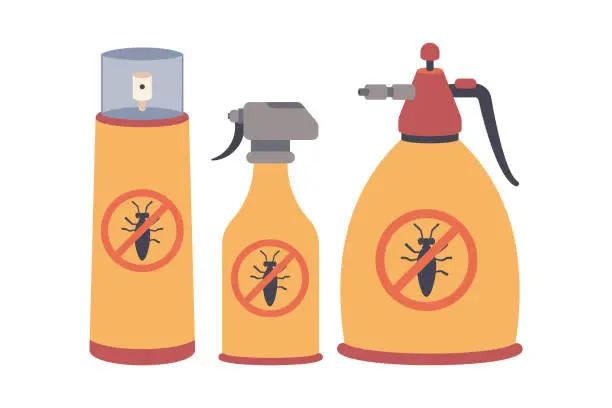
An insecticide aerosol is a pressurized canister filled with insect-killing chemicals that are released as a fine mist or spray when activated. The formulation typically includes:
-
Bahan Aktif: These are the actual insect-killing agents (misalnya, pyrethroids, organophosphates, carbamates).
-
Propelan: Gas (seperti propana, butana, atau CO₂) used to disperse the insecticide evenly.
-
Pelarut & Aditif: Help dissolve the active ingredient and enhance performance.
A Quick History of Insecticide Aerosols
Insecticides themselves go back thousands of years—think ancient Egyptians using oils and plant extracts to ward off bugs. But aerosolized insecticides are a 20th-century innovation.
-
1920s–30s: Early aerosol technology was pioneered, mostly for perfumes and medical sprays.
-
WWII Era: AS. military developed portable aerosol “bug bombs” using DDT to protect soldiers from malaria.
-
Post-War Boom: Aerosols hit consumer markets in the 1950s, evolving rapidly as new propellants and insecticides became available.
Why Use Insecticide Aerosols?
Dari sudut pandang pengguna, insecticide aerosols are one of the most versatile and effective pest control tools. Inilah alasannya:
-
Kenyamanan: Just point and spray—no need for complex setups.
-
Immediate Effect: Most kill insects on contact.
-
Portabel: Ideal for travel, camping, or small infestations.
-
Targeted Action: Spray directly where pests hide.
-
Keserbagunaan: Useful for flying insects, crawling bugs, and even occasional invaders like ants or silverfish.
Apakah Mereka Aman?
For Humans
Modern insecticide aerosols are generally safe when used as directed, but misuse can lead to problems:
-
Short-term Exposure: Eye or skin irritation, sakit kepala, nausea if inhaled in large quantities.
-
Long-term Exposure: Rare in household use, but improper, prolonged exposure to high levels could have neurological or respiratory effects.
Safety Tips for Users:
-
Baca Labelnya: Always follow manufacturer instructions.
-
Ventilasi: Gunakan di area yang berventilasi baik.
-
Avoid Skin Contact: Cuci tangan setelah digunakan.
-
Jauhkan dari Anak-anak dan Hewan Peliharaan.
-
Do Not Spray Near Food or Open Flames.
For the Environment
-
Senyawa Organik yang Mudah Menguap (VOC): Some sprays release VOCs, berkontribusi terhadap polusi udara.
-
Non-Target Species: Sprays can harm beneficial insects like bees or butterflies if used indiscriminately.
-
Pembuangan yang Benar: Don’t throw cans into a fire or puncture them. Many communities have aerosol disposal programs.
Does Insecticide Aerosol Expire?
Ya
Seperti kebanyakan produk kimia, insecticide aerosols do expire, typically after 2–3 tahun dari tanggal pembuatan. The expiration affects:
-
Kemanjuran: The active ingredients degrade over time.
-
Propellant Strength: Pressure may drop, making the spray weak or uneven.
-
Keamanan: Old cans might leak, karat, or malfunction.
Cara Memeriksa:
-
Date Code: Often printed on the bottom or side of the can.
-
Physical Clues: Rusty can, semprotan lemah, or odd smell? Toss it.
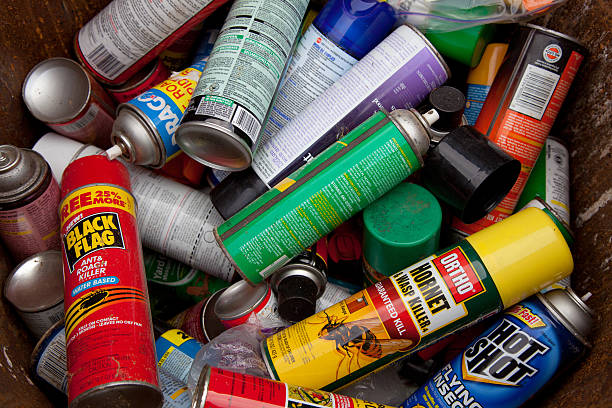
How to Use Insecticide Aerosol Properly
-
Identify the Pest: Know your enemy—mosquito, roach, ant?
-
Baca Labelnya: Know the target pests and safety instructions.
-
Persiapan: Close windows, cover food, and remove pets.
-
Aplikasi: Spray in short bursts toward affected areas.
-
Post-Use: Leave the room, ventilate afterward, and wash hands.
Common Types of Insecticide Aerosols
-
Flying Insect Spray: Targets mosquitoes, flies, and gnats.
-
Crawling Insect Spray: Formulated for cockroaches, ants, and spiders.
-
Wasp & Hornet Killer: Shoots a long-distance stream to keep users safe.
-
Insect Foggers (“Bug Bombs”): Treat entire rooms for larger infestations.
What Should Users Consider Before Buying?
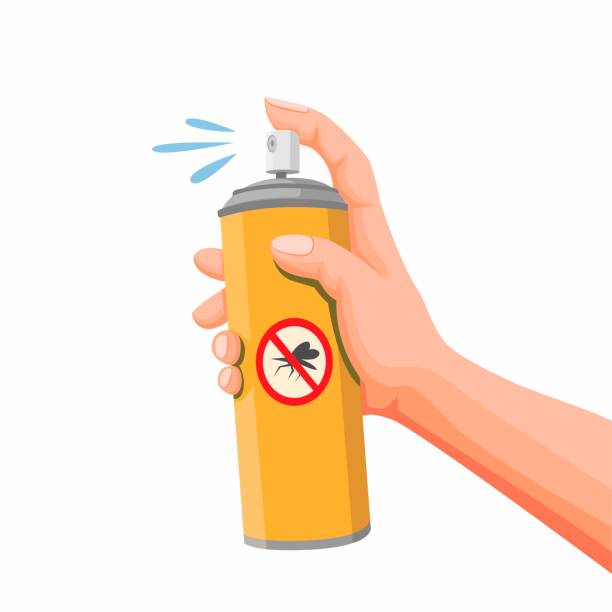
-
Type of Pest: Not all sprays work for every insect.
-
Dalam ruangan vs. Penggunaan di Luar Ruangan: Choose based on where you’ll use it.
-
Chemical Sensitivity: Consider non-toxic or plant-based formulas.
-
Bisa Ukuran: Bigger is not always better—match the size to your needs.
-
Reputasi Merek: Look for manufacturers with quality standards.
DIY vs. Professional Use
-
buatan sendiri: Great for light infestations or occasional intrusions.
-
Professional Pest Control: Better for severe or recurring problems.
Pertanyaan yang Sering Diajukan (FAQ)
1. Can I use insecticide aerosol near my baby or pet?
Only if the label explicitly says it’s safe—and even then, remove pets and babies from the room until the area is fully aired out.
2. Does it kill instantly?
Some pests die on contact; others take a few minutes to hours, tergantung formulasinya.
3. Can I use it on my skin or clothes?
Sama sekali tidak. Use insect repellent designed for human use.
4. Can I refill the can?
TIDAK. Aerosol cans are single-use and should not be refilled or modified.
5. What happens if I inhale too much?
Get fresh air immediately. If symptoms persist, mencari pertolongan medis.
6. What do I do if it gets on my skin or in my eyes?
Rinse thoroughly with water and consult a doctor if irritation continues.
7. What’s the difference between “natural” and “chemical” aerosols?
Natural sprays use plant-derived ingredients like pyrethrin; chemical ones use synthetic compounds. Natural doesn’t always mean less toxic—read the label.
8. Can I use it outside?
Ya, but choose one designed for outdoor use to resist wind and UV degradation.
9. Is it flammable?
Most are—especially those with butane or propane. Never spray near flames or lit cigarettes.
10. Can expired insecticide still kill bugs?
Mungkin, but much less effectively. It’s better to replace expired cans.
Future Trends in Insecticide Aerosols
-
Eco-Friendly Formulas: Reduced toxicity and biodegradable options.
-
Smarter Sprays: Trigger mechanisms for better targeting.
-
Multi-Pest Solutions: All-in-one products gaining popularity.
-
AI & IoT Integration: Sensor-based aerosol systems are emerging for commercial use.
Pembuangan dan Daur Ulang yang Benar
-
Don’t Puncture or Burn: Even when empty, cans can explode under pressure.
-
Follow Local Guidelines: Many municipalities offer hazardous waste disposal sites.
-
Never Dump: Spraying leftover insecticide into drains or soil harms ecosystems.
Mengapa FANXUN Is Your Trusted Insecticide Aerosol Partner
If you’re a business owner, distributor, or retailer looking to source insecticide aerosol products, FANXUN menonjol sebagai a produsen dan pemasok kelas dunia with unmatched expertise. Inilah alasannya:
-
Kustomisasi: Different shapes, ukuran kaleng, and spray types to meet diverse market needs.
-
Advanced Production Facilities: Berkapasitas tinggi, eco-friendly manufacturing lines.
-
Global Compliance: All products meet international safety and quality standards.
-
Innovative R&D: Constantly evolving formulations for better performance and environmental responsibility.
-
Private Label Options: Build your brand with confidence using FANXUN white-label services.
Whether you’re dealing with household pests or building your own product line, FANXUN is your ultimate partner in insecticide aerosol solutions.
Kesimpulan
Insecticide aerosols are more than just a quick fix for bugs—they’re a powerful tool rooted in decades of science, inovasi, and evolution. From choosing the right product to understanding its expiration and safety, informed users make smarter, safer decisions.
And if you’re a business seeking excellence, FANXUN offers a complete, flexible range of world-class aerosol solutions tailored to your needs. Whether you’re solving your own pest problem or building your brand—FANXUN helps you spray smarter.



