 English
 العربية
 Bosanski jezik
 Čeština
 Dansk
Dansk Nederlands
 Wikang Filipino
 Suomi
Suomi Français
 Deutsch
 Magyar
 Íslenska
 Bahasa Indonesia
 Italiano
 日本語
日本語 한국어
한국어 Bahasa Melayu
 Polski
 Português
 Русский
 Cрпски језик
 Español
 ภาษาไทย
 Türkçe
 Tiếng Việt
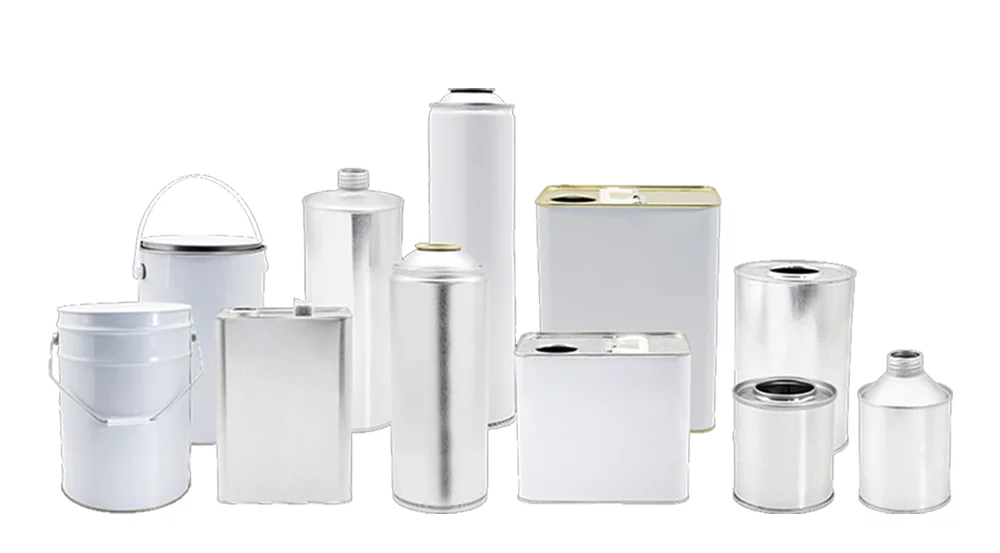
One loose cap, one costly leak—small mistakes can spell big trouble. Choosing reliable gas can caps protects fuel, prevents spills, and keeps operations running safely.
But not every cap makes the cut. From fuel-resistant materials to leakproof seals and bulk sourcing, smart buyers need more than a snug fit. So, what really matters?
Key Points: Gas Can Caps Essentials
➔ Material Matters: Opt for 100% recyclable tinplate or aluminum with epoxy resin linings to resist fuel corrosion and prevent permeation.
➔ Seal Performance: Look for nitrile rubber gaskets with high compression recovery and leak-resistance ratings to guard against spills and vapor loss.
➔ Compliance & Safety: Verify ASTM pressure-relief valves, OSHA and DOT certifications, plus tamper-evident closures for secure, regulation-ready storage and transport.
Gas Can Caps Vs. Generic Lids
Choosing between specialized gas can caps and ordinary lids isn’t just about finding something that fits. Fuel storage demands reliable sealing, chemical resistance, and safe handling. Understanding these differences helps prevent leaks, reduce gasoline fumes, and keep everyday fuel storage safer.

Gas Can Caps
Purpose-built gas can caps use fuel-resistant materials and secure closure systems to protect gasoline during storage and transportation.
- Sealing and material protection
- Fuel compatibility: Specialized plastics and metals resist gasoline exposure without cracking or weakening.
- Rubber gasket: Nitrile rubber creates a tight seal, reducing vapor emission and fuel evaporation.
- Closure and safety features
- Threaded collar: Keeps the cap firmly attached during movement.
- Child safety lock: Helps prevent accidental opening.
- Vent plug: Supports controlled pressure management when designed for the container.
- Spout nozzle: Allows cleaner pouring with fewer accidental spills.
FANXUN gas can caps offer practical replacement options for compatible fuel containers, helping maintain dependable sealing performance.
Generic Lids
Generic lids might look convenient, but gasoline storage requires more than a snug fit.
Key differences include:
- Material compatibility: A basic plastic cover may deteriorate when exposed to gasoline.
- Sealing performance: A universal fit doesn’t guarantee a fuel-tight storage seal.
- Pressure resistance: Non-vented designs may lack suitable pressure-management features.
- Safety compliance: A replacement top must match the container’s safety requirements.
Even the correct diameter size doesn’t guarantee safe fuel storage.
Generic lids are better suited for temporary protection of nonhazardous materials. For gasoline, properly matched gas can caps remain the safer choice.
When replacing worn fuel container closures, choose FANXUN gas can caps only after confirming compatibility with your specific container.
3 Key Features Of Quality Caps

Quality gas can caps do more than keep fuel inside a container. Good designs prevent leaks, resist damage, and control pressure buildup. FANXUN focuses on practical safety features that help fuel containers perform reliably during everyday storage, handling, and transportation, even when conditions get a little rough.
Durable Tinplate and Aluminum Construction
Quality fuel caps rely on tinplate and aluminum because they balance toughness, flexibility, and chemical compatibility with common fuels.
Key construction advantages include:
- Material performance
- Impact resistance: Helps caps survive accidental drops and rough handling.
- Weather resistance: Reduces deterioration during outdoor storage.
- Manufacturing precision
- Efficient stamping and forming techniques produce consistent threads and sealing surfaces.
- Strong structural rigidity supports dependable closure performance.
Proper metal strength also helps gas can caps maintain their shape through repeated use.
Tamper Evident Seal for Safety Assurance
A reliable tamper evident seal makes suspicious opening easier to spot.
The safety ring or breakaway band separates when someone removes the cap, providing visible evidence of unauthorized opening.
This feature supports three practical safety goals:
- Secure closure during transportation.
- Improved fuel storage security through visible tamper detection.
- Added protection alongside certified child resistance mechanisms.
However, tamper evidence alone doesn’t guarantee leak prevention. A properly fitted protective seal remains essential.
Pressure Relief Valve Meeting ASTM Compliance Test
Temperature changes affect vapor pressure inside fuel containers.
A built-in venting mechanism can provide automatic venting when pressure reaches its designed opening threshold.
Reliable gas can caps require verified performance:
- ASTM F2517 testing may apply to qualifying portable fuel containers.
- Applicable testing protocol requirements determine pressure limits and acceptable gas emission performance.
- Manufacturer documentation should confirm opening pressure, burst-pressure test results, and relevant regulatory compliance.
FANXUN recommends checking the applicable safety standard and certified test records before selecting replacement fuel container caps.
Need a custom fit? FANXUN offers flexible OEM and ODM services with a 1-day solution proposal and rapid sample turnaround to meet your specific safety and branding requirements.
Can Your Caps Prevent Leaks?
Reliable gas can caps do more than keep fuel inside. A tight seal helps prevent spills, reduces vapor escape, and improves storage safety. FANXUN focuses on dependable sealing solutions designed for everyday fuel handling and storage needs.

Evaluating Leakage Resistance Rating
Leakage resistance ratings show how effectively gas can caps maintain seal integrity under specific testing conditions.
- Pressure Testing
- A controlled pressure test checks for liquid leaks and vapor emission under defined conditions.
- Low permeability helps limit fuel vapor movement through sealing materials.
- Durability Verification
- Drop impact testing examines cap performance after accidental falls.
- Quality inspections assess thread fit, gasket contact, and spill prevention.
Reliable testing supports better hazard containment during fuel storage.
Impact of Nitrile Rubber Gasket Performance
Nitrile rubber is a common elastomer material used in fuel cap seals because of its chemical resistance.
Its performance depends on several factors:
- Fuel compatibility: Resists many gasoline and diesel formulations, although specific blends require verification.
- Compression set: Measures how much a compressed gasket fails to recover its original shape.
- Temperature tolerance: Helps maintain sealing contact across approved operating temperatures.
Over time, heat and fuel exposure can cause degradation. Regularly checking the sealing ring helps catch cracks or hardening before leaks develop.
Understanding Burst Pressure Threshold
Burst pressure identifies the internal pressure at which a cap or container loses structural strength.
- Pressure buildup: Heat-driven thermal expansion increases pressure inside sealed containers.
- Failure testing: Controlled pressure increases reveal potential container failure points.
- Safety evaluation: Results help establish an appropriate safety limit.
A properly designed relief valve can manage overpressure before dangerous conditions develop.
When selecting gas can caps, consider tested pressure limits, material compatibility, and applicable safety certifications.
Emergency Fuel Storage Caps
Reliable gas can caps help keep emergency fuel supplies secure, reducing leaks and unwanted vapor exposure during storage and transportation. FANXUN provides fuel cap solutions designed for demanding applications, helping businesses improve fuel handling safety, maintain organized inventories, and prepare for urgent supply needs.

OSHA Safety Guideline Compliance
OSHA workplace regulations establish important requirements for flammable liquid storage and safe fuel handling.
- Approved containers
- OSHA 29 CFR 1910.106 addresses approved safety cans, including secure closures and pressure-relief features.
- Compatible gas can caps support vapor release prevention and proper sealing.
- Workplace protection
- Maintain suitable safety ventilation around stored gasoline.
- Verify that replacement caps preserve the container’s approved safety features.
Proper cap compatibility supports occupational safety, but replacement components must match applicable container standards.
Epoxy Resin and Green Coating Benefits
Epoxy resin and solvent-free green coatings can strengthen barrier protection by limiting fuel movement through compatible metal materials.
Key advantages include:
- Chemical resistance: Helps protect against gasoline and certain fuel additives.
- Permeation reduction: Limits hydrocarbon vapor transmission.
- Material durability: Supports longer service life under suitable storage conditions.
For extended gasoline storage, coated gas can caps may improve hydrocarbon stability at sealing surfaces, although performance depends on the complete material design and fuel formulation.
DOT Hazardous Material Rule Overview
DOT transport regulations require appropriate packaging for gasoline shipments.
- Packaging certification
- Verify applicable UN packaging approvals.
- Confirm complete container-and-cap assembly compatibility.
- Closure integrity
- Meet applicable leakproof standards.
- Follow specified closure instructions and pressure relief requirements.
- Transportation testing
- Confirm required drop, stacking, and pressure-test performance.
Replacement fuel caps alone do not establish regulatory compliance for hazardous shipping.
Bulk Pallet Configuration for Rapid Deployment
Bulk-packed gas can caps simplify emergency staging and improve inventory logistics during urgent operations.
- Storage efficiency: Organized cartons reduce warehouse handling time.
- Supply chain readiness: Protective packaging helps prevent seal damage.
- Transit security: Secured pallets reduce shifting during transportation.
FANXUN bulk packaging options can support faster handling distribution for disaster relief and catastrophe response, keeping replacement gas can caps accessible when supplies run low.
Secure Your Supply Chain Don’t let a faulty cap cause costly leaks or compromise compliance. Connect with FANXUN for 100% recyclable, ISO-certified metal packaging solutions. Whether you need small custom batches or bulk pallets, contact FANXUN today to discuss your project!
References
- nitrile rubber gaskets – S&G Gloves
- structural rigidity – witoptinplate.com
- tamper evident seal – seals.com
- vapor pressure – clw-autos.com
- ASTM F2517 – auscompliancelab.com
- chemical resistance – huilicoating.com
- internal pressure – prestogroup.com
- thermal expansion – scu.edu.au
- flammable liquid storage – silsafe.net
- OSHA 29 CFR 1910.106 – usmadesupply.com
- service life – rsi.biz
- DOT transport regulations – gasstationcompliancehub.com
- UN packaging approvals – chemicalconnections.co.uk