
 Español
 English
 العربية
 Bosanski jezik
 Čeština
 Dansk
Dansk Nederlands
 Wikang Filipino
 Suomi
Suomi Français
 Deutsch
 Magyar
 Íslenska
 Bahasa Indonesia
 Italiano
 日本語
日本語 한국어
한국어 Bahasa Melayu
 Polski
 Português
 Русский
 Cрпски језик
 ภาษาไทย
 Türkçe
 Tiếng Việt
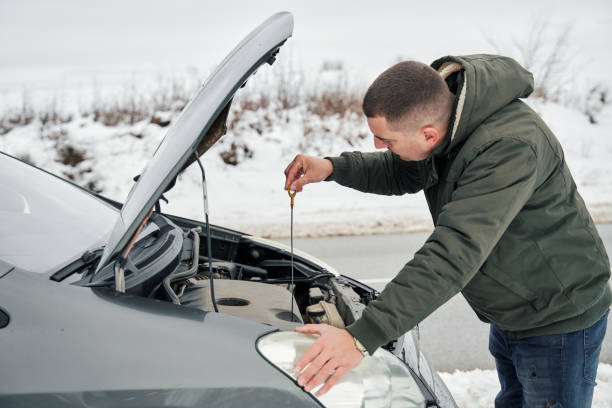
Ese viento cortante del invierno ha llegado, y mientras te abrigas, un pensamiento molesto podría cruzar por tu mente: si hace suficiente frío para ver mi aliento, ¿Qué le está pasando a mi auto?? Específicamente, ¿Se puede congelar el aceite de mi motor?? Es una preocupación válida, especialmente cuando confía en que su vehículo arranque de manera confiable en esas mañanas heladas.
La respuesta corta tiene más matices que un simple sí o no.. Mientras que el aceite de su motor no se congelará como un bloque de hielo en su congelador, puede sufrir cambios significativos en temperaturas extremadamente frías que pueden afectar gravemente la salud y el rendimiento de su motor.. Esta guía completa profundizará en todo lo que necesita saber sobre el aceite de motor en climas fríos., Cómo proteger tu motor, y qué hacer si sospecha que hay un problema.
Entendiendo el aceite de motor: Más que solo un lubricante
Before we dive into the cold, let’s quickly recap what engine oil actually does. It’s the lifeblood of your engine, performing several critical functions:
- Lubricación: Este es su papel principal. El aceite forma una película protectora entre las piezas en movimiento del motor, reducing friction and wear. sin eso, metal-on-metal contact would quickly lead to catastrophic engine failure.
- Enfriamiento: Oil helps to carry heat away from critical engine components, particularly in areas the coolant can’t reach effectively.
- Limpieza: Detergents and dispersants in modern oils help to keep the engine clean by suspending soot, suciedad, and other byproducts of combustion, preventing them from forming sludge and deposits.
- Sellando: El aceite ayuda a sellar los pequeños espacios entre los anillos de pistón y las paredes de cilindro, maintaining compression and efficiency.
- Prevención de la corrosión: Additives in the oil protect metal surfaces from rust and corrosion.
Teniendo en cuenta estos roles vitales, anything that hinders the oil’s ability to flow freely can spell trouble for your engine.
What Really Happens to Engine Oil in Extreme Cold? Todo es cuestión de viscosidad
Entonces, hace aceite de motor congelar? No en el sentido tradicional.. A diferencia del agua, que tiene un punto de congelación distinto de () donde pasa de una estructura cristalina líquida a una sólida, El aceite de motor se comporta de manera diferente..
El aceite de motor es una mezcla compleja de aceites base y aditivos.. Mientras las temperaturas caen en picado, el aceite no se solidifica en un bloque. En cambio, él espesa de modo significativo. Este proceso de espesamiento a menudo se denomina gelificar o alcanzar su por punto.
- Para punto: Esta es la temperatura más baja a la que un aceite seguirá fluyendo en condiciones de prueba específicas.. Por debajo de esta temperatura, el aceite se vuelve tan espeso que esencialmente se niega a verterse.
- gelificar: Mientras el aceite se enfría, Los componentes de la cera presentes naturalmente en los convencionales. (a base de minerales) Los aceites pueden comenzar a cristalizar y entrelazarse., formando una consistencia similar a un gel. This dramatically increases the oil’s viscosity.
Think of it like honey in the refrigerator. It doesn’t freeze solid, but it becomes incredibly thick and difficult to pour. The same principle applies to your engine oil.
The Crucial Role of Viscosity
Viscosity is a measure of a fluid’s resistance to flow. It’s arguably the most important property of engine oil.
- Too Thin (Low Viscosity): If the oil is too thin, it won’t provide an adequate protective film between moving parts, leading to increased wear. This is typically a concern in very high operating temperatures.
- Too Thick (High Viscosity): If the oil is too thick, it won’t flow readily to critical engine components, especially during a cold start. This is our main concern in freezing weather.
Engine oils are graded using a system established by the Society of Automotive Engineers (SAE). You’ve likely seen codes like “5W-30” o “0W-20” en botellas de aceite. Let’s break down what these mean:
- El “W”: This stands for “Winter.”
- The Number Before the “W” (P.EJ., 5W, 0W): This indicates the oil’s viscosity at low temperatures. El más bajo this number, el mejor the oil will flow in cold weather. A 0W oil will flow more easily at startup on a frigid morning than a 10W oil.
- The Number After the “W” (P.EJ., 30, 20): This indicates the oil’s viscosity at normal engine operating temperatures (alrededor o ).
Conclusión clave: For cold weather performance, el “W” number is your primary focus.
The Dangers of “Frozen” or Gelled Engine Oil
When your engine oil becomes too thick due to extreme cold, several problems can arise, primarily during engine startup:
-
Starvation for Lubrication: This is the most significant danger. When you try to start your engine, la bomba de aceite tiene que trabajar mucho más para extraer el espesor, aceite tipo melaza del cárter de aceite y hacerlo circular por todo el motor. Si el aceite es demasiado espeso para fluir correctamente:
- Lubricación retrasada: El aceite tarda más en llegar a componentes críticos como los cojinetes del cigüeñal., árbol de levas, y tren de válvulas. Durante este breve período, Estas piezas pueden funcionar con lubricación insuficiente., lo que lleva a un desgaste acelerado.
- Sin lubricación (Peor caso): En casos extremos, El aceite puede ser tan espeso que la bomba no puede moverlo en absoluto., o cavita (aspira aire). Esto significa que las piezas funcionan esencialmente en seco., que puede causar graves daños en muy poco tiempo.
-
Mayor tensión sobre el motor de arranque y la batería: Intentar arrancar un motor con aceite demasiado espeso es como intentar remover miel casi sólida.. Ejerce una enorme presión sobre el motor de arranque y la batería..
- El motor de arranque tiene que trabajar mucho más para hacer funcionar el motor., potencialmente conduciendo a un fallo prematuro.
- Las reacciones químicas de la batería se ralentizan en climas fríos, reduciendo su potencia disponible. La mayor demanda del motor de arranque puede agotar rápidamente una batería ya debilitada., dejándote varado.
-
Eficiencia de combustible reducida: Incluso si el motor arranca, El aceite más espeso crea más fricción interna., lo que significa que el motor tiene que trabajar más duro. Esto puede conducir a una disminución notable en la economía de combustible., especialmente durante viajes cortos donde el aceite no tiene la oportunidad de calentarse y diluirse por completo.
-
Potencial de problemas con el filtro de aceite: El aceite extremadamente espeso a veces puede causar problemas con el filtro de aceite.. The pressure relief valve in the filter might open if the oil is too viscous to pass through the filter media easily. While this prevents oil starvation, it means unfiltered oil is circulating through your engine, which isn’t ideal.
-
Long-Term Wear and Tear: Repeated cold starts with oil that is too thick will, con el tiempo, contribute to increased wear on engine components, potentially shortening the life of your engine.
Convencional vs.. Synthetic Oils in the Cold: A Clear Winner
When it comes to cold weather performance, synthetic oils generally outperform conventional (a base de minerales) oils by a significant margin.
He aquí por qué:
- Uniform Molecular Structure: Synthetic oils are engineered with more uniform molecule sizes. This means they flow much more easily at low temperatures and resist thickening better than conventional oils, which have a wider range of molecule sizes and naturally occurring waxes.
- Lower Pour Points: Synthetics typically have much lower pour points. This means they remain fluid and pumpable at significantly colder temperatures. Por ejemplo, a conventional 5W-30 might start to gel around a ( a ), while a synthetic 5W-30 might remain fluid down to () or even lower. A 0W synthetic will perform even better.
- Faster Lubrication on Startup: Because they flow better when cold, synthetic oils reach critical engine parts much faster during a cold start, providing quicker protection.
- Better Resistance to Breakdown: Synthetics are also more resistant to thermal breakdown at high temperatures and oxidation, meaning they generally last longer and provide better protection over their service life.
Mesa: Convencional vs.. Synthetic Oil in Cold Weather
Mientras que los aceites sintéticos cuestan más por litro, la protección mejorada, especialmente en climas fríos, puede llevar a una vida útil más larga del motor y potencialmente menos reparaciones costosas en el futuro. Muchos vehículos modernos., especially those with turbocharged engines or those requiring extended oil change intervals, specifically recommend or require synthetic oil.
What Temperatures Should I Worry About?
There’s no single temperature at which all engine oil “freezes” or causes problems, as it depends heavily on:
- The type of oil: Convencional vs.. Sintético.
- The oil’s viscosity grade: Specifically the “W” clasificación.
- The specific formulation of the oil: Additives can influence cold-flow properties.
Sin embargo, here are some general guidelines:
- Arriba (): You’re generally fine with most oils, assuming they are the correct viscosity for your vehicle.
- a ( a ): This is where the “W” rating becomes increasingly important. A 10W-xx oil might start to show signs of thickening, making starts a bit more sluggish. 5W-xx oils are better suited, and 0W-xx oils will provide the best flow. Es más probable que los aceites convencionales sean problemáticos en el extremo inferior de este rango..
- a ( a ): En este rango, utilizando un aceite sintético de alta calidad con un bajo “W” clasificación (como 0W-xx o 5W-xx) es muy recomendable, si no es esencial. Aceites convencionales, especialmente aquellos con mayor “W” números, es muy probable que sean demasiado gruesos, lo que lleva a un arranque difícil y una mala lubricación.
- Abajo (Abajo ): Bienvenidos al frío extremo! A estas temperaturas, sólo aceites sintéticos de primer nivel, particularmente grados 0W, Ofrece una gran oportunidad para que su motor arranque y reciba la lubricación adecuada rápidamente.. Incluso entonces, Otras medidas, como la calefacción del bloque del motor, se vuelven cruciales..
Siempre consulte el manual del propietario de su vehículo. Especificará los grados de viscosidad del aceite recomendados para diferentes rangos de temperatura.. Usar el aceite incorrecto puede anular la garantía.
Cómo saber si el aceite de su motor está demasiado frío o gelificado
It can be tricky to directly observe your oil’s condition without draining it, but here are some signs that your oil might be struggling in the cold:
- Lento, Labored Cranking: Este es el síntoma más común.. If your engine turns over much more slowly than usual, as if the battery is weak (even if it’s not), thick oil is a likely culprit.
- Engine Fails to Start: En casos severos, the oil might be so thick that the starter motor simply can’t overcome the resistance to crank the engine fast enough, or at all.
- Knocking or Tapping Noises on Startup: If you hear unusual noises from the engine for the first few seconds after starting, it could indicate that oil isn’t reaching parts like the hydraulic lifters or camshaft quickly enough. These noises might subside as the oil warms and thins.
- Low Oil Pressure Warning Light (Menos común en el inicio): Aunque es más común si los niveles de aceite son bajos, En teoría, el aceite extremadamente espeso podría tener dificultades para ser recogido por la bomba de aceite., potencialmente desencadenando una advertencia de baja presión de aceite. Sin embargo, el motor a menudo no arranca en absoluto si el aceite es tan espeso.
- Comprobando la varilla medidora (con atención): En una mañana muy fría antes intentando arrancar el motor, tú podrías (con cuidado y si sabes lo que estás haciendo) tirar de la varilla medidora.
- que buscar: ¿El aceite es extremadamente espeso y oscuro?, casi como alquitrán? ¿Se adhiere mucho a la varilla medidora y apenas gotea?, incluso cuando está inclinado? Esto sugiere un engrosamiento significativo..
- Precaución: Si el aceite está realmente gelificado, Puede ser difícil obtener una lectura precisa o incluso tirar de la varilla medidora.. No fuerces nada. Si no estás seguro, lo mejor es consultar a un mecanico.
Medidas preventivas: Protecting Your Engine in the Cold
The best approach is to be proactive. Here’s how you can protect your engine from cold-weather oil problems:
-
Use the Right Oil Viscosity: esto es primordial.
- Consulte su manual del propietario: This is your ultimate guide. It will provide a chart or recommendations for oil viscosity based on ambient temperatures.
- Opt for Lower “W” Numbers in Winter: If your manual gives a range (P.EJ., 5W-30 or 10W-30), choose the 5W-30 for winter. If you live in a very cold climate, a 0W-xx synthetic oil is often the best choice, provided it’s approved for your vehicle.
-
Switch to Synthetic Oil: Como se discutió, synthetic oils offer superior cold-flow properties. If you live in an area with harsh winters, making the switch can provide significant benefits and peace of mind. Even if you only switch for the winter months, es una inversión que vale la pena.
-
Cambios de aceite regulares: El aceite nuevo con su paquete de aditivos intacto funcionará mejor en todas las condiciones., incluyendo el clima frío. Viejo, El aceite sucio puede haber agotado los mejoradores del índice de viscosidad. (Aditivos que ayudan al aceite a mantener su viscosidad en un rango de temperaturas.) y puede espesarse más fácilmente. Siga los intervalos de cambio de aceite recomendados por el fabricante de su vehículo..
-
Calentador del bloque del motor: Para quienes viven en climas verdaderamente fríos (constantemente por debajo de -20 °C o -4 °F), un calentador de bloque de motor es una solución muy eficaz.
- como funciona: Este es un elemento calefactor eléctrico instalado directamente en el bloque del motor. (a menudo en una abertura del tapón de congelación) o a veces adjunto externamente. Lo conecta a una toma de corriente doméstica durante unas horas antes de que planee arrancar su automóvil..
- Beneficios: Mantiene el bloque del motor y, como consecuencia, the oil and coolant, warm. This means the oil flows easily on startup, the engine cranks over with less effort, the battery is less strained, and your heater will provide warm air much sooner.
-
Oil Pan Heater: Similar to a block heater, an oil pan heater is an electric heating pad that sticks to the underside of your oil pan. It directly warms the oil in the sump.
- Beneficios: Specifically targets the oil, ensuring it’s fluid and ready to be pumped. Generally easier and less expensive to install than a block heater.
- Consideración: May not warm the entire engine block as effectively as a block heater, but is very effective for improving oil flow.
-
Battery Care: A healthy battery is crucial for cold starts.
- Keep it Charged: Cold weather reduces battery capacity. If you make many short trips, your alternator might not fully recharge the battery. Consider using a battery tender or trickle charger if your car sits for extended periods in the cold.
- Ensure Terminals are Clean: Corroded battery terminals can impede current flow.
- Replace an Aging Battery: Batteries have a finite lifespan (típicamente 3-5 años). An old battery will struggle much more in the cold.
-
Allow a Brief Warm-Up (But Don’t Overdo It):
- Once the engine starts, let it idle for 30 seconds to a minute to allow oil pressure to build and the oil to begin circulating.
- Avoid prolonged idling: Modern engines don’t need extended warm-up times like older carbureted engines did. Driving gently for the first 5-10 minutes is the most effective way to warm up the entire drivetrain (motor, transmission, etc.) and is better for fuel efficiency and emissions. Acelerar mucho con el motor frío es perjudicial.
Qué hacer si sospecha que su aceite está “Frozen” o gelificado
Si gira la llave y el motor arranca muy lentamente o no arranca en absoluto, y sospecha que el problema es el aceite espeso:
- NO siga arrancando excesivamente: Corre el riesgo de sobrecalentar el motor de arranque y agotar completamente la batería.. Si no arranca después de un par de intentos razonables, detener.
- Intenta calentar el aceite (Si es posible y seguro):
- Calentador del bloque del motor/cárter de aceite: Si tienes uno, asegúrese de que esté enchufado y déle suficiente tiempo para funcionar (unas pocas horas normalmente).
- Garaje Cálido: Si puede trasladar el vehículo con seguridad a un garaje con calefacción o más cálido, Espere varias horas para que el compartimento del motor y el aceite se calienten.. Esta suele ser la solución más eficaz..
- Calentador portátil (Úselo con EXTREMA PRECAUCIÓN): Some people attempt to use a space heater or a hairdryer directed towards the oil pan. This carries a significant fire risk if not done with extreme caution and constant supervision. Keep the heater a safe distance from flammable materials, never leave it unattended, and ensure there are no fuel or oil leaks. This should be a last resort and done very carefully. Never use an open flame.
- Jump Start (If the Battery is Weakened): If the primary issue was the oil thickening and it has now strained the battery, a jump start from another vehicle después the oil has had a chance to warm up (si es posible) might get you going.
- Check Oil Level and Condition (Once Warmer): If you manage to warm the oil or get the car to a warmer location, revisa la varilla medidora. If the oil appears exceptionally thick or milky (which could indicate coolant contamination, a separate serious issue), it’s best to have it inspected.
- Consider an Oil Change: If you’ve experienced a severe gelling incident, especially with conventional oil, it might be wise to change the oil and filter, opting for a good quality synthetic oil suitable for your climate.
- Consult a Mechanic: If you’re unable to start the vehicle or are concerned about potential damage, have your vehicle towed to a qualified mechanic. They can properly diagnose the issue and advise on any necessary repairs or maintenance.
Preguntas frecuentes (Preguntas frecuentes)
Q1: Will using a thinner oil like 0W-20 in a car that recommends 5W-30 cause damage in summer?
A: Siga siempre el manual del propietario. If 0W-20 is also listed as an acceptable grade for your engine, it’s generally fine. Synthetic 0W-20 oils are designed to perform well across a wide range of temperatures. Sin embargo, if your manual solo especifica 5W-30 y no incluye 0W-20 como alternativa, Seguir el 5W-30 es la apuesta más segura para garantizar una lubricación adecuada a temperaturas de funcionamiento más altas.. El uso de un aceite demasiado diluido para las temperaturas de funcionamiento diseñadas puede provocar un mayor desgaste..
Q2: ¿Cuánto tiempo tarda el aceite del motor en enfriarse demasiado??
A: Esto depende de la temperatura ambiente., cuanto tiempo ha estado el auto parado, sensación térmica (que enfría el bloque del motor más rápido), y el tipo/viscosidad del aceite. Puede ocurrir durante la noche en condiciones muy frías.. Si las temperaturas están constantemente muy por debajo del punto de congelación, Es probable que el aceite se vea significativamente afectado después de unas pocas horas de inactividad..
Q3: ¿El aceite de motor caduca o se estropea en la botella si se almacena en un garaje frío??
A: Aceite de motor sin abrir, when stored properly in a sealed container and in a place without extreme temperature fluctuations, has a very long shelf life (often several years). While extreme cold won’t typically “ruin” aceite sin abrir, repeated freeze-thaw cycles podría potentially affect some additive packages over a very long time. It’s best to store oil in a place that doesn’t see wild temperature swings. Una vez abierto, the oil is more susceptible to contamination and moisture.
Q4: Can I mix conventional and synthetic oil?
A: Sí, you generally can mix them (and synthetic blends are essentially this). Sin embargo, if you mix conventional oil with synthetic oil, you will dilute the benefits of the full synthetic, particularly its superior cold-flow properties and resistance to breakdown. To get the full advantages, it’s best to use 100% synthetic oil if that’s your goal.
Q5: If my car struggles to start in the cold, is it always the oil?
A: No necesariamente. While thick oil is a common culprit, other issues can cause cold-start problems, incluido: * Weak battery: The most common issue. * Faulty starter motor. * Fuel problems: Frozen fuel lines (if there’s water in the fuel), or issues with fuel delivery. * Ignition system problems: Worn spark plugs, faulty ignition coils. * Glow plug issues (for diesel engines): Diesel engines rely on glow plugs to heat the combustion chamber for cold starts.
Q6: Is it true that you need to let your engine idle for 5-10 minutes to warm up in winter?
A: This is largely a myth for modern fuel-injected engines. While a brief idle of 30 seconds to a minute allows oil to circulate, excessive idling wastes fuel, increases emissions, and isn’t the most efficient way to warm the engine. Una conducción suave calienta el motor, transmission, y otros componentes de forma más eficaz y rápida.
Aspectos que los usuarios deben considerar
- Tu clima: El factor más crítico. Si vives en una zona con inviernos suaves, tienes menos de qué preocuparte. Si te enfrentas a explosiones árticas, las medidas proactivas son esenciales.
- La edad y el tipo de su vehículo: Los vehículos más antiguos o con mayor kilometraje podrían ser más sensibles a los problemas de viscosidad del aceite.. Motores modernos, especialmente los turboalimentados, a menudo requieren específicos (generalmente sintético) aceites.
- Hábitos de conducción: Muchos viajes cortos en el frío pueden ser más duros para el motor y la batería, ya que es posible que el aceite no siempre alcance su temperatura óptima de funcionamiento.
- Ubicación del estacionamiento: Aparcamiento en un garaje, incluso uno sin calefacción, puede mantener su automóvil varios grados más caliente que estacionarlo afuera, marcando la diferencia en las mañanas frías.
- Costos a largo plazo versus. Ahorros iniciales: Synthetic oil and block heaters have an upfront cost, but they can prevent more expensive engine wear or starting issues down the line.
- Emergency Preparedness: In extremely cold regions, having an emergency kit in your car is always a good idea. This might include jumper cables, blankets, and a fully charged phone.
Conclusión: Don’t Let the Cold Catch Your Engine Unprepared
While your engine oil won’t freeze into a solid block like water, its ability to flow can be severely compromised by cold temperatures. Este “gelificar” or thickening can lead to difficult starts, increased engine wear, y, en casos extremos, prevent your car from starting at all.
By understanding the importance of oil viscosity, choosing the right type of oil (with synthetics offering superior cold-weather performance), y considerar medidas preventivas como calentadores del bloque del motor en climas fríos, Puede asegurarse de que su motor obtenga la lubricación vital que necesita., incluso en los días más fríos. Consulte siempre el manual del propietario para obtener recomendaciones específicas del fabricante.. Un poco de preparación puede ser de gran ayuda para proteger tu motor y mantenerte en la carretera durante todo el invierno..
Cuando se trata de envases para aceites y otros fluidos automotrices, La calidad y la durabilidad son clave., especialmente cuando se trata de temperaturas y condiciones de almacenamiento variables. FANXUN es una clase mundial puede fabricante y proveedor que puede proporcionar productos en diferentes especificaciones y formas, garantizar que sus valiosos fluidos se almacenen de forma segura y mantengan su integridad. Su experiencia en la fabricación de latas significa que comprenden la importancia de soluciones de embalaje sólidas para diversas necesidades industriales y de consumo..



