 Español
 English
 العربية
 Bosanski jezik
 Čeština
 Dansk
Dansk Nederlands
 Wikang Filipino
 Suomi
Suomi Français
 Deutsch
 Magyar
 Íslenska
 Bahasa Indonesia
 Italiano
 日本語
日本語 한국어
한국어 Bahasa Melayu
 Polski
 Português
 Русский
 Cрпски језик
 ภาษาไทย
 Türkçe
 Tiếng Việt
Custom tin containers can make or break a product, and when leaks or warps, fallout hits fast—angry customers, stalled lines, wasted batches, money down the drain.
Compradores en química, aerosol, and food packaging know the game is technical, quisquilloso, and unforgiving, so this guide cuts through noise and shows how to choose specs, vet suppliers, and keep production steady.
Notes in Harmony: Essential Guide to Custom Tin Containers
➔ Container Specs: Match diameter, altura, valve cup opening and coating to product type—ensure pressure rating, resistencia a la corrosión, and flavor stability.
➔ Supplier Vetting: Verify tinplate grade, welding method, burst pressure data and lead times to guarantee seam integrity and on-time delivery.
➔ Prevención de fugas: Employ deep-drawing seam welding, precise valve cup design, and vigorous burst pressure testing for zero-leak performance.
➔ Flujo de la cadena de suministro: Coordinate delivery schedules, optimize bulk packaging, select reliable logistics partners, and maintain buffer inventory to avoid production stalls.
Types Of Custom Tin Containers Explained
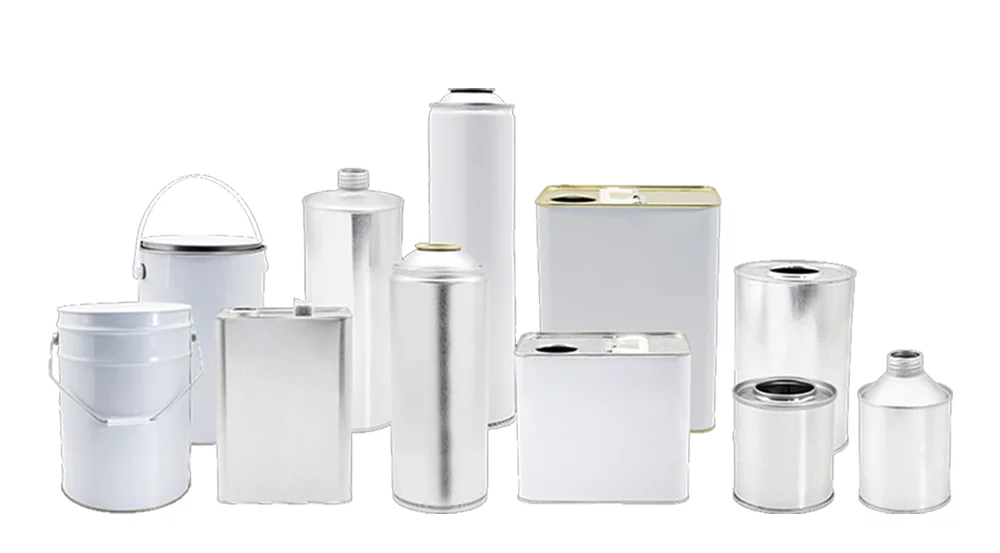
Escoger lo correcto custom tin containers is not just about shape. Se trata de presión, revestimiento, estampación, and load strength. Abajo, we break down how different custom tins and tin packaging formats actually work in real production.

Round Aerosol Cans: Valve Integration & Clasificación de presión
cuando se trata de latas de aerosol, small design mismatches can cause big filling-line drama. For safe valve integration, cada detalle cuenta.
Core compatibility checklist:
- Integración de válvulas matched to product viscosity
- Clasificación de presión aligned with selected propulsores
- Proper actuator alignment with actuadores
- Probado mecanismos de sellado under burst simulation
- Verificado puede material del cuerpo espesor
Technical pairing logic
- Determine product type
1.1 Oil-based spray
1.2 Water-based mist
1.3 Foam formula
- Match propellant pressure
2.1 ≤ 0.6 MPA: light mist
2.2 0.6–0.9 MPa: household spray
2.3 ≥ 0.9 MPA: uso industrial
- Align structural components
- Diámetro de la copa de la válvula
- Curl depth
- Fuerza de la cúpula
Tabla de referencia de rendimiento
| Diámetro (milímetros) | Altura (milímetros) | Clasificación de presión (MPA) | Valve Opening (milímetros) | Espesor del material (milímetros) |
|---|---|---|---|---|
| 45 | 100 | 0.6 | 25.4 | 0.18 |
| 52 | 150 | 0.8 | 25.4 | 0.20 |
| 57 | 180 | 0.9 | 25.4 | 0.23 |
| 65 | 200 | 1.0 | 25.4 | 0.25 |
| 70 | 250 | 1.2 | 25.4 | 0.28 |
Para el abastecimiento de marcas custom tin containers in aerosol format, FANXUN typically fine-tunes curl strength and dome geometry to keep filling speeds steady and rejection rates low. It sounds technical, but on the factory floor, it simply means fewer leaks and smoother output.
Rectangular Food Tins with Internal Coating Options
Rectangular tins are popular in grado alimenticio packaging because they stack well and look sharp on shelves. But the real game changer is inside.
Why coatings matter
- Acidic foods need stronger revestimientos internos
- Heat sterilization affects materiales de revestimiento
- Barrier performance influences duración
Coating selection flow
- Identify food type
- Measure pH value
- Confirm sterilization temperature
- Choose coating thickness
- Run corrosion resistance test
Breve control de la realidad:
Tomato paste? High acidity.
Dry tea? Bajo riesgo.
Seafood in brine? Demands strong lining.
Según Smithers 2025 perspectiva mundial de los envases metálicos, metal food packaging continues steady growth due to “recyclability advantages and long-term barrier reliability,” especially in premium segments.
Global metal packaging demand is projected to maintain stable growth through 2027, driven by sustainability requirements and food safety compliance. — Smithers Market Intelligence, 2025
That’s why many brands upgrading to custom tin containers for food focus on compliance first, design second. FANXUN integrates corrosion testing directly into prototype cycles, which keeps flavor stability intact while meeting regulatory standards.
Specialty Shapes: Embutición profunda & Desarrollo de herramientas
When brands want standout specialty shapes, el proceso de embutición profunda becomes the backbone.
Here’s how complexity is managed:
- ♢ Control deformación del material through gradual redraw stages
- ♢ Validate wall thinning ratios
- ♢ Build precision moldes personalizados
Development ladder
- Bosquejo conceptual
- 3modelado D
- Tool steel selection
- Trial stamping
- Structural stress test
- Embossing validation
Long-form explanation: During deep drawing, sheet metal flows inward while being pressed into dies. Too much stress causes cracking. Too little pressure leads to wrinkling. Tight dimensional tolerance is non-negotiable, especially for lids that must snap perfectly onto custom tins.
For complex tin packaging projects, FANXUN shortens iteration cycles by prototyping tooling before final hardened dies are produced. That saves time and keeps bold shapes commercially realistic.
Large Pails: Espesor del calibre & Volume Capacity
Large pails are built for weight. Pintar, quimicos, bulk foods—no room for weak seams.
Key performance drivers
- Espesor del calibre affects stacking strength
- Aumentó capacidad de volumen requires reinforced seams
- Fuerte resistencia del material prevents wall buckling
- Agregado handling features improve transport safety
Load planning structure
- Determine fill weight
- ≤ 10 kilos
- 10–20 kg
- ≥ 20 kilos
- Select substrate grade
2.1 Standard tinplate
2.2 Heavy duty steel
- Reinforce
- Doble costura
- Rolled rim
- Bottom curl support
Short notes from real-world logistics:
Thin walls save cost.
Thick walls prevent collapse.
Balance is everything.
In high-volume storage solutions, custom tin containers must support vertical stacking without panel distortion. That’s where proper gauge calculation makes or breaks the design. FANXUN typically models stacking simulations before confirming steel thickness, ensuring durability without wasting raw material.
From aerosol formats to deep-drawn shapes and heavy-duty pails, bien diseñado custom tin containers turn metal packaging into a practical, good-looking, and reliable packaging solution.
3 Vendor Vetting Tips For Tin Suppliers
Elegir un proveedor para custom tin containers isn’t just a pricing game. Material science, precisión de conformado, and delivery control all shape how your tin container packaging performs in real life. Smart buyers look deeper—into data, procesos, y consistencia.

Consejo 1: Verify Tinplate Grade and Steel Substrate
Al abastecerse custom tin containers, start with the core: hojalata y sustrato de acero.
- Verificación de materiales
1.1 Grade specification
- Confirm compliance with EN 10202 or ASTM A623.
- Match grade to product acidity and storage cycle.
1.2 Espesor & temperamento
- Check nominal thickness (P.EJ., 0.18mm–0.30mm).
- Validar temperamento nivel (T2.5, T3, T4) for forming strength.
1.3 Recubrimiento de estaño & resistencia a la corrosión
- Review coating weight (g/m²).
- Examine internal lacquer compatibility.
| Parámetro | Rango típico | Impact on Custom Tin Containers | Método de prueba |
|---|---|---|---|
| Espesor | 0.18–0,30 milímetros | Structural rigidity | Micrómetro |
| Recubrimiento de estaño | 2.8–11.2 g/m² | Resistencia a la corrosión | XRF |
| Temperamento | T2.5–T4 | Formabilidad | Rockwell |
| Fuerza de producción | 280–420 MPa | Dent resistance | prueba de tracción |
Lista de verificación rápida:
• Verify composición de materiales certificate
• Confirm recyclability data
• Audit substrate supplier source
If the base metal isn’t right, even premium custom printed tin containers won’t hold up.
Consejo 2: Assess Welding Technology and Can Body Forming
Excelente custom tin containers depend on precise welding technology y disciplinado can body forming.
Core evaluation path:
- Manufacturing Review
1.1 Fabrication methods
- Resistance welding vs. laser welding
- Seam overlap control
1.2 Integridad de la costura
- Conduct peel tests
- Inspect weld nuggets microscopically
1.3 Dimensional tolerance
- Diameter variance ≤ ±0.05mm
- Height consistency across batches
- Production Techniques
- Alta velocidad equipo calibración
- In-line camera inspection
- Statistical drift monitoring
- Structural Strength Validation
- Prueba de presión de estallido
- Axial load compression
A supplier like FANXUN typically provides process flow charts and weld parameter logs on request. That transparency matters when scaling custom made tin containers for automated filling lines.
Consejo 3: Review Quality Assurance Metrics and Lead Time
Confiable custom tin containers require disciplined seguro de calidad and predictable plazo de entrega.
Evaluation matrix:
- Quality Control Framework
1.1 Protocolos de inspección
  - Incoming coil inspection

  - In-process seam monitoring

  - Final leak testing
1.2 Estándares de prueba
- Burst pressure ≥ design threshold - Vacuum decay testing - Cumplimiento & Certificaciones
- ISO 9001
- Cumplimiento del contacto con alimentos
- Documentado certificaciones
- Delivery Stability
- Average production cycle (días)
- On-time delivery rate (%)
- Safety stock policy
“Global metal packaging demand remains steady, with supplier reliability ranking among the top three purchasing criteria," señala un 2025 Smithers industry update on metal packaging trends.
Short lead times sound nice. Consistent delivery schedules keep retail launches on track.
Brands ordering bulk custom tin containers or specialty decorative tins often favor partners like FANXUN, where documented control de calidad data supports scaling without last-minute surprises.
Solve Leak Issues: Sealed Tin Techniques
Leak complaints can wreck trust fast. For brands producing custom tin containers, tight sealing is not optional—it’s survival. From metal forming to coating checks, cada movimiento en custom tins production shapes durability. Here’s how smart engineering keeps tin containers custom-built and leak‑free.

Deep-Drawing Seam Welding for Zero Leaks
En container manufacturing de custom tin containers, seam control starts at forming:
- Metal Forming Control
- a. Precisión dibujo profundo
- i. Uniform wall thinning
- ii. Reduced micro-cracks
- b. Calibración de herramientas
- i. Stable punch speed
- ii. Balanced lubrication
- a. Precisión dibujo profundo
- Seam Welding Optimization
- a. Automatizado seam welding
- i. Continuous bead formation
- ii. Heat input regulation
- b. Real-time weld monitoring
- i. Infrared temperature tracking
- ii. Arc consistency checks
- a. Automatizado seam welding
- Leak Prevention Validation
- a. Vacuum decay testing
- b. Sello hermético inspección
- do. Cross-section integridad de la soldadura análisis
For custom metal tins, fewer seams mean fewer risks. That’s why FANXUN integrates forming and welding in one calibrated line.
Optimizing Valve Cup Opening Design
A tiny gap can ruin custom tin containers actuación.
- Key focus areas:
- Copa de válvula alineación
- Preciso opening design
- Liso sealing surface finalizar
- Dimensional tolerance: ±0.03 mm
- emparejado válvula de aerosol especificaciones
- Revisado tasa de flujo balance
Technical benchmarks:
| Parámetro | Valor objetivo | Método de prueba | Impacto |
|---|---|---|---|
| Opening Diameter | 25.40 milímetros | Digital gauge | Ajuste de válvula |
| Tolerancia | ±0.03 mm | CMM scan | Riesgo de fuga |
| Rugosidad de la superficie | Ra ≤0.8 μm | Profilometer | Seal grip |
| Fit Pressure | 0.6 MPA | Pressure rig | Dispensing stability |
Dialed-in numbers keep tin containers custom-built for clean dispensing.
Coating Adhesion and Burst Pressure Test
Inside every batch of custom tin containers, coating matters.
- Adhesión del recubrimiento
- Cross-hatch scoring
- Tape pull grading
- Resistencia a la corrosión
- Exposición a la niebla salina
- Visual blister check
- Presión de estallido validación
- Gradual presión interna aumentar
- Record peak resistencia del material
Cuando integridad del contenedor passes all three, leak drama fades. Strong coatings plus disciplined métodos de prueba mean fewer returns and better shelf life. That’s the quality control mindset behind FANXUN.
Tin Container Customization: Embossing Vs. Impresión
Custom tin containers are more than packaging; they are brand statements shaped in metal. When businesses compare embossing and printing for custom tin containers, the decision affects texture, color, costo, and shelf appeal in a very real way.

Embossing Options
For custom tin containers, embossing changes how customers physically connect with the tin box. It’s subtle, yet hard to ignore.
- Raised design for bold logos
- Debossed design for recessed elegance
- Multi-level depth for layered branding
- Bosquejo conceptual
- Tooling with precision Die
- Mold testing and pressure calibration
At a technical level:
- Sculpting styles
- Single-level impressions
- Multi-level contours
- Esculpido textures
- Blind emboss without ink
- Registrado emboss aligned with print
Key advantages of embossed custom tins:
- No ink wear
- Strong tactile memory
- Premium shelf presence
Production flow usually runs like this: artwork approval → die engraving → sample pressing → coating check → bulk forming. The structure of tin containers stays intact, and custom printed tin containers can still receive coatings afterward. Brands such as FANXUN often recommend embossing when durability and touch matter most.
Técnicas de impresión
If embossing speaks through texture, printing talks in color. Custom tin containers using advanced print methods offer sharp visuals and flexible design freedom.
Core methods include:
- impresión offset
- Litografía
- Serigrafía
- Impresión digital
Color systems:
- CMYK para gradientes
- Spot colors for strict brand tones
- Tintas metalizadas for reflective accents
Finishing layers:
- Protector Varnish finish
- Matte or gloss coating
- Resistencia a la abrasión
- Estabilidad UV
Typical production rhythm:
- Preparación del plato
- Pruebas de color
- Mass print alignment
- Curing and sealing
For custom tin containers targeting retail impact, printing gives storytelling space across every tin surface. FANXUN supports both custom tins and fully custom printed tin containers, balancing cost, velocidad, and visual punch without cutting corners.
Custom Tin Containers Logistics Simplified

Smooth logistics keep custom tin containers Moviéndose sin drama. From factory floor to warehouse rack, momento, embalaje, transporte, and stock control must click together. Cuando custom tin containers scale up, even small gaps in planning can slow everything down.
Delivery Schedule Coordination with Suppliers
Claro supplier communication mantiene delivery dates realistic and tied to cronogramas de producción. For custom tin containers, sync plans through:
- Confirming plazos de entrega in writing
- Alinear programación with seasonal demand
- Setting up shared seguimiento de envíos
- Lock projected volumes.
- Match factory output with forecast.
- Actualizar planificación logística semanalmente.
Under strong vendor agreements, changes in custom tin containers orders follow a simple path:
- Order adjustment
- Volume change
- Artwork revision
- Timeline review
- Capacity check
- Transit recalculation
A quick call often solves what ten emails cannot. For brands scaling custom tins, steady rhythm beats rushed fixes.
Packaging Configurations for Bulk Shipments
Elegante diseño de embalaje protects tin containers in transit. Factores clave:
- Tipos de contenedores and wall thickness
- paletización disposición
- Protective materials y crating
| Tipo de embalaje | Unidades por Palet | Tasa de daño (%) | Load Efficiency (%) |
|---|---|---|---|
| Standard Carton | 480 | 2.8 | 82 |
| Reinforced Carton | 520 | 1.6 | 86 |
| Crated Bulk Pack | 600 | 0.9 | 91 |
| Hybrid Stack Pack | 560 | 1.2 | 88 |
For custom tin containers, ajustado apilado e inteligente load optimization reducir gasto. Brands working with FANXUN often tweak bulk packing specs early, not after losses show up.
Shipping Methods and Logistics Partner Selection
Eligiendo freight modes shapes cost and speed. Air cuts transit; sea lowers cost. Confiable selección de operador depends on:
- Probado transporte archivos
- Claro Incoterms
- Fuerte despacho de aduana apoyo
Route choice matters too. más corto shipping lanes reduce handling risk for custom tin containers. When launching bespoke tin boxes globally, partner with experienced proveedores de logística who share real-time updates, no promesas vagas.
Inventory Holding Strategies and Lead-Time Buffering
Equilibrado gestión de stock keeps custom tin containers ready without bloating almacenamiento en almacén. Piensa en capas:
- Core stock
- Base safety stock
- Standard SKUs
- Buffer layer
- Extra buffer inventory for peak months
- Control loop
- En curso previsión de la demanda
- Automatizado replenishment
Track turnover weekly. Ajustar control de inventario rules as sales shift. A little cushion builds true resiliencia de la cadena de suministro, especially when tin containers travel across borders. Smart buffers mean fewer surprises and steadier growth.
3 Estudios de caso: Tin Container Success
Custom tin containers sit at the crossroads of safety, herrada, y rendimiento. From industrial aerosols to gourmet tins and high-pressure chemical cans, smart engineering turns a simple metal box into serious business value. Analicemos cómo custom tin containers and tailored tin packaging solutions drive measurable results.

Industrial Lubricant Aerosols with Enhanced Formulation Stability
En entornos industriales, custom tin containers para Industrial lubricants must handle pressure, química, y uso diario. Performance hinges on tight integration of Aerosol packaging, Formulation stability, y Compatibilidad de materiales.
- Optimizado Mecanismo dispensador alineación
- Internal lining for Resistencia a la corrosión
- Crimp precision for Prevención de fugas
Key engineering layers include:
- Valve system calibration
- Internal coating selection
- Pressure rating validation
Performance Data from Production Trials:
| Parámetro | Lata estándar | FANXUN Custom Tin Containers |
|---|---|---|
| Presión interna (bar) | 12 | 16 |
| Tasa de fuga (%) | 0.8 | 0.1 |
| Horas de corrosión (spray de sal) | 240 | 480 |
Quality control stack:
- sustrato
- Espesor de hojalata (0.20–0.28mm)
- Pasivación de superficies
- Revestimiento
- Revestimiento epoxi
- Propellant compatibility tests
- Asamblea
- Valve torque check
- Pruebas de explosión
Aquí es donde custom tin containers truly shine—stable formulas, menos devoluciones, smoother field use.
Gourmet Food Tins Featuring Custom Lithography and Color Matching
Premium snacks deserve sharp looks and safe storage. Custom tin containers utilizado en Gourmet food packaging mezcla Custom lithography con certificado Food grade materials.
Design priorities:
- Preciso Combinación de colores para la coherencia de la marca
- Seam integrity for an Airtight seal
- Interior coating for corrosion protection
Según Smithers 2025 perspectiva mundial del embalaje:
“Metal packaging demand in premium food categories continues to rise, driven by brand differentiation and recyclability advantages.”
Production flow for decorative tins:
- Artwork proofing
- Multi-pass lithographic printing
- Curing and coating validation
- inspección de costura
Technical hierarchy:
- Capa visual
- Pantone verification
- Gloss measurement
- Capa estructural
- Compresión de doble costura
- Vacuum retention test
- Cumplimiento
- FDA/EU food contact checks
Brands choosing FANXUN report stronger shelf impact and better repeat orders. En breve, custom printed tins aren’t just pretty—they sell.
High-Pressure Chemical Cans with Statistical Process Control
Para mercancías peligrosas, custom tin containers debe cumplir estricto Normas de seguridad y Cumplimiento normativo. Strength isn’t optional; es supervivencia.
Core system:
- High-pressure containers engineered with reinforced seams
- Continuo Control estadístico de procesos
- Verificado Resistencia del material
Manufacturing control layers:
- Raw Steel
- Yield strength testing
- Escaneo de espesor
- Soldadura
- Seam overlap measurement
- X-ray inspection
- Validación final
- Prueba de presión de estallido
- Immersion leak test
Quick specs snapshot:
- Pressure resistance up to 18 bar
- 100% prueba de fugas
- Documentado Seguro de calidad archivos
De Almacenamiento de químicos plants to export shipping, FANXUN delivers custom tin containers that simply don’t crack under pressure. And in high-risk environments, that reliability means everything.