Artikel


 Deutsch
 English
 العربية
 Bosanski jezik
 Čeština
 Dansk
 Nederlands
 Wikang Filipino
 Suomi
 Français Deutsch
 Magyar
 Íslenska
 Bahasa Indonesia
 Italiano
 日本語
 한국어
 Bahasa Melayu
 Polski
 Português
 Русский
 Cрпски језик
 Español
 ภาษาไทย
 Türkçe
 Tiếng Việt
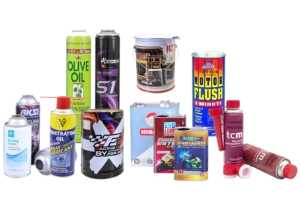
A Blechdose looks simple—until one fails on a warehouse floor and your whole production line grinds to a halt. In chemical and aerosol packaging, that little metal cylinder is the unsung bouncer at the club, keeping pressure in and problems out. When it works, nobody notices. When it doesn’t, everyone does.
Procurement teams feel the squeeze—tight margins, stricter compliance, zero room for leaks. One weak seam can torch trust faster than a viral bad review.
The right manufacturer isn’t just stamping steel. It’s precision, coating science, pressure control—peace of mind packed in metal.
Choose from straight-sided, tapered, dreiteilig, or two-piece designs to optimize palletization, Oberflächenbehandlung, and automated assembly compatibility.
Employ specialized linings and corrosion-resistant coatings to extend shelf life, withstand environmental stress, and preserve product efficacy.
Rely on real-time inventory systems, Materialrückverfolgbarkeit, and technical data sheets to shorten lead times and simplify regulatory compliance.

Leverage robotic forming, Crimpen, and actuator installation to maintain uniform batch quality and reduce defects.
Utilize advanced metering systems for accurate propellant, Wirkstoff, and fill volumes, ensuring compliance and zero overfill.
Apply standardized leak detection protocols to verify sealing integrity, prevent propellant loss, and meet flammability regulations.


Tin can production isn’t just about shaping metal. It’s about speed, Kontrolle, and getting every tin, every can, and every metal can right the first time. From automation to inventory flow, efficient tin can manufacturers turn simple steel can packaging into high-performance systems that just work.
In modern tin can manufacturing, Automatisierung drives everything. At the core of the Fließband:
This structured Herstellungsprozess hält Serienfertigung stabil, reducing human variation and tightening Qualitätskontrolle. Inside a high-speed tin can facility, sensors monitor pressure points on every can. Wenn Abweichung auftritt, the line self-adjusts. So geht's Konsistenz becomes routine instead of luck.
Filling a tin can sounds simple. Das ist es nicht. Within advanced filling stations:
Each stage protects Füllgenauigkeit und steigert Präzision. Under that system:
A well-calibrated tin can filling line reduces overfill, underfill, and scrap. That’s straight Kostenreduzierung with better Effizienz.
Sealing is where a tin can earns its reputation. Testing layers typically include submersion pressure checks, vacuum decay monitoring, and micro-leak electronic detection.
Das schützt Versiegelungsintegrität und insgesamt Containerintegrität.
Laut Smithers‘ 2025 Globaler Verpackungsausblick, metal packaging demand continues rising due to “its superior barrier performance and durability under pressure conditions.”

A tin can is only as good as its spray. Innerhalb der Ventilsystem architecture:
Paired with smart Verpackungsdesign, these refinements improve product dispensing speed without overspray. Ergebnis? Kürzer dispensing time, glatter Benutzererfahrung, und schneller operational speed.
Efficiency doesn’t stop at the factory door. Im Inneren Lieferkette Netzwerk, layers build resilience while pushing lead time minimization.
Every tin can must protect what’s inside. Einhaltung globaler Standards secures Einhaltung gesetzlicher Vorschriften and protects Verbrauchersicherheit.
Geschwindigkeit zählt. Stockouts hurt. Innerhalb integrated systems, data connects raw tin sheet stock, semi-finished can bodies, and completed tin can pallets. This structure strengthens stock control and sharpens Ressourcenzuteilung.
Operational Flow Alignment:
Sales data sync ensures accurate predictions.
Line capacity checks prevent bottlenecks.
Order prioritization and shipment confirmation.
That alignment boosts Produktionseffizienz, smooths Auftragserfüllung, and delivers genuinely schnellere Abwicklung. When tin can inventory moves with clarity instead of guesswork, manufacturers stay calm—even during peak demand.


A Blechdose mag einfach aussehen, yet its body style changes how it performs in storage, Versand, und den täglichen Gebrauch. From classic food cans to modern aerosol can packaging, every metal can design affects strength, kosten, und Handhabung. If you're sourcing a tin can, Kanister, or steel can solution, understanding body construction helps you avoid guesswork and pick what actually fits your product.
Straight-sided Blechdose designs are built around material clarity and predictable performance.
Hoch Haltbarkeit. Zuverlässig Dicke Kontrolle.
Leicht. Stark natürlich Korrosionsbeständigkeit.
Classic food-grade surface. Easy internal Beschichtung Anwendung.
Für Marken wie FANXUN, straight-wall metal can formats keep filling lines steady and compliance stress low.
Tapered tin can bodies are shaped with logistics in mind. In day-to-day Transport, tapered steel can formats cut wasted air space. Less shifting. Less breakage. Mehr Einheiten pro Palette.
Three-piece tin can construction relies on a body sheet plus top and base. This format suits food tin packaging and industrial can use where surface treatment really matters.
Two-piece tin can bodies remove the side seam entirely. Less seam exposure means fewer weak points. For high-volume metal can programs, FANXUN supports standardized lid and body systems that keep tin can production consistent and scalable.



Tin can performance isn’t luck. From coating chemistry to pressure balance, each tin, Metalldose, and steel can depends on precise controls that keep the tin can strong, sicher, und regalfertig.
For every tin can, corrosion control starts at the surface and works inward.
Wann Barriereeigenschaften are balanced with adhesion strength, the metal can resists oxidation, Fleckenbildung, and flavor shift. That’s how a tin can avoids rust creep even after long storage.
A tough steel can is built from traceable data, keine Vermutung.
Each tin can is tracked from coil to finished unit. If crimping pressure spikes during filling, the recorded specs explain why the metal can holds shape instead of buckling.
Storage can make or break a tin.
Under stable Lagerbedingungen, the tin can keeps seam alignment tight and coatings intact.

High-output aerosol use pushes a tin can hard.
When pressure math lines up with metal strength, the steel can performs without swelling or seam split.
Long shelf life isn’t magic; it’s documented proof.
With data in hand, each tin can earns its shelf time. A well-made tin can simply stays solid, stetig, und bereit für den Gebrauch.


Corrosion resistance in a Blechdose is not just about metal thickness. It ties directly to Gefahrstoffe, Beschichtungschemie, and safe handling rules. From classic food tin packaging to modern tin-plated steel containers, every can of tin food relies on smart chemical control to stay safe and stable.
Corrosion protection inside a Blechdose often involves coatings, curing agents, and cleaning solvents that fall under strict Einstufung Regeln.
When a damaged tin can coating line produces off-spec material, operators document chemical class, assign waste codes, and move it through compliant Abfallmanagement Kanäle. Keine Abkürzungen. Corrosion inhibitors used in food cans must also meet food-contact limits before disposal routes are cleared.
Not all coatings for a tin can behave the same once scaled up. Key review angles include Umweltauswirkungen of solvent emissions, Emissionen from curing ovens, Resource consumption in water rinsing, and Long-term Nachhaltigkeit of resin supply.

| Parameter | Wert |
|---|---|
| VOC-Emissionen (g/m²) | 45 |
| Energieverbrauch (kWh/1000 cans) | 320 |
| Wasserverbrauch (L/1000 cans) | 150 |
| Ausschussrate (%) | 2.8 |
| Parameter | Wert |
|---|---|
| VOC-Emissionen (g/m²) | 12 |
| Energieverbrauch (kWh/1000 cans) | 290 |
| Wasserverbrauch (L/1000 cans) | 220 |
| Ausschussrate (%) | 3.5 |
| Parameter | Wert |
|---|---|
| VOC-Emissionen (g/m²) | 18 |
| Energieverbrauch (kWh/1000 cans) | 305 |
| Wasserverbrauch (L/1000 cans) | 160 |
| Ausschussrate (%) | 2.4 |
Ein richtiges Assessment blends plant data with Life cycle analysis, checking mining of tin plate, transport of resin, and end-of-life recycling of the tin-plated can. Food tin packaging that looks simple on a shelf can carry very different carbon numbers depending on coating choice.
Every coating used inside a tin can must be backed by formal paperwork. Kein Raten.
For food cans and other tin packaging formats, Product safety depends on traceable documentation. If a corrosion inhibitor changes by even a minor percentage, updated Anmeldung files and revised Einhaltung gesetzlicher Vorschriften checks are triggered. That’s how a simple tin can on a store shelf stays safe from factory floor to recycling bin.


Choosing the right tin can manufacturer is not just about buying a metal container. It’s about precision, Sicherheit, und langfristiger Wert. A reliable partner shapes every tin can, Metalldose, and steel can to match product performance while keeping costs steady and quality tight.

In Aerosolverpackung, jeder Blechdose counts. Real customization in OEM-Fertigung goes far beyond label printing.
A trusted tin can factory like FANXUN aligns Customization options with actual filling line data. Das Ergebnis? A tin can that sprays clean, dichtet ab, and feels right in hand. Not just a can tin body, but a refined aerosol system.