
 Dansk
Dansk English
 العربية
 Bosanski jezik
 Čeština
 Nederlands
 Wikang Filipino
 Suomi
Suomi Français
 Deutsch
 Magyar
 Íslenska
 Bahasa Indonesia
 Italiano
 日本語
日本語 한국어
한국어 Bahasa Melayu
 Polski
 Português
 Русский
 Cрпски језик
 Español
 ภาษาไทย
 Türkçe
 Tiếng Việt
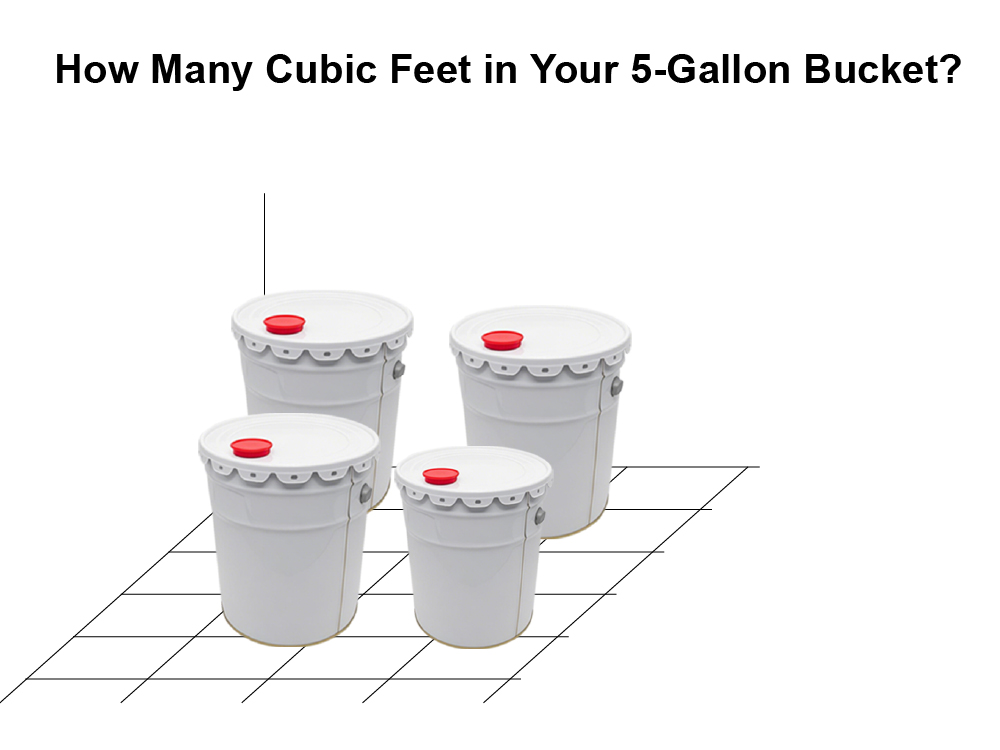
Det er et almindeligt spørgsmål, om du er en ivrig gartner, en gør-det-selv-entusiast, eller bare prøver at finde ud af lagerplads: præcis hvor meget kan den trofaste 5-gallon spand rumme i form af kubikfod? Du planlægger måske at blande beton, afsætte jord til dine planter, eller opbevare materialer, og at kende denne konvertering kan være utrolig praktisk. Lad os dykke ned og afmystificere dette for dig.
Det ligetil svar er:
En 5-gallons spand rummer ca 0.6684 kubikfod.
Men hvordan kommer vi til det tal, og hvorfor er det vigtigt? Lad os bryde det ned.
Forståelse af enhederne: Galloner vs. Kubikfod
Først, det hjælper at forstå, hvad disse enheder måler.
- Gallon (amerikansk væske): Dette er en volumenenhed, der almindeligvis bruges til væsker i USA. Når vi taler om en 5-gallon spand, vi refererer typisk til den amerikanske flydende gallon.
- Kubikfod: Dette er en volumenenhed, der måler pladsen optaget af en terning med sider af 1 fod i længden. Forestil dig en kasse, der er 1 fod bred, 1 fod dyb, og 1 fod høj - det er en kubikfod.
Hvorfor konvertere mellem dem? Undertiden, materialer (som jord, sand, eller grus) sælges eller måles i kubikfod, mens din blandebeholder er en velkendt 5-gallon spand. At kende konverteringen hjælper dig med at måle og blande nøjagtigt.
Konverteringen forklaret
Kernen i konverteringen ligger i dette forhold:
- 1 amerikansk flydende gallon = 0.1336805556 kubikfod
For at finde ud af, hvor mange kubikfod der er i en 5-gallon spand, du formerer dig simpelthen:
Til de fleste praktiske formål, afrunding til 0.6684 kubikfod er helt i orden. Du kan også tænke på det i form af en brøkdel: en 5-gallon spand er præcis kubikfod.
En anden måde at tænke det på er det:
- 1 kubikfod 7.48 amerikanske flydende gallons
Så, hvis du har plads til 1 kubikfod, du kunne passe nogenlunde væske ind i den.
Praktiske applikationer: Hvorfor dette betyder noget for dig
At kende kubikoptagelserne af din 5-gallons spand kan være nyttigt i forskellige situationer:
- Havearbejde:
- Pottejord: Poser med pottejord sælges ofte i kubikfod. Hvis en pose indeholder 2 kubikfod jord, du ved, at du kan fylde cirka tre 5-gallon spande ().
- Ændringer: Ved blanding af jordtilbehør som kompost eller perlit, du kan opnå bedre forhold.
- DIY & Konstruktion:
- Blanding af beton eller mørtel: Instruktioner for beton eller mørtel angiver ofte volumenforhold eller kræver et vist udbytte i kubikfod. En 5-gallon spand er et almindeligt værktøj til at måle vand, sand, og grus.
- Beregning af materialer: Hvis et projekt kræver et vist antal kubikfod sand eller grus, du kan finde ud af, hvor mange spandefulde du skal bruge.
- Vandsport:
- Små damme eller akvarier: Mens større volumener normalt kun måles i gallons, forståelse af den rumlige volumen kan være nyttig i planlægningen.
- Opbevaring & Organisation:
- Rumberegning: Hvis du opbevarer flere 5-gallon spande, at kende deres kubikoptagelser kan hjælpe dig med at vurdere, hvor meget lagerplads de vil optage.
- Indeslutning af spild & Væskehåndtering:
- Mens spanden er vurderet til 5 liter væske, at forstå dets volumen i kubikfod kan være relevant i visse industrielle eller sikkerhedsmæssige sammenhænge.
Hurtig konverteringstabel
Her er en praktisk tabel til almindelige spandestørrelser og deres omtrentlige kubikfodsækvivalenter:
Note: Værdier er afrundet for enkelhedens skyld.
Aspekter at overveje, før du måler
Mens den matematiske konvertering er ligetil, her er et par punkter i den virkelige verden, du skal huske på:
- Faktisk skovlvolumen: Ikke alle spande markedsføres som “5-gallon” holde præcis 5.000 liter til randen. Der kan være små variationer mellem producenterne. Nogle har også en udfyldningslinje, der kan være lidt under den absolutte top.
- Spandform: De fleste 5-gallon spande er tilspidsede (bredere foroven end forneden). Det angivne volumen er typisk den maksimale væskekapacitet.
- Tør vs. Flydende materialer: De bind konvertering er den samme, uanset hvad der er indeni. Imidlertid, hvordan materialer afregne kan afvige. For eksempel, luftig pottejord kan komprimere med tiden, mens væsker vil fylde rummet mere ensartet. Ved måling af tør, løse materialer, du får måske ikke præcis det samme “pakning” som du ville med en væske.
- Nøjagtighedskrav: Til afslappet havearbejde, et tæt skøn er normalt tilstrækkeligt. Til opgaver, der kræver præcise mål (som at blande specifikke kemiske forhold), sikre, at dine målinger er så nøjagtige som muligt, måske ved at bruge graduerede markeringer, hvis de er tilgængelige på din spand.
- US Gallons vs. Kejserlige galloner: Konverteringen brugt her () er for amerikanske flydende gallons. En kejserlig gallon (bruges i nogle andre lande) er større (tilnærmelsesvis 1.2 amerikanske gallons). Imidlertid, standarden “5-gallon spand” i USA refererer til amerikanske gallons.
Ofte stillede spørgsmål (Ofte stillede spørgsmål)
Q1: Hvad er den nøjagtige omregningsfaktor for amerikanske gallons til kubikfod? A1: 1 US flydende gallon er præcis kubikfod, hvilket er lig med 0,1336805555… kubikfod.
Q2: Hvorfor skulle jeg konvertere gallon til kubikfod? A2: Denne konvertering er almindelig, når materialer som jord, sand, grus, eller betonkomponenter sælges eller specificeres i kubikfod, men du bruger en gallon-denomineret beholder (som en 5-gallon spand) til måling eller blanding.
Q3: Ændrer typen af materiale i spanden kubikfod? A3: Ingen, volumenet i kubikfod forbliver det samme. 0.6684 kubikfod er et mål for plads. Imidlertid, de vægt af 5 liter af forskellige materialer vil variere betydeligt (f.eks., 5 liter fjer vs. 5 liter sten).
Q4: Er alle 5-gallon spande nøjagtig samme størrelse? A4: Mens de er designet til at holde ca 5 gallons, der kan være små variationer i nøjagtige dimensioner og samlet volumen fra en producent til en anden. De fleste er meget tæt på af praktiske grunde.
Q5: Hvor meget vejer en 5-gallon spand vand? A5: Vand vejer ca . Så, en 5-gallon spand vand ville veje ca , plus vægten af selve spanden.
Q6: Hvor mange 60 lb-sække med betonblanding passer i en 5-gallons spand? A6: Dette afhænger af densiteten af betonblandingen. En typisk 60 lb pose betonblanding giver ca 0.45 kubikfod beton. Da en 5-gallon spand er ca 0.67 kubikfod, du kan have plads til mere end én taske tørre, ublandet pulver i en spand, men du ville ikke blande så meget beton i en enkelt 5-gallon spand på én gang. Man blander normalt én pose (eller mindre) ad gangen, og 5-gallon spanden bruges ofte til at måle vandet eller de tørre komponenter, hvis der blandes fra bunden. En 60lb pose tørblanding i sig selv har et volumen; det kan ofte passe i en 5-gallon spand, før der tilsættes vand, men det ville være meget fyldt.
Som konklusion
Så, næste gang du får fat i din 5-gallons spand til et projekt, du ved, det repræsenterer ca 0.6684 kubikfod af brugbar plads. Denne enkle konvertering kan gøre planlægningen af dine opgaver, indkøb af materialer, og opnå de rigtige blandinger meget nemmere og mere præcist. Uanset om du plejer din have eller bygger noget nyt, at forstå disse mængder hjælper dig med at arbejde smartere.
Hvis du har brug for skovle af høj kvalitet til ethvert projekt, FANXUN er en skovlproducent og leverandør i verdensklasse. De kan levere produkter i en bred vifte af forskellige specifikationer, materialer, og former for at opfylde dine specifikke krav, sikrer, at du har den rigtige container til enhver opgave.



