
 English
 العربية
 Bosanski jezik
 Čeština
 Dansk
Dansk Nederlands
 Wikang Filipino
 Suomi
Suomi Français
 Deutsch
 Magyar
 Íslenska
 Bahasa Indonesia
 Italiano
 日本語
日本語 한국어
한국어 Bahasa Melayu
 Polski
 Português
 Русский
 Cрпски језик
 Español
 ภาษาไทย
 Türkçe
 Tiếng Việt
You’d think picking aerosol valve manufacturers would be a walk in the park—just metal, plastic, and a spring, right? But mess up that choice, and suddenly your production line’s backed up like Friday traffic on I-405. Big names in chemical and industrial sectors know: valves aren’t just parts—they’re pressure points.
“We’ve seen clients lose six figures over one bad batch of valves,” says Chen Yao, Senior Engineer at FANXUN (2024 Q2 Supplier Quality Review). “It’s not about the unit cost—it’s about what it costs you when things go sideways.”
Some buyers still chase rock-bottom prices without checking for REACH compliance or ISO 9001 certs. Others skip asking if the valve can handle ethanol blends or foaming agents until batch #12 goes haywire.
If performance failures make your skin crawl—or if you’re done babysitting unreliable suppliers—keep reading. This is where we separate the slick talkers from real partners.
Essential Insights from Aerosol Valve Manufacturers
- Material Compatibility: Choose valve components like aluminum and rubber that ensure durability and compatibility with your applications.
- Quality Certifications: Prioritize manufacturers with ISO 9001 and FDA approvals to guarantee adherence to quality and safety standards.
- Valve Types Understanding: Familiarize yourself with various valve types, including metered dose and specialty actuators, to match them to your specific needs.
- Innovation in Design: Seek manufacturers that offer advanced features such as leak-proof sealing technologies and adjustable spray rates for enhanced performance.
- Support Services: Strong after-sales support and technical consultation can significantly impact long-term operational efficiency.
- Geographic Sourcing Evaluation: Assess the advantages of sourcing from manufacturers in North America or Asia for logistics and cost benefits.
- Customization Options Importance: Consider customization possibilities to tailor valves for unique applications and requirements.
Top 5 Factors to Consider When Choosing Aerosol Valve Manufacturers

Choosing the right aerosol valve manufacturers can make or break your product’s performance. Here’s what really matters when picking a reliable partner.
Material Compatibility: Selecting the Right Valve Components
✔ Start with chemical compatibility—ensure your formulation doesn’t corrode the valve.
✔ Choose between metal alloys, like stainless steel, and plastics based on the product’s pH level.
✔ Don’t overlook elastomer seals—they must hold up against solvents and propellants.
✔ For eco-friendly products, opt for recyclable materials like aluminum or PET-based plastic parts.
In short, if your formula eats rubber or melts plastic, you’ve got a problem. The right material mix ensures durability and keeps leakage at bay.
Understanding Different Types of Aerosol Valves
- Continuous Spray Valves – Ideal for hair sprays and air fresheners.
- Metering Valves – Deliver precise doses, perfect for pharmaceuticals.
- Bag-on-Valve (BOV) Systems – Keep product separate from propellant; great for creams.
- Tilt-Action Valves – Used in novelty sprays and decorative aerosols.
- Inverted Valves – Designed to spray upside down without clogging.
Each type has its own quirks—so match the dispensing mechanisms with your product’s behavior under pressure.
Key Features: Technology in Valve Design
• Leak-proof sealing is non-negotiable—nobody wants a leaky can on store shelves.
• Adjustable flow rates let users control how much they spray, which boosts satisfaction big time.
• Advanced valve technology now includes smart actuators with ergonomic designs that reduce finger fatigue during use.
Grouped below are three tech-forward features:
- Spray patterns: Fine mist vs directional stream
- Pressure regulation: Keeps output consistent regardless of fill level
- Propellant systems: CO₂ vs hydrocarbon-based systems offer different performance dynamics
Tech isn’t just for smartphones—your aerosol valve deserves innovation too.
Importance of Certification: Ensuring Quality and Safety
| Certification Type | Governing Body | Relevance | Common Industries |
|---|---|---|---|
| ISO 9001 | ISO | Quality Management Systems | All Manufacturing |
| FDA Approval | U.S. FDA | Health & Safety Compliance | Pharmaceuticals & Cosmetics |
| GMP Compliance | Local Agencies | Good Manufacturing Practices | Food & Medical |
| Product Testing | Third Parties | Performance Consistency | Consumer Goods |
If your supplier skips these certifications, run—not walk—the other way. These aren’t just stamps; they’re proof your aerosol valves won’t fail under pressure (literally).
Geographic Sourcing: Evaluating Manufacturer Locations
Group A – North America:
• Shorter lead times
• Easier communication due to language/culture alignment
• Higher labor costs but tighter quality control
Group B – Asia:
• Lower unit pricing due to economies of scale
• Flexible MOQs (Minimum Order Quantities)
• Must manage timezone gaps and longer shipping durations
Supply chain isn’t just about distance—it’s about trust, speed, compliance with regional rules, and hidden costs like customs delays or lack of local support teams.
When evaluating global sourcing options for aerosol valve components, brands like FANXUN stand out by balancing cost-efficiency with top-tier reliability across continents.
Common Mistakes When Selecting Aerosol Valve Manufacturers
Choosing the right aerosol valve manufacturers isn’t just about price—it’s about avoiding pitfalls that can cost you down the line.

Overlooking Quality Certifications: Why They Matter
- ISO 9001 and 14001 aren’t just fancy badges—they show that a manufacturer meets global quality and environmental standards.
- Without proper certifications, your products might fail compliance audits or face import restrictions.
- Some buyers skip this step, only to discover later that their supplier doesn’t meet REACH or RoHS regulations, which is a deal-breaker for EU markets.
Aerosol valve suppliers without verified compliance records often cut corners—don’t let that bite you after launch. Always ask for recent audit reports.
Ignoring Manufacturing Processes: The Impact on Valve Performance
| Manufacturer | Assembly Precision (μm) | Defect Rate (%) | Process Automation Level |
|---|---|---|---|
| Vendor A | 5 | 0.8 | High |
| Vendor B | 12 | 2.3 | Medium |
| Vendor C | 7 | 1.1 | High |
| Vendor D | 10 | 3.0 | Low |
The way an aerosol valve gets built—right from raw materials to final assembly—can make or break its performance. Sloppy manufacturing processes lead to inconsistent spray patterns, leakage, or early failure under pressure.
If you’re sourcing from unknown aerosol valve makers, ask about their tolerances and how they manage internal quality control checkpoints.
Not Considering Customization Options: Tailoring to Your Needs
• Need a non-standard stem length? Or maybe a unique actuator design? If your supplier lacks real flexibility, you’re stuck with off-the-shelf parts not made for your product vision.
• Many newer brands forget how critical it is to match exact spray rates or chemical compatibility requirements—customized valves help nail that down.
FANXUN offers tailored solutions designed around precise customer specs, ensuring every component aligns with your product’s specific use case—not someone else’s.
Underestimating Technical Support: A Critical Factor
“You don’t realize how vital good tech support is until something goes sideways,” said Global Aerosol Insights in their May 2024 report on post-sale performance metrics across packaging suppliers.
Here’s what top-tier technical support looks like:
- Fast response when issues pop up during filling lines.
- Proactive guidance on compatibility between propellants and components.
- Access to seasoned engineers who understand both mechanical tolerance and chemical behavior.
Don’t settle for generic after-sales service—look for partners who bring real-time problem-solving skills into play when it counts most.
When working with aerosol valve producers, especially new ones, strong technical backup means fewer headaches—and faster recovery if anything goes off track.
How to Ensure Compliance with Aerosol Valve Standards
Navigating compliance in the aerosol valve world means juggling safety, quality, and environmental rules—without dropping the ball.

Key Certifications: ISO 9001 and FDA Approval
• ISO 9001 isn’t just paperwork—it’s your golden ticket for proving solid quality management systems.
• For anything even remotely medical or food-related, FDA Approval is non-negotiable.
• These certifications help aerosol valve manufacturers stay legit across global markets.
→ According to Intertek’s Q2-2024 Global Regulatory Index, over “78% of rejected aerosol products were linked to missing or invalid certifications.”
Getting certified isn’t just about ticking boxes—it’s about building trust with regulators and customers alike.
Material Compliance: REACH and RoHS Explained
REACH and RoHS might sound like alphabet soup, but they’re actually lifelines for staying green and legal:
➊ REACH regulates chemical substances used in manufacturing—think long-term health impacts.
➋ RoHS, on the other hand, limits hazardous materials like lead or mercury in electronics.
These EU directives aren’t optional if you want your valves sold across Europe. And yes, enforcement’s getting tighter every year.
| Regulation | Scope | Region | Focus Materials |
|---|---|---|---|
| REACH | All chemicals | EU | SVHCs & registration |
| RoHS | Electrical components | EU | Lead, Mercury, Cadmium |
| TSCA | Industrial chemicals | USA | Existing/new chemicals |
| Prop65 | Consumer goods | California | Carcinogens & toxins |
Stay sharp—non-compliance can cost more than you think.
Understanding NSF Guidelines for Potable Water Applications
✓ If your product touches drinking water—even indirectly—you’ll need to meet strict NSF Guidelines.
✓ These cover material safety, leak-proof design, and resistance to microbial contamination.
✓ For any aerosol valve manufacturer, ignoring this could mean lawsuits or recalls.
Fun fact? NSF/ANSI Standard 61 is the one most commonly cited when testing valves used near potable water lines. Keep that one on your radar.
Why Certification Audits Matter More Than Ever
In today’s market? Audits are no joke:
- They verify ongoing compliance—not just a one-time pass.
- Surprise inspections keep things real.
- Third-party reviews boost buyer confidence big time.
- Documentation trails must be squeaky clean—no shortcuts here.
For any serious player among global aerosol valve manufacturers, regular audits are less about fear—and more about future-proofing operations.
Common Pitfalls That Lead to Non-compliance
⛔ Using outdated material specs without checking against newer regulations
⛔ Ignoring post-certification maintenance requirements
⛔ Assuming FDA approval covers all international standards—it doesn’t!
⛔ Failing internal training on updated compliance protocols
Even top-tier teams slip up when they treat certification as a “set it and forget it” deal. Don’t be that team.
Aligning Internal Processes with External Standards
It’s not enough for an engineer or two to know the rules:
– Procurement must source only compliant raw materials aligned with REACH/RoHS.
– QA teams should cross-check every batch against documented specs tied to ISO standards.
– Product designers need early-stage input on NSF compatibility if targeting potable water applications.
This kind of alignment keeps internal chaos from derailing external approvals—and makes life easier come audit season.
Regional Variations in Certification Requirements
Different countries = different headaches:
✔ North America leans heavily on FDA + ANSI standards for consumer safety.
✔ The EU enforces REACH/RoHS with some of the strictest penalties globally.
✔ China has GB/T equivalents but also requires local testing labs for certification validity.
If you’re an international player among top-tier aerosol valve manufacturers, mastering these regional quirks can make all the difference between smooth customs clearance—or seized shipments at port inspection zones.
Integrating Compliance into Product Lifecycle Management
From sketchpad to shelf-ready product:
① Start by embedding compliance checks right into R&D workflows
② Use digital PLM tools that auto-flag non-compliant materials
③ Maintain traceable logs from prototype through final production
④ Schedule periodic reviews as regulations evolve
“Compliance isn’t an afterthought—it’s baked into our design DNA,” said Lauren Kim, Regulatory Director at FANXUN during her April ’24 keynote at ValveTech Expo Asia-Pacific. That mindset is what separates reactive firms from proactive leaders in this space.
4 Signs of a Reliable Aerosol Valve Manufacturer
Looking for top-notch aerosol valve manufacturers? These five signs separate the real pros from the rest.

Proven Track Record: Assessing Manufacturer Experience
When you’re sizing up aerosol valve manufacturers, experience isn’t just a bonus—it’s non-negotiable. Here’s how to spot those with serious industry chops:
- Longevity in the business—anything over a decade shows they’ve weathered market shifts.
- A strong reputation backed by consistent product delivery and minimal recalls.
- Solid client testimonials that speak to reliability, not just flashy marketing.
- Recognized industry awards or certifications that prove their place among top-tier suppliers.
- A wide-ranging market presence, especially across multiple continents or industries.
- Documented case studies showing successful partnerships and long-term contracts.
- Verifiable history of meeting deadlines and maintaining high production standards.
If a manufacturer can tick most of these off, you’re probably dealing with someone who knows their stuff.
Robust After-sales Support: A Valuable Indicator
Support doesn’t stop when the invoice clears—and it shouldn’t. The best aerosol valve producers keep customers covered long after delivery.
• Fast-response technical support teams help troubleshoot issues before they escalate.
• Clear warranty terms show confidence in product durability.
• Access to critical spare parts ensures minimal downtime when replacements are needed.
And let’s not forget ongoing training or usage guidance—these aren’t extras; they’re essentials for keeping your production humming smoothly.
You’ll also want to see evidence of strong customer service, especially when unexpected problems crop up months down the line. If you find a supplier known for excellent post-sale follow-through, hang on tight—they’re worth it.
High-Quality Materials: Assurance Against Failure
Not all valves are created equal—and neither are their components. Quality-focused aerosol valve suppliers don’t cut corners on materials:
- Use of corrosion-resistant metals like stainless steel, which boosts lifespan significantly.
- Strict adherence to international material standards, ensuring consistency batch after batch.
- Sourcing only premium-grade plastics and rubbers that resist deformation under pressure.
- Regular audits and testing protocols confirming raw material integrity before assembly.
- Emphasis on durable design practices that reduce wear over time and prevent leakage failures.
These quality markers aren’t just about longevity—they’re also about reducing risk, downtime, and liability in your supply chain.
Innovation in Design: Keeping Up with Market Trends
Staying current is more than a buzzword—it’s survival in this game. Leading aerosol valve makers push boundaries through smart design choices.
They often blend:
- Active investment in research & development, not just recycling old molds year after year;
- Attention to modern consumer needs—like adding ergonomic triggers or child-safe locking systems;
- Adoption of cutting-edge tech such as digital prototyping or AI-driven performance testing;
- Filing fresh patents to protect novel solutions and gain a clear market edge;
It’s this constant evolution that separates innovators from imitators. If your supplier is still pushing designs from five years ago, it may be time to upgrade your partnership—not just your valves.
Reliable aerosol valve manufacturers don’t simply meet expectations—they raise them through forward-thinking engineering every step of the way.
Cost versus Quality: Choosing Your Aerosol Valve Manufacturer
Getting the best out of your aerosol valve manufacturers means knowing where your money goes and how long the product will last. Let’s break it down.
Evaluating Cost Structures: Understanding What You Pay For
- Know what’s behind the price tag:
- Raw material costs can vary wildly depending on global supply chains.
- Labor expenses shift based on region and skill level.
- Hidden fees? Think about shipping costs, import duties, and taxes.
- Watch for these pricing models:
- Fixed-rate per unit
- Tiered pricing with volume discounts
- Total package deals that factor in manufacturing overhead
Pricing transparency matters. Some suppliers may offer deceptively low base prices but inflate costs through vague service charges later on. Always calculate the full total cost of ownership, not just the upfront figures.
Comparing Quality Standards: Assessing Material Types
Not all valves are created equal — and materials tell you everything. Whether you’re sourcing from local or global aerosol valve manufacturers, what goes into the valve defines its life span and safety profile.
| Material Type | Corrosion Resistance | Durability Rating | Certification Compliant |
|---|---|---|---|
| Stainless Steel | High | Excellent | Yes |
| Aluminum Alloy | Medium | Good | Yes |
| Custom Composite | Very High | Exceptional | Pending |
| Standard Brass | Low | Moderate | No |
Every component matters — from seals to springs to actuator buttons. Choose partners who back their parts with strong quality control, verified by third-party audits and recognized industry certifications. FANXUN, for example, uses stringent in-house testing protocols that ensure every batch meets international standards for performance under pressure.
Balancing Short-term Savings with Long-term Performance
Chasing cheap can cost you big later. Here’s why smart buyers think long-game when evaluating aerosol valve manufacturers:
• A lower initial price might mean higher failure rates — cue frequent replacements, downtime, or worse, customer complaints.
• Consider how often products need servicing; poor-quality valves increase your system’s overall maintenance frequency.
• Strong warranties hint at confidence in build quality — always check those fine-print details around coverage and duration.
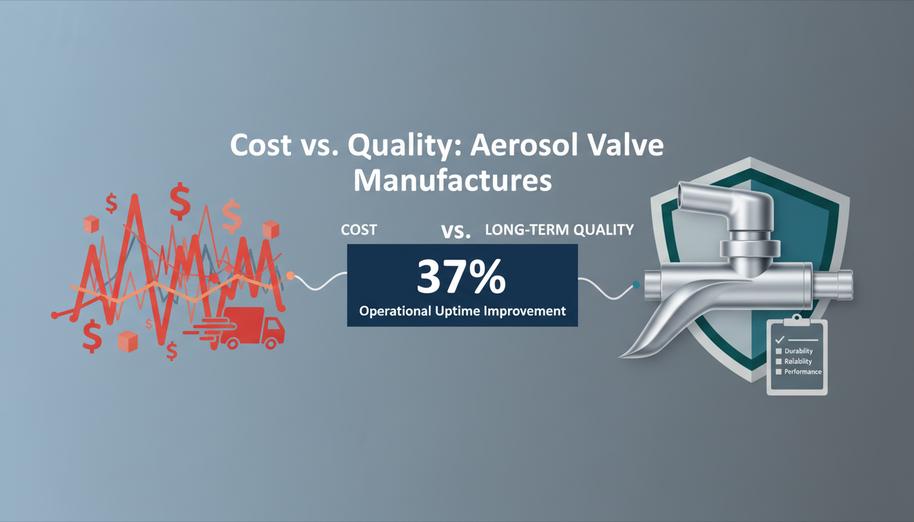
According to a March 2024 report by Global Packaging Systems Review, “Companies that prioritize lifecycle value over sticker price see up to a 37% improvement in operational uptime.”
So ask yourself — is short-term savings worth risking your brand’s image? Durable valves enhance both product consistency and your company’s reputation for reliability. That’s real ROI — not just numbers on paper but smoother operations day after day.
In the end, finding reliable aerosol valve suppliers isn’t just about cost-cutting or material specs; it’s about aligning with partners who understand performance expectations across time zones, industries, and shelf lives.
FAQs
What should guide my choice of aerosol valve manufacturers for tough industrial applications?
Selecting a partner is part science, part instinct.
- Match materials to the challenge: stainless steel valve components for harsh solvents, aluminum parts for light but durable builds.
- Seek adjustable spray rate capabilities if precision matters in coatings or adhesives.
- Ensure leak-proof sealing technology protects workers and product integrity in all environments.
How do certifications bolster trust when scaling up production?
Certifications are more than stamps; they’re promises kept over thousands of deliveries—ISO 9001 ensures consistency, REACH compliance guards material safety, RoHS keeps heavy metals at bay, NSF seals drinkable-water safety, and FDA approval speaks for medical-grade reliability in pharmaceutical aerosol delivery devices.
Why does material choice shape both longevity and end-user experience?
Each component tells its own survival story: rubber gasket sealing materials fight leaks under households’ daily bursts; custom alloy valve components stand up to agricultural chemical spraying’s punishing rhythm; stainless steel finishes resist corrosion from industrial spray paints long after launch day.
Can customization change performance outcomes? Absolutely—how so?
By weaving needs into designs: vertical action aerosol valves can carry child-resistant locking mechanisms; metered dose aerosol valves offer measured control for cosmetic product dispensing systems; tilt action forms bring ergonomic ease without wasting an ounce of content inside the container.
Does sourcing location alter cost balance and timeline confidence? And why might that matter?
Yes—it shifts the whole equation: Asian valve component sourcing options keep unit prices low, North American distribution tightens delivery windows during urgent runs; European facilities deliver high craft quality that suits premium markets while global logistics management services align every hub like clockwork gears.
Why should after-sales technical assistance be non-negotiable in major supply deals?
Because problems knock on doors unannounced—custom design engineering support helps rebuild plans fast; failure analysis investigation solves small glitches before they spiral outwards; technical consultations ensure future batches hit every mark without re-living yesterday’s mistakes—and those human connections often make all the difference between losing time or gaining it back tenfold.
References
- Aerosol valve manufacturers – fxtincan.com
- REACH compliance – environment.ec.europa.eu
- ISO 9001 – quality-one.com
- FDA approvals – fda.gov
- Adjustable spray rates – cnpancan.com
- Stainless steel – industrialmetalservice.com
- Bag-on-Valve (BOV) – lindalgroup.com
- Dispensing mechanisms – cnshining.com
- Valve technology – aptar.com
- Import restrictions – trade.gov
- RoHS – instrktiv.com
- Aerosol valve producers – aeropak.com
- Global Regulatory Index – intertek.com
- Prop65 – oehha.ca.gov
- NSF Guidelines – barnwell.co.uk



