 English
 العربية
 Bosanski jezik
 Čeština
 Dansk
Dansk Nederlands
 Wikang Filipino
 Suomi
Suomi Français
 Deutsch
 Magyar
 Íslenska
 Bahasa Indonesia
 Italiano
 日本語
日本語 한국어
한국어 Bahasa Melayu
 Polski
 Português
 Русский
 Cрпски језик
 Español
 ภาษาไทย
 Türkçe
 Tiếng Việt
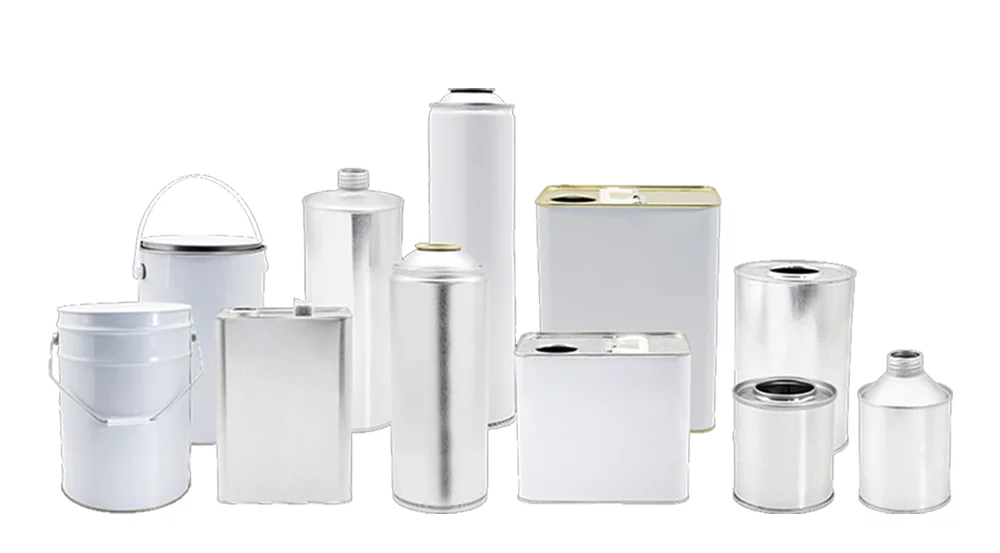
Buying wholesale tin cans in bulk isn’t just a numbers game—it’s a trust fall with your brand on the line. One weak seam, one sloppy inner coating, and suddenly your product smells off or leaks like a bad secret. For procurement managers, that’s not a hiccup—that’s a five-alarm fire. Price tags matter, sure, but consistency, compliance, and shipping survival matter more when pallets are stacked sky-high and deadlines won’t budge.
The global metal packaging market was valued at over $140 billion in 2023, according to Grand View Research—steady growth, tight competition, zero room for rookie mistakes.
So before you shake hands on a bulk deal, check the coatings, certifications, pallet specs, and production controls. Because in this business, cutting corners doesn’t trim costs—it writes headlines.
Quick Answers: Wholesale Tin Cans Essentials
➔ Coating & Compliance: Verify FDA approval, ISO 9001, and choose epoxy or BPA-free linings to extend shelf life and prevent metal migration.
➔ Packaging & Shipping: Opt for palletized shipments with bulk packaging, optimized container loading, and accurate lead‐time planning for damage-free delivery.
➔ Supplier Credibility: Inspect deep drawing or impact extrusion processes, review warehousing solutions, and secure long‐term supply agreements for consistent quality.
How Do Tin Can Coatings Impact Shelf Life?
Shelf life is not just luck. It comes down to coating science, metal choice, and smart production. For brands sourcing wholesale tin cans, these small details quietly decide product freshness.

Internal Coating Options for Food Grade Aerosols
When buyers look for wholesale tin cans, internal coatings often get overlooked. That’s risky. Inside every can, protection starts with material chemistry and smart pairing.
- Coating Families and Their Roles
- Epoxy phenolic systems
- Strong chemical resistance
- Proven corrosion protection
- Reliable for acidic food sprays
- Vinyls
- Good product compatibility
- Flexible film performance
- Polyesters and BPA‑NI options
- Focused on food safety
- Lower migration risk
- Epoxy phenolic systems
- Performance Factors That Matter
- Adhesion to tin surfaces
- Resistance to flavor interaction
- Long-term stability under pressure
- Why Compatibility Testing Counts
- Formula acidity
- Salt or oil content
- Storage temperature
Brands ordering wholesale tin cans in bulk often request lab validation before mass filling. A trusted aerosol can manufacturer like Fanxun supports coating trials to ensure food-grade aerosols stay safe and fresh through distribution.
Curing Oven Effects on Metal Can Durability
A coating is only as good as its cure. In wholesale tin cans, ovens turn liquid films into hardened shields.
- Apply coating evenly to the internal wall.
- Control temperature control settings precisely.
- Maintain correct dwell time for full polymerization.
- Verify coating adhesion, hardness, and flexibility.
- Avoid thermal degradation through proper oven calibration.
Miss the mark on heat balance, and micro-cracks appear. That weakens pressure resistance. For aerosol formats, that’s a deal breaker. Manufacturers supplying wholesale tin cans monitor curing curves carefully to protect manufacturing structural integrity and extend shelf stability.
External Printing and Corrosion Resistance
Outside protection matters too. For wholesale tin cans, external layers guard against warehouse humidity and rough shipping.
- Lacquer adds a moisture barrier.
- Varnish improves scratch resistance.
- High-grade inks improve ink adhesion and UV resistance.
Retail shelves are bright. Transport routes can be humid. Decorative finishes must handle real-world environmental factors without peeling or fading.
“Metal packaging demand continues to rise as brands prioritize durability and recyclability,” noted the 2025 Global Metal Packaging Outlook by Mordor Intelligence, highlighting protective coatings as a key driver of extended product shelf life.
Strong outer layers reduce corrosion creep along seams. For companies buying tin can manufacturers products wholesale, this means fewer returns and better brand image.
Impact of Tinplate vs. Aluminum Aerosol Cans
Material choice shapes shelf life from the ground up. Buyers comparing wholesale tin cans with aluminum options usually focus on four areas:
- Core Material Properties
- Tinplate
- High structural integrity
- Strong dent resistance
- Aluminum
- Lightweight
- Natural oxide barrier
- Tinplate
- Barrier and Reactivity Profile
- Tinplate relies on coating systems for barrier properties
- aluminum aerosol cans offer inherent corrosion resistance but may show reactivity with certain formulas
- Commercial Considerations
- Tinplate: better cost-effectiveness for large runs
- Aluminum: premium feel, lower weight, strong recyclability
For brands scaling up through wholesale tin cans, tinplate often wins on budget and strength. Aluminum suits sensitive blends demanding extra corrosion margin. Fanxun helps buyers balance shelf life goals with cost and material performance, keeping products stable from filling line to consumer use.
OEM Vs. Off-The-Shelf Cans: Pros & Cons

Choosing between OEM and ready-made options can feel like picking between a tailored suit and something straight off the rack. For buyers of wholesale tin cans, the decision shapes branding, cost control, and long-term supply stability.
OEM Cans
When brands move beyond basic wholesale tin cans, OEM routes open up deeper control. It’s not just about shape; it’s about owning every detail.
- customization
- Size and diameter
- Custom heights for specialty tin cans wholesale orders
- Unique embossing for premium retail lines
- Surface finish
- Matte, gloss, or textured coatings
- Custom color matching aligned with brand codes
- Size and diameter
- Specifications
- Wall thickness adjusted for product weight
- Internal lacquer based on food, chemical, or cosmetic compatibility
- Manufacturing Process
- Dedicated tooling
- Controlled forming and seaming
- Pilot sampling before mass production
- Quality Control
- In-line pressure testing
- Batch traceability systems
- Third-party inspection on request
- Material Sourcing
- Certified tinplate suppliers
- Sustainable steel options
- Lead Time
- Tooling phase
- Sample approval
- Mass production scheduling
For buyers sourcing wholesale tin cans at scale, OEM partnerships with tin can manufacturers often mean stable contracts, predictable pricing, and tailored bulk tin cans built exactly to performance targets. It’s a longer runway, yet the payoff is control and brand identity that sticks.
Off-The-Shelf Cans
Standardized wholesale tin cans move fast. Stock molds, fixed Standard Sizes, and ready inventory make procurement simple.
- Availability
- In-stock volumes
- Low minimum order quantities
- Material
- Pre-selected tinplate grades
- Common protective coatings
- Lining
- Food-safe epoxy options
- General-purpose lacquer
- Closure Type
- Slip lid
- Easy-open end
- Delivery Speed
- Short production cycles
- Faster shipping turnaround
This path suits brands testing new products or running seasonal promos. Lower tooling cost, quicker turnaround, fewer design headaches. Suppliers like Fanxun keep stock programs ready, making wholesale tin cans and related tin cans wholesale orders smooth and budget-friendly. The trade-off? Limited room to tweak dimensions or push bold design ideas.
4 Shipping Considerations For Wholesale Tin Cans
Shipping wholesale tin cans sounds simple, but once bulk volume kicks in, small mistakes get expensive fast. From packing empty tin cans to loading steel cans for export, every move affects cost and damage rates. If you handle wholesale tin cans, tin can bulk orders, or metal packaging shipments, this guide keeps things practical and real.

Bulk Packaging Strategies
Shipping wholesale tin cans in bulk is about control. Empty tin cans look tough, yet sidewalls can flex if stacking pressure goes wrong.
When organizing bulk tin cans for export, focus on:
- protective wrapping to prevent surface scratches
- high-density void fill materials to reduce internal shifting
- tested stacking strength to avoid compression damage
Then build the structure in layers:
- Primary Layer – Individual Protection
- Apply light oil-resistant liners when required.
- Use thin-film moisture barriers in humid regions.
- Ensure clean edges before secure sealing of cartons.
- Secondary Layer – Carton Reinforcement
- Double-wall cartons for long-haul shipping.
- Corner boards to improve vertical load resistance.
- Tertiary Layer – Bulk Stabilization
- Interlocking pallet patterns.
- Anti-slip sheets between tiers.
For high-volume wholesale tin cans, especially steel aerosol cans, consistent stacking design keeps damage rates under control and lowers insurance claims.
Palletized Shipments Best Practices
Handling palletized wholesale tin cans is where efficiency meets safety.
Core considerations include:
- Correct pallet type (wood, plastic, or fumigated export pallets)
- Balanced weight distribution
- Proper strapping methods combined with industrial stretch wrap
Operational flow usually follows this logic:
- Load Arrangement
- Align cans vertically to protect dome tops.
- Maintain even row spacing.
- Stability Control
- Cross-directional strapping.
- Reinforced corner protection.
- Handling Compatibility
- Match pallet height with handling equipment specs.
- Confirm ISO standards for forklift tine spacing.
Suppliers like Fanxun optimize pallet design specifically for wholesale tin cans and tinplate aerosol packaging, reducing deformation during long-distance packaging solutions. Small tweaks in pallet layout can save thousands in rejected metal cans.
Container Loading Optimization
Container loading is where cost savings hide. Poor layout wastes space; smart layout maximizes space utilization and protects wholesale tin cans from pressure stress.
Key control points:
- Respect container weight limits
- Maintain even load balancing
- Plan proper securing cargo techniques
Below is a simplified loading comparison model for 40ft containers transporting empty wholesale tin cans:
| Container Size | Units per Layer | Total Layers | Total Units | Avg. Weight (kg) |
|---|---|---|---|---|
| 20ft | 8,000 | 5 | 40,000 | 6,200 |
| 40ft | 9,500 | 6 | 57,000 | 8,900 |
| 40ft HC | 9,500 | 7 | 66,500 | 10,200 |
| 45ft | 10,000 | 7 | 70,000 | 10,800 |
Route planning matters too. Long shipping routes with multiple transfers increase shifting risk, so internal bracing must match container size and distance.
Lead Time and Global Shipping
When ordering wholesale tin cans, timing can make or break production.
Lead time planning typically includes:
- Manufacturing Cycle
- Tinplate cutting and forming.
- Internal coating and curing time.
- Pre-Shipment Preparation
- Final inspection.
- Export documentation.
- International Movement
- Estimated transit times.
- Port-side customs clearance.
- Carrier shipping schedules.
Real-world disruptions like port congestion or tight UPS billable weight windows require buffer days. Coordinating early with international carriers keeps wholesale tin cans flowing without factory downtime.
Brands that manage forecasting well align production slots with freight booking cycles. For buyers of wholesale tin cans, paint tin cans, or industrial metal cans, tight scheduling keeps supply steady and stress low.
How To Verify Tin Can Supplier Credibility?
Finding a reliable partner for wholesale tin cans isn’t just about price. It’s about trust, safety, and steady supply. When sourcing tin cans in bulk or exploring tin can wholesale options, buyers need proof—not promises. Here’s how smart buyers screen suppliers before signing long-term deals.

Assessing ISO 9001 and FDA Approval
When evaluating suppliers of wholesale tin cans, certification checks should go beyond a quick logo glance.
- Quality Framework Review
- Quality management system
- Confirm documented procedures
- Review internal control records
- Check traceability systems
- Auditing procedures
- Frequency of third-party audits
- Non-conformance handling
- Corrective action timelines
- Quality management system
- Compliance Validation
- Regulatory compliance
- Verify export licenses
- Cross-check FDA database listings
- Food safety standards
- Migration test reports
- Coating safety data
- Manufacturing practices
- Cleanroom control (if food/pharma grade)
- Staff hygiene protocols
- Regulatory compliance
- Certification Authenticity
- Certification validity
- Issuing body credibility
- Expiration date tracking
- Certification validity
Suppliers like Fanxun make this easy by sharing digital copies upfront, which saves buyers from chasing paperwork when locking in bulk tin cans contracts.
Inspecting Deep Drawing and Impact Extrusion Processes
Production strength tells you if a supplier can handle serious wholesale tin cans orders without drama.
- Manufacturing Techniques & Equipment
| Process Stage | Key Indicator | Acceptable Range | Risk if Ignored |
|---|---|---|---|
| Deep Drawing | Wall Thickness Variance | ±0.02 mm | Structural weakness |
| Impact Extrusion | Pressure Resistance | ≥1.2 MPa | Leakage |
| Necking | Diameter Tolerance | ±0.05 mm | Sealing failure |
| Trimming | Burr Height | <0.03 mm | Safety hazard |
- Operational Stability
- Production capabilities
- Monthly output capacity
- Multi-line redundancy
- Equipment condition
- Maintenance logs
- Downtime frequency
- Production capabilities
- Quality Metrics
- Material integrity
- Tinplate grade verification
- Defect rates
- Target below 0.5%
- Material integrity
Fanxun openly shares pressure test data, which builds confidence for brands sourcing metal pails/buckets in bulk for aerosol or food applications.
Reviewing Warehousing Solutions and Long-Term Supply Agreements
Even perfect wholesale tin cans mean little without reliable storage and shipping.
- Infrastructure Check
- Storage facilities
- Climate control
- Pest management
- Inventory management
- FIFO tracking
- Barcode systems
- Storage facilities
- Distribution Strength
- Logistics network
- Port proximity
- Freight partnerships
- Delivery reliability
- On-time shipment rate
- Emergency replenishment options
- Logistics network
- Contract Security
- Contract terms
- Price lock duration
- Raw material adjustment clauses
- Partnership stability
- Years in operation
- Repeat international clients
- Contract terms
For buyers navigating tin can wholesale deals, Fanxun supports sustainability focused programs, reducing the risk of production shutdowns. That kind of planning makes wholesale tin cans sourcing feel less risky—and way more predictable.
FAQs
What types of wholesale tin cans are best for different aerosol industries?
Choosing the right structure shapes product safety and brand feel.
By material
- Tinplate aerosol cans / steel aerosol cans → strong walls for automotive product aerosols and industrial aerosols.
- Aluminum aerosol cans → lightweight, corrosion‑resistant, preferred for personal care aerosols and pharmaceutical aerosols.
By construction
- Monobloc aerosol cans (impact extrusion) → smooth body, ideal for high‑pressure applications.
- Two-piece aerosol cans → balanced cost and strength.
- Three-piece aerosol cans (welding seam) → practical for larger diameters and household product aerosols.
Key features such as dome top strength, concave bottom stability, and IATA Dangerous Goods valve mounting cup design ensure safe filling and discharge across food grade aerosols and chemical formulas.
How do coatings and manufacturing processes affect can durability?
Durability is born on the production line.
- Internal coating + curing oven
- Protects food grade aerosols from metal contact
- Resists corrosion in household product aerosols
- Requires precise polymerization in a curing oven for adhesion
- Forming processes
- Deep drawing → uniform wall thickness
- Impact extrusion → seamless monobloc aerosol cans
- PHMSA registration process & flanging process → secure valve mounting cup fit
- External printing
- Shields against humidity and abrasion
- Keeps branding sharp during global shipping
Quality is verified through pressure resistance testing, leakage testing, and standards such as ISO 9001 certification, FDA approval, DOT compliance, and REACH compliance.
What should buyers check before signing a long-term wholesale agreement?
A long-term supply agreement demands more than price review.
Production credibility
- ISO 9001 certification and documented pressure resistance testing
- Clear records of deep drawing, welding seam control, and curing oven management
OEM capability
- Private label manufacturing with custom dimensions
- Support for design specifications, technical drawings, and prototype development
- Custom tooling for unique valve mounting cup systems
Logistics strength
- Bulk packaging and secure palletized shipments
- Efficient container loading and stable lead time
- Reliable warehousing solutions for ongoing global shipping
When structure, certification, and logistics align, wholesale tin cans become a stable foundation for personal care aerosols, industrial aerosols, and every pressurized product in between.
References
- Metal Packaging Market Analysis – grandviewresearch.com
- Food Contact Substance Regulations – fda.gov
- Global Metal Packaging Outlook – mordorintelligence.com
- Packaging Shelf Life Trends – packagingdigest.com
- Curing Ovens Technical Data – sciencedirect.com
- Steel Packaging Durability – worldsteel.org
- Aluminum Recyclability Data – aluminium-iai.org
- ISO 9001 Quality Management – iso.org
- Dangerous Goods Regulations – iata.org
- Billable Weight Calculations – ups.com
- Hazardous Materials Registration – phmsa.dot.gov
- Metal Packaging Market Size – statista.com
- Global Packaging Market Reports – smithers.com